Understanding the All Red Tarantula
The All Red Tarantula, scientifically known as Brachypelma boehmei, is a striking and captivating spider, rapidly becoming a favorite among tarantula enthusiasts. Its vibrant coloration and relatively docile temperament make it an attractive pet. However, like any pet, the All Red Tarantula requires specific care to thrive. This comprehensive guide will provide you with all the necessary information to successfully care for your All Red Tarantula, ensuring its health, happiness, and longevity. From understanding their natural habitat to providing the perfect enclosure and diet, this article covers everything you need to know about these fascinating creatures.
Identifying the All Red Tarantula
Appearance and Characteristics

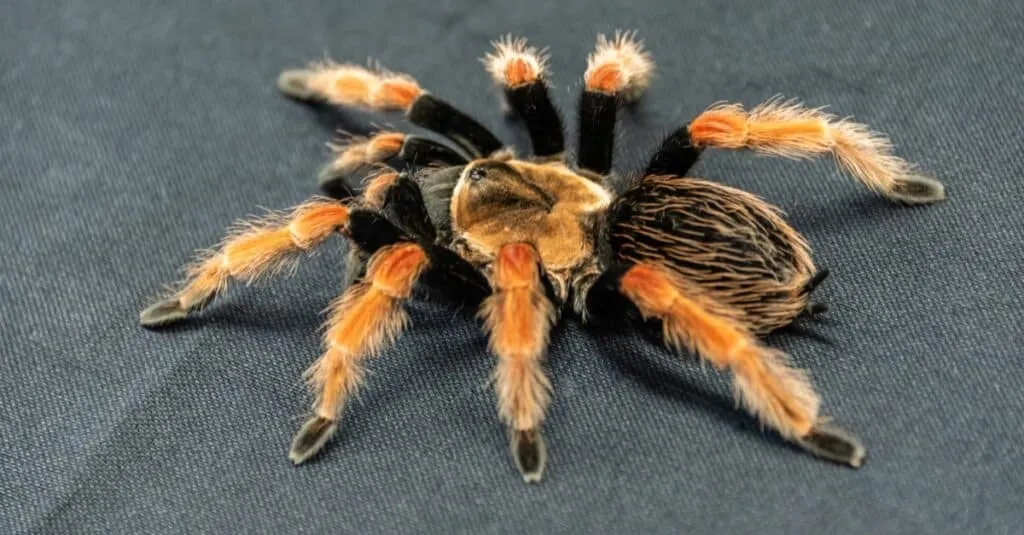
The All Red Tarantula is immediately recognizable by its vibrant coloration, which is the key to its allure. Adults display a rich combination of deep red, orange, and black. The carapace, the top part of the cephalothorax, is typically a deep reddish-orange, while the legs are a bright red, often with black bands near the joints. The abdomen is usually covered with urticating hairs, which the tarantula uses as a defense mechanism. These hairs are often a lighter shade of red, creating a beautiful contrast. Males and females can have slight differences in coloration and size, with females generally being larger and more robust.
Habitat and Origin
Native to the tropical forests of Mexico, specifically in the states of Guerrero and Michoacán, the All Red Tarantula thrives in a warm and humid environment. In their natural habitat, they are terrestrial spiders, living in burrows that they create under rocks, in the leaf litter, or in pre-existing holes. They are accustomed to a climate with distinct wet and dry seasons, which influences their molting cycle and activity levels. Understanding their natural environment is crucial to replicating it in captivity, ensuring the spider’s well-being and promoting natural behaviors.
Creating the Ideal All Red Tarantula Habitat
Creating the right environment for your All Red Tarantula is critical for its health and happiness. Their habitat should mimic their natural environment as closely as possible, providing a secure, comfortable, and enriching space. The proper enclosure, substrate, temperature, and humidity levels are all essential elements of a thriving tarantula habitat. A well-designed setup will not only keep your tarantula healthy but also allow you to observe its fascinating behaviors.
Choosing the Right Enclosure

The enclosure should be appropriately sized, considering the adult size of your tarantula. A good rule of thumb is to provide a space that is at least three times the leg span of the spider in width and length, with enough height for them to move around. For an adult All Red Tarantula, a 10-gallon tank is often sufficient, while larger individuals may benefit from a 20-gallon tank. The enclosure should be well-ventilated with a secure lid to prevent escape. Acrylic or glass tanks are both suitable options, but ensure the lid is escape-proof and can maintain appropriate humidity levels. Avoid tanks with sharp edges or features that could harm your spider.
Substrate Selection
Substrate is the bedding material used in the enclosure and plays a crucial role in maintaining humidity levels and providing a natural environment for your All Red Tarantula. A substrate that holds moisture well is ideal, but it should also allow for proper ventilation to prevent mold growth. A mix of coconut fiber, peat moss, and a small amount of vermiculite works well. The substrate should be deep enough for the spider to burrow, typically around 4-6 inches. Regular spot cleaning of the substrate is essential to remove any uneaten food or waste, maintaining a clean and healthy environment.
Temperature and Humidity Control
Maintaining the correct temperature and humidity levels is vital for the health of your All Red Tarantula. The ideal temperature range is between 75-85°F (24-29°C). You can use a heat mat placed on the side of the enclosure to provide gentle heat. Ensure the heat source is regulated by a thermostat to prevent overheating. Humidity levels should be maintained between 60-70%. You can achieve this by lightly misting the enclosure with dechlorinated water once or twice a week and providing a shallow water dish. Regularly monitor the temperature and humidity using a reliable thermometer and hygrometer.
Feeding Your All Red Tarantula

Providing the correct diet is another key element in ensuring your All Red Tarantula’s health. These spiders are carnivorous and primarily eat insects. They have a robust appetite, but it is important to provide the right type and size of prey, along with the proper feeding frequency, to keep them healthy and thriving. A balanced diet will help your tarantula grow, molt successfully, and display its natural vibrant colors. Avoid overfeeding to prevent health issues.
What to Feed
The primary diet for All Red Tarantulas consists of live insects. Crickets, mealworms, and dubia roaches are common choices. It is important to vary the diet to provide a range of nutrients. Before feeding, ensure the insects are gut-loaded with nutritious food, such as fruits and vegetables, for at least 24 hours. This will pass essential nutrients to the tarantula. Avoid feeding wild-caught insects, as they may carry parasites or pesticides. The size of the prey should be appropriate; it should not be larger than the tarantula’s body. Always remove any uneaten insects to prevent them from stressing or harming your spider.
Feeding Frequency
The feeding frequency depends on the age and size of your tarantula. Spiderlings (young tarantulas) should be fed more frequently, typically every other day or every day. Juvenile tarantulas can be fed two to three times a week. Adult All Red Tarantulas can be fed once a week or every other week, depending on their appetite and the frequency of molting. If your tarantula refuses to eat, it may be nearing a molt. Remove any uneaten food and do not offer more until after the molt is complete.
Watering Your Tarantula

Water is essential for the survival of all tarantulas. Always provide a shallow dish of fresh, clean water in the enclosure. The water should be shallow enough to prevent the tarantula from drowning. Monitor the water level and refill the dish as needed. Additionally, misting the enclosure lightly with dechlorinated water one or twice a week helps maintain humidity and gives the tarantula a chance to drink water droplets.
Handling and Safety
While the All Red Tarantula is known for its relatively docile temperament, it is important to handle them with care and respect. Tarantulas are delicate creatures, and mishandling can cause injury or stress. Understanding the correct handling techniques and recognizing signs of stress will help to ensure both your safety and the well-being of your spider.
Safe Handling Techniques
Handling an All Red Tarantula should be done with caution. Before handling, wash your hands to remove any potential odors or chemicals. Approach the tarantula slowly and gently. You can gently encourage it to walk onto your hand by nudging it from behind with a soft brush. Always keep the spider close to the ground or a soft surface to prevent injury if it falls. Never grab or squeeze the tarantula, as this can cause injury or trigger a defensive response. If you are uncomfortable handling the tarantula, it is perfectly acceptable to simply observe it in its enclosure.
Recognizing Stress Signs

Tarantulas can exhibit certain behaviors that indicate they are stressed. These signs include flicking urticating hairs, rearing up on their hind legs, or moving rapidly. If your tarantula shows any of these signs, it is best to leave it alone and allow it to calm down. Avoid handling a tarantula immediately after a molt, as their exoskeletons are soft and vulnerable. Overhandling can also stress a tarantula and lead to health issues. Always prioritize the spider’s well-being.
Common Health Issues
Like all pets, All Red Tarantulas can be susceptible to certain health issues. Understanding common problems and how to prevent or treat them is essential for their care. These spiders are generally hardy, but proper care can prevent many common health problems. Regular observation and understanding of your spider’s behavior can help you spot any issues early on.
Molting Process
Molting is a natural process where tarantulas shed their exoskeletons to grow. Before molting, the spider may become less active, refuse food, and appear sluggish. They may also change color and may lie on their backs. Provide a humid environment during the molt and avoid disturbing the spider. After the molt, the tarantula’s fangs will be soft for a period, so avoid feeding it for a few days. It is a good idea to remove any leftover exoskeleton from the enclosure after the molt.
Parasites and Diseases

While relatively uncommon, tarantulas can be affected by parasites or diseases. Mites can sometimes infest tarantulas, especially in humid environments. If you notice tiny, moving specks on your spider, it may have mites. You can treat them with specialized mite control products available at pet stores. Bacterial or fungal infections can also occur if the enclosure is not kept clean. Ensure proper ventilation and regular cleaning to prevent these issues. If you notice any signs of illness, consult an expert.
Breeding All Red Tarantulas
Breeding All Red Tarantulas can be a rewarding experience, but it requires patience, careful planning, and a good understanding of their mating behavior. It is not recommended for beginners, but with the proper knowledge and resources, it can be a fascinating aspect of tarantula keeping. Breeding these tarantulas also contributes to their conservation, as the pet trade’s demand is high.
Sexing Your Tarantula
Sexing, or determining the sex of a tarantula, is essential if you plan to breed them. The easiest way to determine the sex is by examining the molt. In the molt, the female will have a spermathecae, a structure located near the top of the abdomen. Males will have the presence of tibial hooks on their front legs, and pedipalps that are modified for mating. The size and appearance of the tarantula, especially during molting, will provide clues about the gender. However, the most accurate method is examining the molt or consulting an experienced breeder.
Mating and Egg Sac Care
Mating involves introducing a mature male to a mature female in her enclosure. The female may or may not be receptive; the male should be removed if there are signs of aggression. If mating is successful, the female will produce an egg sac. The female will usually take care of the egg sac and protect it. Keeping the eggs at the right temperature and humidity levels is critical for successful incubation. After the eggs hatch, the spiderlings will need to be separated into individual enclosures to prevent cannibalism.
Conclusion
Caring for an All Red Tarantula can be a rewarding experience, offering a unique opportunity to observe these fascinating creatures. By following the guidelines provided in this article, you can ensure your tarantula lives a healthy and happy life. Remember that the key to successful tarantula care is providing the right environment, a balanced diet, and a safe habitat. With patience, proper research, and commitment, you will have a thriving All Red Tarantula for many years to come. Enjoy the journey of learning more about these beautiful and remarkable spiders.