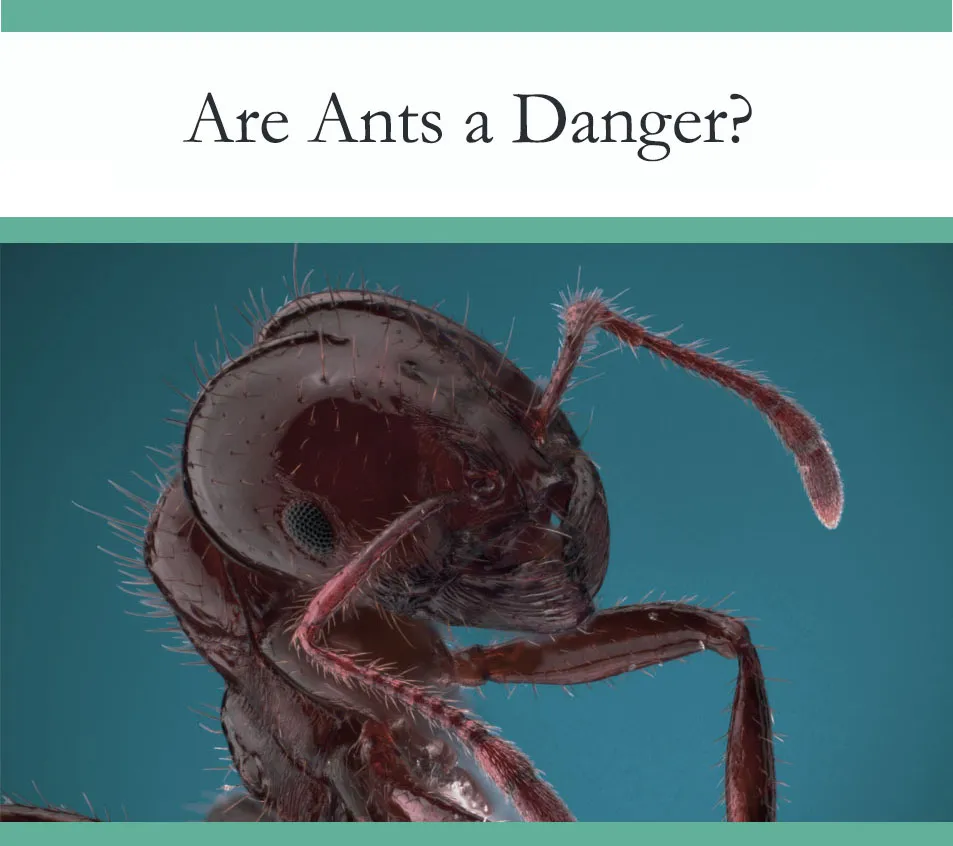
Ants vs. Tarantulas A Deadly Encounter
The world of arachnids and insects is a constant struggle for survival, and in this arena, tarantulas and ants represent two formidable opponents. While tarantulas are large, imposing spiders, ants, though small individually, pose a significant threat due to their numbers, collective behavior, and predatory instincts. This article delves into the top 5 dangers ants present to tarantulas, exploring the dynamics of this fascinating and often deadly encounter. Understanding these threats is crucial for anyone interested in the survival strategies of both creatures, especially in the context of tarantula care and conservation. The balance of nature often hinges on such intricate interactions, and the clash between these two arthropods provides a compelling example of ecological interplay.
The Size Factor How Ants Threaten Tarantulas
Size, though often seen as an advantage, isn’t always a guarantee of safety, especially when facing a swarm. While a tarantula is significantly larger than any individual ant, the sheer numbers of ants can overwhelm a tarantula. Ants can swarm a tarantula, covering it and biting it from all directions. This overwhelming attack can lead to the tarantula’s exhaustion, dehydration, and ultimately, its demise. This is particularly true for vulnerable tarantula stages like molting, where their exoskeletons are soft, or for young tarantulas, which are smaller and more defenseless against an ant onslaught. The effectiveness of the swarm tactic highlights the power of collective behavior in the animal kingdom.
Ants’ Numbers The Overwhelming Threat

The strength of an ant colony lies in its numbers. A single tarantula might easily dispatch a lone ant, but when faced with hundreds or even thousands of ants, the situation shifts dramatically. These ants can relentlessly attack, hindering the tarantula’s movements, biting at its vulnerable areas, and injecting venom. The continuous onslaught can drain the tarantula’s energy, compromise its defenses, and ultimately lead to its death. Ant colonies can quickly mobilize their forces, making them a formidable threat. The coordinated nature of an ant attack demonstrates an exceptional example of insect social behavior, where individual actions contribute to a greater, more dangerous, whole.
Ants’ Invasive Nature The Tarantula’s Habitat Invasion
Ants are known for their adaptability and their ability to colonize various environments, making them an ever-present threat to tarantulas. They can infiltrate tarantula habitats, including burrows and enclosures, creating persistent and hard-to-eradicate infestations. Once inside, ants can prey on the tarantula, its eggs, or any food remnants, essentially turning the tarantula’s own home against it. This invasion disrupts the tarantula’s established territory, leading to stress, competition for resources, and ultimately, decreased chances of survival. This highlights the importance of maintaining a clean environment for captive tarantulas and implementing preventive measures to keep ants at bay in natural habitats.
Venomous Ants The Sting’s Danger
Many ant species possess venom, and while the venom of a single ant may not be lethal to a tarantula, multiple stings can have debilitating effects. Ant venom can cause localized pain, inflammation, and allergic reactions in the tarantula, making it difficult for the spider to move, hunt, or defend itself. Furthermore, repeated exposure to ant venom can weaken the tarantula’s immune system, making it susceptible to diseases. The overall effect is a decline in the tarantula’s health, increasing the likelihood of predation by other animals or even death due to the ant infestation itself. The complexity of ant venom underscores the evolutionary arms race that drives the dynamic between these two species.
Competition for Resources Ants vs Tarantulas

Both tarantulas and ants occupy similar ecological niches, vying for the same food sources, such as smaller insects, and even resources like water. The presence of ants in a tarantula’s habitat increases the competition for these vital resources, possibly leading to the spider having less access to food, which affects its overall health and reduces its chances of survival. Furthermore, ants can steal the tarantula’s prey, directly impacting the spider’s food intake. This resource competition intensifies in enclosed environments or areas with limited resources, making the tarantula more vulnerable to the ant threat and ultimately impacting population dynamics in a habitat. This also affects tarantula development and reproductive success.
Why Ants Are A Danger to Tarantulas
Ants’ Collective Behavior
The coordinated efforts of ant colonies, including scouting, communication, and coordinated attacks, make them a significant threat. This is particularly problematic when the ant colony decides to target a tarantula; they can launch a large-scale assault, overwhelming the spider with numbers. This collective behavior, driven by pheromones and social structures, allows them to accomplish feats that individual ants could never achieve. The efficiency of this coordinated attack greatly enhances their ability to subdue a tarantula.
Ants’ Dietary Habits And Predation

Many ant species are opportunistic predators, and tarantulas, especially young or molting ones, can be potential prey. Ants are drawn to injured or weakened tarantulas, or those in a vulnerable state. They often target soft exoskeletons, injecting venom and overwhelming the tarantula. This predation can significantly reduce tarantula populations in areas where ants are prevalent. The predatory habits of ants are a key factor in this interspecies competition, impacting the overall survival rates of tarantulas in ant-infested environments.
Common Ant Species That Prey on Tarantulas
Several ant species are particularly notorious for preying on tarantulas. These include fire ants, which have a painful sting, and army ants, which move in large, aggressive swarms. These species are highly adaptable and can often be found in environments where tarantulas also live. They actively seek out tarantulas, and their relentless attacks pose a substantial threat. Recognizing these species is essential to manage and reduce the risk of ant infestations around tarantula habitats.
Tarantula Defenses
The Role of the Tarantula’s Bite

Tarantulas possess fangs and venom as primary defenses against predators. The bite can be painful to ants, but typically, the tarantula needs to employ its bite repeatedly to ward off multiple ants. It can use its fangs to crush ants or inject venom to deter them, but because of their number, ants often overwhelm the tarantula before the spider can bite or inject enough venom. Also, the tarantula’s venom is designed for much larger prey, and the effects are often not enough to stop a large ant swarm.
Tarantula’s Hairs
Tarantulas have urticating hairs that they can flick at potential threats, including ants. These hairs cause intense irritation upon contact, deterring predators. These hairs are particularly effective against ants, as they can cause the ants to retreat or become incapacitated. However, this defense is not always perfect, especially against aggressive or resilient ant species that can continue to attack despite the irritation.
Defensive behaviors like hiding
Tarantulas often employ avoidance and hiding strategies as a defense. These spiders usually retreat to their burrows or shelters when threatened, avoiding direct confrontations. Hiding reduces the chances of being attacked by ants and other predators. The spider may also attempt to flee if an attack starts. These behaviors are critical for their survival in environments where ants are common.
How to Protect Tarantulas From Ants

Habitat Management To Deter Ants
Maintaining a clean and well-managed habitat is essential. This involves removing food scraps, cleaning up spilled water, and preventing the accumulation of organic waste, as these things attract ants. Regular cleaning and inspections can help detect and prevent ant infestations before they become a serious threat. This practice greatly reduces the potential for ants to colonize and infest the tarantula’s environment.
Direct Ant Control
If ants are present, employing direct control methods becomes necessary. This may involve using ant baits or traps, which contain insecticides that ants will carry back to their colony, eliminating them at the source. Always use these methods with extreme caution around tarantulas and other pets, as the chemicals can be harmful. Regularly monitoring for ant activity is key, and professional pest control may be required in cases of severe infestation.
Preventive Measures

Preventive measures are vital. This includes sealing any potential entry points for ants. In captive environments, this might involve using a barrier like petroleum jelly on the enclosure’s edges to stop ants from crossing. Outside, regular inspections, and eliminating attractants around the tarantula habitat helps prevent infestations. By being proactive, one can significantly reduce the risk of ant-related dangers.
Conclusion The Ongoing Battle
The relationship between ants and tarantulas exemplifies the continuous struggle for survival in nature. Ants, due to their collective strength and adaptable nature, pose a significant threat to tarantulas, making them a constant danger. Protecting tarantulas from ants requires a proactive approach, encompassing habitat management, direct ant control, and preventative measures. Understanding the risks and implementing protective strategies is crucial for both captive and wild tarantulas. The ongoing battle highlights the complex ecological interplay between these fascinating creatures.