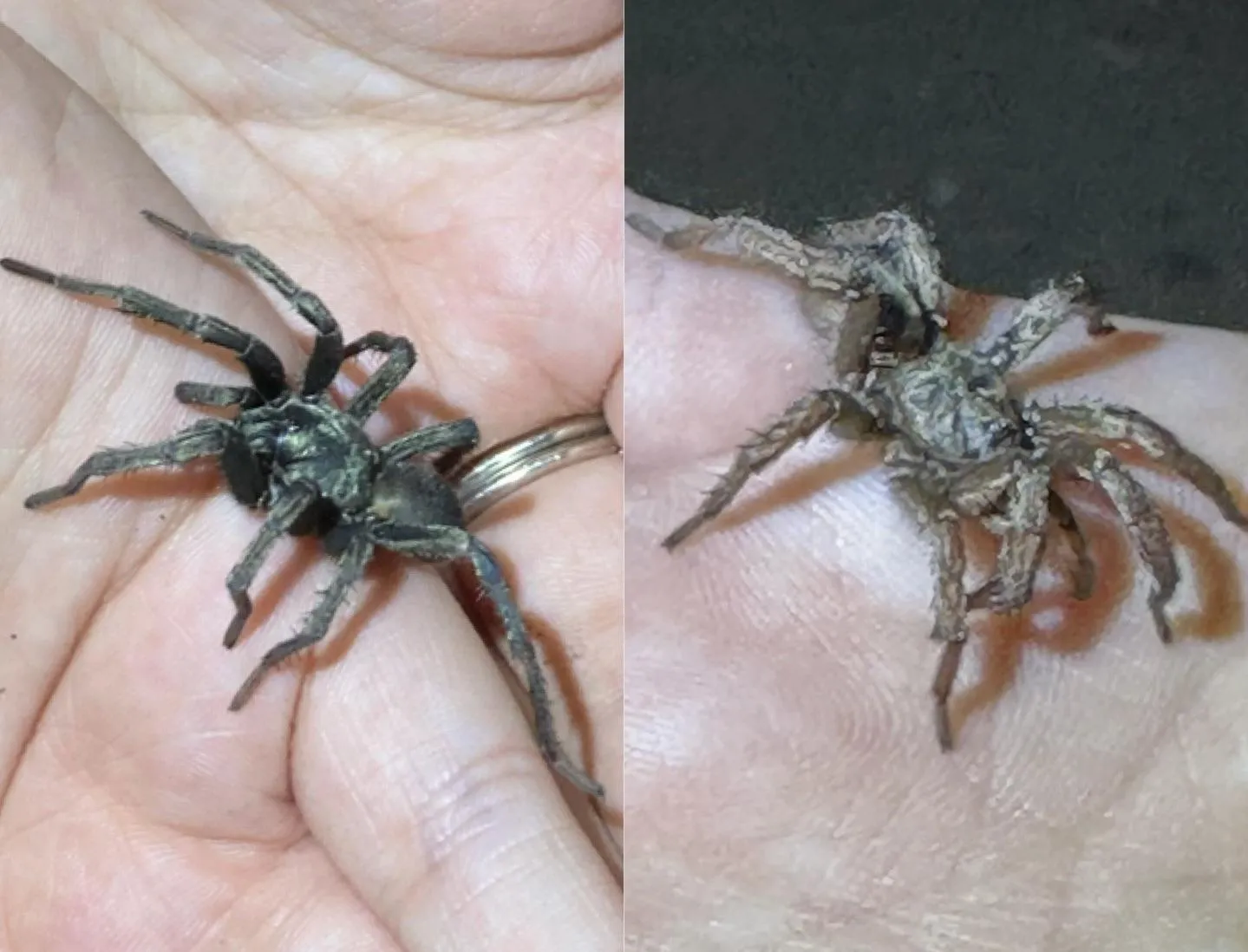
Choosing Your Baby Tarantula
Embarking on the journey of baby tarantula ownership is an exciting experience. These fascinating creatures can make captivating pets, but their care requires understanding and preparation. Before welcoming a baby tarantula into your home, careful consideration is essential. Researching different species, understanding their specific needs, and ensuring you can provide a suitable environment are crucial steps. This guide will walk you through the essential aspects of caring for your baby tarantula, from selecting the right species to maintaining its health and well-being. This ensures that both you and your new pet enjoy a harmonious relationship.
Species Selection
The world of tarantulas is diverse, with many species available as pets. Choosing the right species is the first and most important step. Consider factors like temperament, size, and care requirements. Some species are known for being more docile and manageable, making them better choices for beginners. Researching the adult size of the tarantula is also essential, as this will determine the size of the enclosure you’ll need. Look into the typical lifespan of the species, as tarantulas can live for many years. Popular beginner-friendly species include the Chilean rose hair tarantula and the Mexican red knee tarantula, known for their relatively gentle nature and straightforward care needs. Understanding their specific needs is important.
Temperament and Handling

Tarantulas, especially baby tarantulas, are delicate and can be easily stressed. While some species are more tolerant of handling than others, it’s generally best to avoid it whenever possible. Handling can pose a risk to both the tarantula and the handler. Tarantulas can be fragile, and a fall can be fatal. Also, they may bite if they feel threatened. If you must handle your tarantula, do so with extreme care. Always wash your hands thoroughly before and after handling. Approach the tarantula slowly and gently, avoiding sudden movements. Consider using a soft brush to gently coax the tarantula onto your hand. Always handle them close to the ground to minimize the risk of a fall.
Setting Up the Perfect Enclosure
Creating a suitable enclosure is crucial for the health and well-being of your baby tarantula. The enclosure should mimic the tarantula’s natural habitat, providing a comfortable and secure environment. The size, substrate, and environmental conditions must all be carefully considered. A well-set-up enclosure will not only keep your tarantula healthy but also allow you to observe its fascinating behaviors. Ensure the enclosure is escape-proof, as tarantulas are masters of escape. Ventilation is also essential to prevent the buildup of mold and maintain proper air quality. A well-designed enclosure is a foundation for a happy and healthy baby tarantula.
Enclosure Size and Type
The size of the enclosure is crucial, especially for baby tarantulas. A small, appropriately sized enclosure will help them feel secure and allow them to find their food easily. As the tarantula grows, you’ll need to upgrade to a larger enclosure. The type of enclosure also matters. Clear, well-ventilated enclosures are best, as they allow for easy viewing and monitoring of the tarantula. Glass or acrylic terrariums are popular choices. Ensure the enclosure has a secure lid to prevent escapes. The enclosure should be appropriate for the tarantula’s lifestyle. Terrestrial species need more floor space, while arboreal species need more height for climbing.
Substrate and Decor

The substrate, the material at the bottom of the enclosure, plays a vital role in maintaining humidity and providing a burrowing environment for your tarantula. The best substrate depends on the species, but a mix of coco fiber, peat moss, and vermiculite is generally suitable for many species. The substrate should be deep enough for the tarantula to burrow, if it’s a burrowing species. Decor, such as cork bark, artificial plants, and hides, adds enrichment to the enclosure. These provide the tarantula with places to hide and feel secure. Make sure that any decor is clean and free from pesticides or chemicals that could harm your tarantula. Regular maintenance is also essential.
Temperature and Humidity
Temperature and humidity are critical for the health of your baby tarantula. Most tarantulas thrive in temperatures between 75 and 85 degrees Fahrenheit (24-29 Celsius). Use a thermometer to monitor the temperature within the enclosure. Humidity levels vary depending on the species. Some species require higher humidity than others. Use a hygrometer to monitor humidity levels. Provide a shallow water dish for the tarantula to drink from. Regular misting with water can help maintain humidity levels, especially for species that require higher humidity. Ensure proper ventilation to prevent the build-up of mold and bacteria.
Feeding Your Baby Tarantula
Feeding your baby tarantula is a straightforward process, but it is very important for its growth. Baby tarantulas have small appetites, so providing the right amount of food is essential. Overfeeding can lead to health problems. Underfeeding can cause stunted growth. The type of food and the frequency of feeding will depend on the size and species of your tarantula. Proper feeding practices will ensure that your tarantula thrives and reaches its full potential.
Food Choices and Frequency

Baby tarantulas primarily eat small insects. Crickets, mealworms, and roaches are all popular choices. The size of the insects should be appropriate for the size of the tarantula. Offer food every few days, or when the tarantula’s abdomen appears to be small. Remove uneaten food within 24 hours to prevent mold and mite infestations. Provide a varied diet to ensure your tarantula receives all the necessary nutrients. Dust the insects with a calcium supplement to provide additional nutrients, especially for juvenile tarantulas. Make sure you always have fresh water available.
Watering and Hydration
Providing fresh water is essential for your baby tarantula’s health. Use a shallow water dish that the tarantula can easily access. The water should be clean and free from any chemicals. Check the water dish regularly and refill it as needed. Some species get most of their water from their food, but always provide a water source. You can also mist the enclosure lightly with water, especially if the species requires higher humidity. Do not over-mist, as this can lead to mold and bacteria growth. Keeping the water clean and available ensures that the tarantula stays hydrated and healthy.
Daily and Weekly Maintenance
Regular maintenance is crucial for keeping your baby tarantula and its enclosure clean and healthy. This includes cleaning the enclosure, monitoring the tarantula’s health, and ensuring that the environmental conditions are optimal. Regular checks will help you catch any potential problems early on. This will ensure your tarantula has a long and healthy life. Make maintenance part of your routine and you can avoid major health concerns. These practices help to keep your pet happy.
Cleaning and Waste Removal

Spot cleaning the enclosure is a regular task. Remove any uneaten food, dead insects, and waste products as soon as you notice them. Replace the substrate periodically, typically every few months or when it becomes soiled. The frequency of substrate replacement depends on the species and the conditions within the enclosure. When cleaning the enclosure, use a gentle cleaner, and make sure to rinse everything thoroughly. Avoid using harsh chemicals that could harm your tarantula. Clean the water dish regularly to prevent the growth of algae and bacteria.
Health and Common Issues
Baby tarantulas are generally hardy creatures, but they can be susceptible to certain health problems. Recognizing the signs of illness and knowing how to address them is essential for responsible pet ownership. Early detection is key. Common issues include parasites, fungal infections, and molting problems. Knowing the potential health issues your pet may face allows you to react promptly. A healthy tarantula is a happy tarantula. Providing the correct care will prevent health issues.
Identifying and Addressing Problems
Monitor your tarantula for signs of illness, such as loss of appetite, lethargy, and changes in behavior. Look for any unusual spots on the abdomen or legs, which could indicate a fungal infection. Parasites are also a concern. Quarantine any new tarantulas before introducing them to your collection. If you suspect your tarantula is sick, consult with a veterinarian or an experienced tarantula keeper. They can provide a diagnosis and recommend appropriate treatment. Maintain a clean enclosure. Provide proper ventilation to prevent fungal infections. Ensure that the enclosure is maintained at the correct temperature and humidity levels.
Molting Process

Molting is a natural process in which tarantulas shed their exoskeletons to grow. During molting, the tarantula becomes vulnerable, so it is important not to disturb it. Molting frequency depends on the age and species of the tarantula. As they grow, they molt less frequently. Before molting, the tarantula may stop eating and become inactive. The tarantula will lie on its back and slowly shed its exoskeleton. Do not feed the tarantula until its fangs have hardened after molting. Ensure the enclosure has the correct humidity. Provide a stress-free environment to make the process as easy as possible. Molting is a sign of healthy growth.
Caring for a baby tarantula can be a rewarding experience. By following these guidelines, you can create a safe, healthy, and stimulating environment for your pet. Remember to do your research, provide proper care, and enjoy the fascinating world of these amazing creatures. With the correct knowledge and care, you will be able to enjoy your baby tarantula.