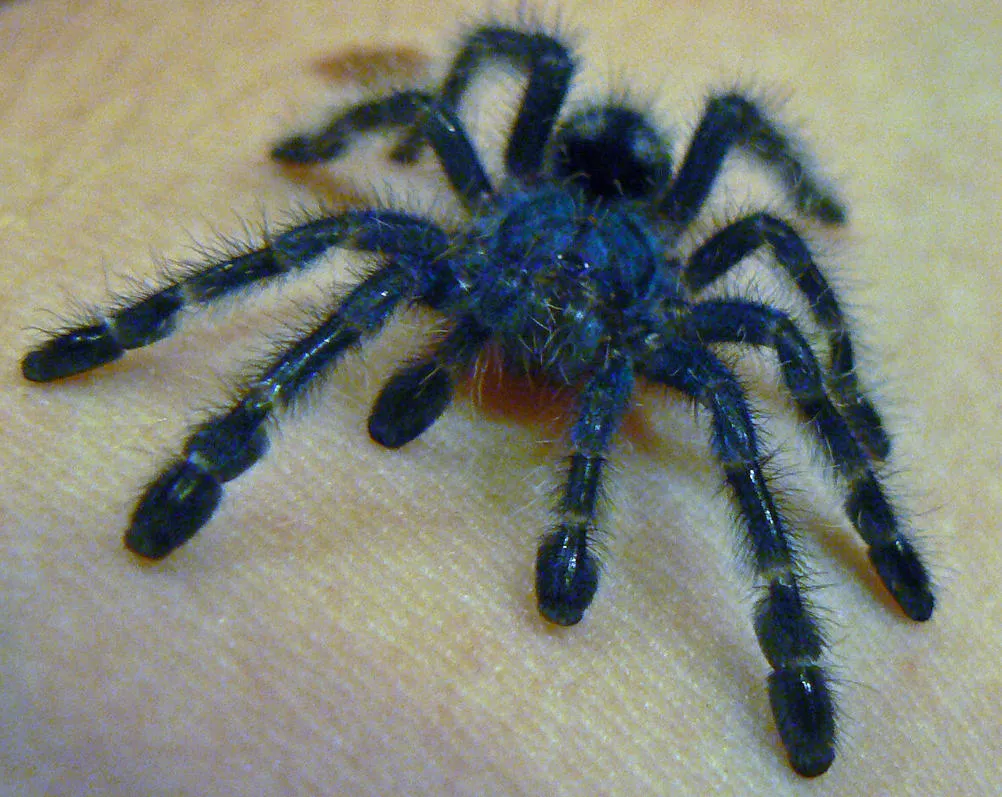
What is a Baby Tarantula?
A baby tarantula, often referred to as a spiderling, is a juvenile tarantula that has recently hatched from an egg sac. At this stage, they are incredibly small and delicate, representing the beginning of their long and fascinating life cycle. These tiny creatures possess all the basic characteristics of their adult counterparts, including fangs, spinnerets, and a distinct eight-legged structure, but their size is significantly different. Understanding the size of a baby tarantula is the first step in comprehending their care requirements and appreciating the wonders of their development. Observing their growth from a tiny spiderling to a full-grown adult provides a unique opportunity to learn about arachnid biology and the fascinating process of molting, where they shed their exoskeleton to accommodate their growth. The size of a baby tarantula can vary based on the species, with some being as small as a few millimeters and others slightly larger.
Understanding Tarantula Growth Stages
Tarantulas grow through a process called molting, where they shed their exoskeleton to accommodate their growth. Baby tarantulas molt frequently, sometimes every few weeks, during their initial growth stages. As they mature, the molting frequency decreases to several times a year. The size of a tarantula at each molt indicates its progression through different life stages. The early stages are the most vulnerable periods, where the tarantula is soft-bodied and susceptible to injury. The growth rate can be influenced by various factors, including feeding, environmental conditions, and the species itself. Each molt is a significant milestone, allowing them to not only increase in size but also regenerate lost limbs and improve their overall health. Observing the molting process offers valuable insights into the tarantula’s health and well-being and is a critical aspect of their care.
The Importance of Size in Baby Tarantulas

The size of a baby tarantula is crucial for several reasons. Firstly, it influences their diet, as they require appropriately sized prey to eat. Offering food that is too large can be dangerous, while food that is too small will not provide adequate nutrition. Secondly, size determines the type of enclosure needed. Baby tarantulas need smaller enclosures with adequate humidity and ventilation to thrive. Providing the right environment based on their size helps them feel secure and encourages healthy development. Finally, size plays a role in their vulnerability to predators or environmental hazards. Smaller spiderlings are more susceptible to desiccation and injury, emphasizing the importance of carefully managing their habitat. Monitoring a baby tarantula’s size regularly is an essential aspect of their care, allowing owners to adjust their feeding, housing, and environmental conditions appropriately.
Factors Influencing Baby Tarantula Size
Several factors impact the size of a baby tarantula. Genetics play a significant role, as different species have varying growth rates and maximum sizes. Feeding is another crucial element. Providing a balanced diet with appropriately sized prey ensures that the tarantula receives the necessary nutrients for growth. Environmental conditions, particularly temperature and humidity, also affect development. Maintaining the correct temperature and humidity levels can accelerate the molting process and encourage growth. The frequency and quality of molting influence the tarantula’s size and overall health. A well-nourished tarantula that molts frequently and successfully tends to grow larger. Finally, health is essential; any illness or injury can hinder growth, so it’s critical to provide a clean and stress-free environment.
Species Variations in Size
The size of baby tarantulas varies significantly depending on the species. Some species, like the dwarf tarantulas, remain relatively small throughout their lives, while others, such as the Goliath Birdeater, can grow to be one of the largest spiders in the world. When considering a tarantula, understanding the adult size of the species is vital, as this helps anticipate their growth trajectory from a baby. For instance, a baby Grammostola pulchra, known for its slow growth rate, will be much smaller than a baby Theraphosa blondi, which grows relatively quickly. Researching the expected size of an adult tarantula is necessary to ensure that you can provide an appropriate enclosure and meet the care requirements as they grow. Species differences in size also affect feeding schedules, habitat requirements, and overall care strategies, making it essential to understand the specific needs of your tarantula.
Baby Tarantula Size Comparison Chart

Here is a simple comparison of some popular tarantula species at the spiderling stage, to give you an idea of their size differences. Remember, these are just estimates, and the actual size may vary based on individual conditions and genetics.
Here are a few examples to illustrate this point:
Species: Grammostola pulchra Spiderling Size: 0.5-1 cm body length
Species: Brachypelma hamorii Spiderling Size: 0.8-1.2 cm body length
Species: Lasiodora parahybana Spiderling Size: 1.0-1.5 cm body length
Species: Theraphosa blondi Spiderling Size: 1.5-2.0 cm body length
Note that these sizes are approximate, and spiderlings may be smaller or larger depending on their age, feeding, and environment. The body length refers to the size of the tarantula’s body, excluding the legs.
How to Measure a Baby Tarantula
Measuring a baby tarantula can be tricky due to their small size and fragility. The most common method involves using a clear ruler or a digital caliper. When measuring, you should focus on the body length, from the front of the carapace (the head) to the end of the abdomen. Handle the spiderling with extreme care, as even a small drop can be fatal. It’s advisable to measure the spiderling while it’s on a flat surface, such as the lid of its enclosure, to minimize the risk of injury. Documenting the size at each molt can help track their growth and health. A simple approach is to take a photograph of the spiderling next to a ruler, ensuring the ruler is visible in the picture. This allows you to track the size without handling the spiderling directly. Always prioritize the safety of the tarantula during measurements, and avoid excessive handling to reduce stress.
Best Practices for Tarantula Size
To ensure the healthy development of a baby tarantula, several best practices should be followed. Maintaining a consistent temperature and humidity level is critical for the molting process. Regular feeding with appropriate-sized prey is essential for growth. Providing a secure and appropriately sized enclosure helps them feel secure and grow well. Regularly clean the enclosure to prevent the buildup of bacteria and mold, which can harm their health. Ensure that the enclosure is well-ventilated to avoid stagnant air and promote healthy respiration. Avoid handling the tarantula unnecessarily, especially after molting. Observe the tarantula’s behavior for any signs of illness or stress, such as lethargy, loss of appetite, or changes in posture. By following these guidelines, owners can provide a safe and conducive environment for their baby tarantulas to thrive and grow.
Feeding and Its Impact on Growth

Feeding plays a significant role in the growth of a baby tarantula. Baby tarantulas need a consistent supply of appropriately sized prey, such as flightless fruit flies, pinhead crickets, or small mealworms, to obtain the nutrients needed for growth and molting. The frequency of feeding depends on the species and the tarantula’s age. Spiderlings, especially those recently molted, should be fed more frequently, perhaps every other day, while older individuals can be fed less frequently. Overfeeding can be as harmful as underfeeding, leading to obesity and health problems. The type of prey should be varied to provide a balanced diet, and uneaten prey should be removed from the enclosure to prevent stress or harm to the tarantula. Observe the tarantula’s abdomen; a slightly rounded abdomen indicates the spiderling is well-fed. Providing a varied and balanced diet directly affects the growth rate, molting frequency, and overall health of the baby tarantula.
Creating the Right Habitat for Growth
Creating an appropriate habitat is crucial for the healthy growth of a baby tarantula. The enclosure size should correspond to the size of the spiderling, preventing stress and facilitating easy access to food and water. A small, well-ventilated container with a substrate like coco fiber or peat moss is suitable. Maintaining appropriate temperature and humidity levels is essential. A heat lamp or a heat mat can provide warmth, while a spray bottle can be used to maintain humidity. Providing a shallow water dish with fresh water is important for hydration. The enclosure should also have a hide, such as a piece of cork bark or a plastic hide, where the tarantula can feel secure. Ensure that the enclosure is free of any potential hazards, like sharp objects. Regularly cleaning the enclosure and removing any uneaten food helps maintain the environment and promotes a healthy growth environment for the baby tarantula.