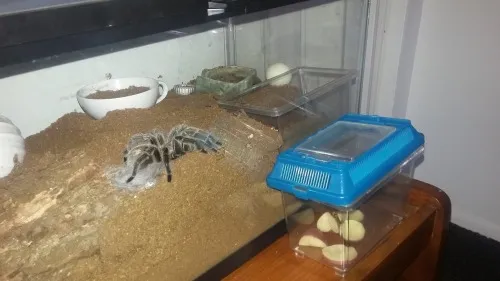
Understanding Tarantula Enclosure Needs
Owning a tarantula can be a rewarding experience, but it comes with the responsibility of providing proper care. A critical aspect of tarantula care is the enclosure, which serves as their home and significantly impacts their health and well-being. Understanding how often to change or modify this enclosure is essential for creating a thriving environment for your eight-legged friend. This guide delves into the factors influencing enclosure frequency, offering practical tips to ensure your tarantula lives a long, healthy life. Proper enclosure maintenance is not just about aesthetics; it directly influences the tarantula’s ability to thrive, molt successfully, and avoid potential health issues.
Why Enclosure Frequency Matters
The frequency with which you tend to your tarantula’s enclosure affects various aspects of their life. Firstly, a clean enclosure is crucial for preventing the buildup of bacteria, fungi, and other pathogens. These microorganisms can pose serious health risks to your tarantula, potentially leading to infections or other ailments. Secondly, the enclosure’s conditions directly influence humidity and temperature levels, both critical factors for tarantulas. Incorrect levels can hinder molting, cause dehydration, and generally stress the animal. Regular maintenance helps maintain these crucial environmental conditions, mimicking their natural habitat as closely as possible. Moreover, a well-maintained enclosure can also improve the tarantula’s behavior, making them more active and less stressed, which can lead to a more engaging pet experience.
Factors Influencing Enclosure Changes

Several factors determine how often you should adjust your tarantula’s enclosure. These elements often work in tandem, dictating the optimal frequency for maintenance and changes. Understanding these factors will help you create a suitable environment. It’s essential to remember that a one-size-fits-all approach doesn’t work; individual needs vary based on these key elements. By paying attention to these variables, you can fine-tune your tarantula’s care routine and promote their well-being.
Size of the Tarantula
The size of your tarantula is a major determinant of enclosure needs. A juvenile tarantula, for instance, will require a smaller enclosure that is easier to manage in terms of humidity and temperature. As the tarantula grows, you’ll need to upgrade the enclosure size to provide adequate space for movement and growth. A cramped environment can lead to stress and impact the tarantula’s molting process. A larger tarantula will also produce more waste, which could lead to the need for more frequent cleaning and maintenance. The general rule of thumb is to ensure the enclosure is at least twice the tarantula’s leg span in width and length, with sufficient height to allow for burrowing or climbing behavior, depending on the species.
Type of Tarantula
Different tarantula species have varying environmental requirements, impacting how often their enclosures need attention. Terrestrial species, which live primarily on the ground, often require a substrate suitable for burrowing. Arboreal species, on the other hand, are adapted to living in trees and thus need taller enclosures with climbing opportunities. Some species thrive in drier environments, while others need consistently higher humidity. Researching the specific needs of your tarantula species is crucial for providing proper care and adjusting your enclosure maintenance accordingly. For example, a species native to a humid rainforest environment may need more frequent misting and substrate changes than one from a desert habitat.
Substrate Type

The type of substrate used in your tarantula’s enclosure plays a significant role in determining maintenance frequency. Substrates like coconut fiber or peat moss are excellent at retaining moisture and maintaining humidity, which can benefit certain species. However, these substrates can also become breeding grounds for mold and bacteria if not properly maintained. They may require more frequent spot cleaning and partial changes to prevent issues. Substrates that break down quickly, such as certain types of wood chips, may need more frequent replacement compared to substrates that are more durable. Furthermore, substrates influence how often the enclosure requires cleaning as they absorb waste and other debris produced by the tarantula.
5 Tips for the Best Tarantula Enclosure Frequency
To ensure your tarantula thrives, here are five essential tips to guide your enclosure maintenance. These tips cover various aspects, from monitoring environmental conditions to paying close attention to your tarantula’s behavior. Implementing these practices will not only keep your tarantula healthy and happy but will also make pet ownership more enjoyable. Consistency is key to these practices, but don’t be afraid to adjust based on the specifics of your tarantula and its enclosure.
Tip 1: Monitoring Substrate Moisture
Regularly monitor the moisture levels of your tarantula’s substrate. This is especially important for species that require high humidity. Overly wet substrate can lead to mold and bacterial growth, whereas a substrate that’s too dry can cause issues with molting. You can assess the moisture levels by observing the substrate’s color and feel. If the substrate looks excessively damp or is moldy, it’s time to change it. Use a hygrometer to measure the humidity levels directly, ensuring they match your tarantula’s specific needs. Mist the enclosure with water if the substrate appears dry and the humidity is too low, but always avoid over-saturation.
Tip 2: Observing Tarantula Behavior

Pay close attention to your tarantula’s behavior. Changes in behavior can often signal a need for enclosure adjustments. If your tarantula is spending an excessive amount of time at the top of the enclosure, it might indicate that the humidity levels are too high. Similarly, if it’s always hiding and not eating, it could be a sign of stress due to environmental issues. If the tarantula is refusing to eat or displaying lethargic behavior, check your enclosure. Regular observation will help you detect problems early and make necessary corrections to ensure the environment meets its needs. Behavior can also indicate the tarantula’s molting cycle, during which you should avoid disturbances.
Tip 3: Maintaining Cleanliness
Regularly remove any uneaten food, molted exoskeletons, and feces from the enclosure. These can quickly decompose and create an unhealthy environment. Spot clean the enclosure as needed, usually every few days, by removing visible waste. A complete substrate change should be performed less frequently, but the exact timing depends on the factors already discussed. This cleaning schedule ensures a sanitary environment and prevents the buildup of harmful substances. Use appropriate tools, such as tongs and a small scoop, to remove debris without disturbing your tarantula too much. Always wash your hands thoroughly before and after handling the enclosure.
Tip 4: Considering Growth Stages
Adjust your enclosure maintenance according to the growth stage of your tarantula. Young tarantulas, or slings, often require more frequent enclosure maintenance because they’re more susceptible to environmental changes. They may need more frequent substrate changes and closer monitoring of humidity and temperature. As your tarantula matures, the frequency of enclosure changes may decrease, but it’s still essential to maintain a clean and appropriate habitat. During molting cycles, avoid disturbing the enclosure as the tarantula is very vulnerable during this process. After molting, you should check the enclosure for any shed skin.
Tip 5: Adjusting for Molting

Molting is a critical process for tarantulas. During this time, they shed their exoskeleton and grow. Before molting, tarantulas typically become less active and may refuse to eat. Increase the humidity levels slightly during this period to help the tarantula shed its skin. Avoid disturbing the enclosure during this time, as the tarantula is very vulnerable. After molting, remove the old exoskeleton. Then, allow the tarantula a few days to harden its new exoskeleton before resuming normal feeding. Adjusting the enclosure conditions in accordance with molting cycles is crucial to ensure the spider’s overall well-being and successful growth.
Creating the Ideal Tarantula Habitat
Beyond how often to change the enclosure, the creation of an ideal habitat involves several crucial elements. These factors contribute significantly to the health and happiness of your tarantula. By focusing on these additional aspects, you can create a thriving environment where your tarantula can live its best life. These include maintaining proper ventilation, controlling temperature and humidity, and providing appropriate hiding places.
Importance of Ventilation
Adequate ventilation is essential for preventing the buildup of stale air and harmful gases in your tarantula’s enclosure. Poor ventilation can also lead to excessive humidity and the growth of mold and bacteria. The enclosure should have proper ventilation holes, typically on the sides and top, to allow for airflow. Avoid placing the enclosure in direct sunlight or near heat sources, as this can affect ventilation and lead to overheating. Adequate airflow also helps maintain the appropriate humidity levels for your tarantula. Ensure the ventilation system is well-maintained and free from obstructions.
Temperature and Humidity Control

Temperature and humidity control are critical components of a healthy tarantula enclosure. The ideal temperature range varies depending on the species, but most tarantulas thrive in temperatures between 70-85°F (21-29°C). Use a thermometer to monitor the temperature and adjust the heating source if needed. Humidity levels should also be maintained within the species-specific range. Using a hygrometer to measure humidity is essential. Mist the enclosure with water to increase humidity and ensure the substrate is slightly moist, but not waterlogged. Regular monitoring and adjustments are necessary to maintain the appropriate environmental conditions.
Providing Hiding Places
Tarantulas are naturally shy creatures and need hiding places to feel secure. Provide a hide, such as a piece of cork bark, a hollow log, or a commercially available spider hide, to give your tarantula a place to retreat. This will help reduce stress and make the tarantula feel safe. The hide should be large enough for the tarantula to comfortably fit inside but not so large that it takes up too much of the enclosure space. Ensure the hide is stable and won’t collapse. The presence of a hide is vital for the tarantula’s well-being, allowing it to regulate its sense of security and feel comfortable in its home.