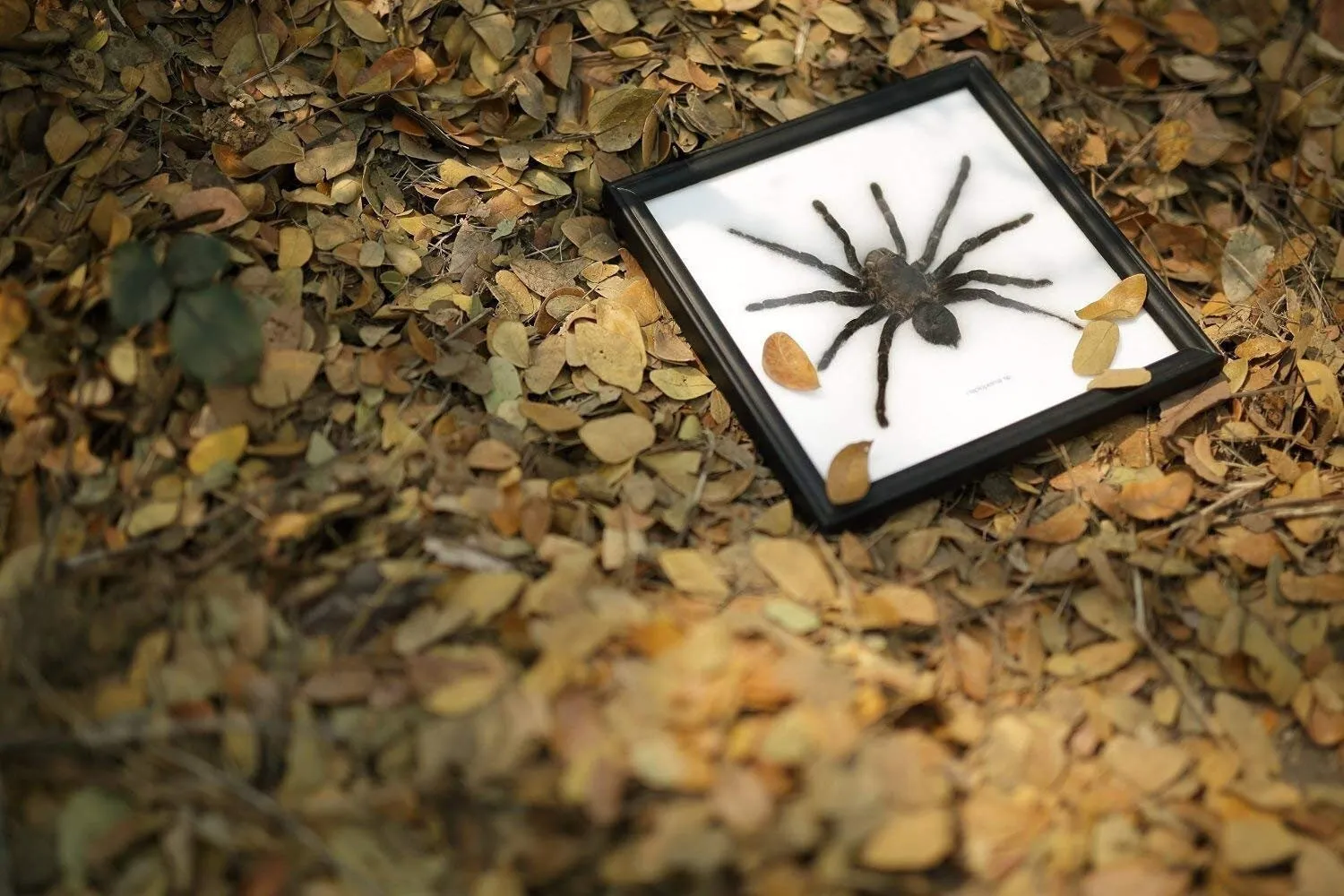
What is a Bird Eating Tarantula (Overview)
The bird eating tarantula, scientifically known as Theraphosa blondi, is one of the largest spider species in the world. Despite its name, which might conjure images of the arachnid feasting solely on birds, its diet is more varied. These impressive creatures are native to the rainforests of South America and are a fascinating subject for anyone interested in the world of arachnids. Their sheer size, with leg spans that can exceed a foot, and their imposing appearance make them a striking example of nature’s diversity. Understanding where these creatures live provides insight into their lifestyle and survival.
Key Features of Bird Eating Tarantulas
Bird eating tarantulas are distinguished by several key features that set them apart from other spider species. Their size is perhaps the most noticeable characteristic; adult females can have leg spans of up to 12 inches or more. They have a robust body covered in dense hairs, which not only provide sensory input but also serve as a defense mechanism. These hairs can be flicked off the abdomen as a form of irritation to potential predators. Furthermore, they possess large fangs, designed to inject venom into their prey, which they use to subdue a wide range of creatures. The coloration of these tarantulas varies, ranging from dark brown to lighter shades, which often blends in with their surroundings to enhance hunting efficiency.
Habitat Characteristics

The bird eating tarantula’s habitat is typically characterized by high humidity, warm temperatures, and abundant vegetation. They thrive in environments where they can find shelter, such as burrows in the ground or beneath fallen logs and leaves. The presence of a diverse insect population and other small animals is also essential, as these form the primary food source for the tarantulas. Their ability to adapt to various conditions within their preferred environments allows them to occupy a range of niches within the ecosystem, contributing to the biodiversity of their habitats. These habitats generally have well-drained soil and a constant supply of moisture, which is critical for their survival. The spiders prefer environments that offer ample hiding places, allowing them to ambush prey and avoid predators. They require a combination of shelter, food availability, and appropriate climate conditions.
Top 5 Bird Eating Tarantula Habitats
The Amazon Rainforest
The Amazon Rainforest is a primary habitat for bird eating tarantulas. This vast expanse of dense jungle provides ideal conditions, including high humidity, consistent warmth, and a rich diversity of prey. The rainforest’s complex ecosystem offers numerous hiding spots among the dense undergrowth and fallen trees, providing the tarantulas with both shelter and ambush opportunities. These spiders are well-adapted to the rainforest’s conditions, which enable them to thrive and grow to their impressive size. The Amazon’s consistent climate and plentiful food sources, make it a perfect home. The area’s rich biodiversity also supports a wide range of insects and small animals that the tarantulas prey on.
Climate and Terrain

The Amazon Rainforest features a hot and humid climate, with temperatures remaining consistently high throughout the year. Rainfall is abundant, contributing to the high humidity that the tarantulas require. The terrain varies, including dense jungle floors, riverbanks, and areas of more open forest. The tarantulas often construct burrows in the forest floor or seek shelter under fallen leaves and logs, benefiting from the moist environment. The consistent warmth and humidity, combined with the varied terrain, create a perfect living space for these spiders, allowing them to thrive in this part of the world.
Typical Bird Eating Tarantula Behavior
In the Amazon, bird eating tarantulas are primarily nocturnal hunters, spending their days hidden in burrows or beneath cover. They are ambush predators, waiting for unsuspecting prey to come within striking distance. Their diet includes insects, small rodents, lizards, and occasionally, small birds. The tarantulas use their fangs to inject venom, immobilizing their prey before consuming it. Their behavior is well-suited to the rainforest environment, as they have evolved to make the most of the shelter and food that the habitat provides. They are solitary creatures, except during mating season, and their behavior is largely influenced by the need to find food and avoid predators.
The Pantanal Wetlands
The Pantanal Wetlands, located in South America, is another significant habitat for bird eating tarantulas. This vast wetland ecosystem offers a unique environment with a combination of aquatic and terrestrial habitats. The tarantulas here benefit from the high humidity and access to a diverse range of prey. The varied landscape of the Pantanal, which includes flooded grasslands, forests, and rivers, creates various microhabitats that support the spiders’ survival and growth. The Pantanal is home to a wide variety of insects, amphibians, and small vertebrates, which provide a constant food supply for the tarantulas. They are well-adapted to the seasonal flooding that characterizes the region, allowing them to thrive even in changing conditions.
Unique Environmental Conditions

The Pantanal’s unique environmental conditions include seasonal flooding and distinct wet and dry periods. During the wet season, large areas of the land become flooded, providing increased opportunities for prey and creating new hunting grounds for the tarantulas. The dry season brings drier conditions, forcing the tarantulas to seek shelter in burrows and under vegetation. The fluctuations in water levels and changes in vegetation also provide opportunities for the spiders to find new prey and maintain their habitat. These varying conditions provide challenges and advantages to the species living here.
Adaptations for Survival
Bird eating tarantulas in the Pantanal have adapted to survive the seasonal changes. They dig deep burrows to stay protected from both the elements and predators. Their robust bodies and efficient hunting strategies allow them to capture a variety of prey, including insects, fish, and small mammals. During the floods, they may seek refuge in higher areas or remain within their burrows, waiting for the water levels to recede. Their adaptations demonstrate their resilience and ability to survive in a dynamic environment. This includes being able to endure periods of drought or water inundation.
Tropical Dry Forests
Tropical dry forests provide a habitat that, while different from rainforests, still supports bird eating tarantulas. These forests have distinct wet and dry seasons, which present unique challenges. The tarantulas adapt to these cyclical changes by altering their behavior and habitat use. During the wet season, they are more active, and hunt more frequently, whereas, during the dry season, they seek shelter to conserve moisture and energy. These habitats often have a more open canopy than rainforests, which changes how the sun and rain reach the forest floor, significantly influencing the spiders’ behavior.
Seasonal Variations

The seasonal variations in tropical dry forests significantly influence the tarantulas’ lifestyle. During the wet season, the spiders have access to a greater abundance of prey and can be found more active. The abundance of rainfall also allows for increased vegetation growth, which provides more cover and shelter. During the dry season, they become less active and spend more time in burrows or under the cover of decaying leaves, to conserve moisture. This seasonal rhythm is crucial for their survival, and the tarantulas have evolved to adapt to these cyclical variations in environmental conditions.
Diet and Hunting Strategies
In tropical dry forests, the diet of bird eating tarantulas comprises insects, small reptiles, and rodents, similar to other habitats. Their hunting strategies involve ambush tactics, using their camouflage and stealth to surprise prey. The tarantulas are nocturnal hunters, emerging from their burrows at night to search for food. They use their fangs to inject venom into their prey, immobilizing it before consumption. Their feeding habits are well-suited to the availability of food resources within their habitat. In dry forests, the diet often shifts due to available food sources.
Subtropical Regions
Subtropical regions, with their moderate climates and diverse ecosystems, also offer suitable habitats for bird eating tarantulas. These areas often have a combination of forests, grasslands, and scrublands, creating a range of potential environments for the spiders. The relatively stable temperatures and humidity levels provide ideal conditions for the spiders to thrive. The presence of varied vegetation and diverse insect populations contribute to the tarantulas’ ability to find food and shelter. These areas provide the basic requirements for the spiders to establish and grow.
Vegetation and Shelter

The vegetation in subtropical regions includes a mix of forests, shrubs, and grasses, which provide various options for shelter and cover. The tarantulas often burrow in the ground, under fallen logs, or among the roots of trees. The dense vegetation and presence of leaf litter also offer additional hiding places and reduce exposure to predators. This range of vegetation not only creates a favorable microclimate for the spiders but also supports a diverse range of insects and small animals, which serve as prey. The environment is crucial to their success in these areas.
Predators and Threats
In subtropical regions, bird eating tarantulas face predation from larger animals, such as other spiders, snakes, and birds of prey. Human activities, including habitat destruction and the illegal pet trade, are significant threats. The tarantulas’ ability to adapt to their environment and defend themselves through their defensive hairs and venom plays a crucial role in their survival. However, increasing threats, and environmental issues in these regions, also pose challenges to the spiders.
Various Grasslands
Grasslands, with their open landscapes and varied vegetation, can provide suitable environments for some species of bird eating tarantulas. The ability to find shelter is crucial for them. These grasslands offer a different set of challenges and opportunities, compared to other habitats, and their survival depends on how well they adapt to them. The presence of tall grasses and scattered shrubs can provide cover from predators and the elements, while the open spaces allow them to hunt effectively. The spiders will change their behaviour, based on the landscape.
Adaptations for Grassland Survival

Bird eating tarantulas in grasslands have developed several adaptations that enable them to survive in this environment. They often build burrows in the ground, using their strong legs and fangs to dig deep into the soil. Their coloration often helps them to blend in with the grasses, providing camouflage from predators and during hunting. The grasslands pose unique challenges, but the ability of the spiders to adapt and thrive demonstrates their resilience. The tarantulas must be able to deal with seasonal changes, limited resources, and increased predator activity, but still survive.
The Bird Eating Tarantula’s Conservation Status
The conservation status of the bird eating tarantula varies based on the specific species and their respective habitats. While some species are relatively common, others are facing increasing threats due to habitat loss, climate change, and the pet trade. Understanding these challenges is essential for developing effective conservation strategies. The long-term survival of the bird eating tarantula relies on continued conservation efforts and protecting their natural habitats. The species’ ability to adapt is tested with challenges such as human interference.
Threats to Habitats
The primary threats to bird eating tarantula habitats include deforestation, agricultural expansion, and urbanization. Logging and clearing land for agriculture and development destroy the forests and wetlands that serve as the spiders’ homes. Climate change also plays a significant role, with rising temperatures, and extreme weather events altering the conditions within their habitats. The pet trade also poses a challenge, as the collection of wild tarantulas for sale can deplete local populations, and the removal of them from their natural habitat, makes them vulnerable. The destruction of habitats affects the survival of the spiders.
Conservation Efforts and Initiatives
Various conservation efforts are underway to protect the bird eating tarantula and its habitat. These include establishing protected areas, such as national parks and reserves, which prevent deforestation and human encroachment. Reforestation projects aim to restore degraded habitats, while community-based conservation programs encourage local communities to protect the spiders. There are also initiatives to regulate the pet trade and educate the public about the importance of conservation. These projects are important for the conservation and well-being of the species.
Conclusion
Bird eating tarantulas are fascinating creatures that thrive in a variety of habitats, from the Amazon Rainforest to subtropical regions and grasslands. Their survival depends on a complex set of environmental factors, including high humidity, moderate temperatures, and a diverse food supply. While these spiders have shown impressive adaptability, they face considerable threats from habitat destruction and human activities. Conservation efforts are crucial to ensuring the long-term survival of these impressive creatures and preserving the biodiversity of their habitats. By understanding their needs and the challenges they face, we can work towards protecting these incredible animals and the ecosystems in which they live. Their survival and their habitats are under threat.