Why Buy a Horned Baboon Tarantula
The Horned Baboon Tarantula (Ceratogyrus marshalli) is a fascinating creature that can make a unique and captivating pet. Its striking appearance, coupled with its relatively manageable care requirements, attracts many arachnid enthusiasts. Owning a Horned Baboon Tarantula offers a rewarding experience, allowing you to observe the intriguing behaviors of this species. This guide will provide you with all the necessary information to make an informed decision about purchasing one and caring for it properly, ensuring a healthy and fulfilling experience for both you and your new pet. These tarantulas are not only visually stunning but also offer a glimpse into a fascinating part of the animal kingdom that many people never get to witness.
About the Horned Baboon Tarantula
Horned Baboon Tarantulas are named for the horn-like protuberance on their carapace and their resemblance to baboons due to their hairy appearance. They are ground-dwelling spiders native to the arid regions of Southern Africa. These spiders are known for their defensive nature and relatively fast movements. Their impressive size and distinctive features make them a popular choice among tarantula keepers. Understanding their behavior and natural habitat is crucial for providing the best care possible. This comprehensive guide aims to give you all the essential information on this amazing creature. With proper care, Horned Baboon Tarantulas can live for many years, offering a unique and enriching pet ownership experience.
Origin and Habitat of the Horned Baboon Tarantula

Native to Southern Africa, Horned Baboon Tarantulas are primarily found in countries like Zimbabwe, Botswana, and Mozambique. They thrive in dry, savanna-like environments, often burrowing in the ground or utilizing existing crevices for shelter. The climate in these regions is characterized by high temperatures and low humidity, which influences their care requirements in captivity. Understanding their natural habitat is key to replicating the appropriate conditions in their enclosure. Knowing their origins helps in providing the right substrate, temperature gradients, and humidity levels to ensure their well-being and promote natural behaviors. Replicating their natural environment is essential for the tarantula’s health and overall quality of life, allowing it to thrive in a captive setting.
Appearance and Characteristics of the Horned Baboon Tarantula
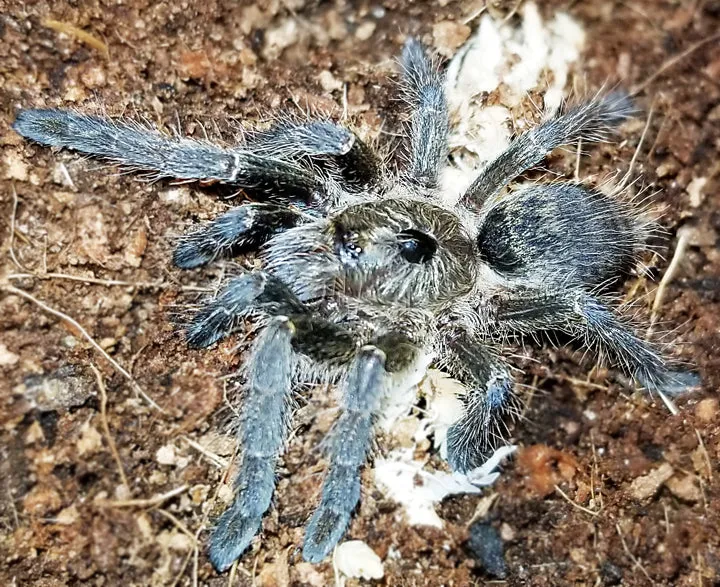
The Horned Baboon Tarantula is easily recognizable by its distinctive horn-like structure on its carapace. Their coloration typically ranges from tan to brown, with darker markings on their legs and bodies. Females are generally larger than males and can reach up to 5-6 inches in leg span. They are covered in dense, brown hairs, adding to their unique appearance. These tarantulas have powerful fangs and possess a potent venom, although their bite is not usually life-threatening to humans. Their appearance and defensive behaviors make them both captivating and a testament to nature’s design. The combination of their unique features makes them a truly stunning species for any enthusiast.
Finding a Horned Baboon Tarantula for Sale
Finding a Horned Baboon Tarantula for sale can be an exciting step towards owning this unique pet. Several avenues are available, including online retailers, local pet stores specializing in exotic animals, and reptile shows. Each option has its pros and cons, so it is essential to research and choose the one that best suits your needs and preferences. Always prioritize the health and well-being of the tarantula. This section guides you through the process of locating healthy, well-cared-for tarantulas to ensure a positive experience.
Where to Buy a Horned Baboon Tarantula
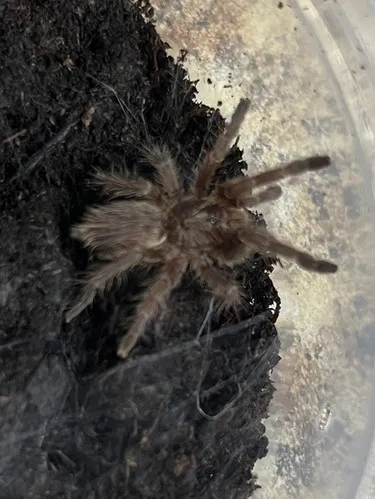
When considering where to buy a Horned Baboon Tarantula, you have several options. Online retailers specializing in exotic pets often have a wide selection and may ship directly to your location. Local pet stores that cater to reptiles and arachnids can be a good choice as you can see the spider in person. Reptile shows are also excellent places to find these tarantulas, as they often feature reputable breeders and offer a chance to speak with experts. Always choose a reputable seller who prioritizes the health and well-being of the animals. Buying from a reliable source reduces the risk of acquiring a sick or poorly cared-for tarantula.
Reputable Breeders and Suppliers
Selecting a reputable breeder or supplier is critical to ensure you receive a healthy and well-cared-for Horned Baboon Tarantula. Reputable breeders are passionate about their animals and prioritize their health and welfare. Look for breeders who are knowledgeable, provide detailed information about their spiders, and are willing to answer your questions. Check for reviews and testimonials to gauge their reputation within the tarantula-keeping community. Avoid sellers who seem evasive or do not readily provide information about the spider’s origins and care. A good breeder will offer support and guidance to help you succeed in keeping your new pet happy and healthy.
What to Look for When Buying
When purchasing a Horned Baboon Tarantula, there are several factors to consider to ensure you choose a healthy specimen. Look for an active tarantula with a robust appearance. Avoid spiders that appear lethargic or have a sunken abdomen, which can indicate dehydration or malnourishment. Check for any signs of parasites, such as mites. Ensure the tarantula has a full set of legs and pedipalps, as missing appendages may indicate previous injuries or molting problems. Ask the seller about the tarantula’s feeding habits and recent molting history. A healthy tarantula will have a good appetite and molted recently. Prioritize a spider that displays its species’ typical behaviors and is housed in clean conditions.
Caring for Your Horned Baboon Tarantula

Caring for a Horned Baboon Tarantula involves providing a suitable enclosure, maintaining appropriate environmental conditions, and offering a balanced diet. These tarantulas are relatively hardy, but they still require specific care to thrive. Understanding the specific needs of this species is essential for providing the best possible environment. By following these guidelines, you can ensure your tarantula lives a long and healthy life. Proper care not only promotes physical health but also enables the spider to exhibit its natural behaviors, contributing to an enriching experience for both you and your pet.
Creating the Perfect Enclosure
The enclosure is the most important aspect of caring for your Horned Baboon Tarantula. A suitable enclosure should provide ample space for the spider to move around, burrow, and feel secure. A ten-gallon tank is a good starting point for adults, while smaller enclosures are suitable for spiderlings. The enclosure must have a secure lid to prevent escape. Ventilation is crucial to maintain air quality and prevent mold growth. The enclosure should also include a substrate that allows for burrowing and provides a natural habitat. Consider adding hides like cork bark or artificial plants to offer the tarantula a place to retreat and feel safe.
Substrate and Habitat Setup
The substrate is the base of your tarantula’s enclosure and should mimic its natural habitat. A mixture of coco fiber, peat moss, and a small amount of vermiculite is a good choice for Horned Baboon Tarantulas. This substrate allows for burrowing and retains moisture, helping to maintain appropriate humidity levels. The substrate should be deep enough for the tarantula to burrow comfortably, typically 4-6 inches. Add a water dish filled with clean water, ensuring it is shallow enough to prevent drowning. Decorations like cork bark, artificial plants, and secure hides provide enrichment and a sense of security for your pet. Regular cleaning and maintenance of the substrate are necessary to prevent the buildup of waste and maintain a healthy environment.
Temperature and Humidity

Maintaining the correct temperature and humidity levels is vital for the health of your Horned Baboon Tarantula. The ideal temperature range is between 75-85°F (24-29°C). You can use a heat mat or a ceramic heat emitter to maintain the correct temperature, but avoid direct heat sources that could burn the tarantula. Humidity levels should be around 60-70%. Monitor the humidity with a hygrometer and adjust by misting the enclosure lightly with water. Proper ventilation is also essential to prevent the build-up of excessive moisture and mold. Consistent monitoring and adjustments are key to providing a comfortable and healthy environment for your tarantula.
Feeding Your Horned Baboon Tarantula
Feeding your Horned Baboon Tarantula properly is crucial for its growth and well-being. These tarantulas are voracious eaters and will readily consume a variety of live insects. Choosing the right food and ensuring proper feeding frequency are important aspects of tarantula care. Providing a balanced diet is essential for promoting healthy growth and vitality. Regularly observing your tarantula’s feeding habits can provide insights into its health and the overall well-being of your pet. Always ensure the food is safe and free from pesticides.
What to Feed Your Tarantula
Horned Baboon Tarantulas primarily eat live insects. Good options include crickets, roaches, mealworms, and dubia roaches. The size of the insect should be appropriate for the tarantula’s size; the prey should be smaller than the tarantula’s abdomen. Gut-load the insects before feeding them to your tarantula. Gut-loading involves feeding the insects a nutritious diet, such as commercial cricket food or fresh vegetables, enriching their nutritional value for your tarantula. This ensures your tarantula receives essential vitamins and minerals. Avoid feeding your tarantula insects that have been exposed to pesticides or are from unknown sources, as these can be harmful.
Feeding Frequency and Amount

The feeding frequency for a Horned Baboon Tarantula depends on its age. Spiderlings should be fed more frequently, usually 2-3 times a week. Adult tarantulas can be fed once a week or every other week. The amount of food should be adjusted based on the tarantula’s appetite. Observe how quickly the tarantula consumes its prey and adjust the size or number of insects accordingly. Remove any uneaten food within 24 hours to prevent the build-up of waste and potential mold growth. Always provide a clean water dish with fresh water available at all times. Overfeeding can lead to obesity, so moderation is important.
Handling and Safety Precautions
Horned Baboon Tarantulas are not typically considered pets to be handled regularly. They are defensive and may bite if they feel threatened. Understanding the potential risks and taking precautions are crucial to ensure your safety and the well-being of the tarantula. Handling should be kept to a minimum and performed only when necessary, such as for enclosure maintenance or health checks. It is important to respect the animal’s natural instincts and to handle it in a way that minimizes stress.
Handling Guidelines
If you must handle your Horned Baboon Tarantula, do so with great care and caution. Handle the tarantula close to the ground or a soft surface to minimize the risk of injury if it falls. Use a soft brush to gently guide the tarantula. Avoid sudden movements or loud noises that could startle the tarantula. If the tarantula appears agitated or raises its front legs in a defensive posture, it is best to leave it alone. Always wash your hands thoroughly before and after handling the tarantula to prevent the spread of germs and potential contamination.
Potential Risks and Bites

While a Horned Baboon Tarantula bite is not usually life-threatening, it can be painful. The bite can cause localized pain, swelling, and muscle cramps. The venom may also cause some allergic reactions in some individuals. If bitten, clean the wound thoroughly with soap and water. Apply a cold compress to reduce swelling and pain. Seek medical attention if you experience severe symptoms or if the pain does not subside. Prevention is the best strategy. Always exercise caution and avoid handling unless absolutely necessary. Being aware of the risks associated with the tarantula can help ensure that you are prepared for potential situations.
Health and Common Issues
Keeping your Horned Baboon Tarantula healthy involves recognizing and addressing any potential health issues promptly. Common problems include dehydration, parasites, and injuries. Regular observation is key to identifying any signs of illness or distress early on. Providing proper care, maintaining the correct environmental conditions, and a balanced diet help minimize the risk of health problems. Consulting with a veterinarian experienced with exotic animals can be beneficial in ensuring the health and well-being of your pet. Early intervention can prevent many health problems from becoming serious.
Recognizing and Treating Common Ailments
Watch for signs of illness, such as lethargy, loss of appetite, or abnormal behavior. Dehydration can be indicated by a wrinkled abdomen; provide a shallow water dish and mist the enclosure if needed. Mites are a common parasite that can infest tarantulas; if you notice mites, isolate the tarantula and treat the enclosure with a mite-specific product. Injuries can occur during molting or handling; provide a clean environment to prevent infection. If you suspect any health issues, consult with a veterinarian. Promptly addressing any signs of illness will enhance your pet’s chance of recovery.
Shedding and Molting
Molting is a natural process in which a tarantula sheds its exoskeleton to grow. Young tarantulas molt more frequently than adults. During molting, the tarantula will typically stop eating and may spend a significant amount of time on its back. Do not disturb the tarantula during molting; this is a vulnerable time. Provide a slightly higher humidity level to assist with the molting process. After molting, the tarantula will be soft and vulnerable until its new exoskeleton hardens. Avoid handling the tarantula during this period. Proper care during molting can help ensure the tarantula’s health.
Breeding Horned Baboon Tarantulas
Breeding Horned Baboon Tarantulas is a rewarding but complex undertaking. It requires specific knowledge and experience. The process involves careful preparation, understanding of the species’ reproductive behavior, and providing appropriate conditions. Breeding can contribute to the conservation of this species and provide other enthusiasts with the opportunity to own a Horned Baboon Tarantula. Successful breeding can be a significant achievement for an experienced keeper. However, it is essential to be well-prepared and to understand the responsibilities involved.
Breeding Basics
To breed Horned Baboon Tarantulas, you need a mature male and female. The female should be well-fed and healthy before mating. Introduce the male to the female’s enclosure, and closely monitor their interactions. If the female is receptive, the male will mate with her. After mating, separate the male to prevent cannibalism. The female will lay eggs in a silk egg sac, which she will protect. You should provide the correct humidity and temperature, as well as remove the egg sac to an incubator. Successful breeding yields spiderlings, which require specialized care, including adequate housing and feeding. Raising the spiderlings demands significant time and resources.
Legal Considerations and Regulations
Before purchasing or selling a Horned Baboon Tarantula, it is important to understand the legal considerations and regulations in your area. Some regions may have restrictions or outright bans on owning exotic animals. You must comply with local, state, and federal laws. Research the regulations in your area to ensure you can legally own and care for the tarantula. Failure to comply with regulations can result in penalties. Proper documentation of the origin of the tarantula may also be required. Complying with these regulations shows your commitment to responsible pet ownership and supports the protection of wildlife.
Where to Buy and Sell Legally
When buying or selling a Horned Baboon Tarantula, always prioritize legal compliance. Purchase from reputable breeders or suppliers who can provide documentation of the tarantula’s origin. Ensure you are following all local, state, and federal regulations. If you plan to sell a tarantula, be sure to comply with all relevant laws regarding the sale of exotic animals. Keeping detailed records of sales and transactions, including documentation of the spider’s origin, can also be helpful. Legal compliance not only keeps you within the law but also supports ethical and sustainable practices in the tarantula-keeping community. Always prioritize responsible and legal ownership.
Owning a Horned Baboon Tarantula can be a fulfilling experience for those passionate about these unique creatures. By following this guide, you have the knowledge needed to buy, care for, and appreciate your Horned Baboon Tarantula responsibly. Remember to always prioritize the health and well-being of your tarantula, and enjoy the fascinating journey of caring for this extraordinary species!