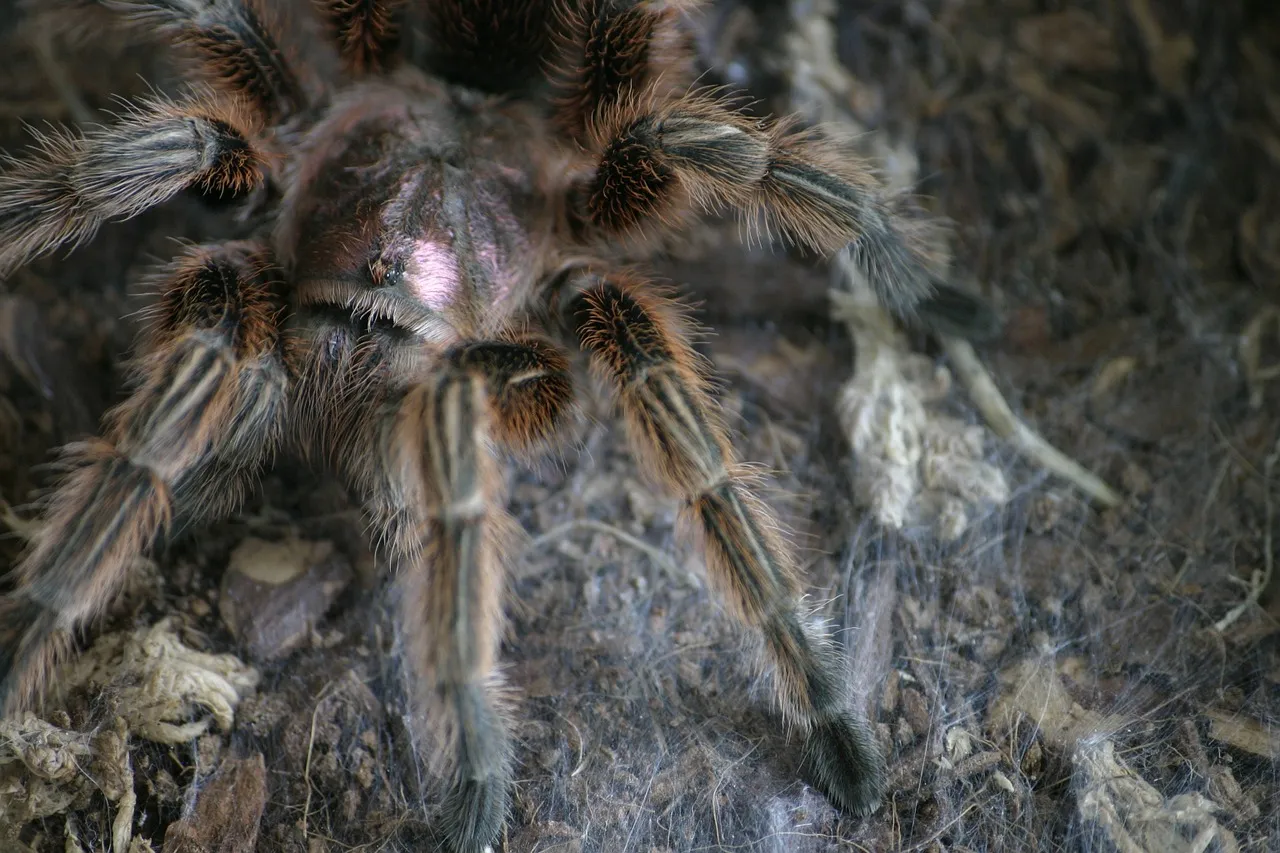
Choosing the Right Chilean Rose Tarantula Habitat
Creating the perfect habitat for your Chilean Rose Tarantula is crucial for its health and well-being. This guide provides a comprehensive overview of setting up and maintaining a suitable environment for your pet. Chilean Rose Tarantulas, known for their docile nature and ease of care, are popular choices for beginner tarantula owners. Understanding their specific habitat needs is the first step toward ensuring a long and happy life for your eight-legged friend. A well-designed habitat mimics their natural environment, allowing them to thrive and exhibit their natural behaviors. From selecting the right terrarium to maintaining optimal temperature and humidity, every detail contributes to a thriving environment. This detailed guide covers all aspects of Chilean Rose Tarantula habitat setup, ensuring you’re well-equipped to provide the best possible care.
Terrarium Size Requirements
The size of the terrarium is a critical factor in the overall well-being of your Chilean Rose Tarantula. While these tarantulas are not particularly active, providing adequate space is essential for them to move around comfortably and feel secure. A good rule of thumb is to provide a terrarium that is at least three times the tarantula’s leg span in length and width. For a juvenile tarantula, a 5-gallon terrarium is often sufficient. As the tarantula grows, you’ll need to upgrade to a larger enclosure. Adult Chilean Rose Tarantulas typically do well in a 10-gallon terrarium or even larger. Consider the vertical space as well, as tarantulas need enough height to move around and to avoid any potential falls that could harm them. A terrarium that is too small can lead to stress, while one that is too large can make it difficult for the tarantula to find its food and feel secure. Therefore, choosing the right size terrarium is important for creating a comfortable and safe environment.
Substrate Selection Guide

The substrate is the bedding material that forms the base of your Chilean Rose Tarantula’s habitat. It serves multiple purposes, including providing a comfortable surface for the tarantula to walk on, helping to maintain humidity, and allowing the tarantula to burrow if it chooses. The best substrate for a Chilean Rose Tarantula is a mix of coco fiber and peat moss. Coco fiber is a natural, eco-friendly substrate that retains moisture well and provides excellent burrowing opportunities. Peat moss also helps to retain moisture and creates a natural environment. Avoid substrates like sand or gravel, as they can be difficult for the tarantula to move through and may not retain humidity effectively. Before adding the substrate to the terrarium, make sure to moisten it slightly. A substrate depth of 2-4 inches is generally sufficient, providing enough space for burrowing and maintaining the proper humidity levels. Regular monitoring and occasional spot cleaning of the substrate will keep the habitat clean and healthy for your tarantula.
Ideal Temperature and Humidity Levels
Maintaining the correct temperature and humidity levels is vital for the health of your Chilean Rose Tarantula. These tarantulas thrive in a temperature range of 70-80°F (21-27°C). You can easily monitor the temperature with a digital thermometer placed inside the terrarium. Avoid placing the terrarium in direct sunlight or near heat sources, as this could cause the temperature to fluctuate. Humidity levels should be maintained between 60-70%. You can measure humidity with a hygrometer. To increase humidity, mist the substrate with dechlorinated water every few days. Avoid over-misting, which can lead to mold growth. Proper ventilation is equally important. Make sure your terrarium has adequate ventilation to prevent the buildup of condensation and to allow for fresh air circulation. By carefully monitoring and adjusting the temperature and humidity, you can create a habitat that mimics the natural environment of your Chilean Rose Tarantula, ensuring its comfort and well-being.
Heating Your Chilean Rose Tarantula Habitat
While Chilean Rose Tarantulas don’t require a lot of heat, it’s important to maintain the correct temperature range, especially in cooler environments. The most effective way to heat a tarantula habitat is with an under-tank heater (UTH). Place the UTH on the side of the terrarium, not underneath, to avoid overheating the substrate. Avoid using heat lamps, as they can dry out the habitat and potentially harm your tarantula. Always monitor the temperature with a thermometer to ensure that the UTH is not overheating the enclosure. If you notice the temperature is too high, you may need to adjust the UTH’s settings or relocate the terrarium. It’s crucial to create a thermal gradient within the enclosure, with one side slightly warmer than the other. This allows the tarantula to regulate its body temperature by moving to the warmer or cooler areas of the habitat. With careful monitoring and proper equipment, you can ensure that your tarantula’s habitat maintains the ideal temperature for its health and comfort.
Maintaining Humidity in Your Habitat

Maintaining the correct humidity levels is essential for the health of your Chilean Rose Tarantula. Low humidity can lead to molting problems and dehydration, while excessive humidity can cause mold growth. The ideal humidity range is between 60-70%. There are several methods to maintain the proper humidity. Misting the substrate with dechlorinated water is the most common method. Mist the substrate every few days, or as needed, to keep it slightly moist. Avoid spraying directly on the tarantula. Providing a water dish is another critical element, as it allows the tarantula to drink and helps to maintain humidity. The water dish should be shallow enough to prevent drowning. Using a hygrometer, you can monitor the humidity levels and make adjustments as needed. If the humidity is too low, mist more frequently. If the humidity is too high, increase ventilation. By carefully monitoring and adjusting humidity, you create a balanced and healthy environment for your tarantula.
Essential Habitat Furnishings
Providing essential furnishings in your Chilean Rose Tarantula’s habitat enhances its well-being and encourages natural behaviors. Include a water dish to provide a source of fresh water and help regulate humidity. Choose a shallow dish to prevent the tarantula from drowning, and refill it regularly. Adding a hide, such as a piece of cork bark or a hollow log, provides a secure place for your tarantula to retreat and feel safe. This is especially important during molting, when tarantulas are most vulnerable. Live or artificial plants can add visual interest and help to maintain humidity. If you use live plants, ensure they are non-toxic and safe for the tarantula. Avoid sharp decorations that could potentially injure the tarantula. The key is to create an environment that is both functional and aesthetically pleasing, giving your Chilean Rose Tarantula a comfortable and enriching habitat.
Hiding Spots
Hiding spots are an important component of a Chilean Rose Tarantula’s habitat, providing security and reducing stress. Tarantulas are naturally reclusive creatures and will often spend most of their time hidden. A hiding spot allows them to feel safe and secure, especially during molting or after eating. Suitable hiding spots can include cork bark, hollow logs, or even commercially available reptile hides. When selecting a hide, make sure it is large enough for the tarantula to comfortably fit inside but not so large that it takes up excessive space in the terrarium. Place the hide in a shaded area of the terrarium to create a more natural environment. Monitoring your tarantula’s use of the hide will give you insights into its behavior and overall well-being. Providing a well-placed hiding spot is a small but significant step in ensuring a comfortable and thriving habitat for your Chilean Rose Tarantula.
Water Dish

A water dish is a necessary element for the health of your Chilean Rose Tarantula, providing a constant source of fresh water and aiding in humidity regulation. Select a shallow water dish to prevent the tarantula from drowning. Ceramic dishes or shallow plastic containers are suitable options. Place the water dish in a stable location within the terrarium, away from the heat source to avoid rapid evaporation. Regularly check and refill the water dish with fresh, dechlorinated water. The frequency of refills depends on the humidity levels and evaporation rate, but it’s best to check and refill the dish daily. A clean and accessible water source is important for maintaining the tarantula’s hydration, which is critical for its health and well-being. A well-maintained water dish contributes significantly to a healthy and balanced habitat for your Chilean Rose Tarantula.
Feeding and Hydration
Feeding your Chilean Rose Tarantula properly is crucial for its health and growth. The diet should primarily consist of insects such as crickets, mealworms, and roaches. The size of the insects should be appropriate for the size of your tarantula. As a general guideline, the prey should be no larger than the tarantula’s body. Feed juvenile tarantulas 2-3 times per week, and adults every 1-2 weeks. Remove any uneaten prey within 24 hours to prevent stress for the tarantula and to maintain a clean habitat. Always ensure your tarantula has access to fresh water, either by providing a water dish or by misting the enclosure. Avoid overfeeding, as this can lead to health problems. A balanced diet and proper hydration are fundamental to keeping your Chilean Rose Tarantula healthy and thriving, and ensure a long and healthy life.
Cleaning and Maintenance of the Habitat
Regular cleaning and maintenance of your Chilean Rose Tarantula’s habitat are essential for its health and well-being. Spot-clean the terrarium weekly by removing any uneaten food, dead insects, and fecal matter. This prevents the buildup of bacteria and maintains a clean environment. Change the substrate periodically, typically every few months, depending on the type of substrate and the size of the enclosure. When changing the substrate, remove all the old substrate and thoroughly clean the terrarium with a mild disinfectant. Rinse the terrarium thoroughly to remove any residue. Ensure that you replace the substrate with fresh, clean materials. Routinely check all furnishings, such as the water dish and hide, and clean or replace them as needed. A clean and well-maintained habitat not only benefits the tarantula’s physical health, but also reduces the risk of disease and promotes a stress-free environment. Regular maintenance also allows you to monitor your tarantula’s behavior and identify any potential health issues early.
Removing Waste and Leftover Food

Efficiently removing waste and uneaten food from your Chilean Rose Tarantula’s habitat is crucial for maintaining a healthy environment. Uneaten food will decompose, promoting mold growth and attracting unwanted pests. Dead insects, fecal matter, and any other waste should be removed regularly, ideally during the weekly spot cleaning. Use a pair of long tweezers to carefully remove any debris from the enclosure. Avoid disturbing the tarantula unnecessarily during cleaning. After removing waste, inspect the area where it was found and, if necessary, replace the substrate. Ensure all waste is disposed of properly. A clean habitat is less likely to harbor bacteria or mites, which are harmful to your tarantula. Regular removal of waste and uneaten food is one of the most important steps in maintaining a healthy and thriving environment for your pet.
Regular Habitat Inspection
Regular inspection of your Chilean Rose Tarantula’s habitat is an important aspect of responsible pet ownership. This allows you to identify any potential problems early and ensures your tarantula’s well-being. During your inspections, check for the following signs: proper temperature and humidity levels, and if they are within the acceptable range, clean substrate, absence of mold or pests, a functional water dish, and the overall condition of the tarantula. Observe the tarantula’s behavior, such as its feeding habits, activity level, and general appearance. Look for any signs of illness or stress, such as lethargy, loss of appetite, or unusual behaviors. If you notice any issues, take immediate action to rectify them. Maintaining a regular inspection routine is critical for identifying potential health problems and creating a healthy and enriching environment for your Chilean Rose Tarantula, contributing to their overall longevity and well-being.