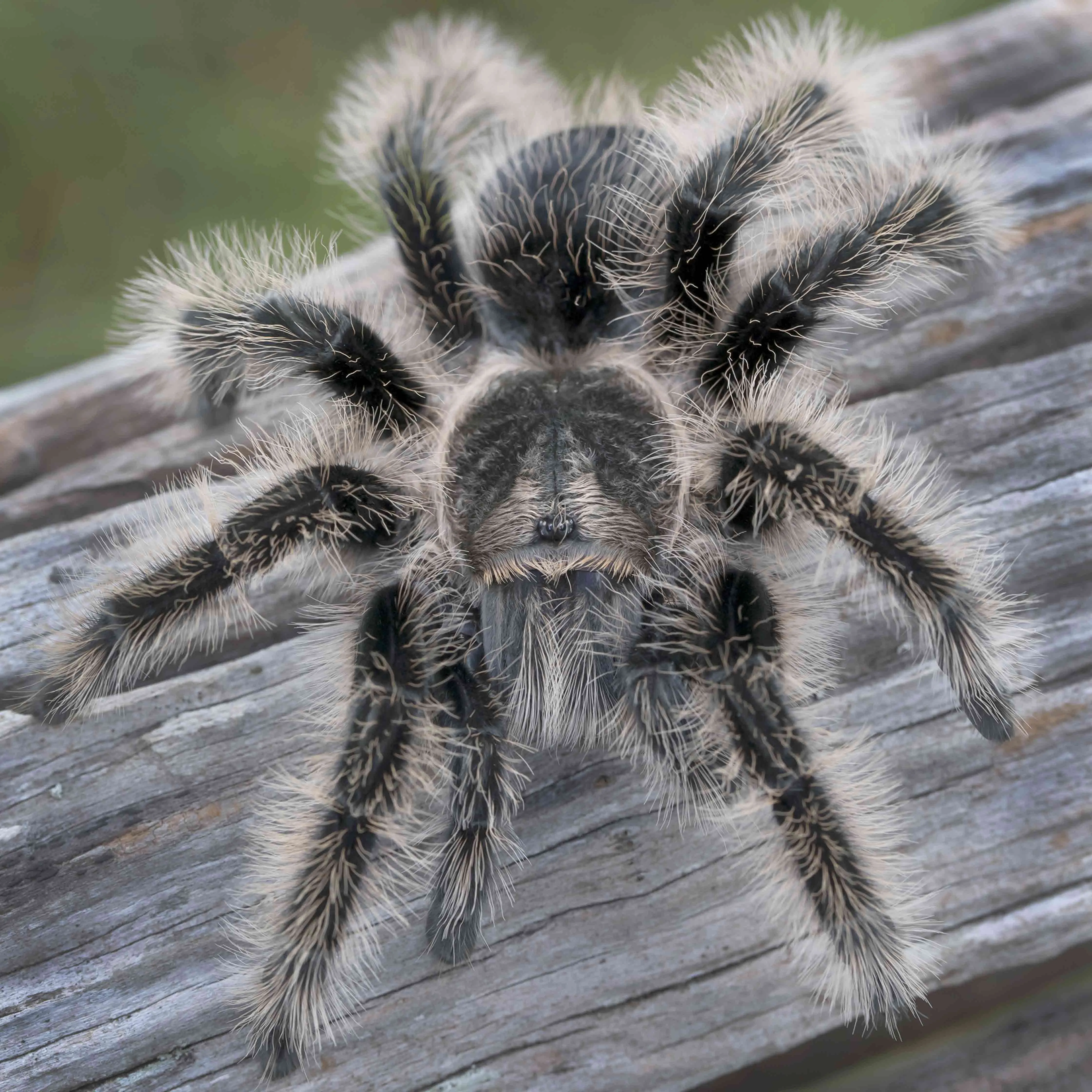
Understanding the Curly Hair Tarantula Lifespan
The Curly Hair Tarantula ( Tliltocatl albopilosus ) is a popular pet known for its docile nature and striking appearance. One of the first questions potential owners ask is, “How long do these fascinating creatures live?” The lifespan of a Curly Hair Tarantula is a crucial aspect of their care, directly impacting the commitment required to keep one as a pet. Understanding the average lifespan and the factors that influence it can help owners provide the best possible care, ensuring their tarantula lives a long and healthy life. The lifespan of a Curly Hair Tarantula can vary, but generally, females live significantly longer than males. This variation is due to several factors, including sex, environmental conditions, and overall health management.
Factors Influencing Curly Hair Tarantula Age
Several factors play a significant role in determining how long a Curly Hair Tarantula will live. These factors range from the tarantula’s sex to its living conditions. Recognizing and managing these elements can drastically impact the tarantula’s longevity. Proper care and understanding of these factors can help maximize your pet’s lifespan, allowing you to enjoy its presence for many years to come. Each factor contributes differently, and it is essential to consider all of them for the best results.
Sexing Your Tarantula Impacts Lifespan

One of the most critical factors influencing the lifespan of a Curly Hair Tarantula is its sex. Sex differences create notable variations in longevity, which is an essential consideration for prospective and current owners. Determining the sex can sometimes be challenging, but it’s a vital part of understanding and planning for your pet’s care. Males and females have distinct life cycles, directly influencing how long they live.
Male Curly Hair Tarantulas
Male Curly Hair Tarantulas generally have shorter lifespans than females. After reaching maturity, which can happen between 1 and 3 years of age, males often live for only a few more years, typically 2 to 3 years. The primary reason for this shorter lifespan is the mating process. Males reach sexual maturity, they develop the ‘hooks’ on their front legs needed to hold the female’s fangs during mating. They then embark on a search for a mate, which consumes a lot of their energy and reduces their lifespan. Post-mating, males often lose their will to eat and eventually die.
Female Curly Hair Tarantulas
Female Curly Hair Tarantulas have significantly longer lifespans compared to males. Females can live for 10 to 20 years or more under optimal conditions. This longevity allows for multiple mating opportunities and egg sac production throughout their lives. Their slower metabolism and generally less stressful lifestyle contribute to their extended lifespan. With the proper care and environment, female Curly Hair Tarantulas can become long-lived companions, providing many years of enjoyment for their owners. Image of a female Curly Hair Tarantula.
Impact of Environmental Factors on Lifespan

The environment in which a Curly Hair Tarantula lives significantly impacts its lifespan. Several environmental factors directly affect their health and longevity. Creating and maintaining the right habitat is crucial for the well-being of your tarantula. These factors include temperature, humidity, and the overall cleanliness of the enclosure. Poor environmental conditions can lead to stress, illness, and ultimately, a shorter lifespan. The environment is something that can be controlled, and so it is imperative to ensure your tarantula has a good living space.
Temperature and Humidity
Temperature and humidity levels are the cornerstones of a healthy Curly Hair Tarantula’s habitat. These arachnids thrive in specific environmental conditions. The ideal temperature range for a Curly Hair Tarantula is between 75 to 85 degrees Fahrenheit (24 to 29 degrees Celsius). Maintaining this temperature is crucial for their metabolism and overall health. Humidity levels should be kept between 60% and 70%. This can be achieved by lightly misting the enclosure once or twice a week, depending on the ventilation and substrate used. Regular monitoring with a hygrometer and thermometer is essential to ensure the environment stays within these parameters, contributing to a longer and healthier life for your tarantula. Maintaining proper temperature and humidity is key.
Diet and Nutrition
A well-balanced diet is fundamental for the longevity of any animal, and Curly Hair Tarantulas are no exception. Their diet should consist primarily of insects, such as crickets, roaches, and mealworms. The size and frequency of feeding should be adjusted based on the tarantula’s size and age. Juvenile tarantulas need to be fed more frequently than adults. It is essential to provide a variety of insects to ensure they receive all the necessary nutrients. Always ensure the insects are gut-loaded (fed nutritious foods) before offering them to your tarantula. Provide fresh, clean water at all times. This ensures a strong and healthy tarantula, able to live out its natural lifespan.
Growth Rate and Molting in Curly Hair Tarantulas

Molting is a natural process for all tarantulas and directly relates to their growth and lifespan. Understanding the molting cycle can help you care for your Curly Hair Tarantula and recognize any potential issues. Molting is the process of shedding their exoskeleton, which allows them to grow. Each molt brings them closer to maturity and influences their overall health. The molting process is a significant event in a tarantula’s life, reflecting its growth stage and health.
How Molting Affects Lifespan
Molting frequency decreases as the tarantula ages. Young tarantulas molt frequently, sometimes monthly. As they mature, the molting frequency reduces to once or twice a year. Each molt takes a toll on the tarantula’s energy, and although necessary for growth, it can make them vulnerable. Proper care during molting, such as maintaining appropriate humidity and not disturbing the tarantula, can reduce stress and ensure a successful molt. Successful molts contribute to a longer lifespan. Poor molts can lead to health issues, such as limb loss or paralysis, shortening their lifespan. A healthy molt is crucial for their longevity.
Signs of a Healthy Molt
Recognizing a healthy molt is essential to ensure your tarantula’s well-being. Before molting, the tarantula usually becomes less active and may refuse to eat. You might notice that their abdomen darkens. The tarantula will then lay on its back. A healthy molt results in a complete shed of the exoskeleton, leaving the tarantula looking fresh and vibrant. The new exoskeleton should be intact and without any deformities. After molting, the tarantula will be vulnerable and should not be disturbed until its new exoskeleton hardens, which can take a few days. Providing a safe and undisturbed environment during the molting process is crucial for the health and longevity of your Curly Hair Tarantula.
Common Health Issues and Lifespan

Like all living creatures, Curly Hair Tarantulas are susceptible to various health issues that can impact their lifespan. Recognizing and addressing these issues early is crucial for ensuring your tarantula’s health. Common health problems include parasites, diseases, and injuries. Prompt veterinary care and preventative measures can make a huge difference in their longevity. Regular observation and proactive care are essential for keeping your tarantula healthy and extending its lifespan.
Parasites and Diseases
Parasites and diseases can significantly impact a tarantula’s health and lifespan. Internal parasites, such as nematodes, can weaken the tarantula. External parasites, like mites, can cause irritation and stress. Fungal infections can also occur, particularly in environments with high humidity. Regular inspection of your tarantula and its enclosure is crucial. Quarantine new tarantulas before introducing them to your existing collection. Consult a vet specializing in arachnids if you suspect any health issues. Addressing these issues promptly can protect your tarantula’s health and extend its lifespan. Prevention is key to avoiding diseases and parasites.
Preventive Care
Preventive care plays a vital role in extending a Curly Hair Tarantula’s lifespan. This includes maintaining a clean environment, providing a balanced diet, and regularly monitoring their health. Keep the enclosure clean by removing uneaten food and feces promptly. Provide a varied diet of gut-loaded insects and fresh water at all times. Regularly check your tarantula for any signs of illness or injury. Quarantine new tarantulas for several weeks before introducing them to existing ones. A proactive approach to care ensures your tarantula remains healthy and can live out its natural lifespan. Proper care and prevention is the best way to ensure a long life.
Lifespan Comparison with Other Tarantula Species

The lifespan of Curly Hair Tarantulas can be compared to other tarantula species. Different species have different lifespans, with variations based on size, origin, and care requirements. Comparing Curly Hair Tarantulas to other popular species provides a broader understanding of the variations. Some tarantulas, like the Chilean Rose Hair, have similar lifespans, while others, such as the Goliath Birdeater, can live even longer. Generally, larger tarantula species tend to have longer lifespans. Understanding these differences helps owners manage expectations and provide suitable care. Comparing the lifespan allows owners to understand their tarantula in context.
Common Myths and Misconceptions About Age
There are many myths and misconceptions about the age and care of Curly Hair Tarantulas. Separating fact from fiction is essential to ensure accurate information. One common myth is that you can easily determine a tarantula’s age. However, it is impossible to know a tarantula’s exact age. Another myth is that all tarantulas are aggressive and dangerous. In reality, Curly Hair Tarantulas are generally docile and make great pets. Knowing the truth can help owners care for their pets with accuracy. Debunking common misconceptions ensures owners have realistic expectations.
Understanding the Curly Hair Tarantula’s lifespan is crucial for any owner. By considering the sex of the tarantula, environmental factors, molting, and preventative care, you can provide the best care for your pet. Remember to debunk common myths and misconceptions to ensure accurate information. Providing a well-maintained enclosure, a balanced diet, and regular health checks will contribute significantly to your Curly Hair Tarantula’s longevity. By following these guidelines, you can enjoy a long and fulfilling relationship with your Curly Hair Tarantula.