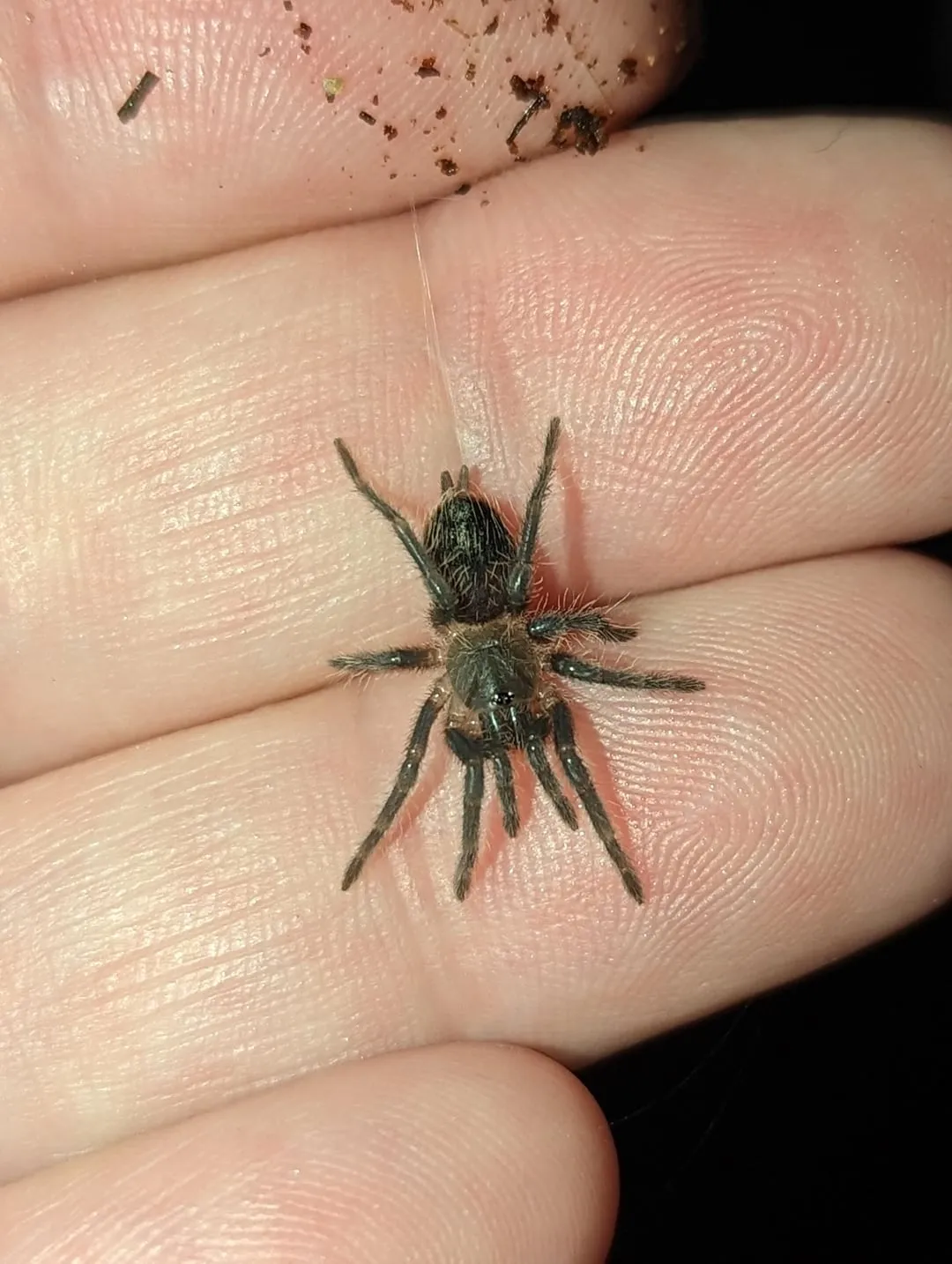
Understanding Curly Hair Tarantula Slings
The curly hair tarantula (Tliltocatl albopilosus) is a popular choice for both beginner and experienced tarantula keepers. Their docile temperament and beautiful appearance, characterized by their fuzzy, light-brown to golden hairs, make them a captivating pet. A sling, which is a juvenile tarantula, requires specific care to ensure healthy growth and development. Understanding the needs of a curly hair tarantula sling is crucial to providing the best possible environment for them to thrive. This guide will provide you with the essential information needed to properly care for these fascinating creatures.
What is a Curly Hair Tarantula Sling?
A tarantula sling is a juvenile tarantula, typically ranging from the size of a dime to a quarter, depending on the species and age. Curly hair tarantula slings are especially small and delicate, necessitating careful attention to their environment. They are in their most vulnerable stage of life, and their care is critical to their survival and long-term health. These young tarantulas are in the process of developing and growing, which means that their needs are different compared to those of an adult tarantula. The slings will regularly molt, shedding their exoskeleton to grow. These molts are a sign of healthy development and are also a good opportunity to examine the tarantula for any problems.
Why Choose a Curly Hair Tarantula Sling?

Choosing a curly hair tarantula sling can be a rewarding experience for several reasons. Firstly, they are relatively easy to care for compared to some other tarantula species, making them suitable for beginners. Secondly, watching a sling grow and develop is fascinating, as you get to witness their transformation from a tiny juvenile to a full-grown adult. The curly hair tarantula is known for its docile nature, which makes it a safer option for new keepers, though it’s essential to handle them with care and respect. They also have a beautiful appearance, with their distinctive, curly hairs creating a visually appealing pet. Moreover, slings are typically more affordable than adult tarantulas. This affordability makes them an accessible option for many potential keepers. This allows you to embark on an exciting journey into the world of tarantulas without a significant initial investment. Additionally, the curly hair tarantula has a decent lifespan, meaning you will have the opportunity to enjoy your pet for several years.
Top 5 Tips for Curly Hair Tarantula Sling Care
Tip 1 Proper Housing Setup
Creating a suitable habitat is the first and arguably most crucial step in caring for your curly hair tarantula sling. The right setup provides them with the necessary environment for their survival and growth. The enclosure should be appropriately sized, providing enough space for the sling to move around without feeling overwhelmed. A clear, secure enclosure is essential for easy viewing and safety. Ventilation is also important, with small holes or mesh to ensure proper airflow without allowing the sling to escape. Ensure the enclosure is escape-proof. The enclosure should be placed in a location away from direct sunlight and drafts.
Choosing the Right Enclosure

For a curly hair tarantula sling, a small, secure container is ideal. A deli cup with air holes, a small plastic terrarium, or a similarly sized container works well. The enclosure should be at least three times the tarantula’s leg span in width. Make sure the container is not too tall, as a fall could injure the sling. The enclosure should have a secure lid to prevent escape. The size of the enclosure should be adjusted as the tarantula grows, graduating to larger enclosures as the spider molts and gets bigger. The enclosure should be easy to clean and maintain, and be made of durable materials that can withstand the tarantula’s behavior.
Substrate Selection
The substrate, or bedding, is another critical aspect of the habitat. The ideal substrate for a curly hair tarantula sling should retain moisture and allow the tarantula to burrow if it chooses. A mix of coco fiber, peat moss, and a bit of vermiculite is excellent for maintaining humidity and providing a natural feel. The substrate should be deep enough for the sling to burrow if desired. Avoid using substrates with sharp or abrasive particles that could injure the tarantula. The substrate should be replaced every few months or as needed to keep the enclosure clean and prevent the build-up of harmful bacteria or mold. Make sure to add a small hide, like a piece of cork bark, to give your sling a place to retreat and feel secure. Remember to maintain a moist substrate, but avoid making it soggy.
Tip 2 Maintaining the Right Temperature and Humidity
Temperature and humidity are vital for the health of your curly hair tarantula sling. They are essential environmental factors that affect your tarantula’s ability to thrive. The sling’s enclosure should be kept at a consistent temperature, ideally between 75°F and 80°F (24°C and 27°C). Use a digital thermometer to monitor the temperature regularly. Maintaining the right temperature helps regulate the tarantula’s metabolism and ensures it can digest its food properly. Avoid placing the enclosure near direct sunlight or a heat source, as this can lead to overheating and potentially harm the sling. Proper ventilation is crucial to prevent the build-up of excessive humidity, and the enclosure should also have appropriate airflow to help maintain the ideal humidity levels.
Monitoring Temperature

Use a reliable digital thermometer to monitor the temperature inside the enclosure. Place the thermometer in a spot where it’s easily visible. Check the temperature at least once or twice a day to ensure it is within the recommended range. If the temperature is too low, you may need to use a low-wattage heat lamp or a heat mat placed on the side of the enclosure. Never place the heat source directly under the enclosure, as this can cause the substrate to dry out too quickly and potentially harm the sling. Make sure your thermometer is accurate, and consider using a thermometer with a probe for more precise readings.
Managing Humidity Levels
Curly hair tarantulas prefer a moderate level of humidity, typically around 60% to 70%. You can monitor the humidity using a hygrometer, a device that measures humidity levels. To maintain the humidity, lightly mist the substrate every few days using a spray bottle with dechlorinated water. Avoid over-misting, as this can lead to the growth of mold and potentially harm the sling. Ensure the enclosure has good ventilation to prevent the humidity from becoming too high. You can also add a small, shallow water dish to help maintain humidity. Regularly check and adjust the humidity levels as needed, considering the ambient conditions and the season. The right humidity level is essential for successful molting.
Tip 3 Feeding Your Curly Hair Tarantula Sling
Feeding your curly hair tarantula sling correctly is crucial for its growth and overall health. They are voracious eaters, but it’s important to offer the right food at the right intervals. Young tarantulas need a consistent diet to grow and molt successfully. Overfeeding can cause the tarantula to become obese, while underfeeding can stunt its growth. Always provide appropriately sized food items, and remove any uneaten food within 24 hours to prevent the build-up of mold or mites.
Appropriate Food Choices

The primary food source for curly hair tarantula slings should be live insects. Small crickets, pinhead mealworms, and flightless fruit flies are excellent choices. The size of the prey should be appropriate for the size of the sling. As a general guideline, the prey should be no larger than the sling’s body. It’s important to gut-load the insects before feeding them to your tarantula. Gut-loading involves feeding the insects nutritious food, such as fruits and vegetables, to enhance their nutritional value. This ensures your tarantula gets a balanced diet. Avoid feeding wild-caught insects, as they may carry parasites or pesticides. Dusting the insects with a calcium and vitamin supplement can also be beneficial, particularly for young, growing slings.
Feeding Frequency
The feeding frequency depends on the sling’s age and growth rate. Generally, a curly hair tarantula sling should be fed two to three times a week. Observe your sling’s behavior to gauge its appetite. If the sling is consistently eating, it might benefit from more frequent feeding. Adjust the feeding schedule according to the sling’s feeding habits and growth. If the sling refuses food, it may be in pre-molt, and you should reduce the frequency. Always remove any uneaten prey within 24 hours to maintain a clean and healthy enclosure. Provide a fresh supply of water at all times to help in the molting process.
Tip 4 Providing Water
Access to fresh water is essential for a curly hair tarantula sling’s survival. Water is crucial for hydration and molting. The water should be readily available at all times, so your sling has continuous access to it. The presence of water also helps in the molting process. Slings can easily become dehydrated, which can be a serious health risk, so ensure your tarantula has a water source at all times. Water is also a critical factor in the success of the molting process, helping your sling to shed its exoskeleton.
Water Dish Options

For a sling, a small, shallow water dish is ideal. A bottle cap, a shallow dish, or a piece of a water gel can work well. It is essential that the water dish is shallow to prevent the sling from drowning. Place a few pebbles or small stones in the dish to give the sling a secure grip and to prevent it from accidentally falling in. Ensure the water dish is stable and does not tip over easily. The water should be clean and fresh, so you should refresh the water every few days. Use dechlorinated water to avoid any harmful chemicals.
Watering Frequency
The water in the dish should be refreshed every two to three days to maintain its cleanliness and prevent bacterial growth. You can also mist the enclosure lightly every few days, especially if the substrate seems dry. Monitor the sling’s behavior for signs of dehydration, such as lethargy or a shriveled abdomen. If you notice these signs, increase the frequency of misting or offer a small amount of water gel. Always remove uneaten water gel to prevent mold. Maintaining the correct humidity levels, in combination with providing fresh water, ensures the sling remains well-hydrated.
Tip 5 Handling and Safety
Handling a curly hair tarantula sling should be kept to a minimum. While they are known for their docile nature, they are still delicate, and improper handling can cause injury. It’s often best to observe your tarantula in its enclosure. If handling is necessary, do so with extreme caution and only when you are comfortable. Understanding and being mindful of the potential risks is crucial to ensuring the safety of both you and your tarantula. Always wash your hands thoroughly before and after handling your tarantula.
Safe Handling Practices

If you need to handle your sling, do so in a secure and contained environment, such as close to the ground or a large container. This will minimize the risk of injury if the tarantula falls. Use a soft brush to gently encourage the tarantula to walk onto your hand. Avoid grabbing or startling the tarantula, as this can cause it to become defensive. Handle the tarantula over a soft surface. Keep your movements slow and steady, and do not make any sudden moves. If the tarantula starts to show signs of stress, such as raising its legs or showing its fangs, gently return it to its enclosure. Remember that tarantulas can be unpredictable. Always prioritize the safety and well-being of your tarantula.
Identifying Potential Hazards
Be aware of the potential hazards involved in handling a tarantula sling. Tarantulas can bite, and though their venom is not typically dangerous to humans, the bite can be painful. They also have urticating hairs on their abdomen, which they can flick at you if they feel threatened. These hairs can cause irritation to the skin and eyes. Avoid touching your face after handling your tarantula or its enclosure. Be mindful of any potential escape routes and ensure the environment is secure. Children should always be supervised when around a tarantula sling. Always be aware of your actions, and be patient.
Common Issues and Solutions
Even with the best care, curly hair tarantula slings can face certain health issues. The ability to recognize and address common problems can improve your pet’s chances of living a healthy life. Monitoring your sling’s behavior and appearance regularly will help you identify any issues early on. Early intervention can often make a significant difference in the outcome. Being prepared and aware of these potential problems is an important part of being a responsible tarantula keeper.
Moulting Problems
Moulting is a natural process for tarantulas, but sometimes, problems can occur. If the sling has difficulty moulting, it may be due to low humidity or a lack of a suitable place to molt. Ensure the humidity levels are appropriate and that the enclosure has a hide or burrow where the sling can molt safely. If the sling appears stuck during a molt, gently assist by misting the enclosure to soften the exoskeleton. Never forcibly remove the exoskeleton, as this can injure the tarantula. If the molt is unsuccessful, and the sling is trapped in its old exoskeleton, it can lead to death. Prevention through proper care is key.
Dehydration
Dehydration can be a serious issue for tarantula slings. Signs of dehydration include a shriveled abdomen, lethargy, and a lack of appetite. To prevent dehydration, ensure that the sling has access to fresh water at all times. If you notice signs of dehydration, increase the humidity in the enclosure by misting the substrate lightly more frequently. Provide a small amount of water gel as an extra water source. If the dehydration is severe, consult with a veterinarian or an experienced tarantula keeper. Catching dehydration early is critical for ensuring the sling’s survival. Making sure the sling has plenty of water is the best way to avoid dehydration.
Conclusion
Caring for a curly hair tarantula sling can be a rewarding experience. By following the top 5 tips and being attentive to the needs of your sling, you can ensure that your pet has a healthy and fulfilling life. Remember that consistency and observation are key. Regularly monitor your sling’s environment, behavior, and health, and make adjustments as needed. With the right knowledge and dedication, you can enjoy the captivating journey of raising these beautiful creatures. Enjoy the process of watching your sling grow and thrive.