Understanding Dallas Tarantulas
Dallas, Texas, a sprawling metropolis, might seem an unlikely place to find these fascinating creatures, but tarantulas thrive in the diverse ecosystems surrounding the city. These large, hairy spiders are a source of both fascination and, for some, apprehension. Learning about Dallas tarantulas involves understanding their species, habitat, and behavior to better appreciate these often-misunderstood arachnids. Whether you are a seasoned nature enthusiast or simply curious about the local wildlife, a basic understanding of these spiders is the first step toward a successful and safe observation experience. This guide provides essential information to help you understand and locate these amazing creatures in their natural environment.
What are Dallas Tarantulas
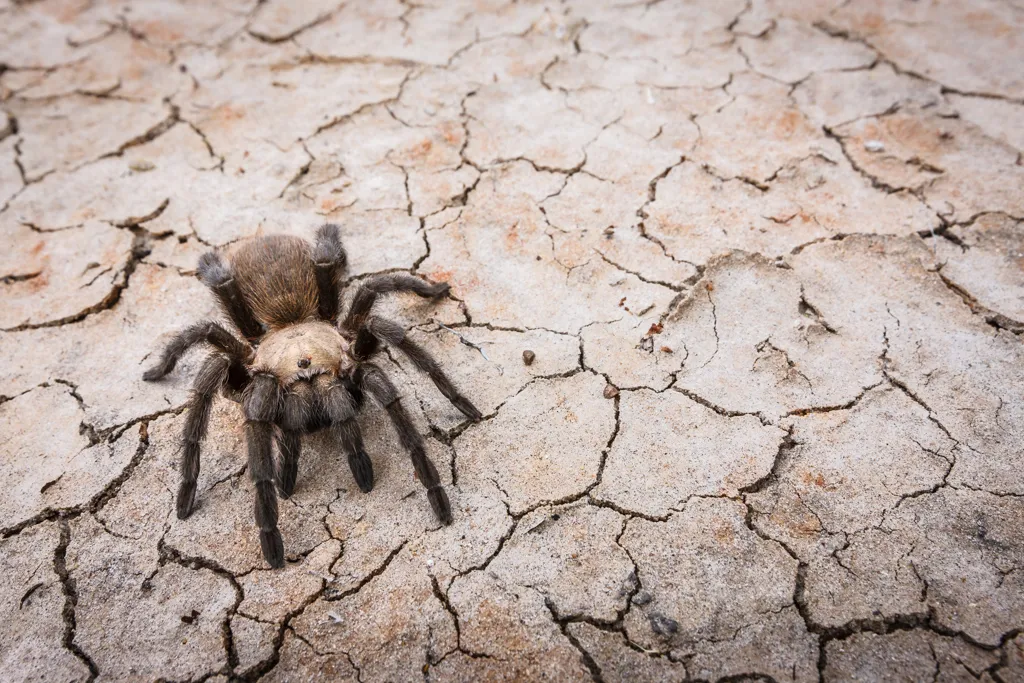
Dallas tarantulas are primarily members of the Theraphosidae family, which includes some of the largest spiders in the world. They are characterized by their large size, with body lengths ranging from 1 to 3 inches, and leg spans that can reach up to 5 inches or more. These spiders are typically brown or black, with varying shades and patterns depending on the species. Unlike some spiders, tarantulas possess a relatively long lifespan, with females often living for over 20 years in captivity. They are nocturnal hunters, primarily preying on insects, but can also consume small vertebrates like lizards and rodents. Their impressive size and distinct appearance make them easily identifiable among the local arachnid population.
Common Species in Dallas

While several tarantula species may be found in Texas, the most commonly encountered in the Dallas area is the Texas Brown Tarantula (Aphonopelma anax). This species is well-adapted to the local climate and habitat, making it a frequent sight for those who venture into suitable environments. Another less common species is the Oklahoma Brown Tarantula (Aphonopelma hentzi). These spiders are well-suited to the area’s conditions. Knowing the common species allows you to better identify them in the wild and learn more about their specific behaviors and needs. Observing these spiders offers a great opportunity to witness unique aspects of the region’s biodiversity.
Habitat and Behavior
Dallas tarantulas are primarily terrestrial, meaning they live on the ground. They often create burrows in the soil, which they use as a refuge from predators and the elements. These burrows can be found in various habitats, including grasslands, woodlands, and even suburban areas with suitable soil. Tarantulas are generally solitary creatures, with the exception of mating season. They are ambush predators, waiting patiently near their burrows for unsuspecting prey to pass by. Their diet primarily consists of insects, which they subdue with a combination of venom and their powerful fangs. Understanding their habitat and hunting behavior is crucial for locating them.
Where to Find Tarantulas in Dallas
Finding tarantulas in Dallas requires knowing where to look. While they can sometimes be found in unexpected places, certain locations offer better chances of spotting them. The ideal environments provide suitable habitats, with appropriate soil conditions for burrowing and an abundance of prey. Timing your search to coincide with their active periods further increases your chances of success. Exploring the diverse ecosystems within and around Dallas allows for a better understanding of their natural behaviors. Observing them in their native habitats is a rewarding experience for any nature enthusiast, but safety always comes first.
Best Locations for Tarantula Spotting

Several locations around Dallas provide excellent opportunities for tarantula spotting. These areas typically offer the right combination of habitat and prey availability, which draws these spiders to thrive. Identifying and visiting these environments enhances the chances of encountering these fascinating creatures in their natural environment. Exploring these areas allows for a deeper understanding of their life cycles and behaviors, making for a more rewarding and enriching experience for all.
Parks and Natural Areas
Parks and natural areas on the outskirts of Dallas are often excellent places to begin your search. These locations typically have undisturbed habitats with suitable soil and abundant insect populations, providing ideal conditions for tarantulas to thrive. Some of the parks that are known to have tarantula sightings include areas with grassland and woodland ecosystems. Remember to stay on marked trails and to observe from a distance to minimize any disturbance to their natural behavior. Parks and natural areas not only offer a chance to see these spiders but also allow you to appreciate the local flora and fauna of Texas.
Backyard Habitats
Surprisingly, tarantulas can sometimes be found in suburban backyards, especially those that border natural areas or have unkempt patches of vegetation. If your backyard has a sandy or loamy soil, there is a chance a tarantula may create a burrow there. Look for small holes in the ground, often with silk webbing around the entrance. Avoid disturbing these areas and teach children about these spiders. These backyard habitats can provide valuable insights into the adaptability of these spiders, even within developed environments. Always maintain a safe distance and do not attempt to handle any tarantulas you might encounter.
Time of Year and Day

The best time to spot tarantulas is during their active seasons, which often coincide with specific times of year and even the time of day. Understanding these patterns is key to maximizing your chances of finding these creatures. By coordinating your searches with their peak activity periods, you can significantly increase the likelihood of observing them in their natural habitats.
Optimal Timing for Observation
The prime time for tarantula sightings in the Dallas area is typically during the late summer and early fall, often coinciding with their mating season. During this period, males are actively roaming in search of mates, making them more visible. They usually become more active in the evening as temperatures cool, which is when they are most likely to be spotted. Be aware of weather conditions and consider planning your excursions during calmer, drier days. The combination of the right season and time of day offers the best chances to observe these spiders in their natural behavior.
Daytime vs Nighttime Activity
Tarantulas are primarily nocturnal creatures, so they are most active at night. During the day, they tend to remain in their burrows to avoid the heat and predators. However, during the mating season, male tarantulas might be seen moving during the day as they search for mates. The best time to spot them is often after dusk or before dawn when the temperatures are more moderate and their activity levels increase. Using a flashlight can help you find them, but it’s important to use it cautiously to avoid disturbing their behavior.
Tips for Safe Tarantula Observation

While observing tarantulas can be an exciting experience, it is crucial to prioritize safety. These spiders are not aggressive, but they can bite if they feel threatened. Following some simple guidelines can ensure a safe and enjoyable experience for everyone involved. Always remember to observe them from a safe distance and to respect their environment. Understanding the risks associated with tarantulas and taking the necessary precautions is important for both your safety and the well-being of the spiders.
What to Bring
When planning a tarantula observation trip, it is important to pack appropriate gear. A reliable flashlight is essential, especially for nighttime observation. Sturdy shoes are necessary to protect your feet and ankles. Long pants and sleeves can help protect you from potential bites. It is also helpful to bring a field guide to identify the different species. A camera is great for capturing your sightings. Pack water and snacks, and let someone know your plans. Preparation enhances your experience and ensures a safe and enjoyable outing.
Safety Precautions
Always maintain a safe distance from tarantulas and never attempt to handle them. Their bite can be painful, and some individuals may experience an allergic reaction. Be aware of your surroundings and watch out for potential hazards. Avoid areas known to have high tarantula populations if you are uncomfortable with spiders. If you are bitten, seek medical attention, and wash the affected area with soap and water. Teaching children about tarantulas can help them understand and respect these creatures. Remember to keep a safe distance. Always prioritize your safety.
Respecting Their Habitat

When observing tarantulas, it’s important to respect their habitat. Avoid disturbing their burrows or the surrounding vegetation. Leave no trace of your visit by packing out all trash. Stay on marked trails to minimize your impact on the environment. Remember that tarantulas play an important role in the ecosystem, and their survival depends on the preservation of their natural habitat. Being mindful of these simple practices helps to protect these fascinating creatures for future generations.
Additional Resources
To learn more about tarantulas and their behavior, consider exploring additional resources. The Dallas County website, as well as local universities, often provide valuable information about regional wildlife. Books and field guides on spiders can help with identification and understanding their life cycles. Local nature centers and environmental organizations often host educational programs and guided walks. Online resources, such as scientific journals and wildlife databases, offer detailed information about specific species. Continuing your research and learning more about tarantulas can enhance your appreciation for these fascinating creatures and their vital role in the local ecosystem.