Do Pet Tarantulas Bite? The Truth
The question of whether pet tarantulas bite is a common one for both potential and current owners. The answer, in short, is yes, tarantulas can and do bite. However, the frequency and severity of these bites are often misunderstood. Understanding the circumstances that lead to a tarantula bite, along with the nature of their venom and the best ways to prevent bites, is essential for anyone considering keeping these fascinating creatures as pets. This guide will explore the intricacies of tarantula bites, providing valuable insights for responsible pet ownership and ensuring a safe and enjoyable experience with these amazing arachnids. We will cover everything from the mechanics of a bite to the best practices for handling and habitat creation, helping you become a well-informed tarantula keeper.
Tarantula Bite Facts
Tarantulas, despite their intimidating size and appearance, are generally not aggressive creatures. They are more inclined to flee or use other defensive tactics before resorting to biting. However, when threatened or provoked, they will bite as a last resort. It’s important to differentiate between a bite and other defensive behaviors, such as flicking urticating hairs (tiny, irritating hairs) from their abdomen, which is a more common defense mechanism. Bites are usually a result of feeling cornered, mishandling, or misinterpreting the tarantula’s body language. Learning to read these cues is crucial in preventing bites. The experience of a bite can vary, depending on the species of tarantula and the individual’s sensitivity to the venom.
The Mechanics of a Tarantula Bite

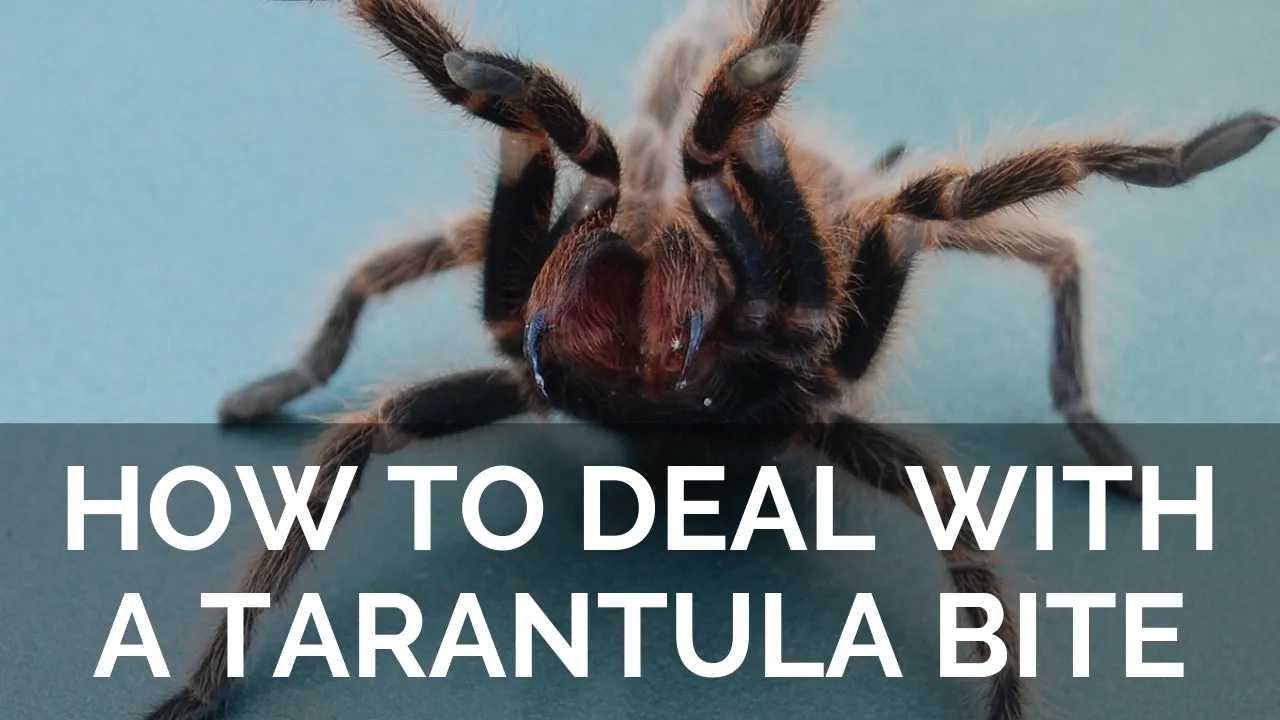
Tarantulas possess two fangs, or chelicerae, which are used to inject venom into their prey or, in defense, into a perceived threat. These fangs are typically quite large and designed for piercing. The fangs of some tarantula species can be surprisingly long. The tarantula’s bite involves the fangs penetrating the skin, delivering venom. The depth of penetration and the amount of venom injected can vary depending on the size of the tarantula and the circumstances of the bite. The mechanics of a bite are a rapid and precise action, designed to incapacitate the target. The bite itself is more of a puncture wound than a tearing action.
How Tarantulas Use Their Fangs
Tarantulas use their fangs primarily for two purposes capturing prey and self-defense. When hunting, they inject venom to paralyze or kill their prey, making it easier to consume. In self-defense, the fangs are used when the tarantula feels threatened and cannot escape. This is a last resort, used when other defensive behaviors, like fleeing or flicking hairs, have failed. Tarantulas don’t bite indiscriminately; they are more likely to bite if they feel trapped, squeezed, or otherwise directly threatened. Their bite is a calculated action reserved for situations where they feel their survival is at stake.
Venom and Its Effects
Tarantula venom is primarily designed to subdue prey, not to inflict serious harm on humans. The effects of a bite typically vary depending on the species of tarantula, the amount of venom injected, and the individual’s sensitivity. Common symptoms include localized pain, redness, and swelling at the bite site. Some individuals may experience muscle cramps, itching, or in rare cases, more severe reactions. It’s important to note that tarantula venom is not generally considered life-threatening to humans, unlike the venom of some other arachnids. However, it is always best to seek medical attention if you experience a severe reaction or any unusual symptoms after a bite.
Is Tarantula Venom Dangerous?

The danger associated with tarantula venom is generally low. While a bite can be painful and cause localized discomfort, serious complications are rare. The venom is not potent enough to cause significant systemic effects in most people. Allergic reactions are possible, as with any insect bite or sting, and can potentially be more serious, but these are uncommon. The primary concern with a tarantula bite is often the potential for infection if the wound is not properly cleaned and cared for. The overall risk to human health from a tarantula bite is relatively low, making them manageable pets for those who understand their care and behavior.
Top 5 Facts About Tarantula Bites
Fact 1 Frequency of Bites
Tarantulas do not bite frequently. They are more likely to exhibit defensive behaviors such as fleeing or flicking urticating hairs. Bites typically occur when the tarantula feels threatened, such as when it is mishandled, startled, or trapped. Responsible handling and providing a secure habitat can significantly reduce the chance of a bite. Keeping a tarantula is generally a low-risk endeavor as long as the owner is educated and respectful of the animal’s needs and boundaries.
Fact 2 Tarantula Temperament

Most tarantulas are not inherently aggressive. Their temperament can vary by species, with some being more docile than others. A tarantula’s temperament can also be influenced by its environment and individual personality. Proper handling techniques, understanding the tarantula’s body language, and providing a stress-free environment are essential for maintaining a safe interaction. It’s crucial to research the specific species before acquiring a tarantula to understand its temperament and potential behaviors. Patience and a gentle approach are key to interacting with these creatures.
Fact 3 Defensive Behaviors
Before biting, tarantulas often display various defensive behaviors. These can include raising their front legs, rearing up, hissing, or flicking urticating hairs. Recognizing these behaviors is crucial, as they are warnings that the tarantula feels threatened and could potentially bite. If a tarantula displays these behaviors, it is important to back off and avoid any further interaction. Understanding these defensive signals allows owners to prevent bites by respecting the tarantula’s boundaries and avoiding actions that could be perceived as a threat. These behaviors are the tarantula’s way of saying ’leave me alone'.
Fact 4 Pain Level of a Bite
The pain level of a tarantula bite can vary, but it is often compared to a bee sting or a wasp sting. The pain is usually localized to the bite site and may be accompanied by redness, swelling, and itching. The severity of the pain depends on several factors, including the size of the tarantula, the amount of venom injected, and the individual’s sensitivity. While the pain can be uncomfortable, it is usually short-lived and does not require extensive medical treatment. Most bites heal on their own with proper care, such as cleaning the wound and monitoring for signs of infection.
Fact 5 Bite Prevention

The best way to prevent a tarantula bite is to handle the tarantula with care and respect. Avoid handling if not necessary, and always be gentle when interacting with the spider. Never try to grab or corner a tarantula. Make sure the enclosure is secure, and the tarantula feels safe and secure in its environment. Avoid sudden movements or loud noises. Provide a spacious, enriching habitat that meets the tarantula’s needs. Always wash your hands before and after handling. If a bite occurs, remain calm, clean the bite area with soap and water, and monitor for any signs of an allergic reaction or infection.
Handling and Interaction Best Practices
If you must handle your tarantula, do so with caution. The best way to handle a tarantula is to coax it onto your hand, rather than grabbing or forcing it. Gently encourage the tarantula to walk onto your open palm. Handle the spider over a soft surface, such as a bed or a rug, to minimize any potential harm if it falls. Avoid handling the tarantula unless necessary, such as for enclosure cleaning or health checks. Never handle a tarantula if it’s showing defensive behaviors. Be patient and allow the tarantula to move at its own pace. Handling should always be a controlled and safe experience, for both the owner and the tarantula. Never underestimate the strength of their grip.
Creating a Safe Habitat for Your Tarantula
A well-designed habitat is crucial for the safety and well-being of your tarantula and will significantly reduce the risk of bites. The enclosure should be the appropriate size for the species, with secure ventilation. Provide a substrate that allows the tarantula to burrow or hide, depending on its natural behaviors. Include hides, such as cork bark or artificial plants, to give the tarantula a place to retreat and feel secure. Maintain the correct temperature and humidity levels for the species. Regularly clean the enclosure and provide fresh water. A comfortable and secure environment will keep your tarantula less stressed and less likely to bite. A happy tarantula is a less defensive tarantula.
Minimizing Bite Risks

Minimizing the risk of a tarantula bite involves a combination of responsible pet ownership, education, and careful handling practices. Always research the specific species of tarantula you have or plan to get, understanding their temperament and needs. Avoid handling unless necessary, and if you must, do so with patience and gentleness. Create a secure and enriching habitat that meets the tarantula’s needs. Be aware of defensive behaviors and respect the tarantula’s boundaries. Handle the tarantula over a soft surface. Always wash your hands before and after handling. By following these guidelines, you can create a safe and rewarding experience for both you and your tarantula.