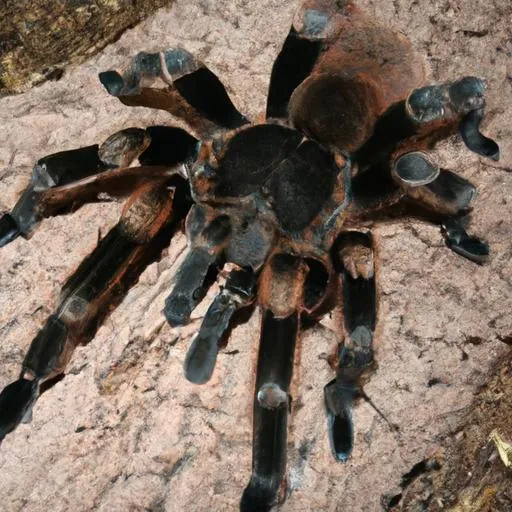
What Makes a Tarantula ‘Fast’?
The world of tarantulas is filled with fascinating creatures, and one aspect that often sparks interest is their speed. But what exactly defines a ‘fast’ tarantula? It’s not just about how quickly they can cover ground; it’s a combination of factors. Speed in tarantulas is essential for hunting, evading predators, and generally navigating their environment. Their speed is influenced by a variety of elements, encompassing their physical structure, the environment they inhabit, and their specific behaviors. Examining these elements gives us a comprehensive understanding of what contributes to a tarantula’s ability to move quickly, making it a topic of interest for both arachnid enthusiasts and scientists alike. Understanding what makes a tarantula quick helps us appreciate the diversity and adaptability of these remarkable creatures.
Factors Influencing Tarantula Speed
Several factors play a crucial role in determining a tarantula’s speed. The size and build of a tarantula influence its speed significantly. Larger tarantulas, while powerful, might not be as agile as smaller species. The structure of their legs is also essential. Longer legs can cover more ground with each stride, contributing to higher speeds. The terrain they live on affects their speed. Tarantulas that live on smooth surfaces might be faster than those in rough, uneven habitats. Temperature also affects their speed. Like other cold-blooded animals, tarantulas move faster in warmer environments because heat boosts their metabolism. Humidity can also affect their speed, as they can move faster on dry surfaces. These environmental elements interact with the tarantulas’ physical traits to determine how quickly they can move, making their speed a sophisticated characteristic shaped by nature.
Species on the List

While pinpointing the absolute fastest tarantula species can be difficult due to varying research methodologies and environmental factors, some tarantulas are consistently noted for their impressive speed. These species have adapted to their environments in ways that allow them to move quickly, whether it’s for hunting prey or fleeing from potential dangers. Their ability to move rapidly is a key factor in their survival and success in their respective habitats. The following list provides insight into some of the fastest tarantula species known, highlighting their unique adaptations and characteristics that contribute to their swiftness.
1. Goliath Birdeater’s Speed
The Goliath birdeater (Theraphosa blondi) is one of the largest tarantulas in the world, but it’s not typically known for its speed. While it might not win any races, its impressive size and power shouldn’t be underestimated. These tarantulas rely more on their size and venom for defense rather than speed. Their primary defense strategy is to use urticating hairs to ward off predators. They are capable of moving relatively quickly over short distances when necessary, especially when hunting or feeling threatened. However, due to their large size and weight, they are not among the fastest tarantula species. The Goliath birdeater’s size is an amazing characteristic of this giant arachnid, making it an interesting creature to study and admire.
2. The Pinkfoot Goliath Tarantula
The Pinkfoot Goliath Tarantula (Theraphosa apophysis) is a giant tarantula species that, like the Goliath birdeater, is known for its size and presence. While not particularly known for its record-breaking speed, the Pinkfoot Goliath can move with surprising agility when threatened or hunting. Its overall speed is moderate compared to other tarantula species, but its size and powerful legs allow it to move swiftly when it needs to. Like other large tarantulas, their speed isn’t their primary defense; they depend on their size, defensive hairs, and bite. The Pinkfoot Goliath Tarantula’s moderate speed, combined with its size, contributes to its ability to survive in its natural habitat.
3. Tiger Rump Tarantula Speed

The Tiger Rump Tarantula (Psalmopoeus irminia) is a fascinating species, often noted for its vibrant coloration and relatively higher agility than many other tarantulas. Their body structure and leg length contribute to their capacity for quick movement. Tiger Rump tarantulas are known to be opportunistic hunters. They are agile and can move quickly when hunting or defending themselves. Their speed, combined with their agility, makes them effective predators, allowing them to catch prey with surprising efficiency. The Tiger Rump Tarantula’s combination of speed and agility is a crucial element of its hunting and survival strategies. This species is interesting to observe due to its speed.
4. Cobalt Blue Tarantula Speed
The Cobalt Blue Tarantula (Cyriopagopus lividus) is another species known for its speed, alongside its eye-catching metallic blue coloration. They are relatively quick and agile, with leg structure contributing to their speed. The Cobalt Blue tarantula exhibits this speed both when hunting and when fleeing from potential threats. They are often found in burrows and are very defensive if they feel threatened. Their ability to move quickly helps them secure food and escape danger. The combination of speed and defensive behavior makes the Cobalt Blue Tarantula a species of considerable interest to both enthusiasts and researchers.
5. Chilean Rose Tarantula
The Chilean Rose Tarantula (Grammostola rosea) is a very common species in the tarantula trade, often considered a beginner-friendly tarantula due to its docile nature and relatively slow speed. While they aren’t the fastest, they do move with a reasonable pace. They are more deliberate in their movements compared to some other, faster species. Chilean Rose Tarantulas are more likely to rely on their size and defensive hairs for protection rather than speed. They have a calm temperament. Their moderate speed, coupled with their other characteristics, contributes to their overall appeal as a pet.
Other Considerations

Beyond the species discussed, many other factors affect tarantula speed. Analyzing their habitats, diets, and defensive behaviors provides deeper insight into their varying speeds. These elements, together, offer a complete understanding of what contributes to a tarantula’s ability to move at different speeds.
Habitat and Speed
The environment in which a tarantula lives significantly influences its speed. Tarantulas that inhabit open areas or those that are terrestrial may have developed higher speeds for hunting and defense. Arboreal species, which live in trees, may prioritize agility over outright speed, as they need to navigate vertical environments. The type of terrain, such as rocky surfaces or sandy areas, also affects a tarantula’s ability to move quickly. Thus, the habitat not only influences the speed but also the other aspects of the tarantula’s behavior and overall characteristics.
Diet and Speed
A tarantula’s diet can indirectly influence its speed. Well-fed tarantulas may have more energy for movement. However, an overfed tarantula might be slower because of its size. The availability of food in their environment also affects the hunting behaviors of these creatures. Species that need to chase fast-moving prey might evolve greater speeds, while those that prey on slower organisms might prioritize other attributes. Therefore, the diet is an important part of a tarantula’s overall speed and movement capabilities.
Defensive Behavior and Speed

The defensive behaviors of a tarantula can significantly affect its speed. Some species rely on speed to escape threats. Others may employ a combination of speed, biting, and releasing urticating hairs for defense. Those that use speed as a primary defense mechanism tend to be quicker and more agile. The defensive approach of the tarantula is intertwined with its speed, contributing to the creature’s survival strategies. The speed is critical to the tarantula’s capacity to fend off predators and protect itself.
Conclusion
Understanding the fastest tarantula species requires considering numerous factors, including their physical characteristics, environment, and behavior. While some tarantulas exhibit impressive speed, it’s essential to remember that speed is just one aspect of their survival strategies. From the Goliath Birdeater to the Cobalt Blue Tarantula, each species has unique adaptations that allow it to thrive in its environment. Further research and observation will continue to reveal more about the fascinating world of tarantula speed and the diverse ways these creatures have adapted to their habitats. Learning about these remarkable creatures deepens our appreciation of their remarkable survival strategies.