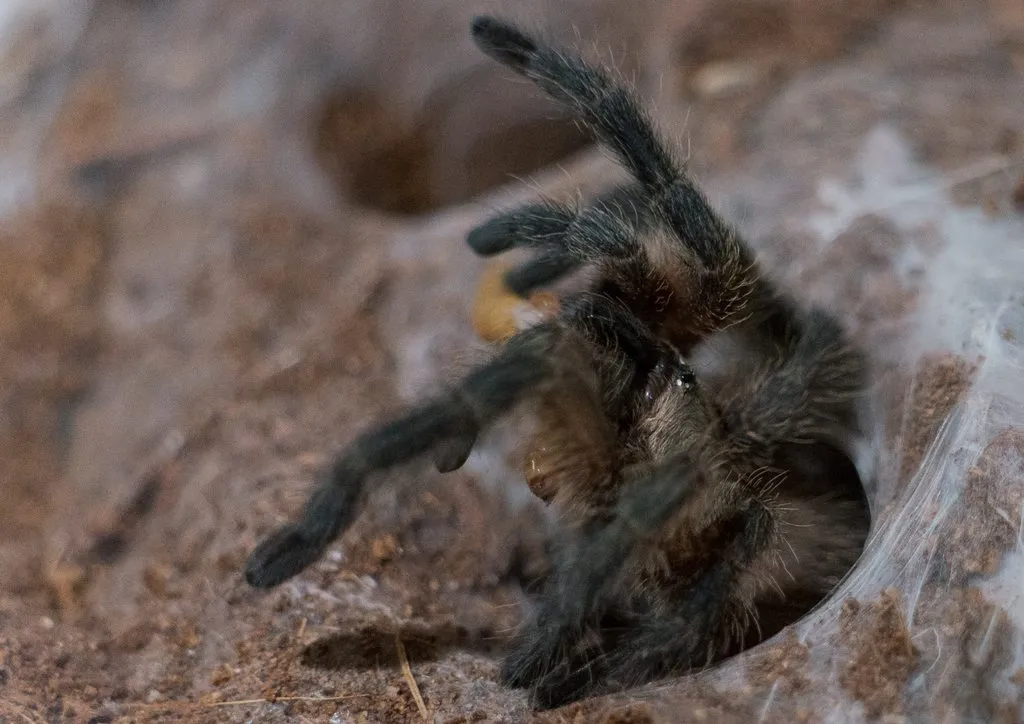
Gigas Tarantula Feeding Fact 1: Prey Selection
Feeding your Gigas Tarantula correctly is fundamental to its health and longevity. One of the most crucial aspects of Gigas Tarantula feeding is prey selection. Providing the right food not only satisfies its predatory instincts but also ensures it receives the essential nutrients for growth, molting, and overall well-being. This involves understanding the types of insects suitable for consumption, their nutritional value, and the potential risks associated with each type. Always prioritize variety and quality when selecting prey to keep your Gigas Tarantula thriving.
Appropriate Prey Sizes
The size of the prey is a critical factor in Gigas Tarantula feeding. As a general rule, the prey should be no larger than the tarantula’s body, excluding the legs. For spiderlings, this means small, flightless fruit flies or pinhead crickets. As the tarantula grows, the prey size can be gradually increased to match. Juvenile tarantulas can handle small crickets, mealworms, and roaches. Adult Gigas Tarantulas can consume larger prey, such as adult crickets, dubia roaches, or even small, pre-killed mice occasionally. Overfeeding or offering prey that is too large can lead to stress, regurgitation, or even injury to your tarantula. Carefully monitor the tarantula’s feeding behavior and adjust the prey size accordingly.
Nutritional Value of Different Prey

Different types of prey offer varying nutritional profiles. Crickets, a staple food, provide a good source of protein. Roaches, such as dubia roaches, are known for their high protein and low-fat content, making them an excellent choice. Mealworms, while nutritious, are higher in fat and should be offered in moderation. It’s beneficial to gut-load the insects before feeding them to your tarantula. This involves feeding the insects nutritious foods, such as fruits, vegetables, and commercial insect food, to enhance their nutritional value. This ensures your tarantula gets a more balanced diet. Variety is also important as a sole diet can lead to nutritional deficiencies.
Live vs. Pre-Killed Prey
The debate between live and pre-killed prey is a common one in Gigas Tarantula feeding. Live prey stimulates the tarantula’s natural hunting instincts and provides exercise. However, there’s a risk of injury to the tarantula if the prey fights back, especially with larger insects. Pre-killed prey eliminates this risk and is often a good option for newly molted tarantulas or those that are more hesitant to eat. When using pre-killed prey, ensure it is fresh and has not been exposed to pesticides. Gently offer the prey to the tarantula using tongs and monitor its feeding response. Ultimately, the choice depends on the tarantula’s preferences and the keeper’s comfort level.
Gigas Tarantula Feeding Fact 2: Feeding Frequency
The frequency of Gigas Tarantula feeding depends on its age and growth stage. Overfeeding can lead to obesity and health problems, while underfeeding can stunt growth. Understanding the appropriate feeding schedule is essential for maintaining a healthy tarantula. The tarantula’s abdomen size is a good indicator of its feeding needs; a plump abdomen is a sign that it has enough food. Adjust the feeding schedule based on its overall health and appetite.
Feeding Schedule for Spiderlings

Spiderlings, being in their growth phase, require more frequent feeding. Feed spiderlings about every other day. Offer them small, flightless fruit flies or pinhead crickets. Ensure that the prey is of appropriate size, to prevent stressing the spiderling. Monitor for uneaten prey and remove it to prevent mold growth and potential harm to the spiderling. Always provide a shallow water dish with fresh, clean water.
Feeding Schedule for Juveniles
Juvenile Gigas Tarantulas should be fed approximately every 4-7 days. The frequency can depend on their activity level and appetite. Offer appropriately sized crickets, mealworms, or roaches. Ensure that the abdomen is not constantly overly full, as this can lead to health problems. Regular observation will help determine the optimal feeding frequency for your juvenile tarantula. Ensure a supply of fresh water is always available.
Feeding Schedule for Adults
Adult Gigas Tarantulas should be fed less frequently, typically every 7-14 days, as their metabolism slows down. The frequency will depend on their individual needs and appetite. Offer adult crickets, dubia roaches, or pre-killed mice. Monitor their abdomen size and adjust feeding frequency as needed. Overfeeding adult tarantulas can lead to decreased activity and health issues. Remove uneaten prey after 24 hours. Continue to provide a water dish with fresh, clean water at all times.
Gigas Tarantula Feeding Fact 3: Handling & Safety

When handling your Gigas Tarantula or interacting during feeding, safety is paramount. While Gigas Tarantulas are generally docile, caution should always be exercised. Understanding safe handling techniques, recognizing signs of stress, and knowing how to avoid bites will help ensure a safe and stress-free experience for both you and your tarantula. This will enhance your ability to safely feed your tarantula and maintain its well-being.
Safe Handling Techniques
If handling is necessary, use extreme caution. Gently coax the tarantula into a container or allow it to walk onto your hand slowly. Avoid sudden movements and be aware of your surroundings to prevent accidental falls. Handle your tarantula over a soft surface, such as a bed or carpet, to minimize injury if it falls. Always wash your hands thoroughly before and after handling your Gigas Tarantula.
Recognizing Signs of Stress
Tarantulas exhibit certain behaviors that indicate stress. These include raising their front legs, flicking hairs, or attempting to flee. If your tarantula displays any of these signs, stop handling immediately and gently return it to its enclosure. Stress can be caused by various factors, including improper handling, environmental changes, or the presence of threats. Recognizing and responding to these signs can prevent injury to both the tarantula and the handler.
Avoiding Bites

While Gigas Tarantulas are not typically aggressive, they can bite if they feel threatened or provoked. Avoid placing your fingers directly in front of the tarantula’s fangs, as this is a common trigger for bites. If a bite occurs, it is typically not life-threatening but can be painful. Wash the area thoroughly with soap and water. If you experience any symptoms, seek medical attention. Maintaining a respectful distance and understanding the tarantula’s behavior are critical to avoiding bites.
Gigas Tarantula Feeding Fact 4: Environmental Factors
Environmental conditions play a vital role in Gigas Tarantula feeding. Temperature, humidity, and the molting cycle all impact the tarantula’s appetite and feeding behavior. Keeping the environment within the appropriate parameters is essential for ensuring your tarantula eats well and remains healthy. Monitoring these factors will help you adjust your care routine to meet the changing needs of your Gigas Tarantula.
Temperature’s Impact on Appetite
Temperature directly affects the tarantula’s metabolism and appetite. Gigas Tarantulas thrive in temperatures between 75-85°F (24-29°C). Temperatures that are too low can slow down their metabolism and reduce their appetite. Conversely, temperatures that are too high can stress the tarantula. Use a thermometer to monitor the enclosure’s temperature and make adjustments as needed using a heat source, such as a heat mat or ceramic heat emitter. Make sure to not overheat the enclosure.
Humidity and Hydration

Humidity is also crucial for a Gigas Tarantula’s well-being. Maintain humidity levels between 60-70% in the enclosure. This helps prevent dehydration and facilitates successful molting. Use a hygrometer to monitor humidity levels and use a water dish and misting to maintain these levels. Proper hydration is crucial for molting and overall health. Ensure the tarantula always has access to fresh, clean water.
Impact of Molting
Molting is a natural process where tarantulas shed their exoskeletons to grow. During this time, the tarantula’s appetite decreases. Do not offer food during the molting process, or for a week or two afterward, to allow the new exoskeleton to harden. The tarantula will usually refuse food when it is preparing to molt. Ensure humidity levels are correct during molting. Provide a water dish during this period.
Gigas Tarantula Feeding Fact 5: Troubleshooting
Even with proper care, you might encounter feeding issues. Understanding common problems and how to address them will help you ensure your tarantula remains healthy. The following points will aid in addressing those issues to maintain the health and well-being of your Gigas Tarantula. Patience and observation are crucial to resolving issues and supporting the tarantula’s health.
Why a Tarantula Might Refuse Food

There are several reasons why a Gigas Tarantula might refuse food. The tarantula may be preparing to molt, experiencing environmental stress, or be in a new environment and still adjusting. Illness or parasites can also affect appetite. Check the enclosure conditions, ensure that the temperature and humidity are correct, and that there are no immediate stressors present. Offer small amounts of food to monitor appetite. Observe the tarantula’s behavior for other signs of illness. If the tarantula refuses food for an extended period, consult with an experienced tarantula keeper or a veterinarian experienced with exotic animals.
Addressing Loss of Appetite
If your Gigas Tarantula shows a prolonged loss of appetite, first ensure environmental conditions are optimal. Then, assess the size and type of prey you are offering, and consider trying a different type of food. Provide a stress-free environment. Monitor the tarantula’s behavior for other signs of illness, such as lethargy or changes in appearance. Contact an experienced tarantula keeper or a vet for assistance if the tarantula’s appetite does not improve.
Preventing and Treating Parasites
Parasites can sometimes infest tarantulas and affect their health. Mites, in particular, can be problematic. Preventative measures include maintaining a clean enclosure, quarantining new arrivals, and monitoring your tarantula regularly. If you suspect a parasite infestation, consult with an experienced tarantula keeper or a veterinarian. Early detection and treatment are key to resolving parasitic issues. Remove old food and fecal matter regularly to prevent parasite growth.