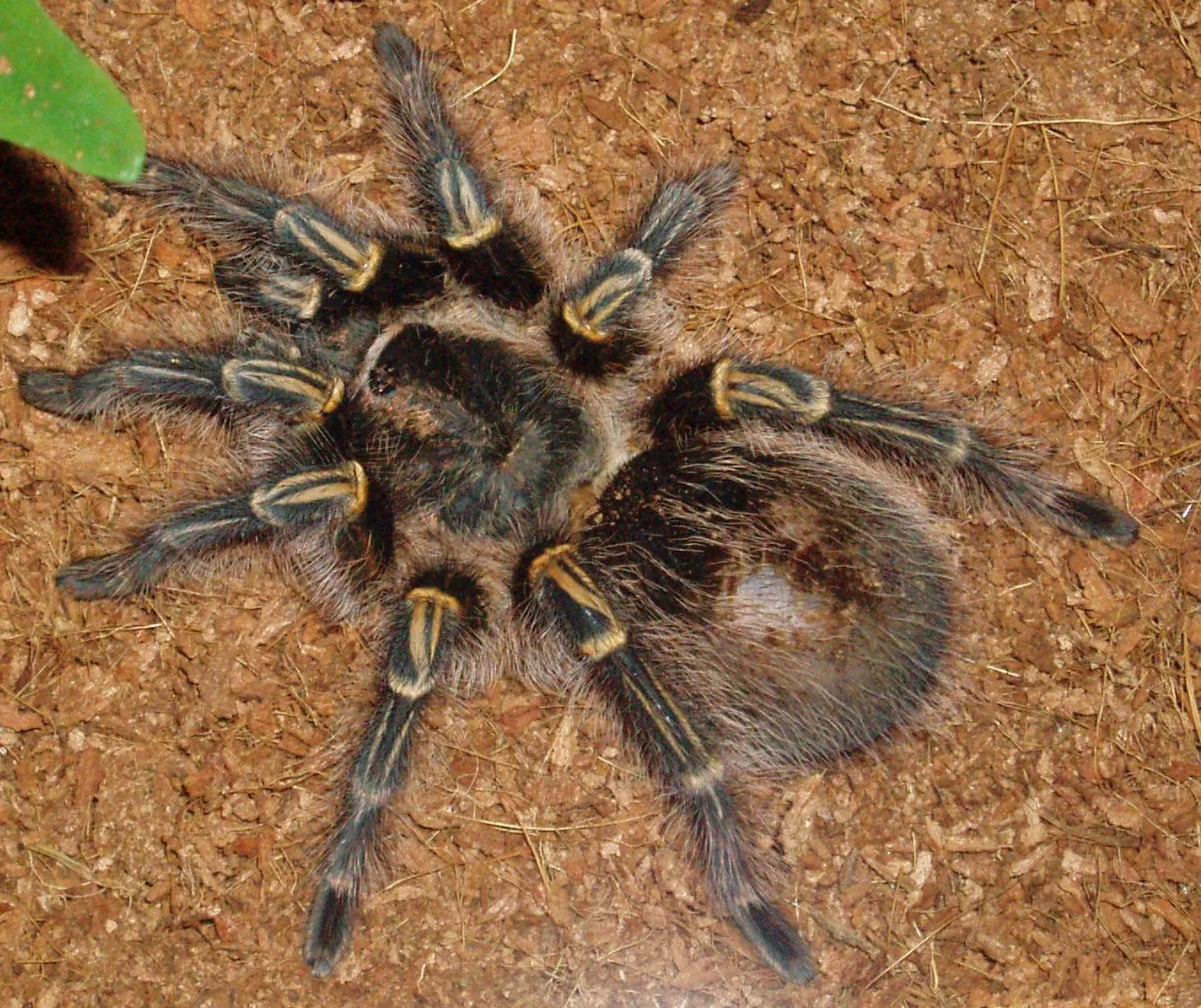
Golden Knee Tarantula Care Guide
The Golden Knee Tarantula, scientifically known as Grammostola pulchra, is a sought-after species in the pet trade. Known for its docile temperament and striking appearance, with the defining golden markings on its legs, this tarantula is a favorite among both novice and experienced keepers. This comprehensive guide will walk you through every aspect of caring for your Golden Knee Tarantula, ensuring it thrives in a comfortable and healthy environment. From setting up the perfect habitat to understanding its dietary needs and potential health issues, we will cover all the essential information you need to provide the best possible care for your eight-legged friend. Owning a Golden Knee Tarantula can be a rewarding experience, and with the right knowledge, you can enjoy years of companionship with this fascinating creature.
Understanding the Golden Knee Tarantula
Origin and Characteristics
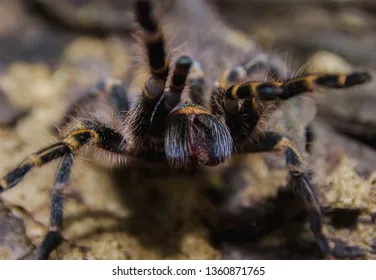
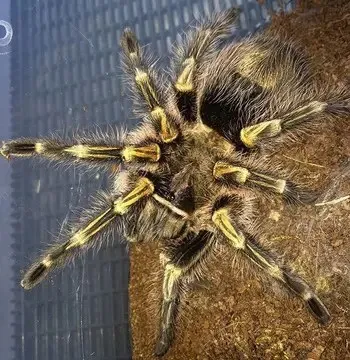
Native to the grasslands and scrublands of Southern Brazil, the Golden Knee Tarantula is well-adapted to a terrestrial lifestyle. They are known for their relatively calm demeanor, making them a good choice for those new to tarantula keeping. These tarantulas are characterized by their dark bodies and the vibrant golden or orange bands on their legs, which give them their distinctive name. They typically grow to a leg span of about 5 to 7 inches, with females generally being larger and heavier than males. Understanding their natural habitat and behaviors is crucial for replicating a suitable environment in captivity. This knowledge will help you cater to their specific needs and ensure their well-being.
Lifespan and Growth
One of the appealing aspects of owning a Golden Knee Tarantula is its longevity. Females can live for up to 20 years, while males typically have a shorter lifespan, around 5 to 7 years, after reaching maturity. The growth rate of a Golden Knee Tarantula varies depending on factors such as feeding, temperature, and genetics. They molt periodically as they grow, shedding their exoskeleton to allow for further development. The frequency of molting decreases as they mature. Providing a consistent and stable environment, along with a balanced diet, is essential for promoting healthy growth and maximizing their lifespan. Patience and observation are key, as witnessing this fascinating process is part of the joy of tarantula ownership.
Setting Up the Perfect Habitat
Creating the right environment for your Golden Knee Tarantula is fundamental to its health and happiness. Their habitat should replicate their natural environment to reduce stress and promote healthy behaviors. This includes providing the right enclosure size, substrate, temperature, humidity, and decorations. A well-designed habitat not only offers a comfortable living space for your tarantula but also enhances the aesthetic appeal of your home. The following sections will cover the essential elements of setting up the perfect habitat, ensuring your Golden Knee Tarantula thrives in its new home.
Enclosure Requirements
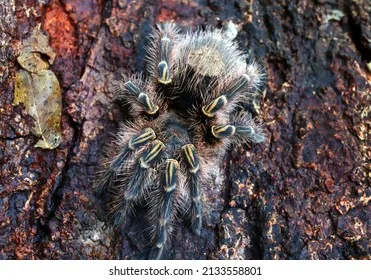
The enclosure should be appropriately sized to accommodate the tarantula’s size and promote its well-being. A good rule of thumb is to provide an enclosure that is at least three times the tarantula’s leg span in width and length. For a juvenile, a 10-gallon tank is suitable, while a larger adult will need a 20-gallon long tank or even larger. The enclosure must have a secure lid to prevent escapes, as tarantulas are skilled climbers. Adequate ventilation is also crucial to prevent the buildup of excessive humidity and mold. Ensure the enclosure is made of a durable material, such as glass or acrylic, that allows you to observe your tarantula easily and withstands the environmental conditions.
Substrate and Decorations
The substrate forms the foundation of the habitat and provides a suitable environment for burrowing, which is a natural behavior for Golden Knee Tarantulas. A good substrate should retain moisture, allow for burrowing, and not be harmful to the tarantula. A mixture of peat moss, coco fiber, and a small amount of vermiculite works well. The substrate should be deep enough for the tarantula to burrow, usually around 4 to 6 inches. Decorations such as a hide (e.g., a piece of cork bark, a half-log, or a commercially available hide) are essential to provide a sense of security and privacy. You can also add some artificial plants or other safe decorations to enhance the habitat’s aesthetics and make it more enriching for your tarantula. Avoid sharp objects that could injure your tarantula.
Temperature and Humidity
Maintaining the correct temperature and humidity levels is critical for the health of your Golden Knee Tarantula. The ideal temperature range is between 75-85°F (24-29°C). You can use a heat mat placed on the side of the enclosure or a low-wattage heat lamp to maintain this temperature. Avoid placing the heat source directly under the enclosure, as this can cause the substrate to dry out too quickly. Humidity levels should be maintained between 65-75%. This can be achieved by misting the enclosure with dechlorinated water a few times a week or by providing a water dish. Regular monitoring using a hygrometer and thermometer is essential to ensure that the environmental conditions are optimal and prevent health problems.
Feeding Your Golden Knee Tarantula

Feeding your Golden Knee Tarantula is a straightforward process, but it is crucial to get it right to ensure your tarantula stays healthy and well-nourished. Providing the appropriate diet and feeding schedule is key to promoting healthy growth and molting. This section details what to feed, how often, and how to ensure your tarantula gets the nutrition it needs. Understanding your tarantula’s dietary requirements will help you to become a more responsible and successful tarantula keeper.
What to Feed
Golden Knee Tarantulas are primarily insectivores, meaning their diet consists mainly of insects. Suitable food items include crickets, mealworms, dubia roaches, and other commercially available feeder insects. The size of the food item should be appropriate for the size of your tarantula; generally, the prey should be no larger than the tarantula’s body. It is important to gut-load the feeder insects before feeding them to your tarantula. Gut-loading involves feeding the insects nutritious food (such as fruits, vegetables, and commercial insect food) before you offer them to your tarantula. This practice ensures your tarantula receives the necessary vitamins and minerals. Always remove any uneaten prey from the enclosure to prevent stress and potential harm to the tarantula.
Feeding Frequency
The feeding frequency depends on the age and size of the tarantula. Spiderlings and juveniles require more frequent feedings, usually two to three times per week. As the tarantula matures, you can reduce the feeding frequency to once or twice a week. Adult tarantulas can sometimes be fed even less frequently, perhaps every 10-14 days, depending on their condition and appetite. It is important to observe your tarantula’s feeding behavior. If your tarantula is refusing food, it could be preparing to molt or experiencing stress. Always provide fresh water in a shallow dish, ensuring it is readily available at all times. Overfeeding can lead to obesity and health problems; therefore, moderation is crucial.
Watering and Hydration
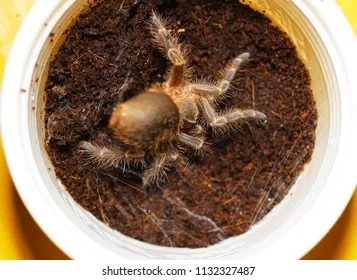
Providing access to fresh water is essential for the health of your Golden Knee Tarantula. A shallow water dish should always be available in the enclosure. Make sure the water dish is not too deep, as the tarantula could potentially drown. Change the water in the dish frequently, at least twice a week, to keep it clean and prevent bacterial growth. In addition to the water dish, you can also mist the enclosure with dechlorinated water to increase humidity, especially during the molting process. Avoid using tap water, as it may contain chlorine or other chemicals harmful to tarantulas. Using bottled water or letting tap water sit out for 24 hours can remove chlorine, making it safe for your pet.
Handling and Safety
While Golden Knee Tarantulas are known for their docile nature, handling them requires caution and respect. Understanding their behavior and potential defensive mechanisms is crucial to ensuring both your safety and the tarantula’s well-being. Always prioritize the tarantula’s comfort and minimize stress during any handling. This section provides valuable insights into safe handling practices and how to recognize signs of stress in your tarantula. Responsible handling promotes a positive relationship with your pet and helps prevent accidental injuries to either party.
Safe Handling Practices
Handling your Golden Knee Tarantula should be approached with caution and preparation. Always handle the tarantula over a soft surface, such as a bed or a carpeted floor, in case it falls. Avoid sudden movements or loud noises, as these can startle the tarantula and cause it to react defensively. Before handling, gently encourage the tarantula to walk onto your hand. Never try to grab or force the tarantula. If the tarantula seems agitated or retreats, do not persist. Thoroughly wash your hands before and after handling to avoid the transfer of chemicals or oils. It’s also advisable to avoid handling your tarantula if you have recently used hand lotion or other products, as the chemicals can be harmful.
Recognizing Stress Signals

Tarantulas communicate their stress through various behaviors. Recognizing these signs can help you avoid unnecessary handling and ensure your tarantula’s well-being. A tarantula that is about to defend itself may raise its front legs or adopt a threat posture. It may also flick urticating hairs from its abdomen as a defensive mechanism. Other signs of stress include rapid movement, hiding, or refusing to eat. If you notice any of these behaviors, it’s best to leave the tarantula alone and allow it to relax in its enclosure. Regular observation and understanding of your tarantula’s behavior will help you to become a better and more responsible owner.
Common Health Issues and Solutions
Like all pets, Golden Knee Tarantulas can experience health issues. Understanding these potential problems and knowing how to address them is crucial for responsible tarantula ownership. The most common health issues in Golden Knee Tarantulas include problems related to molting, parasites, and diseases. This section provides information on recognizing and treating these issues, ensuring your tarantula stays healthy and lives a long, fulfilling life. Early detection and prompt treatment are essential to prevent more serious complications.
Moulting Process
Molting is a natural process where tarantulas shed their exoskeleton to grow. During this time, your tarantula will usually stop eating and may appear lethargic. They may also lay on their backs, which is a normal position for molting. It’s essential to maintain the proper humidity levels during molting to facilitate the process. Never disturb or handle your tarantula during molting, as it is very vulnerable. After molting, the tarantula’s new exoskeleton will be soft; therefore, avoid feeding it for a week or two until the exoskeleton hardens completely. If a tarantula has difficulty molting, it could be a sign of underlying health issues, like improper humidity levels, that need to be addressed.
Parasites and Diseases

Golden Knee Tarantulas can be susceptible to parasites and diseases, although these are relatively rare with proper care. Mites are a common external parasite, and you might see them as small, red or white dots on the tarantula’s body. Mites are often caused by poor hygiene. If you notice mites, clean the enclosure thoroughly, replace the substrate, and consider seeking advice from a veterinarian specializing in exotic pets. Fungal infections can also occur if the humidity is too high, especially in poorly ventilated enclosures. Maintain proper humidity levels and ensure adequate ventilation to prevent fungal growth. If you suspect a disease, it’s important to consult a veterinarian specializing in exotic animals for a proper diagnosis and treatment.
Breeding Golden Knee Tarantulas
Breeding Golden Knee Tarantulas can be a fascinating and rewarding experience for experienced keepers. However, it requires a thorough understanding of the species, careful planning, and a significant commitment of time and resources. Breeding tarantulas is more complex than simply putting a male and female together; it involves understanding their mating behavior, providing the right environment, and caring for the resulting eggs and spiderlings. This section will guide you through the basic aspects of breeding Golden Knee Tarantulas.
Sexing Tarantulas
Determining the sex of a Golden Knee Tarantula is a crucial step before attempting to breed them. This can be done by examining the tarantula’s molt or, if the tarantula is large enough, by examining the underside of its abdomen. On a molt, you can look for the presence of spermathecae, which are present in females. In adult tarantulas, males have modified pedipalps (the small appendages near the mouth) that are used for mating, and they also have a pair of tibial hooks on their front legs. Sexing tarantulas can be tricky and requires some experience. If you are unsure, it is always best to seek advice from a breeder or an experienced tarantula keeper.
Mating and Egg Sacs
If you have successfully sexed your tarantulas and determined you have a male and a female, you can proceed with the mating process. It’s essential to introduce the male to the female’s enclosure only when both are well-fed and in good health. The female may be receptive, or she may be aggressive towards the male. Supervise the mating closely, and be prepared to separate the tarantulas immediately if the female shows signs of aggression. After mating, the female will eventually lay eggs and create an egg sac. The egg sac will contain numerous eggs, which the female will care for. Remove the egg sac to an incubator if you want to prevent the female from potentially eating her offspring. Raising spiderlings requires specialized knowledge and resources, including providing a separate habitat for them, feeding them with appropriate food, and keeping them hydrated. It is a very delicate process.
Conclusion
Caring for a Golden Knee Tarantula can be an incredibly rewarding experience. They are beautiful, relatively docile creatures that can bring joy to any tarantula enthusiast. This guide has provided you with all the essential information to ensure that your Golden Knee Tarantula thrives in a healthy, comfortable environment. Remember that responsible tarantula ownership requires continuous learning, observation, and adaptation to your pet’s needs. By following the guidelines outlined in this care guide, you can enjoy a long and fulfilling relationship with your Golden Knee Tarantula, and appreciate the wonder of these remarkable creatures. Happy keeping!