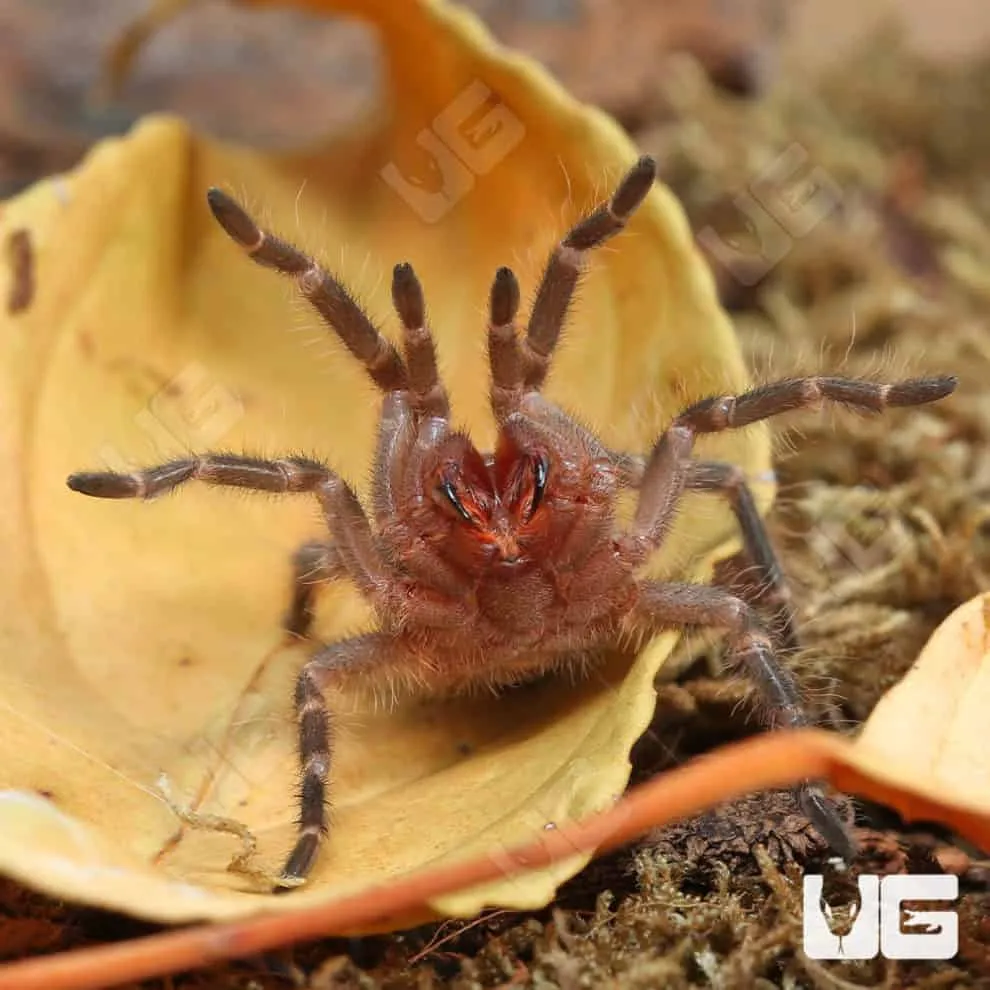
Golden Knee Tarantula Slings Introduction
Bringing a Chaco Golden Knee Tarantula sling into your home is an exciting venture. These small arachnids, known for their striking golden markings on their knees, are relatively easy to care for, making them a popular choice for both beginner and experienced tarantula enthusiasts. However, providing the right environment and care is crucial for their health and well-being. This guide will provide you with the top 5 essential care tips to ensure your Golden Knee Tarantula sling thrives. By following these guidelines, you can create a comfortable and stimulating habitat where your tarantula can grow and flourish. Remember, patience and observation are key. Enjoy the fascinating world of these captivating creatures!
Enclosure Setup for Your Golden Knee Sling
The enclosure is the foundation of your Golden Knee Tarantula sling’s home. It must provide a secure and comfortable environment, mimicking their natural habitat. A proper setup will help your sling feel safe, reduce stress, and encourage healthy growth. The size of the enclosure should be appropriate for the sling’s size, providing ample space for movement and exploration. Ventilation is also key to prevent mold and maintain healthy air quality. Let’s dive into the specific requirements for creating the perfect living space for your new pet.
Choosing the Right Enclosure

For a Golden Knee Tarantula sling, a small, clear plastic container or a specially designed terrarium is ideal. The enclosure should be escape-proof, with a secure lid. The size of the enclosure should be roughly 5-10 times the leg span of the sling. As your tarantula grows, you’ll need to upgrade to a larger enclosure. Make sure the enclosure has adequate ventilation, such as small air holes near the top, to allow for airflow and prevent the buildup of moisture. Avoid enclosures with sharp edges or features that could harm your delicate sling.
Substrate Selection
The substrate is the bedding material that lines the bottom of your tarantula’s enclosure. For Golden Knee Tarantula slings, a substrate that retains some humidity is important, but it must also allow for proper drainage. A good choice is a mixture of coco fiber, peat moss, and a small amount of vermiculite. This blend provides a naturalistic look, holds moisture well, and allows the tarantula to burrow if it chooses. Avoid substrates that are too dusty, as they can irritate the tarantula’s sensitive respiratory system. Ensure the substrate is deep enough to allow for burrowing, typically 2-3 inches is sufficient for a sling.
Maintaining Humidity and Temperature
Golden Knee Tarantulas thrive in a moderately humid environment. Aim for a humidity level of around 65-75%. You can monitor humidity using a hygrometer, which should be placed inside the enclosure. To maintain humidity, lightly mist the enclosure every few days, or as needed, allowing the substrate to absorb the moisture. Avoid over-misting, as this can lead to mold growth. Temperature is also important. Keep the enclosure at a temperature between 75-85°F (24-29°C). You can use a heat lamp or a heat mat placed on the side of the enclosure, but be sure to monitor the temperature closely to prevent overheating.
Feeding Your Chaco Golden Knee Sling

Proper feeding is essential for the healthy growth and development of your Golden Knee Tarantula sling. Slings have a fast metabolism and require regular feeding. The type of food, feeding frequency, and portion size are all crucial aspects of their diet. Here are some guidelines to help you provide the appropriate nutrition for your tarantula. Always ensure that uneaten food is removed from the enclosure to prevent mold and mites. With the right feeding practices, your sling will grow into a beautiful adult tarantula.
Choosing the Right Food
The primary food source for Golden Knee Tarantula slings is live insects. Good options include flightless fruit flies, small crickets, and pinhead mealworms. The size of the insects should be appropriate for the size of your sling; the prey should be no larger than the tarantula’s body length. Avoid feeding wild-caught insects, as they may carry parasites or pesticides. Always provide insects that are healthy and free from any signs of disease. It is also beneficial to dust the insects with a calcium and vitamin supplement to ensure your tarantula receives the essential nutrients for growth.
Feeding Frequency and Portion Size
Young slings typically need to be fed 2-3 times per week. As they grow, you can adjust the feeding schedule accordingly. Observe your tarantula’s feeding habits. If it readily accepts food, you can maintain the feeding schedule. If it refuses food for an extended period, it may be preparing to molt; reduce feeding during this time. Offer one or two appropriately sized insects per feeding. Remove any uneaten insects within 24 hours to prevent stress and potential harm to the tarantula.
Providing Water

Fresh water is essential for your Golden Knee Tarantula sling’s hydration and overall well-being. You can provide water in a shallow dish or a bottle cap filled with fresh, clean water. Ensure the water dish is small enough that the sling can easily access it without the risk of falling in. Change the water every 1-2 days to prevent bacterial growth. Alternatively, you can mist the enclosure regularly to provide a source of water droplets for the tarantula to drink.
Handling and Interaction
While Golden Knee Tarantulas are beautiful creatures, they are not typically suited for frequent handling. Handling can be stressful for tarantulas and may lead to defensive behavior such as flicking hairs or biting. It is best to observe and appreciate your sling in its enclosure, rather than attempting to handle it. If you must handle your tarantula (e.g., for enclosure maintenance), do so with caution and use a soft brush or a container to gently guide it. Always wash your hands thoroughly before and after handling and avoid handling your tarantula if you have any cuts or abrasions.
Minimizing Stress and Promoting Well-being
Creating a stress-free environment is critical for the health of your Golden Knee Tarantula sling. Provide a secure and stable enclosure. Avoid loud noises, sudden movements, and excessive vibrations near the enclosure. Keep the enclosure in a quiet area away from direct sunlight and drafts. Provide plenty of hiding places, such as a piece of cork bark or a small hide. Allow your tarantula to establish its own routine and observe its behavior to identify any signs of stress, such as excessive hiding or loss of appetite. Minimize disturbances to the enclosure and maintain a consistent environment.
Observing and Enjoying Your Golden Knee Tarantula

One of the greatest joys of owning a Golden Knee Tarantula sling is observing its fascinating behaviors and watching it grow. Take time to watch your tarantula as it molts, eats, and explores its environment. Monitor its feeding habits, activity levels, and overall appearance. Learn to recognize the signs of a healthy and happy tarantula. This active observation will enhance your appreciation for these amazing creatures and help you to identify any potential problems early on. Enjoy the unique opportunity to learn about and experience the world of these amazing arachnids.
Golden Knee Tarantula Slings Conclusion
Caring for a Golden Knee Tarantula sling can be a rewarding experience. By following these top 5 care tips, you can create a thriving environment where your sling can flourish. Remember to provide a suitable enclosure, maintain proper humidity and temperature, offer appropriate food, and minimize stress. With patience, observation, and the right care, you can enjoy the beauty and wonder of these fascinating creatures for many years to come. Enjoy your journey with your Golden Knee Tarantula sling and the unique experience of observing and appreciating the world of these incredible arachnids. Your commitment to providing a safe and comfortable habitat is the key to your tarantula’s health and happiness.