Goliath Bird Eater Adaptations Top 5 Facts
The Goliath bird-eating tarantula (Theraphosa blondi) is one of the largest spider species in the world, and its impressive size is matched by an array of fascinating adaptations that allow it to thrive in its South American rainforest habitat. From its physical characteristics to its hunting strategies and defensive mechanisms, this incredible arachnid has evolved a suite of unique features that make it a successful predator and a survivor in a challenging environment. Understanding these adaptations provides a glimpse into the remarkable biology of one of nature’s most awe-inspiring creatures. This article will explore the top 5 amazing facts about how the Goliath bird eater tarantula has adapted to survive.
Size and Physical Characteristics
The Goliath bird-eating tarantula’s physical attributes are key to its survival. These features provide advantages in hunting, defense, and environmental regulation. The sheer size and body structure are crucial for its predatory lifestyle and its ability to thrive in its environment. The following subsections explore these aspects further.
Massive Size

As the name suggests, these spiders are giants. They can have a leg span of up to 12 inches (30 cm) and weigh over 6 ounces (170 g). This colossal size is a significant advantage. It allows them to subdue large prey, including small birds, rodents, and insects. Their size also offers some protection against predators, as few animals are willing to challenge such a formidable opponent. The size also helps in regulating body temperature, as a larger body mass retains heat more efficiently.
Hairy Body
The Goliath bird-eating tarantula is covered in dense hairs, which serve several purposes. These hairs provide insulation, helping the spider regulate its body temperature in the humid rainforest environment. They also play a sensory role. The hairs are sensitive to vibrations, allowing the spider to detect prey and potential threats. Furthermore, the hairs help the spider grip surfaces, aiding in climbing and movement across various terrains. The hairs are also integral to the spider’s defensive mechanisms, specifically, the urticating hairs, which will be discussed later.
Coloration and Camouflage
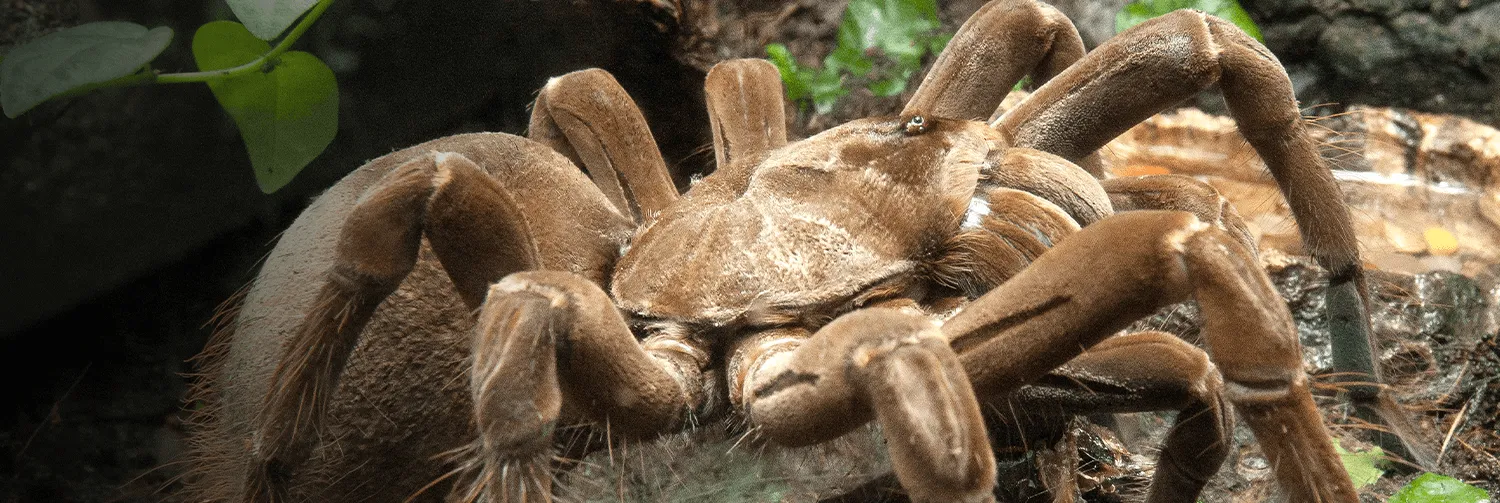
Goliath bird-eating tarantulas typically have a brown coloration, which allows them to blend in with the forest floor and the surrounding leaf litter. This camouflage is crucial for ambushing prey and avoiding detection by predators. The ability to remain hidden is essential for their survival, as they often sit and wait for prey to come close. The subtle color variations within their brown tones also help them match the varied textures of their environment, enhancing their camouflage effectiveness. The image illustrates a goliath bird eater tarantula in its natural habitat, showcasing its camouflage.
Venom and Fangs

The Goliath bird-eating tarantula employs venom and formidable fangs to subdue its prey. These are essential for capturing and incapacitating animals significantly larger than themselves. The venom is a powerful tool, and the fangs are the delivery system for it. Let’s look into the specifics below.
Powerful Fangs
These tarantulas possess large fangs (chelicerae), which can be up to an inch long. These fangs are used to inject venom into their prey and to physically grasp and hold the animal. The fangs are strong and sharp, allowing them to pierce the skin and exoskeletons of their victims. The sheer size of the fangs is a key component of their hunting prowess, enabling them to secure a firm grip on their prey and deliver a lethal dose of venom. A high-quality image can show the size of the fangs.
Venom Composition
The venom of the Goliath bird-eating tarantula contains a complex mixture of toxins. These toxins primarily target the nervous system of their prey, causing paralysis. The venom also contains enzymes that begin to break down the prey’s tissues, making it easier for the spider to consume its meal. While the venom is potent, it is not considered lethal to humans. A bite from this spider is painful but rarely life-threatening. The venom’s composition is perfectly suited to their dietary needs.
Defensive Mechanisms

Beyond their size and venom, Goliath bird-eating tarantulas have evolved several defensive mechanisms to protect themselves from predators. These defenses include urticating hairs and stridulation, which help deter potential attackers and ensure survival. These tactics are crucial in their rainforest environment. They serve as a first line of defense.
Urticating Hairs
One of the most unique defensive adaptations is the use of urticating hairs. These are specialized hairs located on the abdomen of the tarantula. When threatened, the spider flicks these hairs towards the perceived threat. These hairs are barbed and cause intense irritation upon contact with the skin and eyes. This irritant effect discourages predators, allowing the spider to escape. The hairs are a highly effective defense mechanism, as the discomfort they cause can be quite significant. An image can showcase the urticating hairs.
Stridulation
Stridulation is another defensive tactic. The Goliath bird-eating tarantula produces a hissing sound by rubbing its legs together. This sound serves as a warning signal, indicating that the spider is agitated and prepared to defend itself. The sound can startle potential predators, giving the spider time to escape or prepare for a fight. The stridulation is a clear indication of the spider’s readiness to defend itself.
Diet and Feeding Strategies

Goliath bird-eating tarantulas are opportunistic predators with highly developed hunting techniques and a varied diet. Their hunting methods and food choices are tailored to their environment. These adaptations help the spiders thrive in their habitat.
Hunting Techniques
These spiders are ambush predators. They typically wait in their burrows or under cover, patiently waiting for prey to come within reach. They are equipped with sensitive hairs that detect vibrations in the ground, alerting them to the presence of potential meals. When prey gets close, the spider will quickly ambush it, using its fangs to inject venom and subdue the victim. The hunting success depends on patience and the ability to strike quickly. The image can show the spider in the hunting process.
Dietary Variety
Despite their name, Goliath bird-eating tarantulas rarely consume birds. Their diet consists primarily of insects, other invertebrates, rodents, frogs, and lizards. They are opportunistic feeders, and their diet varies depending on the availability of prey in their environment. The ability to consume a wide variety of food sources contributes to their survival in the rainforest. They are not picky eaters, which gives them a survival edge.
Habitat and Environment Adaptations

The Goliath bird-eating tarantula has evolved to thrive in its rainforest environment, developing specific adaptations related to its habitat. Their burrowing behavior and ability to regulate humidity and temperature are crucial for their survival in the rainforest. They utilize the surrounding environment to their advantage.
Burrowing Behavior
Goliath bird-eating tarantulas are known to live in burrows. They dig these burrows in the ground, often under tree roots or near other sources of cover. The burrows provide shelter from predators, help regulate temperature and humidity, and provide a safe place to molt and lay eggs. The burrowing behavior is essential for their survival and helps them to avoid the harsh conditions of the rainforest environment. A visual example of a burrow can be shown in an image.
Humidity and Temperature Regulation
The rainforest environment is characterized by high humidity and relatively stable temperatures. The tarantula’s hairy body helps regulate its body temperature. They also seek out microclimates within their burrows, where conditions are most favorable. By controlling their environment, they ensure their survival. They need to maintain specific conditions to function properly. High humidity and temperature are a perfect fit.
Conclusion

The Goliath bird-eating tarantula showcases an impressive array of adaptations that allow it to survive and thrive in its rainforest environment. From its formidable size and powerful fangs to its defensive mechanisms and hunting strategies, this spider is a testament to the power of evolution. Understanding these adaptations provides a deeper appreciation for the complex and fascinating lives of these incredible arachnids. Their survival strategies offer insights into the wonders of the natural world.