Goliath Bird Eater Facts Unveiled
The Goliath Bird Eater tarantula, Theraphosa blondi, is a creature of myth and reality, often captivating and sometimes frightening those who encounter it. This colossal arachnid, the world’s largest spider by mass, is a fascinating subject for anyone intrigued by the natural world. This article delves into the top facts about the Goliath Bird Eater, separating myth from reality and offering a comprehensive look at its life, behavior, and place in the ecosystem. Prepare to be amazed by this incredible species, learning everything from its size and appearance to its dietary habits and lifespan. This deep dive offers a glimpse into the world of these impressive creatures.
Size and Appearance of Goliath Bird Eater
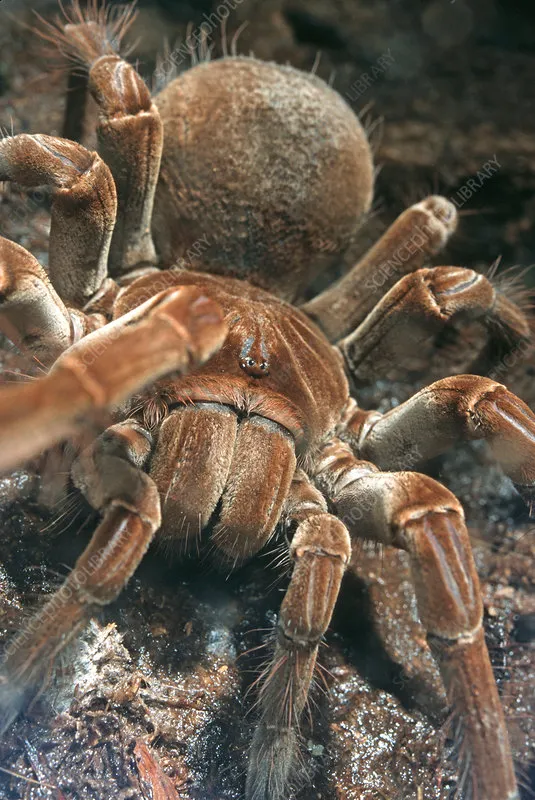
The Goliath Bird Eater earns its name not just from its size, but also from historical observations of it consuming small birds. This tarantula is the largest spider in the world by mass, with females typically larger than males. Their leg span can reach up to 12 inches, and they can weigh over 6 ounces. Their bodies are covered in urticating hairs, a defense mechanism that causes intense irritation if they come into contact with skin. These hairs are released when the spider feels threatened, serving as a deterrent to potential predators. The color varies from dark brown to tan, with reddish hairs on their legs. They have large fangs, used for injecting venom into their prey, but despite their imposing size, their venom is not considered lethal to humans, although the bite can be painful.
Size Comparison to Other Tarantulas

Comparing the Goliath Bird Eater to other tarantula species highlights its exceptional size. While some tarantulas may have longer leg spans, the Goliath Bird Eater often surpasses them in overall mass and body size. For example, the Grammostola genus tarantulas, while still large, are considerably smaller. The size difference is often attributed to the Goliath Bird Eater’s rapid growth rate and its access to a high-protein diet. This distinction makes it a favorite for those interested in large arachnids, although the size also means they require a more significant living space and specialized care. In the world of spiders, the Goliath Bird Eater truly stands alone.
Distinctive Features
Beyond its sheer size, the Goliath Bird Eater possesses several distinctive features. The chelicerae, or fangs, are particularly large and powerful, designed to subdue and inject venom into prey. The urticating hairs are another key characteristic, offering a unique defense mechanism not found in all tarantula species. They also have specialized sensory hairs that help them detect vibrations and movement, aiding in hunting. Their legs, covered in sensory setae, allow them to navigate their environment effectively. Their overall appearance—large, hairy, and imposing—makes them easily recognizable and sets them apart from other spiders.
Habitat and Native Range
The Goliath Bird Eater is native to the rainforests of northern South America. Specifically, they inhabit the tropical regions of countries like Brazil, Venezuela, Guyana, Suriname, and French Guiana. These areas provide the warm, humid environment the tarantulas require. They are terrestrial spiders, meaning they live on the ground, and they are adapted to burrowing. Their habitats are often characterized by dense vegetation and moist soil, which they use for shelter and hunting. Protecting these habitats is crucial for the survival of this impressive species. The natural environment plays a critical role in their life cycle, from breeding to finding food.
Where Goliath Bird Eaters Live

Goliath Bird Eaters create burrows in the ground, often under tree roots or other natural cover. These burrows provide protection from predators and the elements, including extreme temperatures and humidity changes. They line their burrows with silk, which helps to stabilize the walls and provide a comfortable living space. The depth of the burrow can vary depending on the environment, but it generally offers a secure and private home. These spiders are not particularly social, preferring to live solitary lives within their chosen habitats. This secluded lifestyle is vital for their survival and ensures their safety from potential threats.
Preferred Environment
The ideal environment for a Goliath Bird Eater is humid and warm, replicating the conditions of their native rainforest habitat. They thrive in temperatures ranging from 75-85°F (24-29°C) and with a humidity level of 75-85%. Proper ventilation is also necessary to prevent the buildup of mold and bacteria. In captivity, these conditions are carefully controlled, often with heating pads, humidifiers, and regular misting. Providing the correct environment ensures the tarantula’s health, promotes molting, and encourages a normal life cycle. Creating a habitat that mimics their natural setting is key to their wellbeing.
Diet and Feeding Habits
Despite their name, Goliath Bird Eaters rarely consume birds in the wild. Their diet primarily consists of insects, earthworms, and small vertebrates, such as lizards, frogs, and occasionally snakes. They are ambush predators, meaning they wait patiently for prey to come within range of their burrow. When a suitable meal appears, they quickly strike, injecting venom to paralyze and begin the digestion process. The venom breaks down the prey’s tissues, making it easier for the tarantula to consume. They are opportunistic eaters, consuming whatever prey is available within their environment. Their diet reflects the biodiversity of their natural habitat.
What Goliath Bird Eaters Eat

The primary diet of Goliath Bird Eaters consists of a variety of insects such as crickets, mealworms, and cockroaches. They also consume larger prey, including small lizards, frogs, and rodents. Their diet in the wild is varied, depending on what is available in their habitat. The size of the prey they consume is often dictated by their own size and age. Young tarantulas will feed on smaller insects, while adult Goliath Bird Eaters can handle larger meals. A varied diet ensures they receive the necessary nutrients for their growth and development.
Feeding Frequency and Methods
Adult Goliath Bird Eaters are usually fed every 1-2 weeks, while younger tarantulas may need to be fed more frequently. They are opportunistic feeders and will often eat when they are hungry. The prey should be appropriate in size; generally, it should not be larger than the spider’s body. In captivity, feeding methods involve placing live prey directly into the tarantula’s enclosure. Once the tarantula captures the prey, it injects venom and begins feeding. Uneaten food should be removed within 24 hours to prevent mold and other potential health issues.
Behavior and Temperament
Goliath Bird Eaters are generally docile, but they will defend themselves if they feel threatened. Their primary defense mechanism is their urticating hairs, which they flick towards perceived threats. They also have large fangs that can deliver a venomous bite. The bite is not considered deadly to humans, but it can be painful and cause localized muscle cramps. They spend most of their time in their burrows, only venturing out to hunt or mate. Understanding their behavior is important, especially for those who keep them as pets. They are fascinating creatures and are typically not aggressive, but their size and defensive capabilities demand respect.
Defensive Mechanisms

The main defense mechanisms of the Goliath Bird Eater include their urticating hairs and their fangs. The urticating hairs are released by rubbing their legs against their abdomen. These hairs can cause severe skin irritation and itching. They also have sharp fangs capable of delivering a venomous bite. While the venom is not lethal to humans, it can cause pain, muscle cramps, and other localized symptoms. When threatened, they will often raise their front legs and display their fangs, a clear warning signal. Their ability to use both physical and chemical defenses helps them survive in the wild.
Interaction with Humans
When interacting with humans, it’s important to handle Goliath Bird Eaters with caution. Their size and defensive capabilities mean they should only be handled by experienced keepers. When handling, it is best to minimize direct contact, as this can trigger their defensive behaviors. If handling is necessary, do it close to the ground and be aware of their ability to quickly move. It is also important to be gentle and avoid sudden movements. Responsible pet ownership includes knowing how to safely interact with these amazing creatures to minimize the risk of injury to both the spider and the handler.
Lifespan and Reproduction
The Goliath Bird Eater has a relatively long lifespan compared to other arachnids. Females, in particular, can live for an extended period, while the lifespan of males is often shorter. Understanding their life cycle, from their growth stages to their reproductive habits, is critical to appreciating their biology and behavior. The process of reproduction involves elaborate mating rituals and a significant investment of resources. The life cycle is influenced by environmental factors, including temperature, humidity, and diet. These factors help the species continue to thrive in their natural habitats.
Life Cycle Stages

The Goliath Bird Eater’s life cycle consists of several stages, starting with the egg sac, which is laid by the female after mating. The eggs hatch into spiderlings, which then go through a series of molts as they grow. Each molt marks a growth phase where the spider sheds its exoskeleton and grows larger. The tarantula will molt numerous times throughout its life, with the frequency decreasing as it matures. Females continue to molt throughout their lives, while males typically stop molting after reaching sexual maturity. These molting stages are essential for growth and development.
Average Lifespan
The average lifespan of a female Goliath Bird Eater tarantula is 15-25 years, making them one of the longest-living spiders. Males, on the other hand, have a much shorter lifespan, typically living for 3-6 years. The difference in lifespan is primarily due to the energy expenditure involved in reproduction. Females invest a lot of energy in egg production and the care of their offspring, which results in a longer lifespan. This long lifespan contributes to the Goliath Bird Eater’s ability to adapt and thrive in its natural environment. Proper care and living conditions in captivity can also contribute to a long and healthy life for these impressive creatures.