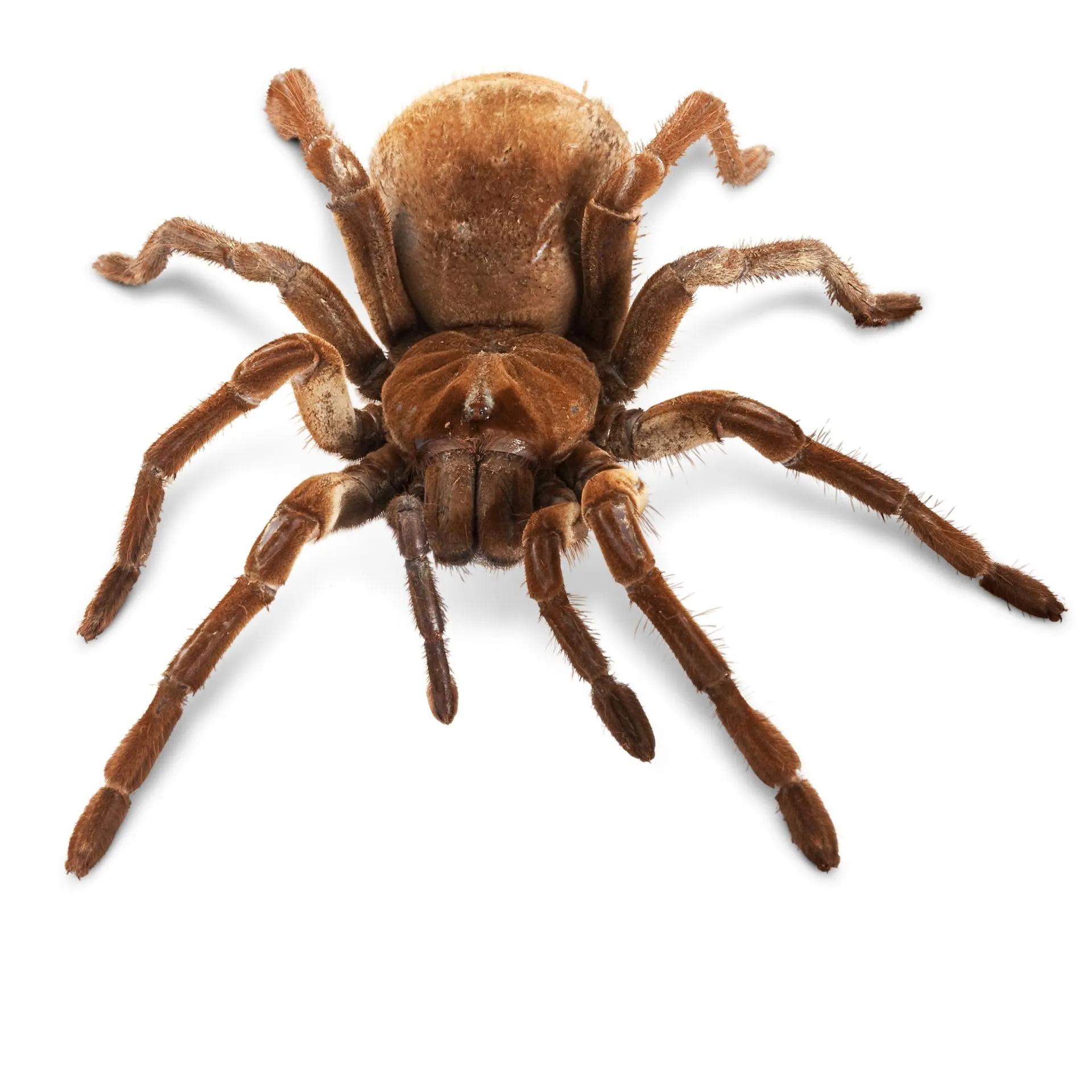
What is the Goliath Birdeater Tarantula
The Goliath Birdeater Tarantula (Theraphosa blondi) is the world’s largest spider, a truly remarkable creature that captures the imagination of anyone interested in the animal kingdom. Originating from the rainforests of South America, this imposing arachnid is not only impressive in size but also possesses a fascinating biology and behavior. These spiders are known for their large size, often exceeding a leg span of 10 inches, and their imposing appearance, which has made them a popular, though challenging, pet for experienced enthusiasts. Their name, “Birdeater,” stems from early observations of them consuming small birds, though their diet in the wild mainly consists of insects, worms, and other invertebrates. Understanding the Goliath Birdeater requires acknowledging its place in the ecosystem and the specific challenges it presents in captivity.
Appearance and Characteristics
Size and Weight

The Goliath Birdeater Tarantula’s most striking feature is undoubtedly its size. With a leg span that can reach up to 12 inches (30 cm), these spiders are the largest in the world. Their bodies can be as long as 4 inches (10 cm). Weight can vary but mature females can weigh over 6 ounces (170 grams). This massive size is a key factor in their appeal, making them a fascinating species to observe and study. The size of these tarantulas is dependent on several factors including genetics, diet, and environmental conditions. A well-fed tarantula in a suitable environment will often reach the higher end of the size spectrum. Regular molting allows these spiders to grow, with each molt revealing a slightly larger version of the spider.
Color and Markings
Goliath Birdeaters have a predominantly brown coloration, varying from dark to lighter shades depending on the individual and the environment. Their bodies are covered in a dense coat of urticating hairs, which serve as a defense mechanism. These hairs can cause irritation if they come into contact with skin or eyes. The legs are typically a similar color to the body, with a slightly lighter shade in some cases. Subtle markings may be present, but the overall appearance is one of robust, earthy tones. The chelicerae, or fangs, are typically a darker shade, adding to their intimidating appearance. The overall color scheme helps them blend into their rainforest habitat, providing camouflage from both predators and prey.
Habitat and Natural Behavior
Where They Live

In the wild, Goliath Birdeater Tarantulas are native to the rainforests of northern South America, including countries like Brazil, Venezuela, Guyana, Suriname, and French Guiana. They prefer to live in burrows, which they create in the ground or find under logs and rocks. Their habitat is typically humid and warm, with plenty of leaf litter and vegetation. The dense rainforest environment provides both shelter and a rich supply of prey. These spiders are primarily terrestrial, spending most of their time on the ground. Their burrows offer protection from predators and the elements, and they typically emerge at night to hunt.
Natural Behavior
Goliath Birdeaters are primarily nocturnal hunters. They ambush their prey, using their fangs to inject venom and immobilize it. Their diet consists of a variety of insects, worms, and small vertebrates. They are not known for actively hunting birds, despite their name. They are solitary creatures, except during mating season. When threatened, they may flick urticating hairs from their abdomen as a defense mechanism. They also have the ability to produce a hissing sound by rubbing their legs together, which can serve as a warning. They are generally docile but can bite if provoked, though their venom is not considered particularly dangerous to humans, but the bite can be painful. These behaviors are essential for survival in their natural habitat.
Caring for a Goliath Birdeater Tarantula
Keeping a Goliath Birdeater Tarantula as a pet requires careful consideration and preparation. Their large size, specific habitat needs, and potential for defensive behaviors mean they are best suited for experienced arachnid keepers. Ensuring the right environment, proper feeding, and safe handling are crucial to the spider’s well-being. Understanding the basics of their care is essential for providing them with a comfortable and healthy life in captivity. This includes aspects of enclosure setup, diet, and awareness of potential risks. It is a commitment that should not be taken lightly.
Enclosure Setup

Substrate and Furnishings
The enclosure should be large enough to accommodate the spider’s size, typically a minimum of 20 gallons for an adult. The substrate should be deep, about 6-8 inches, to allow the tarantula to burrow. A mixture of peat moss, coco fiber, and vermiculite works well. Furnishings should include a hide, such as a cork bark or a half-log, for the spider to retreat to. Provide a water dish that is shallow enough to prevent drowning, but large enough to allow the spider to drink comfortably. Live or artificial plants can also be added to provide additional cover and visual interest, mimicking the tarantula’s natural habitat. The enclosure should be kept clean and free of uneaten food to prevent the growth of mold and bacteria.
Temperature and Humidity
Maintaining the correct temperature and humidity levels is crucial for the health of your Goliath Birdeater. The ideal temperature range is between 75-85°F (24-29°C). A heat lamp or a heat pad can be used to maintain this temperature, but be sure to monitor the temperature carefully to prevent overheating. Humidity levels should be maintained at 75-85%. This can be achieved by misting the enclosure with water regularly, or by providing a large water dish. Proper ventilation is also important to prevent the buildup of mold and bacteria. Use a hygrometer and thermometer to monitor conditions. The key is to create a consistent environment that mimics the natural habitat of the tarantula as closely as possible.
Feeding Your Tarantula

What to Feed
Goliath Birdeater Tarantulas are voracious eaters and will consume a variety of insects and small vertebrates. Suitable food items include crickets, roaches, mealworms, and occasionally small mice. The size of the prey should be appropriate for the size of the tarantula; as a general rule, the prey should be no larger than the spider’s body. It’s important to ensure that the prey is healthy and free from pesticides. Offer a varied diet to ensure the tarantula receives all the necessary nutrients. It’s also important to remove any uneaten food within 24 hours to prevent mold and mites from appearing in the enclosure.
Feeding Frequency
Feeding frequency depends on the age and size of the tarantula. Spiderlings and juvenile tarantulas should be fed more frequently, about 2-3 times a week. Adult tarantulas can be fed once a week or every other week. Overfeeding can lead to obesity, which can shorten a tarantula’s lifespan. It is best to observe the tarantula’s abdomen; if it appears round and full, it may not need to be fed for a while. Ensure that the tarantula always has access to fresh water. When a tarantula is in pre-molt, it may refuse food; this is normal and should not be a cause for concern.
Handling and Safety Precautions

How to Handle
Handling a Goliath Birdeater Tarantula is generally discouraged, as they can be defensive and prone to biting. However, if handling is necessary, do so with extreme caution and only when the tarantula is calm. It is best to coax the spider onto your hand gently, avoiding sudden movements. Always handle over a soft surface, such as a bed or a carpet, in case the spider falls. Be aware of the urticating hairs, and avoid brushing them against your skin. Wash your hands thoroughly after handling the tarantula or after any contact with the enclosure.
Safety Measures
Always wash your hands before and after handling the tarantula or its enclosure. Wear gloves and eye protection if you are cleaning the enclosure or handling the substrate. Keep the enclosure securely closed to prevent escapes. Keep children and other pets away from the enclosure to prevent accidental contact. If you are bitten, clean the wound thoroughly with soap and water and seek medical attention if necessary. Be aware of the potential for an allergic reaction to the urticating hairs. Educate yourself on proper first aid measures in case of an incident.
Health and Common Issues

Like all animals, Goliath Birdeater Tarantulas can be prone to certain health issues. Being aware of these potential problems and knowing how to prevent and address them can help ensure the long-term health and well-being of your pet. Regular observation of the spider’s behavior and physical condition is essential for detecting any signs of illness early. Addressing any problems promptly is critical for successful treatment. Preventive care and a good understanding of common health issues are paramount.
Common Health Problems
Some common health problems include parasites, fungal infections, and injuries. Parasites can be introduced through live prey, such as mites. Fungal infections can occur in enclosures with poor ventilation or excessive humidity. Injuries can occur from falls or during molting. Other problems are associated with improper care such as dehydration and impaction. Regularly inspect the tarantula and its enclosure for any signs of these issues. Look for any unusual behavior, changes in appetite, or physical abnormalities. Proper hygiene and environmental conditions are critical in preventing these issues. Consulting with a veterinarian experienced with exotic animals is recommended if any problems arise.
Preventative Measures
Preventative measures are key to maintaining a healthy Goliath Birdeater. Keep the enclosure clean and well-ventilated. Use high-quality substrate and change it regularly. Provide a balanced diet with nutritious prey. Maintain the correct temperature and humidity levels. Quarantine new tarantulas before introducing them to your collection. Regularly inspect your tarantula for any signs of illness or injury. Provide a hide and plenty of space for the tarantula to move around and feel secure. Avoid handling the tarantula unnecessarily. These measures can significantly reduce the risk of health problems and ensure that the tarantula lives a long and healthy life.
Breeding

Breeding Goliath Birdeater Tarantulas is a complex process that should only be attempted by experienced keepers. It involves careful preparation, monitoring, and a thorough understanding of the spider’s reproductive behavior. Success in breeding depends on several factors, including the health and age of the spiders, as well as the proper environmental conditions. The process can be fascinating and rewarding, but it requires significant dedication and a commitment to providing the best possible care for both the adults and the spiderlings.
Breeding Process
The breeding process begins with the introduction of a mature male tarantula to the female’s enclosure. The male will typically drum on the substrate or web in an attempt to attract the female. If the female is receptive, the male will approach her, and the pair will mate. Mating can be a dangerous process, and the female may attempt to eat the male, so it is important to supervise the process. After mating, the female will typically lay her eggs in a silk egg sac. The egg sac is then guarded by the female until the spiderlings hatch.
Incubation and Spiderlings
The egg sac should be kept in a secure and stable environment with the correct temperature and humidity levels. The incubation period can vary, but it is typically several weeks. Once the spiderlings hatch, they will remain in the egg sac for a short period. After they emerge, they can be separated and raised individually. Spiderlings are very small and delicate, and they require specialized care. They need to be fed small prey items, such as fruit flies or pinhead crickets. The environment must be kept at the right temperature and humidity. Proper care during the early stages of life is crucial for ensuring their survival and healthy development. Spiderlings need to be monitored very carefully during their development to ensure their well-being.
Conclusion
The Goliath Birdeater Tarantula is a magnificent and imposing creature that can be a rewarding pet for experienced keepers. Their size, beauty, and fascinating behavior make them a unique addition to any collection. However, it is essential to understand their specific needs and to provide proper care to ensure their health and well-being. From enclosure setup and feeding to handling and health considerations, every aspect of their care requires careful attention. By following the guidelines in this quick guide, you can provide your Goliath Birdeater Tarantula with a comfortable and enriching environment, allowing you to enjoy the marvel of this incredible species for many years to come.