What Is a Pet Tarantula
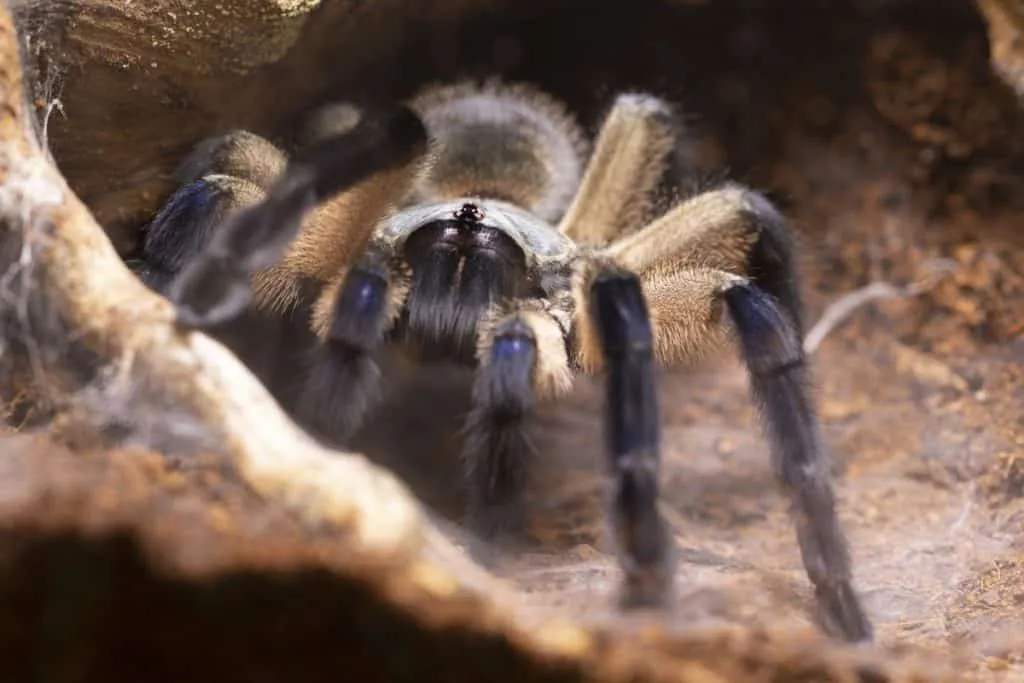
A pet tarantula is an exotic pet option for those seeking a unique and relatively low-maintenance companion. These large, hairy spiders are popular among hobbyists due to their fascinating behaviors, diverse appearances, and manageable care requirements. Unlike more traditional pets like dogs or cats, tarantulas don’t require daily walks or constant attention. They are primarily solitary creatures, thriving in individual enclosures and feeding on insects. The cost of owning a tarantula can vary significantly depending on the species, size, and the supplies needed to maintain its habitat. This guide provides a comprehensive overview to help you understand the costs associated with keeping a pet tarantula.
Different Tarantula Species
There are numerous species of tarantulas available as pets, each with its own unique characteristics, temperament, and price point. Some species are more docile and beginner-friendly, while others may be more defensive or require specific environmental conditions. The origin of the tarantula also influences its cost, with rarer species or those from specific regions often commanding higher prices. Popular choices include the Mexican Red Knee, known for its vibrant colors and relatively calm demeanor. The Chilean Rose is another common choice, known for its hardiness and affordability. Understanding the different species helps potential owners make informed decisions based on their experience level and budget. The price can vary significantly based on the species and rarity.
Popular Tarantula Species & Price

Here is a breakdown of popular tarantula species and their average costs. These prices are estimates and can vary based on the vendor, size, and availability. Prices may vary over time, so it is always best to check with local pet stores or reputable breeders for the most current pricing. The costs listed typically reflect the price of a juvenile or adult tarantula and do not include enclosure or supply costs.
Mexican Red Knee
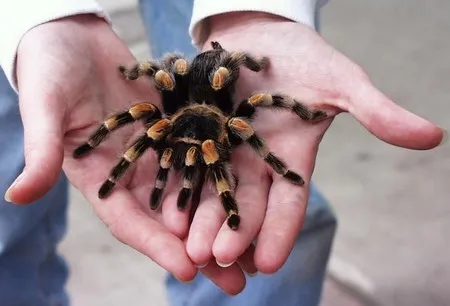
The Mexican Red Knee (Brachypelma hamorii) is a classic choice for beginners due to its striking appearance and docile nature. They typically range from $25 to $75, depending on size and vendor. Their vibrant red and black coloration makes them visually appealing, and they tend to be relatively easy to handle, although caution is always advised when interacting with any tarantula. Because of their popularity, they are often readily available.
Chilean Rose
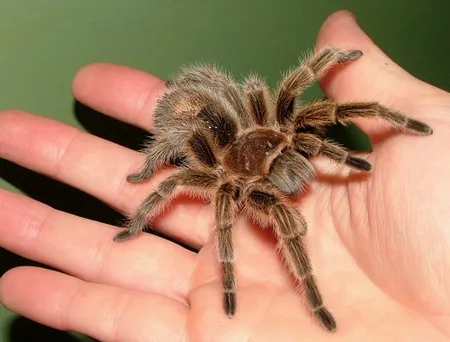
Chilean Rose (Grammostola rosea) tarantulas are known for their hardiness and affordability. Often priced between $20 and $50, they are a great entry point for new tarantula keepers. They are generally slow-moving and relatively calm, making them a good choice for those new to tarantula ownership. These tarantulas are also relatively long-lived, providing years of enjoyment for owners.
Goliath Birdeater

The Goliath Birdeater (Theraphosa blondi), one of the largest tarantula species, presents a more significant investment. While the initial cost can range from $100 to $300 or more, the experience of owning such a magnificent creature is unlike any other. Goliath Birdeaters require more substantial enclosures and more specialized care. Due to their size, their care can be more demanding, but for experienced keepers, they are an impressive pet.
Tarantula Cost Factors
Several factors impact the overall cost of owning a tarantula, extending beyond the initial purchase price. Understanding these cost factors is crucial for budgeting and ensuring you can provide proper care for your pet. Costs vary based on the following factors, which can impact the overall cost.
Species
The species of the tarantula is a primary factor. Rare or selectively bred species tend to be more expensive than common varieties. Factors that affect species price include availability, temperament, size, and any special care requirements. The more unique the species, the higher the price tag, especially if it is in high demand.
Age

Younger tarantulas (spiderlings) are often less expensive than adults. However, they require a more controlled environment and a higher level of care. Adult tarantulas are pricier but offer the advantage of already being established, with their full size and temperament known. Keep in mind that younger tarantulas may be more fragile.
Size
The size of the tarantula correlates with its age and can influence the price. Larger tarantulas typically cost more. More established larger tarantulas require a larger enclosure and potentially more food, which influences the overall cost of care. Size is directly related to age and the tarantula’s growth stage.
Origin
Tarantulas from certain geographic origins or with specific genetic backgrounds may command higher prices. Captive-bred tarantulas are often preferred, as they are typically healthier and less likely to carry parasites compared to wild-caught specimens. The origin of the tarantula impacts its price significantly.
Tarantula Enclosure Costs

Setting up the right enclosure is critical for your tarantula’s health and well-being. The cost of the enclosure, substrate, decorations, and equipment adds to the overall expense. These expenses are ongoing and should be budgeted appropriately.
Enclosure Size and Type
The size of the enclosure depends on the tarantula’s species and size. A small spiderling will need a smaller enclosure than a full-grown adult. The cost can range from $15 for a small plastic container to $100 or more for a large, custom-built terrarium. Glass or acrylic enclosures are popular choices because they allow for better viewing and are easy to clean. Vertical or horizontal enclosures are necessary, depending on the species.
Substrate
Substrate is the bedding material used in the enclosure. Common choices include coconut fiber, peat moss, and vermiculite. The cost is relatively low, typically ranging from $10 to $30 per bag, but the amount needed will depend on the size of the enclosure and the frequency of changes. Substrate provides a comfortable environment and helps maintain humidity levels. Consider how easy the substrate is to clean and whether it will be appropriate for the species.
Hides and Decorations
Tarantulas need hiding places to feel secure. These can include cork bark, artificial plants, or commercially available hides. The cost of these decorations ranges from $5 to $30 or more, depending on the size and complexity. These additions enhance the enclosure’s aesthetic appeal and provide the tarantula with enrichment.
Heating and Lighting
Depending on the species and your environment, you may need to provide heating and lighting. A heat mat or ceramic heat emitter can help maintain the proper temperature, costing between $15 and $50. While tarantulas don’t necessarily need special lighting, a low-wattage LED or UVB light can enhance the enclosure’s visibility. These costs depend on the size of the enclosure and the type of equipment needed.
Tarantula Food and Diet
Feeding your tarantula is another recurring expense. The cost of food depends on the tarantula’s size, species, and feeding frequency. The primary diet consists of live insects. Supplementing with vitamins is important for a healthy tarantula.
Live Insects
Live insects, such as crickets, mealworms, roaches, and dubia roaches, are the main food source. The cost varies depending on the type and quantity purchased. Crickets are often the most affordable option. Buying in bulk can help reduce costs, but ensure you have adequate space to house the insects. The average cost of insects per month can range from $10 to $30 or more.
Supplements and Vitamins
While not always necessary, supplementing your tarantula’s diet with vitamins or calcium can ensure optimal health. The cost of these supplements is relatively low, typically ranging from $5 to $15. They should be used as recommended by a vet or experienced tarantula keeper. Vitamin supplements promote healthy growth and molting cycles.
Feeding Frequency
The feeding frequency varies depending on the tarantula’s age and species. Young tarantulas may need to be fed several times a week, while adults can be fed once or twice a week. The cost associated with feeding varies accordingly. Monitor the tarantula’s abdomen and adjust feeding frequency to prevent under or overfeeding. Ensure the insects you feed your tarantula are healthy and come from a reputable source.
Tarantula Healthcare
Like any pet, tarantulas may require occasional healthcare. While generally low-maintenance, certain health issues can arise, necessitating veterinary care. Budgeting for potential medical expenses is essential. Regular check-ups are usually not required unless there are signs of illness.
Veterinary Check-ups
Finding a veterinarian experienced with tarantulas can be challenging, but it is vital to address health concerns. Veterinary check-ups are not typically routine but may be necessary if you notice unusual behavior, such as lack of appetite or lethargy. The cost of a vet visit can vary, but it’s a good idea to have a small emergency fund in case of health issues. Costs may range from $50 to $150 or more depending on the examination and treatment needed.
Identifying Common Health Issues
Learn to recognize the signs of common health issues, such as mites, fungal infections, or difficulty molting. These problems can often be treated with prompt intervention. Consult a veterinarian or experienced tarantula keeper if you suspect a health issue. Early detection can save on more expensive treatments later on.
Lifespan and Long-Term Costs
Tarantulas can live for many years, potentially requiring a long-term commitment and associated costs. The lifespan varies significantly among species, so research the species before getting one. Understanding the long-term costs will help you plan accordingly. Maintaining a healthy environment and proper care contributes to a long lifespan.
Comparing Tarantula Costs
Comparing the costs of different tarantula species and the associated care requirements is important for making an informed decision. Consider the initial purchase price, enclosure needs, and ongoing expenses such as food and substrate. Researching different species and their needs is crucial to finding the right fit for your budget and lifestyle.
What Impacts Tarantula Prices?
Several factors influence the price of tarantulas and the associated costs of care. Supply and demand, species rarity, and the tarantula’s origin all contribute to pricing. Be aware that the cost is not always the only factor. The cost is just one piece of the puzzle. A reputable breeder or seller will provide you with information about your new pet, the species’ needs, and any potential health considerations.
Conclusion: Is a Pet Tarantula Right for You?
Owning a pet tarantula can be a rewarding experience, offering a unique glimpse into the fascinating world of arachnids. Consider your financial resources, time commitment, and interest in exotic pets before acquiring one. Be prepared to invest in a proper enclosure, a healthy diet, and potential healthcare. Thorough research and responsible ownership are key to ensuring a healthy and fulfilling life for your pet tarantula. The cost, while sometimes a concern, should not deter you from doing proper research and planning before owning your new pet.