Tarantula Hawks Introduction
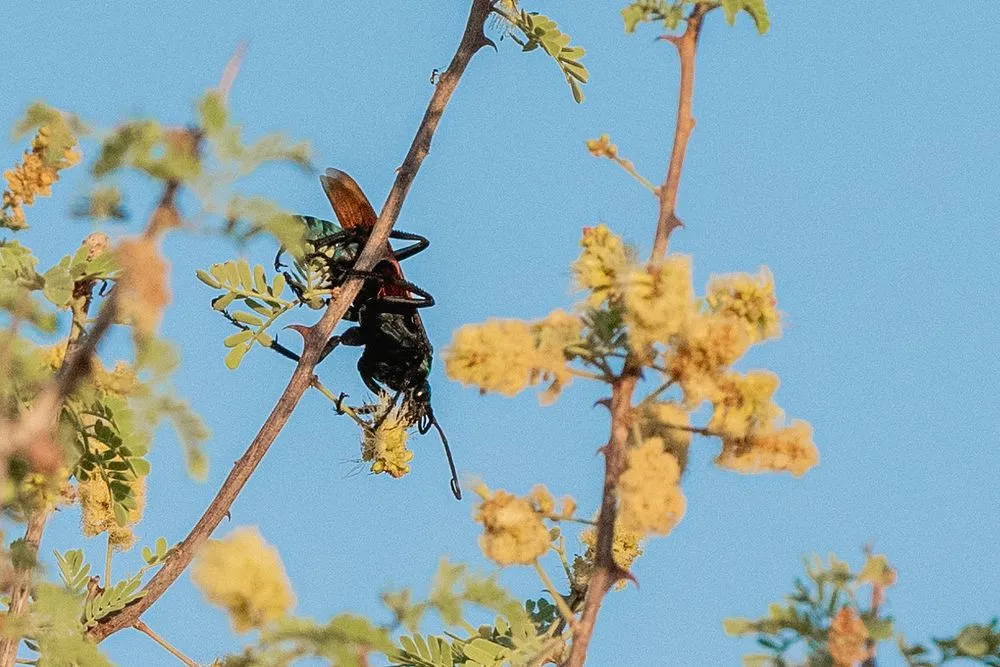
The tarantula hawk is a remarkable insect, a type of spider wasp, known for its impressive size, striking appearance, and a hunting strategy that is both brutal and fascinating. These wasps are among the largest in the world, often measuring several inches in length, with a vibrant color scheme of iridescent blue-black bodies and rusty orange wings. Their formidable appearance is matched by their powerful sting, considered by many to be the most painful in the insect world. But beyond their size and sting, tarantula hawks are captivating due to their specialized hunting behavior, where they target tarantula spiders as their primary prey. Their life cycle and survival are intricately linked to these large spiders, creating a unique dynamic in the ecosystem. This blog post delves into the amazing secrets of how these incredible creatures hunt, survive, and thrive in their environments.
The Tarantula Hawk’s Anatomy Key Features
Understanding the anatomy of the tarantula hawk provides insights into its hunting prowess. The wasp’s robust exoskeleton offers protection and support, while its strong mandibles assist in various tasks, from nest building to manipulating prey. The sensory organs play a vital role in locating and identifying prey. Large compound eyes provide excellent vision, essential for navigating the environment and spotting tarantulas. Antennae are highly sensitive, enabling the wasp to detect subtle changes in the air, such as the scent of a tarantula or the presence of a potential nesting site. Strong legs equipped with sharp claws allow the wasp to maneuver effectively, both in flight and on the ground, crucial for both capturing and transporting its prey. The overall build of the tarantula hawk is designed for a predatory lifestyle, combining power, agility, and precision.
Wings and Flight Abilities

The wings of the tarantula hawk are another remarkable feature. The large wingspan enables strong and agile flight, allowing the wasp to search vast areas for prey. The ability to maneuver with precision is essential when hunting, particularly during the initial approach to the tarantula, when the wasp is vulnerable. The wings also play a critical role in the transportation of the paralyzed tarantula to the nest, providing lift and stability as the wasp drags its heavy prey across the ground. The intricate vein patterns in the wings not only provide structural support but also contribute to the wasp’s aerodynamic efficiency, reducing drag and enhancing flight control. These flight adaptations are integral to the tarantula hawk’s hunting strategy, making them formidable aerial predators.
Stinger The Ultimate Weapon
The tarantula hawk’s stinger is arguably its most famous feature. This potent weapon is not only used for defense but is also key to the hunting process. The stinger injects a venom that swiftly paralyzes the tarantula, allowing the wasp to safely handle its prey. The pain from a tarantula hawk sting is infamously intense, ranked among the most painful insect stings known to humans. The venom composition is specifically designed to disable the spider without killing it, ensuring the tarantula remains alive to serve as a host for the wasp larva. This paralyzing ability is the foundation of the tarantula hawk’s hunting strategy, making it an efficient predator. The wasp’s control and precision in using its stinger highlight the sophisticated nature of its predatory behavior.
Tarantula Hawk Hunting Strategies
The tarantula hawk’s hunting process is a complex, strategic operation that begins with the search for a tarantula and ends with the preparation of a host for its larva. This remarkable hunt showcases the wasp’s instinct, precision, and intimate understanding of its prey. The process involves several distinct phases each of which is essential for successful predation. The wasp uses its exceptional sensory abilities and aerial skills to locate suitable prey. Once a tarantula is spotted, the wasp employs a series of maneuvers to subdue and paralyze the spider. Following the sting, the wasp transports the paralyzed tarantula to its nest, where it will lay an egg. This entire sequence is a testament to the tarantula hawk’s specialization as a predator.
Locating the Prey Finding Tarantulas

The search for prey begins with the tarantula hawk actively scanning its environment. The wasps often fly low to the ground, methodically surveying areas known to harbor tarantulas. Their keen eyesight and sensitive antennae are crucial for detecting the spider’s presence, whether it is actively hunting, hidden in its burrow, or simply moving across the terrain. Female tarantula hawks, being the hunters, have an exceptional ability to locate tarantulas. They use various environmental cues, including visual signs and pheromones, to pinpoint potential targets. The wasps will persistently explore until they find a suitable tarantula, initiating the next stage of their hunting strategy. This diligent search is a testament to the tarantula hawk’s commitment to its predatory role, ensuring the survival of its offspring.
Paralyzing the Tarantula The Sting
Once a tarantula has been located, the tarantula hawk executes its critical stinging maneuver. The wasp fearlessly approaches the tarantula, often engaging in a brief aerial dance before striking. The sting is delivered to a specific location, usually between the legs of the spider, where the venom can quickly and effectively paralyze it. The precision of the sting is essential, ensuring the tarantula is incapacitated but remains alive. This stage involves a high degree of risk, as the tarantula may attempt to defend itself. The wasp must evade the spider’s fangs while simultaneously delivering the paralyzing sting. The tarantula hawk’s ability to handle the immediate danger is one of the most fascinating aspects of their hunting behavior.
Transporting the Prey The Nest
After paralyzing the tarantula, the tarantula hawk must transport its massive prey to its nest. This task involves the wasp carefully dragging the tarantula, which can be several times its own size, across the ground. The wasp grips the spider with its mandibles and legs, slowly pulling it along a predetermined path, often over significant distances. This process showcases incredible strength and endurance, as well as a remarkable ability to navigate. The wasp is adept at selecting a suitable nest site, often a pre-existing burrow or a location it excavates itself. It is here that the paralyzed tarantula will serve as a host for the wasp larva. The transport phase is crucial to the wasp’s life cycle, ensuring the survival of its offspring.
Laying the Egg Lifecycle Begins

Once the tarantula is safely inside the nest, the tarantula hawk lays a single egg on the spider’s abdomen. This egg is the future of the wasp, carefully placed to ensure that the larva has a ready food source. The location of the egg is precise, and ensures the hatching larva will be able to immediately access the tarantula’s soft tissues. Following egg-laying, the wasp typically seals the nest, leaving the spider and egg to begin their unique relationship. This marks the beginning of a remarkable transformation, from egg to larva to pupa, all within the body of the paralyzed tarantula. The tarantula, though still alive, becomes a vessel for the next generation of tarantula hawks. The lifecycle of the wasp is entirely dependent on the success of this initial stage.
The Larva Stage Feeding and Growth
Upon hatching, the tarantula hawk larva immediately begins to feed on the paralyzed tarantula. Initially, the larva consumes non-essential tissues, allowing the tarantula to remain alive for an extended period, preserving the food source. As the larva grows, it consumes more of the spider, eventually killing it. The larva will undergo several molting stages, each one representing a step forward in its development. The tarantula provides a consistent and readily available food supply, which is essential for the larva’s rapid growth. The larva’s existence is entirely dependent on the spider, which becomes a living pantry to sustain it. The duration of the larval stage depends on various factors, including environmental conditions and the size of the spider.
Protecting the Nest Defensive Tactics
Tarantula hawks will defend their nests from potential predators or intruders. They have a reputation for being aggressive, particularly during the hunting and nesting phases. The wasps will actively protect their nests and developing larvae from threats. They are prepared to use their sting, which is extremely painful, as a form of defense. The wasps display a range of defensive behaviors, from warning displays to direct attacks. The intensity of their defense mechanisms is a testament to the importance of the nest, which houses the next generation of tarantula hawks. These protective strategies are crucial for ensuring the survival of the developing larva, making the tarantula hawk a vigilant protector of its offspring.
Tarantula Hawk Habitat Where They Hunt

Tarantula hawks thrive in specific environments, especially those that support their prey, the tarantula. The habitats where these wasps hunt are diverse, ranging from arid deserts to more temperate regions. The availability of suitable nesting sites, along with the presence of tarantulas, directly influences the tarantula hawk’s distribution and abundance. Understanding their preferred environments can provide deeper insight into their behavior and survival strategies.
Desert Environments Ideal Hunting Grounds
Desert environments, such as those found in the southwestern United States and parts of Mexico, provide excellent conditions for tarantula hawks. These areas typically host large populations of tarantulas and offer suitable ground for nesting. The wasps’ ability to withstand the harsh desert climate is a key factor in their success. Desert landscapes provide the open spaces they need for hunting and a variety of burrowing sites for both tarantulas and the wasps. These environments also offer a diverse ecosystem that supports their survival. The combination of abundant prey, appropriate nesting sites, and favorable climatic conditions makes deserts ideal habitats for the tarantula hawk.
Other Habitats Adaptability
While deserts are a prime habitat, tarantula hawks can also be found in other environments. They are capable of adapting to a range of conditions, including grasslands, scrublands, and even suburban areas where tarantulas are present. The ability to thrive in different habitats underscores the wasp’s adaptability and its broad range of ecological roles. These wasps are opportunistic hunters, and will adjust their behavior based on the local environment. The presence of suitable nesting sites, along with adequate prey, will influence their distribution. Their adaptability to a variety of habitats helps to ensure their long-term survival and ecological importance.
Conclusion The Amazing Hunter

The tarantula hawk’s hunting behavior is an amazing display of natural selection and adaptation. From their impressive anatomy and strategic hunting tactics to their complex life cycle, these wasps showcase the wonder of the natural world. Their ability to paralyze and utilize the tarantula to ensure the survival of their offspring is truly remarkable. Understanding how these predators function within their ecosystems provides valuable insights into the intricacies of nature. The tarantula hawk’s exceptional hunting skills and their fascinating life history make them one of the most intriguing insects on the planet.