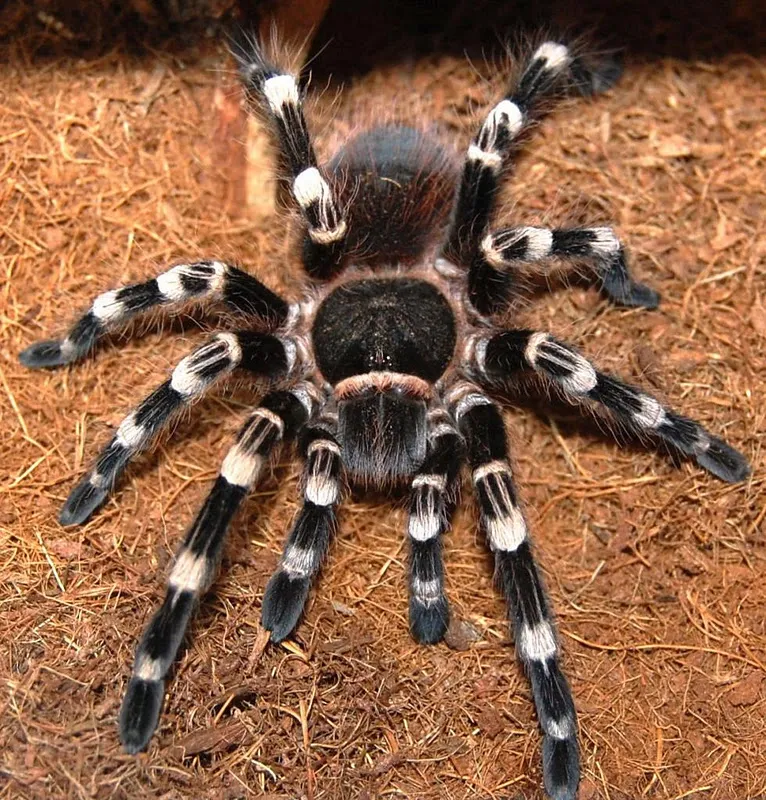
Understanding the Brazilian White Knee Tarantula (Acanthoscurria geniculata)
The Brazilian White Knee Tarantula, scientifically known as Acanthoscurria geniculata, is a captivating and popular species among tarantula enthusiasts. Known for its striking appearance, relatively docile temperament, and manageable size, this spider makes a fascinating pet for both novice and experienced keepers. Understanding the basic characteristics of this tarantula is crucial for providing the best possible care and ensuring its well-being. This comprehensive guide will delve into every aspect of caring for your Brazilian White Knee Tarantula, from habitat setup and feeding to health maintenance and safety precautions, helping you create a thriving environment for your eight-legged friend.
Natural Habitat and Appearance
In its natural habitat, the Brazilian White Knee Tarantula is found in the tropical rainforests of Brazil. These spiders are terrestrial, meaning they primarily live on the ground, often seeking refuge in burrows, under logs, or among dense vegetation. They thrive in warm, humid environments, which are crucial factors to replicate in their captive habitats. The Brazilian White Knee is one of the largest tarantulas in the world, boasting a leg span that can reach up to 8-10 inches. The name comes from the distinctive white bands present on their knees, which contrast dramatically against their dark brown to black bodies. The spiders also have urticating hairs on their abdomen, which they can flick off as a defense mechanism.
Creating the Ideal Habitat for Your Tarantula

Replicating the Brazilian White Knee Tarantula’s natural environment is key to its health and happiness. Providing the right habitat conditions minimizes stress and supports its overall well-being. This involves creating a suitable enclosure, maintaining the correct temperature and humidity levels, and providing a comfortable substrate and appropriate decor. The enclosure should be large enough for the tarantula to move around freely and exhibit natural behaviors like burrowing and exploring. The following sections will help you create the perfect home for your Brazilian White Knee Tarantula.
Choosing the Right Enclosure
The size of the enclosure is crucial. A juvenile Brazilian White Knee Tarantula can be housed in a small enclosure, but as it grows, it will require a larger space. For an adult, a terrarium that is at least 18x18x12 inches (length x width x height) is recommended, though a larger enclosure is always preferable. The enclosure should be made of glass or clear plastic to allow for easy viewing and observation. Ensure that the enclosure has a secure lid to prevent escapes. Good ventilation is also necessary to prevent the buildup of mold and maintain air quality. The ventilation should be designed to avoid drafts that could stress the tarantula.
Substrate and Decor
The substrate is the flooring material of the enclosure, and it serves several purposes, including providing a surface for the tarantula to walk on, helping to maintain humidity, and allowing the tarantula to burrow. A substrate mixture of peat moss, coconut fiber, and a bit of vermiculite works well. These materials retain moisture while allowing for good drainage. The substrate depth should be around 4-6 inches to allow for burrowing. Decorating the enclosure with a hide, such as a piece of cork bark or a half log, is essential. This provides the tarantula with a safe place to retreat and feel secure. Artificial plants can be added to enhance the aesthetic appeal and provide additional hiding spots, creating a more natural-looking environment. It is also important to provide a shallow water dish for drinking. The water dish should be shallow enough to prevent the tarantula from drowning.
Temperature and Humidity

Maintaining the correct temperature and humidity levels is critical for the health and well-being of your Brazilian White Knee Tarantula. The ideal temperature range is between 75-85°F (24-29°C). This can usually be achieved at room temperature, but a heat source, such as a heat mat attached to the side of the enclosure, might be needed to maintain the temperature in cooler climates. The heat mat should be regulated with a thermostat to prevent overheating. Humidity levels should be maintained at around 65-75%. This can be achieved by misting the enclosure with dechlorinated water every few days, depending on the ventilation. The substrate should be kept slightly moist but not waterlogged. A hygrometer is essential to monitor humidity levels accurately.
Feeding Your Brazilian White Knee Tarantula
Proper nutrition is vital for the growth and health of your Brazilian White Knee Tarantula. These tarantulas are voracious eaters and require a diet rich in protein. Providing the right type and amount of food will help ensure they thrive in captivity. Overfeeding can be as detrimental as underfeeding, so it is essential to understand the feeding habits of your tarantula and adjust accordingly.
What to Feed
The primary diet for a Brazilian White Knee Tarantula should consist of live insects. Crickets, dubia roaches, and mealworms are all excellent choices. The insects should be appropriately sized, meaning they should be no larger than the tarantula’s body. Variety in the diet is beneficial, so it is advisable to offer different types of insects. Before feeding insects to your tarantula, it’s important to gut-load them. Gut-loading involves feeding the insects nutritious foods, which then pass on those nutrients to the tarantula. Avoid feeding insects that have been exposed to pesticides. Occasionally, you can offer pre-killed insects if you are uncomfortable with live feeding, but live prey is generally preferred as it stimulates the tarantula’s natural hunting behavior. Always remove any uneaten food within 24 hours to prevent mold and mites.
Feeding Frequency

Feeding frequency depends on the tarantula’s age and size. Spiderlings (young tarantulas) should be fed more frequently, about twice a week or more. Juveniles can be fed once or twice a week, while adult tarantulas can be fed once every one to two weeks. Observe your tarantula’s abdomen; if it appears plump and round, it is well-fed. If the abdomen is shrunken or if the tarantula is showing signs of lethargy or refusing food, it might be an indication that the tarantula is about to molt. Always adjust the feeding schedule based on the individual tarantula’s needs and activity levels.
Water and Hydration
Fresh, clean water is essential for your Brazilian White Knee Tarantula. Always provide a shallow water dish filled with dechlorinated water. The dish should be easily accessible but shallow enough to prevent the tarantula from drowning. Regularly check the water dish and refill it as needed, typically every few days. If the tarantula is showing signs of dehydration, such as a shrunken abdomen, mist the enclosure more frequently. Ensure that the enclosure has proper ventilation to prevent excessive humidity.
Handling and Safety
Handling a Brazilian White Knee Tarantula should be done with caution and only when necessary. While generally docile, these tarantulas can bite if they feel threatened. Tarantulas are fragile, and a fall can be fatal. If you must handle your tarantula, do so close to the ground or a soft surface. Always wash your hands before and after handling the tarantula. Be mindful of urticating hairs, which can cause skin irritation if they come into contact with the skin. If you are bitten, clean the area thoroughly with soap and water and monitor for any signs of infection.
Is the Brazilian White Knee Tarantula Poisonous

No, the Brazilian White Knee Tarantula is not poisonous. The correct term to describe the venom is venomous. Poison is ingested or absorbed, whereas venom is injected. Tarantulas are venomous, meaning they deliver venom through their fangs. The venom of the Brazilian White Knee Tarantula is not considered deadly to humans, though it can cause pain, redness, and swelling at the bite site. It is important to be aware of this distinction to better understand the potential risks associated with keeping these fascinating creatures.
Venom vs Poison
The terms “venom” and “poison” are often used interchangeably, but they have distinct meanings in the context of biology. Venom is a toxic substance injected into a victim through a bite or sting. Poison, on the other hand, is a substance that causes harm when ingested, inhaled, or absorbed through the skin. Since the Brazilian White Knee Tarantula injects its toxins via its fangs, it is venomous, not poisonous. The study of venomous animals and their toxins is called venomics, which helps to understand the effects of venom and potential treatments.
Severity of a Bite
The bite of a Brazilian White Knee Tarantula is generally not life-threatening to humans. The effects are usually localized to the bite site and may include pain, redness, swelling, and itching. Some individuals may experience more severe reactions, such as muscle cramps or nausea, but these are rare. The severity of the bite can vary depending on factors like the individual’s sensitivity and the amount of venom injected. It’s essential to remain calm and to clean the bite area with soap and water. Medical attention is usually not necessary, but if symptoms are severe or persistent, consult a healthcare professional.
Common Health Issues and How to Prevent Them

Maintaining a healthy environment is crucial for preventing health issues in your Brazilian White Knee Tarantula. Dehydration can be avoided by providing a constant supply of fresh water and monitoring humidity levels. Parasites, such as mites, can be introduced through new substrate or insects. Always quarantine new additions and inspect them carefully before introducing them to the enclosure. Respiratory infections can occur if humidity is too high or if the enclosure is not well-ventilated. Ensuring proper ventilation and regulating humidity will help prevent these infections. Any changes in behavior, such as lethargy or loss of appetite, should be monitored closely as they might indicate a health issue. Providing a good quality habitat will minimize stress, a significant contributor to health problems.
Moulting Process
Moulting, the process of shedding the exoskeleton, is a natural and essential part of a tarantula’s growth. During moulting, the tarantula sheds its old skin and grows a new, larger one. Preparing for moulting, the tarantula will often become less active, may stop eating, and its abdomen might appear darker. Provide a moist environment during this time and avoid disturbing the tarantula. After moulting, the tarantula’s new exoskeleton will be soft, so it is essential to avoid handling it until the exoskeleton hardens, which may take several days. Properly maintaining humidity and temperature during the moulting period will help facilitate the process, ensuring a healthy moult. The discarded exoskeleton provides a fascinating record of the tarantula’s growth.
Recognizing and Addressing Health Problems
Early detection of health issues is key to successful treatment. Signs of illness include lethargy, loss of appetite, unusual posture, or visible injuries. If your tarantula is not eating, check the enclosure’s temperature and humidity to ensure they are within the proper ranges. If you suspect a health problem, quarantine the tarantula in a separate enclosure and consult with a veterinarian experienced with exotic pets. Examine the enclosure and adjust conditions as needed. Always consult with a professional when addressing any health problems, as they can provide the best advice and care. Proper care and a proactive approach can help to ensure that your Brazilian White Knee Tarantula remains healthy.
Conclusion

Caring for a Brazilian White Knee Tarantula can be a rewarding experience, offering a unique glimpse into the world of these fascinating creatures. By providing the correct habitat, maintaining proper temperature and humidity, and feeding your tarantula a nutritious diet, you can ensure its health and well-being. Understanding the distinction between venom and poison and knowing the severity of a bite are crucial safety precautions. Regular monitoring of your tarantula’s behavior, along with recognizing and addressing any health issues promptly, will further contribute to a long and fulfilling relationship with your pet. With proper care and attention, your Brazilian White Knee Tarantula can thrive, providing you with years of enjoyment.