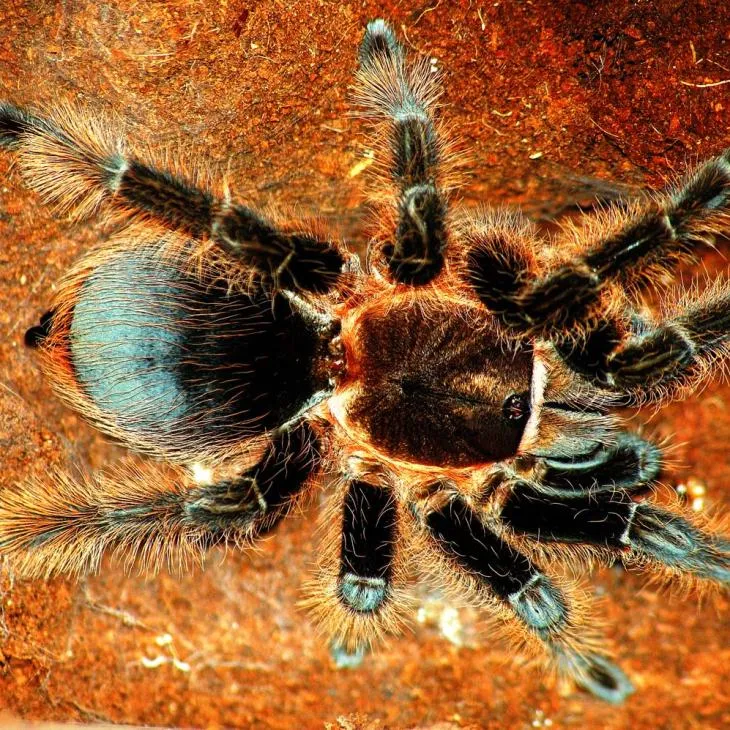
The Honduran curly hair tarantula, a popular pet known for its docile nature, can still pose a risk of a bite if mishandled or provoked. Understanding how to handle a Honduran curly hair tarantula bite is crucial for any owner or enthusiast. While their venom is generally not life-threatening to humans, the bite can cause discomfort and, in rare cases, allergic reactions. This guide provides comprehensive information on the nature of these bites, immediate actions to take, preventative measures, and long-term care, ensuring both your safety and the well-being of your tarantula.
Understanding Honduran Curly Hair Tarantula Bites
A Honduran curly hair tarantula bite is typically a defensive mechanism, occurring when the spider feels threatened. Unlike some spiders, tarantulas do not actively hunt humans or seek to bite. The bite itself is delivered through the fangs, which inject venom. This venom is designed to subdue prey and contains a mixture of enzymes and toxins. The effects on humans can range from mild discomfort to more severe allergic reactions, depending on individual sensitivity and the amount of venom injected. The spider’s size and the depth of the bite can also influence the severity of symptoms.
What Happens During a Honduran Curly Hair Tarantula Bite
When a Honduran curly hair tarantula bites, the initial sensation is often described as a sharp, stinging pain, similar to a bee sting. The fangs pierce the skin, and venom is injected into the wound. The area around the bite may become red and swollen. It is common to experience localized pain, itching, and sometimes a burning sensation. The severity of these symptoms varies. Other symptoms may include muscle cramps. In rare cases, individuals may experience allergic reactions, which can manifest as difficulty breathing, swelling of the throat or face, and dizziness. These symptoms require immediate medical attention. The bite is not usually lethal but is nonetheless unpleasant and may cause considerable anxiety for the victim.
The Mechanics of a Tarantula Bite

The bite process involves the tarantula using its chelicerae, the mouthparts that house the fangs, to pierce the skin. The fangs, which are typically quite large, can penetrate deeply, allowing for efficient venom delivery. The spider controls the amount of venom injected, which can vary based on the perceived threat level. This control, coupled with the nature of the venom itself, influences the resulting symptoms. It is the spider’s way to quickly neutralize a threat or defend itself, although the amount of venom injected is relatively small compared to other venomous animals. The mechanical aspect also includes the physical trauma of the fang penetration, which itself can cause pain and potential tissue damage.
The Venom of the Honduran Curly Hair Tarantula
The venom of the Honduran curly hair tarantula is primarily composed of proteins and enzymes. The primary purpose is to immobilize the spider’s prey. These proteins interact with the nervous system and muscles of the victim, causing pain and potentially muscle spasms. The venom does not typically contain toxins that are severely harmful to humans, unlike those found in some other spider species. However, individuals may react differently. The venom can cause a range of symptoms from mild itching to localized pain and swelling. The effects typically subside within a few hours or days, but, in some cases, symptoms can persist for a longer time. It is important to remember that the venom is not as potent as some other species, reducing the potential danger.
Immediate Actions After a Bite
If bitten by a Honduran curly hair tarantula, the first step is to remain calm. Panic can exacerbate the situation. Move away from the spider to ensure you don’t receive another bite. The next step is to assess the wound. Look for the fang marks and any signs of allergic reactions, like swelling or difficulty breathing. Clean the bite area thoroughly with mild soap and water to reduce the risk of secondary infection. It’s helpful to note the time of the bite to monitor the progression of any symptoms. Taking photos can also assist medical professionals to evaluate the situation. If you start experiencing serious symptoms like difficulty breathing, seek immediate medical attention.
First Aid Steps to Take

Following a bite, apply a cold compress to the affected area to help reduce pain and swelling. Keep the area elevated, if possible, to minimize swelling. Over-the-counter pain relievers, like ibuprofen or acetaminophen, can help manage the pain. Antihistamines may be useful if itching or mild allergic reactions occur. If the symptoms worsen or if any signs of a severe reaction appear, such as difficulty breathing, seek immediate medical help. Do not attempt to suck out the venom or apply a tourniquet, as these methods are ineffective and could cause more harm. Closely monitor the bite site for any signs of infection, such as increased redness, warmth, or pus.
Cleaning and Assessing the Wound
Proper wound care is essential. Gently wash the bite area with mild soap and water to remove any venom or debris. Pat the area dry with a clean towel. Avoid scrubbing, as this can irritate the wound. Examine the bite site for any signs of infection. Redness, swelling, warmth, and pus are all indications of a potential infection and should be evaluated by a healthcare professional. Regularly clean the wound and keep it dry to facilitate healing. It’s also helpful to monitor the bite site for any unusual changes, such as increased pain or the appearance of blisters. If an infection develops, antibiotics may be required to treat the infection.
Identifying Allergic Reactions and Symptoms
Allergic reactions to a tarantula bite can vary in severity. Mild symptoms include localized itching, redness, and swelling. More severe reactions can involve difficulty breathing, swelling of the throat or face, hives, dizziness, and nausea. If you experience any of these severe symptoms, seek medical attention immediately. Anaphylaxis, a life-threatening allergic reaction, can occur in rare cases. Symptoms of anaphylaxis include a rapid drop in blood pressure, loss of consciousness, and difficulty breathing. Quick administration of epinephrine (an EpiPen) and other emergency treatments are crucial. Keep an eye out for these symptoms for up to 24 hours after the bite.
When to Seek Medical Attention
Although most tarantula bites are not life-threatening, it’s important to know when to seek medical attention. Consult a healthcare professional if you experience any of the following: severe pain, extensive swelling, difficulty breathing, signs of an allergic reaction, such as swelling of the face or throat, or symptoms of infection, such as increased redness, warmth, or pus around the bite site. If the bite occurred on the face, neck, or any area near a major blood vessel, seek medical care. Describe the circumstances of the bite and any symptoms you’re experiencing to the medical professional. Prompt medical attention can prevent serious complications and ensure the best possible outcome.
Preventing Honduran Curly Hair Tarantula Bites
The best way to handle a tarantula bite is to prevent it. This involves following safe handling practices and creating a safe environment for both you and your tarantula. Educate yourself about the tarantula’s behavior and how it reacts to different stimuli. Knowing its temperament helps in predicting its actions and avoiding potential bites. Keep the tarantula in an appropriate enclosure and avoid reaching into the enclosure with bare hands. Use long-handled tongs to move or handle the tarantula, minimizing the risk of direct contact. Always be mindful of your surroundings and avoid sudden movements that could startle the tarantula. Always supervise children and educate them about tarantula safety.
Safe Handling Practices
When handling a Honduran curly hair tarantula, always use caution. Handle your tarantula in a controlled environment, such as a secure space. Avoid handling the tarantula if you are tired, stressed, or distracted. Before handling, wash your hands to remove any scents that might provoke the spider. Use long tongs or a soft brush to gently guide the tarantula. Avoid sudden movements that could startle the spider. Never attempt to grab or restrain the tarantula. If the tarantula starts showing defensive behaviors, such as raising its front legs or flicking hairs, carefully put it back in its enclosure. Always supervise children when they are around tarantulas, educating them about safe handling practices and potential risks.
Creating a Safe Environment for the Tarantula
A safe environment for the tarantula is crucial in preventing bites. The enclosure should be appropriately sized for the spider, providing enough space for movement and hiding. The enclosure should be secure, with a tight-fitting lid to prevent escape. Provide appropriate substrate, such as coconut fiber or peat moss, to mimic the spider’s natural environment. Keep the enclosure clean by removing uneaten food and fecal matter regularly. Maintain the correct temperature and humidity levels for the species. Avoid disturbing the tarantula unnecessarily. Provide hiding places, such as cork bark or artificial plants, to allow the tarantula to retreat and feel secure.
Long-Term Care and Recovery
After a tarantula bite, the primary focus is on wound care, symptom management, and monitoring for any complications. Following the initial first aid measures, continue to clean and assess the bite site daily. Watch for signs of infection, such as increased redness, swelling, or pus. Monitor for any allergic reactions that may develop. Ensure the bite is healing properly and seek medical advice if you have any concerns. Additionally, it’s important to address any emotional distress caused by the bite. The experience can be unsettling, so taking it easy and staying in contact with medical services is the best way to handle this situation.
Wound Care and Healing
The healing process of a tarantula bite is similar to that of other minor injuries. Keep the bite area clean and dry to facilitate healing. Wash the area gently with mild soap and water daily. Apply a thin layer of antibacterial ointment, if recommended by a healthcare professional. Cover the bite with a clean bandage to protect it from contamination. Change the bandage daily. Avoid scratching the bite, as this can impede healing and increase the risk of infection. If the bite site becomes increasingly painful, red, or swollen, consult with a healthcare provider, as those could be signs of an infection. With proper care, most bites heal within a week or two.
Managing Discomfort and Pain

The pain and discomfort from a tarantula bite can be managed using several methods. Over-the-counter pain relievers, such as ibuprofen or acetaminophen, can help reduce pain. Applying a cold compress to the bite site can provide relief from pain and swelling. Antihistamines may be helpful if itching is present. Elevating the affected limb can reduce swelling. Rest is also essential, as it allows your body to focus on healing. Avoid activities that could further irritate the bite site. If the pain is severe or persistent, consult a healthcare provider, as they may recommend stronger pain relief or other treatments.
Frequently Asked Questions About Bites
Many people have questions about tarantula bites. Here are answers to some of the most common questions: Yes, tarantulas can bite, but bites are usually a defensive response, not an aggressive act. The venom of the Honduran curly hair tarantula is not typically life-threatening to humans. The effects of a bite vary from person to person but usually include localized pain, redness, and swelling. In rare cases, allergic reactions can occur. First aid includes cleaning the bite, applying a cold compress, and taking over-the-counter pain relievers. Seek medical attention if you experience severe symptoms. Bites can be prevented by following safe handling practices and creating a safe environment for the tarantula. Always handle tarantulas with care and respect, understanding their natural behaviors.
How Dangerous is a Honduran Curly Hair Tarantula Bite
A Honduran curly hair tarantula bite is generally not considered highly dangerous to humans. Its venom is not as potent as the venom of some other spider species. The primary concern is the local reaction at the bite site and the potential for an allergic response. Serious complications are rare but can include anaphylaxis, which requires immediate medical attention. Most people experience mild to moderate symptoms, which resolve within a few days. The overall danger depends on the individual’s sensitivity to the venom, the amount of venom injected, and whether an allergic reaction occurs. Prevention through careful handling and maintaining a safe environment remains the best approach.
Do Honduran Curly Hair Tarantulas Bite Often

Honduran curly hair tarantulas are not known for biting frequently. They are generally docile and prefer to flee or flick urticating hairs as a defense mechanism before biting. Bites typically occur when the spider feels threatened, such as when mishandled or cornered. Factors that may increase the likelihood of a bite include stress, rough handling, or the presence of perceived threats. A well-cared-for and handled tarantula is unlikely to bite. Owners who follow safety guidelines and understand their tarantula’s behavior greatly reduce the risk of being bitten. Prevention through responsible pet ownership is key. Always respect the spider’s space and be mindful of its needs.
In conclusion, understanding how to handle a Honduran curly hair tarantula bite involves knowing the risks, taking immediate action, preventing bites, and providing appropriate care. While the bites are typically not life-threatening, they can cause discomfort and anxiety. By following the guidelines, pet owners and enthusiasts can minimize the risks and ensure their well-being. Always be cautious, practice safe handling, and know when to seek medical help. By taking these precautions, you can enjoy the companionship of your tarantula while minimizing the potential for any unpleasant encounters. Remember that the safety of both you and your pet should always be the top priority.