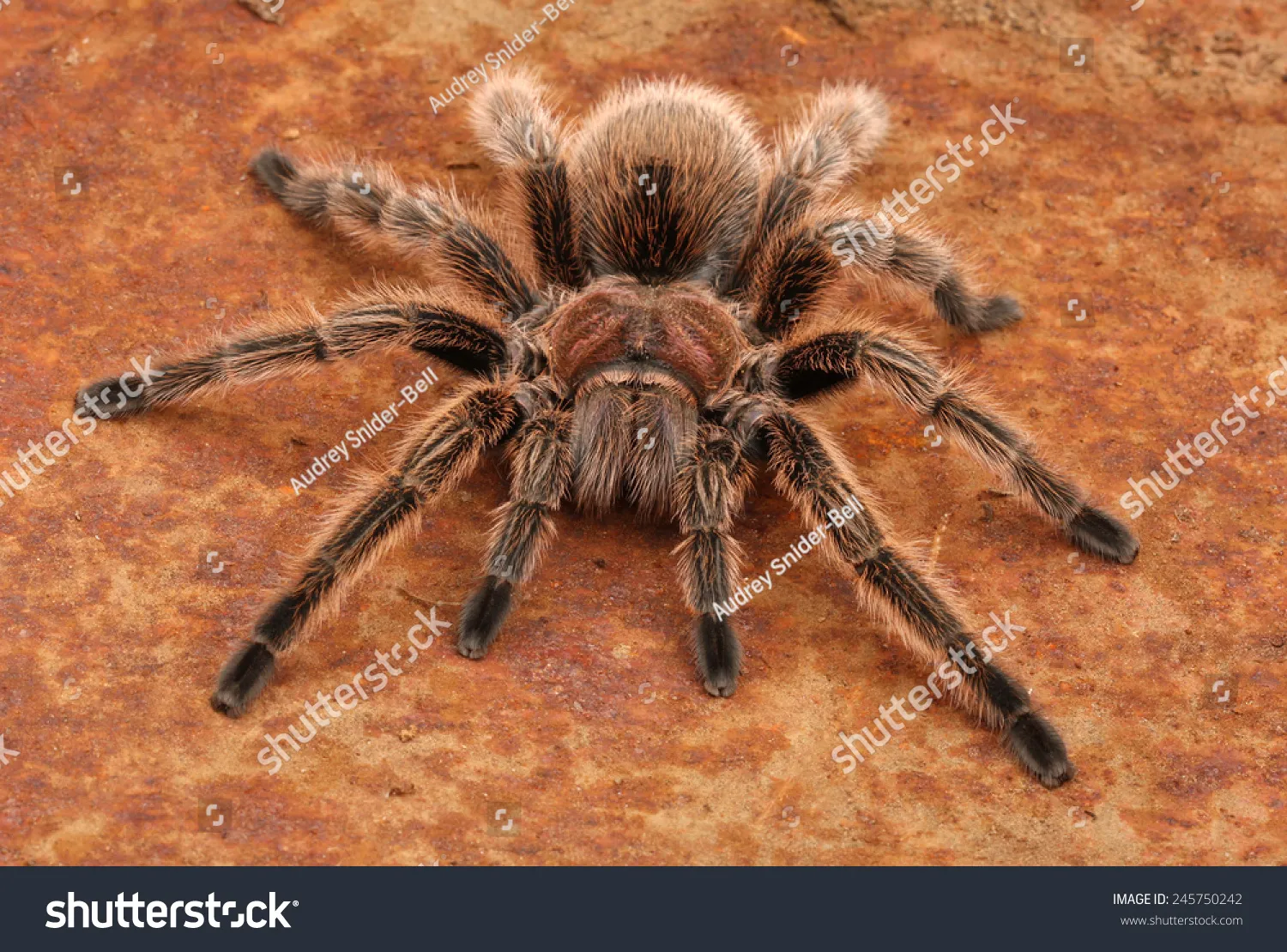
Understanding Chilean Rose Tarantula Molting
Molting is a natural and essential process for Chilean Rose Tarantulas, a type of terrestrial tarantula native to the Atacama Desert and surrounding regions. It is how these arachnids grow and replace their old exoskeletons. The exoskeleton, a hard, protective outer layer made of chitin, doesn’t grow. As the tarantula grows, it must shed this restrictive covering and produce a new, larger one. Understanding this process is crucial for providing the right care and ensuring the well-being of your pet tarantula. Successfully navigating the molting cycle is a testament to the tarantula’s health and vitality, and knowing how to support them during this time is an important aspect of responsible tarantula ownership. The Chilean Rose Tarantula, known for its docile temperament and relatively easy care requirements, still demands attention to its specific needs, particularly during the molting process.
What is Molting?
Molting, or ecdysis, is the process by which a tarantula sheds its exoskeleton. This outer layer, providing protection and support, is essentially an external skeleton. It is made of chitin and proteins. As the tarantula grows, the exoskeleton becomes too small and restrictive. Molting allows the tarantula to shed this old, tight-fitting shell and reveal a new, larger one underneath. The process can take anywhere from a few hours to several days, depending on the tarantula’s size, age, and overall health. The new exoskeleton is initially soft and vulnerable, gradually hardening over several days. During this period, the tarantula is particularly susceptible to injury and stress. Therefore, creating an appropriate and undisturbed environment during molting is a key element of responsible tarantula care. The frequency of molting decreases as the tarantula matures, with juveniles molting more often than adults.
The Exoskeleton and Molting

The exoskeleton serves multiple critical functions for the Chilean Rose Tarantula. It provides structural support, protects against predators, and helps prevent water loss. However, because the exoskeleton doesn’t grow, it must be replaced periodically. The molting process involves the tarantula secreting enzymes to detach the old exoskeleton from the underlying tissues. The tarantula then absorbs fluids, which causes its body to swell and split the old exoskeleton open, usually along the carapace (the top part of the cephalothorax) and the abdomen. The tarantula then wriggles out of the old shell, leaving behind a perfect, albeit empty, replica of itself. The new exoskeleton, initially soft and pliable, gradually hardens over several days or weeks, during which time the tarantula remains vulnerable. The old exoskeleton, discarded after the molt, is often found intact, with all the spider’s features preserved, offering a fascinating glimpse into the tarantula’s previous form.
Signs Your Tarantula Is Preparing to Molt
Recognizing the signs that your Chilean Rose Tarantula is about to molt is crucial for providing appropriate care and minimizing stress. By observing your tarantula’s behavior and appearance, you can anticipate the molting process and adjust the environment accordingly. Several key indicators can help you prepare for this significant event. These signs often manifest in a gradual but noticeable manner, allowing owners to take proactive steps to ensure their tarantula’s safety and comfort during this vulnerable period. Monitoring your tarantula’s condition, behavior, and overall well-being will help you to be prepared for the molting process.
Lethargy and Loss of Appetite
One of the first signs of an impending molt is often a decrease or complete loss of appetite. Your tarantula may refuse to eat, even if offered its favorite food. This change in behavior is due to the internal processes of the molting cycle. As the tarantula prepares to shed its exoskeleton, it conserves energy and focuses on the molting process. Additionally, the tarantula’s mouthparts may become less functional as the molt approaches. If your tarantula has stopped eating, but otherwise seems healthy, and you suspect a molt is coming, it’s best not to force-feed. Continuing to offer food, even if refused, is a good practice but do remove uneaten food to maintain cleanliness. The lack of appetite can last for several days or even weeks before the molt. A healthy, well-fed tarantula can easily withstand this period of fasting.
Darkening of the Abdomen

As the molt approaches, you might notice a darkening of the tarantula’s abdomen. This discoloration is caused by the new exoskeleton forming beneath the old one. The color change is often subtle, and the degree of darkening can vary depending on the individual tarantula and its species. This darkening is an indication that the molting process is well underway internally. Paying attention to this change in appearance, along with other signs, can provide further confirmation that molting is near. The abdomen may also appear plumper or more distended than usual as the new exoskeleton develops and the tarantula prepares to shed its old shell.
Changes in Behavior
In addition to physical changes, your tarantula’s behavior may also change. You might observe it becoming more reclusive and spending more time hiding in its burrow or a secure part of its enclosure. The tarantula may become less active, moving around less frequently. Some tarantulas may also start to prepare their enclosure for molting, creating a webbing mat or sealing themselves off in their burrow. These behavioral changes are all normal and indicate that the tarantula is preparing for the molting process. It’s important to avoid handling or disturbing your tarantula during this time. Provide a calm and undisturbed environment to reduce stress and allow the molting process to proceed smoothly.
Creating the Right Environment for Molting
Creating a proper environment for your Chilean Rose Tarantula during molting is essential for its well-being and the success of the molt. The environment should provide the correct temperature, humidity, and a safe, undisturbed space. Proper preparation can significantly increase the chances of a successful molt and reduce the risk of complications. Paying close attention to these environmental factors will help ensure your tarantula can molt safely and without undue stress.
Temperature and Humidity

Chilean Rose Tarantulas thrive in a specific range of temperature and humidity, and maintaining these conditions is especially important during molting. The ideal temperature for these tarantulas is generally between 75-80°F (24-27°C). While slight variations are usually tolerated, maintaining a consistent temperature is key. Humidity levels should be kept moderate, around 60-70%. To maintain humidity, you can lightly mist the enclosure once or twice a week, making sure the substrate is slightly moist, but not waterlogged. Proper ventilation is also crucial to prevent the growth of mold and ensure that air circulates through the enclosure. Monitor the temperature and humidity regularly, using a thermometer and hygrometer, to ensure the environment meets your tarantula’s needs.
Providing a Secure and Safe Space
During molting, tarantulas are extremely vulnerable. They need a secure and safe space where they feel protected. Provide a deep substrate layer, such as coconut fiber or peat moss, to allow the tarantula to burrow if it chooses. Ensure the enclosure has hiding places, such as a piece of cork bark or a cave, where the tarantula can retreat and feel safe. Minimize disturbances by placing the enclosure in a quiet area away from foot traffic and loud noises. Avoid handling the tarantula or making sudden movements near its enclosure. A calm and stable environment will help reduce stress during molting and increase the chances of a successful outcome. Make sure the enclosure is free of hazards, such as sharp objects or anything that could harm the tarantula during the molting process.
What to Avoid During Molting
Certain actions can negatively impact your Chilean Rose Tarantula during the molting process. Being aware of what to avoid can help prevent stress, injury, and complications. Understanding these ‘do nots’ will contribute to a healthier molt and a safer environment for your pet. Minimizing disturbance and providing the right care during this critical phase can help your tarantula thrive.
Don’t Disturb Your Tarantula

One of the most important things to avoid is disturbing your tarantula while it’s molting. Refrain from handling your tarantula or opening its enclosure unnecessarily. Sudden movements, vibrations, or loud noises can startle the tarantula and disrupt the molting process. The tarantula may be very sensitive and any disturbance can lead to complications. If you need to check on your tarantula, do so carefully and from a distance. Observe from outside the enclosure. Allow the tarantula to molt in peace, and resist the urge to interfere, even if you are concerned. Providing a calm and undisturbed environment is the best way to support a successful molt.
Avoid Feeding
Do not feed your tarantula during the molting process. As previously mentioned, a loss of appetite is a common sign of an impending molt. Offering food during this time can stress the tarantula, and it’s unlikely to eat. Even if it does eat, the tarantula may regurgitate the food. The tarantula’s mouthparts are not fully functional and it is not able to consume food properly during a molt. Wait until the tarantula has fully hardened its new exoskeleton before resuming feeding. This usually takes several days to a week or more after the molt. Make sure the tarantula has access to fresh, clean water throughout the molting process, but otherwise, leave it undisturbed.
Post-Molting Care
Once your Chilean Rose Tarantula has successfully molted, there are a few essential things to keep in mind. The post-molt phase is a critical time for your tarantula to regain its strength and resume its normal activities. Providing the proper care during this phase can contribute to a successful recovery and ensure your tarantula’s well-being. Knowing what to expect and how to respond is key to supporting your tarantula post-molt.
What to Expect After the Molt

After the molt, your tarantula’s new exoskeleton will be soft and vulnerable. It will need time to harden and regain its full strength. Your tarantula may appear pale in color and less active immediately after molting. The chelicerae, the tarantula’s fangs, are also soft and unable to inject venom effectively. The tarantula will likely spend the first few days resting and allowing its new exoskeleton to harden. Provide a calm and undisturbed environment during this time. Avoid handling the tarantula until its exoskeleton is fully hardened. The timing for hardening can vary, but it usually takes a week or two, or more for larger specimens. Observe your tarantula’s behavior, and wait until it starts to move around normally before resuming regular care routines.
Feeding Your Tarantula After Molting
Once the exoskeleton has fully hardened, you can resume feeding your tarantula. Start with a small meal, such as a small cricket or mealworm, to allow the tarantula to test its new fangs and feeding abilities. Be patient, as the tarantula might not be interested in eating immediately. You can offer food every few days, gradually increasing the size and frequency of meals as your tarantula regains its appetite. Ensure that the food is appropriate in size and type for your tarantula. Remove any uneaten food within 24 hours to prevent mold growth and maintain a clean enclosure. Monitor the tarantula’s feeding behavior and adjust the amount of food accordingly. Regular feeding helps in the overall growth and development of your Chilean Rose Tarantula.
Troubleshooting Common Molting Issues
While molting is a natural process, complications can arise. Being aware of common problems and how to address them can help you provide the best possible care for your Chilean Rose Tarantula. Some issues may need a vet’s assessment. Recognizing these issues early and understanding the appropriate responses can improve your tarantula’s chances of a healthy recovery.
- Stuck Molt This occurs when the tarantula is unable to completely shed its old exoskeleton. This is often caused by low humidity or a problem with the tarantula. If the tarantula appears stuck, gently mist the enclosure and increase the humidity. Monitor it closely, but avoid pulling the exoskeleton, as this can cause serious injury. In some cases, a vet might have to remove it.
- Loss of Limbs Occasionally, a tarantula may lose a limb during molting. This can happen if a leg gets stuck in the old exoskeleton. The good news is that tarantulas can regenerate lost limbs over several molts. Ensure that the tarantula has access to clean water and a safe environment. The new limb will grow back gradually, and the tarantula will regain full function. Keep the environment very clean.
- Failure to Molt This is rare, but a tarantula may die during the molting process. This can be caused by a variety of factors, including illness, old age, or environmental stressors. If your tarantula fails to molt successfully, it’s essential to consult with a veterinarian or experienced tarantula keeper. The chances of survival are low. If you observe a tarantula that has been trying to molt for over a week, consult a professional.
Molting is a remarkable event in the life of a Chilean Rose Tarantula. By understanding the process, recognizing the signs, and providing the appropriate environment and care, you can help your tarantula molt successfully and thrive. Remember that patience and observation are key. Always prioritize the well-being of your tarantula and consult with a veterinarian or experienced tarantula keeper if you have any concerns or if any complications arise.