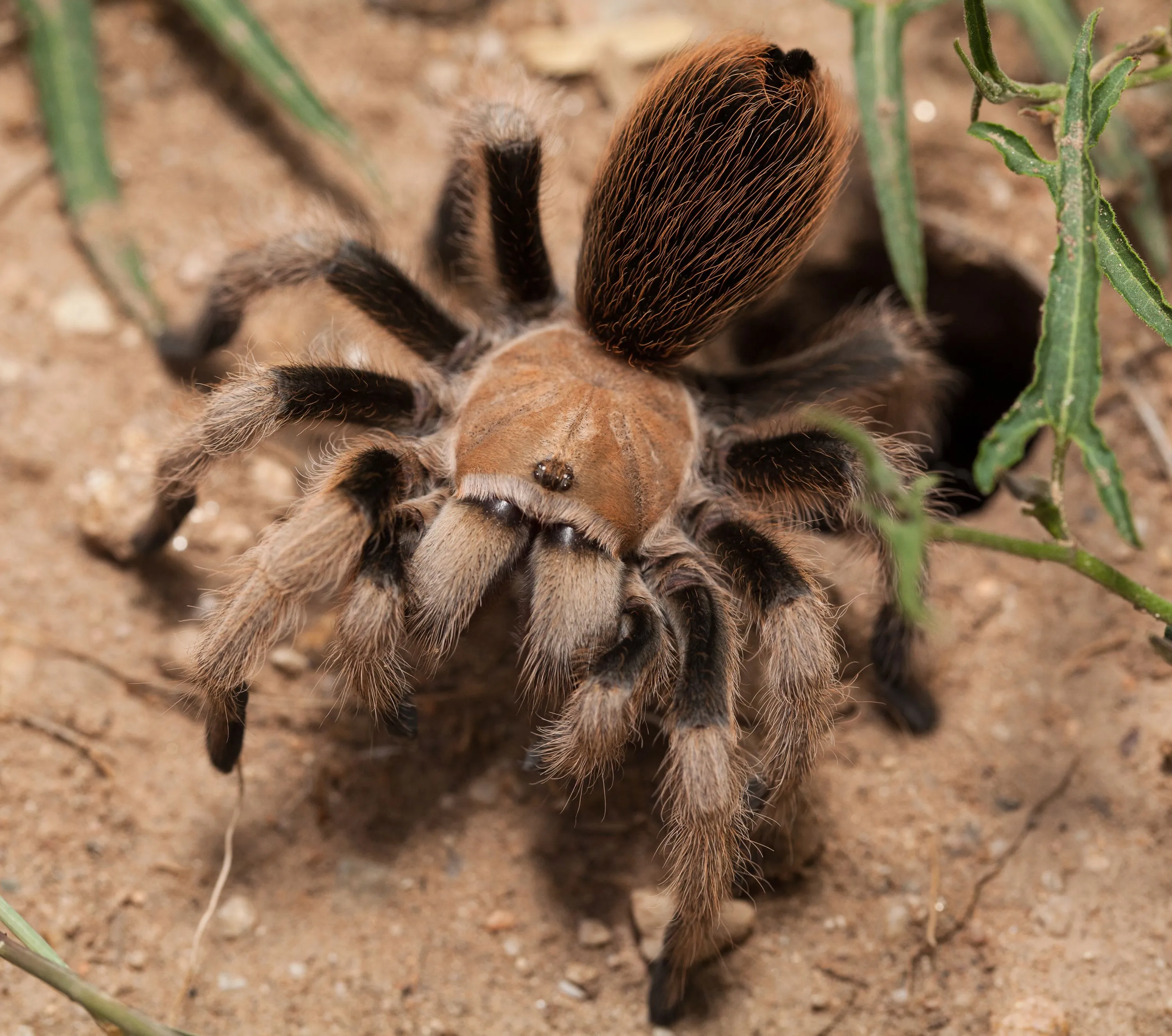
What is a Tarantula?
Tarantulas are large, hairy spiders belonging to the Theraphosidae family. These fascinating creatures are known for their impressive size, with some species boasting leg spans exceeding 10 inches. They are generally docile and, with proper care, can make rewarding pets. Tarantulas are native to various regions around the world, thriving in diverse habitats. Their captivating appearance and relatively low-maintenance nature have made them increasingly popular among pet enthusiasts. However, before you bring one home, it’s important to understand their needs and ensure you can provide the right environment for them to thrive.
Tarantula Habitats and Species
Tarantulas are found in a variety of habitats, ranging from tropical rainforests to arid deserts. Understanding their natural environment is crucial for replicating it in captivity. They are primarily terrestrial, living on the ground, though some species are arboreal, preferring to dwell in trees. Knowing whether a tarantula is from a humid or dry environment will guide you in setting up the perfect enclosure. Different species have evolved unique characteristics to survive in their respective habitats, which influences their behavior and care requirements. The diversity of tarantula species also dictates the specific needs of your pet, so research is key.
Choosing the Right Tarantula Species

Not all tarantula species are created equal when it comes to pet ownership. Some are better suited for beginners due to their temperament and care requirements. Consider the following factors when selecting a species: temperament, size, lifespan, and venom potency. The Mexican Red Knee (Brachypelma hamorii) and the Chilean Rose Hair (Grammostola rosea) are popular choices for beginners due to their docile nature and relatively easy care. Research the specific needs of each species, including their preferred habitat, diet, and potential health issues. Always obtain your tarantula from a reputable breeder or pet store to ensure it is healthy and properly identified.
Tarantula Enclosure Essentials
Setting up the right enclosure is paramount to your tarantula’s well-being. The enclosure must mimic the tarantula’s natural habitat. This involves providing the appropriate size, substrate, decorations, temperature, humidity, and lighting. A well-designed enclosure not only caters to the spider’s needs but also provides an aesthetically pleasing environment for you to observe your pet. The goal is to create a stress-free environment where your tarantula can thrive, displaying natural behaviors such as burrowing, hiding, and hunting. Take your time when setting up the enclosure and remember that it is going to be their home for a very long time, so it should meet all of their needs to live a happy life.
The Right Size and Type of Tank
The size of the enclosure should be proportionate to the tarantula’s size, allowing ample space for movement and exploration. As a general rule, the enclosure should be at least three times the tarantula’s leg span in width and length. The height depends on whether the species is terrestrial or arboreal. Terrestrial species need more floor space, while arboreal species require more height. Glass or acrylic tanks are popular choices, providing excellent visibility. Make sure the enclosure has a secure lid to prevent escape. A well-ventilated enclosure is also a must to allow for proper air circulation, which is essential for maintaining optimal humidity levels.
Substrate Selection

The substrate is the base of the enclosure, providing a surface for the tarantula to walk on, burrow in, and regulate humidity. The best substrate choice depends on the species. A mix of peat moss, coconut fiber, and vermiculite is a versatile option for many terrestrial species. These substrates retain moisture well, which is crucial for maintaining the correct humidity levels. For arboreal species, you can use a substrate that allows them to climb. Avoid substrates that are harmful if ingested, such as gravel or sand. The substrate should be deep enough to allow for burrowing if your species requires it. Regularly inspect the substrate and replace it as needed to maintain a clean and healthy environment for your pet.
Essential Decorations
Decorations enhance the enclosure, providing hiding places and enrichment for your tarantula. Cork bark, artificial plants, and hollow logs are excellent choices, creating a more naturalistic environment. These items also offer security, allowing the tarantula to retreat and feel safe. The decorations should be stable and not pose any risk of injury. Consider the tarantula’s behavior when selecting decorations. Some species enjoy webbing, so providing appropriate structures for them to do so is great. Avoid placing any objects that could trap or harm the spider. The goal is to provide a stimulating environment that mimics the tarantula’s natural habitat, promoting their well-being and activity.
Temperature, Humidity, and Lighting
Temperature, humidity, and lighting are crucial for creating a suitable environment. The ideal temperature range varies depending on the species, but most tarantulas thrive in temperatures between 75°F and 85°F (24°C and 29°C). Use a thermometer to monitor the temperature and a heat source, such as a heat mat, if necessary. Humidity levels are also species-dependent, typically ranging from 60% to 80%. Monitor humidity with a hygrometer and adjust by misting the enclosure or providing a water dish. Avoid direct sunlight, as it can overheat the enclosure. Most tarantulas do not need special lighting; room lighting is usually sufficient. It’s very important to do your research, and know the ideal conditions for the specific species you decide to keep as a pet.
Tarantula Diet and Feeding

Feeding your tarantula is a straightforward process, but it’s essential to get it right to ensure your pet’s health. Tarantulas are insectivores, primarily feeding on live insects. The diet should mimic what they would eat in the wild to provide essential nutrients. It’s crucial to offer a variety of insects, with a balanced approach to ensure they get a range of proteins and vitamins. Always make sure that the insects you are using are healthy and free of pesticides or parasites. The size of the prey should be appropriate for the tarantula; a general guideline is that the prey should be no larger than the tarantula’s body. Overfeeding can cause health problems, so proper feeding is crucial to keeping them healthy and happy.
Feeding Frequency and Food Types
The feeding frequency depends on the tarantula’s age, species, and growth rate. Young tarantulas typically need to be fed more frequently than adults. As a general guide, spiderlings can be fed every other day, juveniles every 3-7 days, and adults every 7-14 days. Remove any uneaten food within 24 hours to prevent mold growth. Common food options include crickets, mealworms, dubia roaches, and other commercially available insects. Always dust the feeder insects with a calcium supplement to provide essential nutrients. Vary the insects to ensure a balanced diet. Do not feed tarantulas insects that are collected from outdoors, as these insects may carry parasites or diseases.
Watering Your Tarantula
Providing fresh water is crucial for your tarantula’s hydration. Use a shallow water dish or a bottle cap filled with clean water. Ensure that the water dish is shallow enough to prevent the tarantula from drowning. Change the water regularly to prevent bacterial growth. In addition to a water dish, you can mist the enclosure to provide humidity, especially for species that need a humid environment. The frequency of misting will depend on the specific humidity requirements of the tarantula. Always use dechlorinated water to avoid harming your pet. Check the water daily and refill it as needed to ensure your tarantula always has access to fresh, clean water.
Handling and Safety

While tarantulas are generally not aggressive, handling them carries risks. Some species have urticating hairs that can cause skin irritation, while others have venomous bites. Handling is not recommended unless absolutely necessary, such as for enclosure maintenance. If you do choose to handle your tarantula, always do so with caution and awareness of the risks involved. Always approach handling with respect for the animal and be prepared to put them back in their enclosure if they appear stressed. Before handling, research the species and understand their temperament and potential hazards to ensure the safety of yourself and the tarantula.
Handling Precautions
If you decide to handle your tarantula, there are several safety precautions to follow. Handle them close to the ground to minimize the risk of injury if they fall. Wash your hands thoroughly before and after handling, and avoid handling them if you have any cuts or open wounds on your skin. Avoid sudden movements and loud noises, as these can startle the tarantula. Do not handle the tarantula if it is exhibiting defensive behavior. If the tarantula flicks its legs or raises its front legs, it is a sign of distress, and you should avoid handling it. Always supervise children when they are near a tarantula, and never allow them to handle the spider without adult supervision.
Recognizing Signs of a Healthy Tarantula
A healthy tarantula exhibits several positive signs. A healthy tarantula is active and alert, moving around their enclosure, especially at night. They should have a good appetite and readily consume food. The abdomen should be plump, not shriveled or distended. The fangs and legs should appear intact and healthy. The tarantula’s color should be vibrant and typical of its species. Additionally, a healthy tarantula will have no visible signs of injury or illness. Regular observation of your tarantula will allow you to quickly identify any changes in behavior or appearance, which could indicate a health problem. Always make sure to research the specific appearance of the tarantula species to ensure they look healthy.
Health Problems and How to Address Them

Like all pets, tarantulas can experience health problems. It’s important to recognize the signs of illness and seek appropriate care. Some of the most common issues include mites, fungal infections, and injuries. Mites can infest the tarantula and cause irritation. Fungal infections can occur in humid environments. Injuries can result from falls or handling. If you suspect your tarantula is sick, isolate it from other tarantulas and consult a veterinarian specializing in exotic pets. Provide a clean and stress-free environment, and follow any treatment recommendations. Prevention is key: maintain a clean enclosure, provide a balanced diet, and practice safe handling techniques to minimize the risk of health problems.
Shedding
Shedding is a natural process called molting, where tarantulas shed their exoskeleton to grow. The frequency of molting depends on the tarantula’s age, with young tarantulas molting more frequently than adults. Before molting, the tarantula may stop eating, become lethargic, and appear dull in color. The process can take several hours or even days. During molting, the tarantula will lie on its back and shed its old exoskeleton. Do not disturb the tarantula during molting. After molting, the tarantula’s new exoskeleton will be soft and vulnerable, so avoid feeding it for a few days. Once the exoskeleton hardens, the tarantula will resume its normal activities and feeding. Having a healthy enclosure will help with a healthy molting process.
Common Diseases and Parasites
Tarantulas can be affected by certain diseases and parasites. Mites are a common problem, causing irritation and potentially transmitting other diseases. Fungal infections, such as mycosis, can occur in humid environments with poor ventilation. Internal parasites, like nematodes, can also affect tarantulas, causing health issues. The best way to prevent diseases and parasites is to maintain a clean and healthy enclosure, practice good hygiene, and quarantine new tarantulas before introducing them to your collection. If you suspect your tarantula has a disease or parasite, consult a veterinarian specializing in exotic pets. Early diagnosis and treatment are essential for a successful recovery.
Breeding Tarantulas

Breeding tarantulas is a rewarding but complex endeavor. It requires a thorough understanding of the species’ specific needs, including environmental conditions, and the ability to handle the animals safely. Breeding tarantulas is not for beginners and should only be undertaken by experienced keepers. The process involves carefully selecting compatible males and females and creating the right conditions for mating. It is essential to be prepared for the possibility of failure. It is also crucial to be prepared for the responsibility of caring for spiderlings. Researching the specific breeding requirements for your chosen species is absolutely necessary.
Identifying Male and Female Tarantulas
Identifying the sex of a tarantula is crucial for breeding. The most reliable method is to examine the tarantula’s molt. In females, you will find a spermatheca, a structure used to store sperm, located on the underside of the abdomen. Males have small hooks on their front legs, called tibial hooks, which they use to hold the female’s fangs during mating. Males also have modified pedipalps (the small appendages near the mouth) that are used to store sperm. Determining the sex can be difficult in young tarantulas. Proper lighting and magnification may be necessary to identify the sex. If you are unsure, consult with an experienced breeder.
The Breeding Process
The breeding process involves introducing a mature male to a mature female in a controlled environment. This must be done with caution, as the female may view the male as prey. Prepare the female’s enclosure to minimize stress. Introduce the male to the female’s enclosure under close supervision. The male will typically approach the female and begin to drum on her web or tap her legs. If the female is receptive, she will allow the male to mate. After mating, separate the male and female to prevent the female from eating the male. If the mating is successful, the female will lay eggs in an egg sac. Caring for a female with an egg sac requires very specific care.
Caring for Spiderlings
Once the spiderlings hatch, they require specialized care. The egg sac should be moved to a secure area with the correct environmental conditions. The spiderlings are often kept together for a period of time. Provide small, appropriate-sized food, such as fruit flies, to the spiderlings. Keep the enclosure clean and maintain proper humidity levels. The spiderlings will go through several molts before becoming juveniles. As they grow, separate the spiderlings into individual enclosures to prevent cannibalism. Caring for spiderlings is a long-term commitment. Always research the specific care requirements of the chosen species before starting a breeding project.