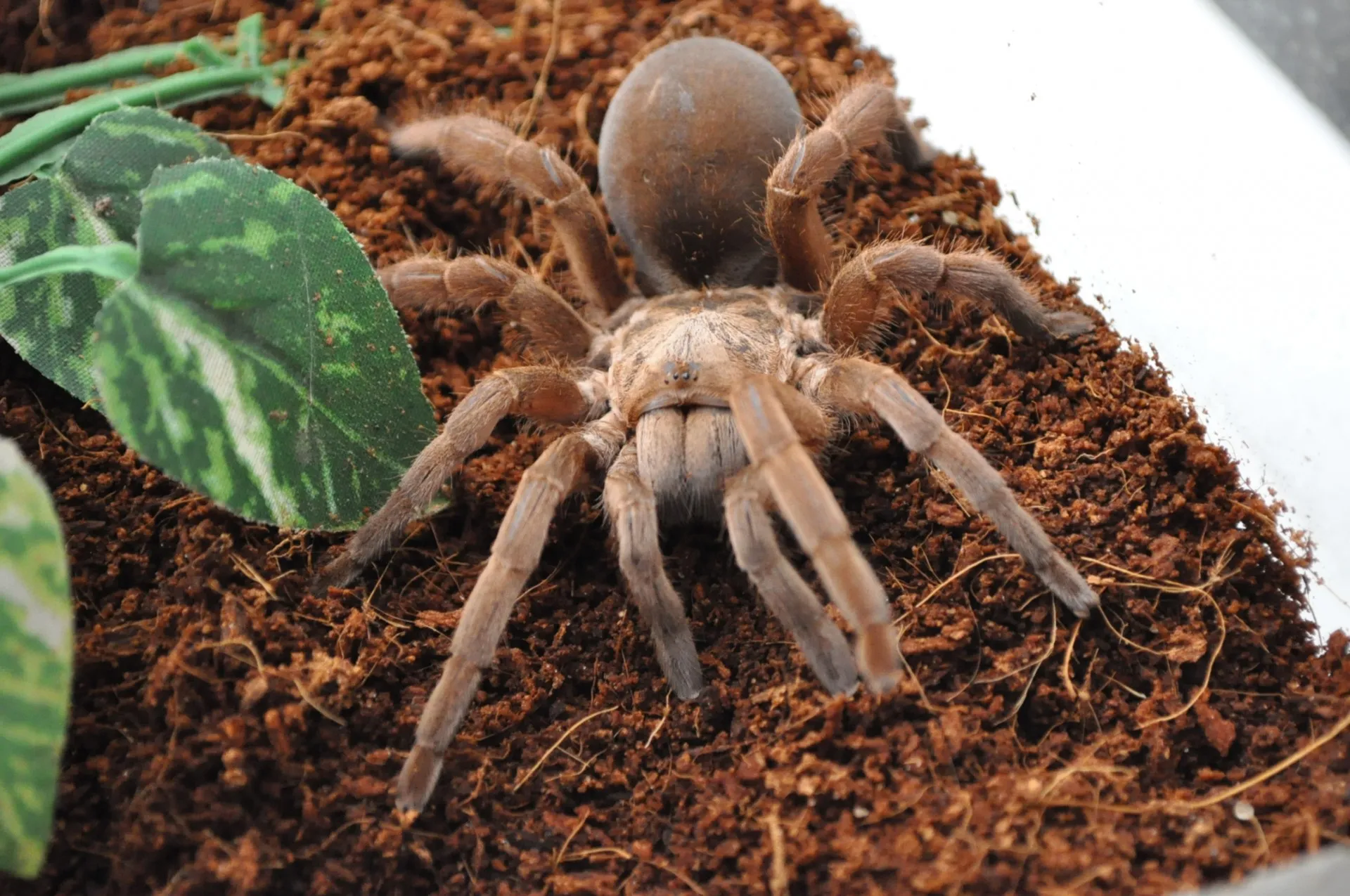
What is the Australian Bird Eating Tarantula?
The Australian Bird Eating Tarantula, scientifically known as Selenotypus plumipes, is a fascinating and often misunderstood creature. Despite its name, which might conjure images of a spider feasting on birds, its diet primarily consists of insects and other invertebrates. These spiders are native to Australia and are one of the largest spiders found in the country, captivating the interest of arachnid enthusiasts and nature lovers alike. Understanding this spider’s characteristics, habitat, and behavior is essential for anyone hoping to spot one in its natural environment or simply learn more about these incredible animals. This guide will provide you with the necessary information to identify, locate, and appreciate the Australian Bird Eating Tarantula responsibly.
Appearance and Identification
Identifying an Australian Bird Eating Tarantula begins with understanding its physical characteristics. These spiders are robust and hairy, with a body divided into two main parts: the cephalothorax (fused head and chest) and the abdomen. Their coloration can vary, ranging from shades of brown to a dark, almost black appearance. They possess eight legs, each covered in fine hairs, and two chelicerae, which are used for grasping prey and injecting venom. Unlike some tarantula species, the Australian Bird Eating Tarantula doesn’t have urticating hairs (hairs used for defense), instead relying on other methods of protection. The size of these spiders can also be an indicator; they can grow to have a leg span of up to 16 cm (6.3 inches).
Size and Physical Characteristics

The size of an Australian Bird Eating Tarantula is a key feature in its identification. Females are generally larger than males, and they can live for several years, growing throughout their lifespan. A mature female can have a body length of up to 6 cm (2.4 inches), with a leg span that can reach an impressive 16 cm (6.3 inches). Males are typically smaller, with a shorter lifespan, often only living for a few years after reaching maturity. Their physical characteristics include a well-defined cephalothorax, a large abdomen, and powerful legs designed for both walking and burrowing. Recognizing these physical traits can help you differentiate the Australian Bird Eating Tarantula from other spider species and determine its stage of development.
Habitat and Distribution of Australian Bird Eating Tarantulas
Understanding the habitat and distribution of the Australian Bird Eating Tarantula is crucial for spotting one. These spiders are endemic to Australia, meaning they are found nowhere else in the world. Their range primarily includes eastern Australia, from Queensland down to New South Wales. They are well-adapted to various environments, from open forests to woodlands and suburban areas. The presence of suitable soil for burrowing is essential, as they spend most of their lives underground. Identifying their preferred habitats can significantly increase your chances of finding one.
Where They Live
Australian Bird Eating Tarantulas create burrows in the ground, which serve as their homes and hunting grounds. These burrows can be quite extensive, often extending several inches or even feet underground. They prefer areas with well-drained soil and protection from the elements. You might find their burrows under rocks, logs, or in undisturbed areas with dense vegetation. The entrance to the burrow is usually covered with silk, which helps the spider detect the presence of potential prey or threats. The construction of the burrow is a testament to the spider’s adaptation to its environment and its need for shelter and security.
Ideal Climate and Conditions

The ideal climate for the Australian Bird Eating Tarantula involves specific environmental conditions. They thrive in warm, humid environments, which is why they are predominantly found in eastern Australia. Temperatures typically range from moderate to warm throughout the year, with sufficient rainfall. The soil conditions are also vital; the soil must be suitable for burrowing, neither too compact nor too loose. The presence of leaf litter and other organic material on the forest floor provides additional protection and helps maintain the humidity levels the spiders need. Recognizing these environmental requirements will guide your search.
Behavioral Traits of Australian Bird Eating Tarantulas
The behavior of the Australian Bird Eating Tarantula is fascinating and complex. They are primarily nocturnal hunters, which means they are most active during the night. They are ambush predators, waiting patiently at the entrance of their burrows or nearby, ready to pounce on any unsuspecting prey that comes within reach. Their behavior is influenced by various factors, including environmental conditions, the availability of food, and the presence of potential threats. Observing their behavior can provide valuable insights into their lives and how they interact with their surroundings.
Hunting and Feeding Habits
Despite their intimidating name, Australian Bird Eating Tarantulas mainly feed on insects, such as crickets, beetles, and other invertebrates. They are skilled hunters, using their speed and venom to subdue their prey. When a potential meal ventures too close to the burrow, the spider will quickly emerge and seize it with its powerful chelicerae. They then inject venom to immobilize the prey and begin the feeding process. They do not typically hunt birds; their diet mainly consists of ground-dwelling insects. Their feeding habits showcase the spider’s role in the ecosystem as a predator, helping to control insect populations.
Defense Mechanisms

The Australian Bird Eating Tarantula employs several defense mechanisms to protect itself from predators. They are not equipped with urticating hairs like some other tarantula species; instead, they rely on their size, speed, and potent venom. When threatened, they may rear up, display their fangs, and hiss to warn off potential attackers. If the threat persists, they will bite as a last resort. They also retreat into their burrows quickly when danger is detected. Their defense mechanisms are crucial for their survival, enabling them to avoid predation and persist in their environment. Understanding these mechanisms is essential for anyone who encounters these spiders.
How to Find an Australian Bird Eating Tarantula
Finding an Australian Bird Eating Tarantula can be a rewarding experience for any nature enthusiast. However, it requires patience, observation, and knowledge of their preferred habitats and behaviors. The best approach involves carefully surveying areas known to be inhabited by these spiders, such as forests, woodlands, and suburban gardens with suitable soil. Paying close attention to the ground, looking for burrow entrances, and being mindful of the surrounding environment are essential steps in the search. Moreover, the time of year and specific environmental conditions can significantly impact your chances of success. Careful observation and responsible exploration are key.
Best Times to Search
The best times to search for the Australian Bird Eating Tarantula are during the warmer months, particularly from spring through autumn. During this period, the spiders are more active and are more likely to be seen outside their burrows, especially at night. The weather conditions also play a crucial role; warm, humid nights are ideal for spotting them. Rainfall can also drive them out of their burrows, making them easier to find. Therefore, planning your search during a warm, humid evening will improve your chances of success.
Identifying Signs and Tracks

Identifying the signs and tracks of Australian Bird Eating Tarantulas is a useful skill. The primary indicator is their burrow, which can range in size depending on the spider’s age and size. Look for a circular or oval-shaped opening in the ground, often lined with silk. The silk serves as a tripwire and helps the spider detect any disturbances. You might also find discarded exoskeletons near the burrow entrance, providing further evidence of the spider’s presence. Careful observation of the surrounding ground can also reveal tracks or disturbed soil, indicating the spider’s movements. Learning to recognize these signs can significantly improve your chances of finding these spiders.
Potential Dangers and Safety Precautions
Encountering an Australian Bird Eating Tarantula can be exciting, but it’s important to approach them with caution and respect. Although these spiders are not considered highly venomous, their bite can be painful and may cause localized symptoms such as pain, swelling, and redness. It’s essential to avoid provoking the spider, as they will only bite in self-defense. Never attempt to handle or touch them. Always observe them from a safe distance and avoid putting your hands or feet in areas where they might be present. Furthermore, be aware of your surroundings and any potential hazards, such as uneven terrain or other wildlife. Prioritizing safety is crucial when observing these fascinating creatures.
Venom and Bites
The Australian Bird Eating Tarantula possesses venom, which is primarily used to subdue prey. While their venom is not considered lethal to humans, a bite can still be painful and cause localized effects. Symptoms of a bite may include pain, swelling, redness, and itching at the site of the bite. In rare cases, more severe reactions can occur, such as muscle cramps or nausea. If bitten, it’s essential to seek medical attention and clean the wound thoroughly with soap and water. Fortunately, serious complications from their bites are rare, but it is vital to be cautious. It is highly recommended to avoid any contact with this animal.
First Aid and Treatment

In the unlikely event of being bitten by an Australian Bird Eating Tarantula, immediate first aid and medical attention are essential. First, clean the wound thoroughly with soap and water. Apply a cold compress to reduce swelling and pain. Seek medical attention immediately, particularly if symptoms worsen or systemic effects occur. Your healthcare provider may administer pain relief and anti-inflammatory medication. Avoid applying a tourniquet or attempting to suck out the venom. Keeping the affected area clean and dry is also essential. Proper medical care can help manage the symptoms and prevent complications from a bite. Always prioritize seeking professional medical advice and following their instructions.