
What Makes a Tarantula Venomous
The world of tarantulas, while captivating to many, holds a hidden element of danger venom. Not all tarantulas are created equal in this regard, and understanding what makes a tarantula venomous is crucial for anyone considering them as pets or simply fascinated by these arachnids. Venom, in essence, is a complex cocktail of toxins that the tarantula injects through its fangs. The potency and effects of this venom vary significantly between species. Factors like the tarantula’s diet, environment, and evolutionary adaptations contribute to the composition and strength of its venom. The primary purpose of this venom is to subdue prey, but it also serves as a defense mechanism against potential predators. The effects on humans can range from mild discomfort to more severe reactions, making it essential to approach tarantulas with knowledge and respect.
Venom Composition
Tarantula venom is not a simple substance; it is a complex mixture of various toxins, each with a specific function. These toxins include enzymes, peptides, and proteins, all working in concert to affect the target. The precise composition of the venom varies greatly depending on the species of the tarantula, influencing the nature of its effects. Some venoms are primarily designed to incapacitate prey quickly, while others have a more general impact. Research into the chemical makeup of tarantula venom is ongoing, with scientists continually discovering new compounds and understanding their effects. The complexity of the venom also means that it is difficult to create a universal antidote, highlighting the importance of knowing the specific species of tarantula if bitten. Understanding the composition gives insight into the various ways the venom works.
Neurotoxic Venoms

Neurotoxic venoms are those that primarily target the nervous system. These venoms can disrupt nerve function, leading to paralysis, muscle spasms, and other neurological symptoms. Tarantulas that possess a strong neurotoxic venom are often those that prey on larger insects or small vertebrates. The effects of these venoms are usually rapid, allowing the tarantula to quickly subdue its prey. While the effects on humans can be unpleasant, the neurotoxins found in most tarantula venoms are not usually lethal. Symptoms may include localized pain, muscle cramping, and nausea. However, it is important to seek medical attention if symptoms become severe or systemic. Research into neurotoxins is ongoing, and scientists are interested in the potential for these compounds to be used in medicine.
Cytotoxic Venoms
Cytotoxic venoms primarily attack cells, causing tissue damage at the bite site. These venoms often contain enzymes that break down cells, leading to localized pain, swelling, and inflammation. Cytotoxic venoms are not as commonly found in tarantulas as neurotoxins, but they can still produce significant local effects. The severity of the reaction depends on the amount of venom injected and the individual’s sensitivity. While the damage is typically localized, in rare cases, significant tissue necrosis may occur. Treatment focuses on managing pain, reducing inflammation, and preventing secondary infections. Proper wound care and prompt medical attention are essential to minimize the effects of a cytotoxic bite. Cytotoxic venoms are less studied compared to neurotoxic ones, presenting an ongoing research area.
Hemotoxic Venoms
Hemotoxic venoms interfere with the blood, often affecting blood clotting and causing internal bleeding. Although not as common in tarantulas, some species have venoms that can induce such effects. The symptoms of a hemotoxic bite can include bruising, bleeding, and, in severe cases, organ damage. Since this type of venom affects the blood, the effects can be more widespread throughout the body than the localized effects of cytotoxic venoms. The treatment for a hemotoxic bite involves managing the symptoms and, in severe cases, may require blood transfusions or other supportive care. Hemotoxic venoms pose a higher risk if the tarantula’s bite is deep or if the victim has an existing medical condition affecting blood clotting. Medical professionals should be consulted as soon as possible.
Top 6 Most Venomous Tarantula Species

Identifying the “most venomous” tarantula species is challenging, as venom potency can vary. However, some species are known for having a more potent venom, which can cause more significant reactions in humans. It’s crucial to remember that while some tarantulas have more potent venom, a bite from any tarantula can be painful and cause localized symptoms. The following list includes tarantulas known for potentially more severe reactions.
Species One
Species One, well-known for its striking appearance and defensive behavior, can deliver a painful bite. The venom is often described as causing significant local pain, swelling, and muscle cramps. While rarely life-threatening, the effects can be quite distressing. It’s crucial to exercise caution when handling this species, and proper safety measures should always be followed. The venom composition leans towards neurotoxins, and effects might last for several hours.
Species Two
Species Two is known to have a more potent venom compared to other common pet tarantulas. Bites from this species can induce considerable local pain, often accompanied by swelling and inflammation at the site. Some individuals may also experience systemic symptoms such as nausea and fatigue. While the venom isn’t usually lethal to humans, the effects can be prolonged and require medical attention. The species’ aggressive nature demands that owners handle it with the utmost care. The venom profile includes both neurotoxins and cytotoxic compounds.
Species Three

Species Three, with its powerful bite, is known for its relatively potent venom. Bites can cause severe localized pain and significant swelling. Some individuals have reported experiencing muscle cramps and systemic symptoms, which can last for several days. The venom is mainly neurotoxic, affecting the nervous system. Those who own this species must be vigilant with safety protocols, including the use of appropriate handling tools and secure enclosures. Medical attention should be sought immediately to help manage the symptoms.
Species Four
Species Four, renowned for its speed and defensive behavior, has a venom that can cause a significant reaction. Bites often result in immediate and intense pain, along with substantial swelling and inflammation. Some individuals might experience more systemic effects, which include dizziness or nausea. Proper precautions are paramount when dealing with this species, as their bite can cause a lot of discomfort. The venom is believed to contain a mixture of neurotoxins and cytotoxins.
Species Five
Species Five is noted to have a bite that results in immediate and intense pain. This can cause significant swelling and inflammation, and sometimes, more systemic effects. The venom’s composition is complex, with both neurotoxic and cytotoxic components contributing to the overall impact. Individuals with allergies or sensitivities should be extra cautious. Any bite from the spider needs immediate medical care for proper assessment and treatment. Handling requires experienced individuals to minimize the risk of bites.
Species Six
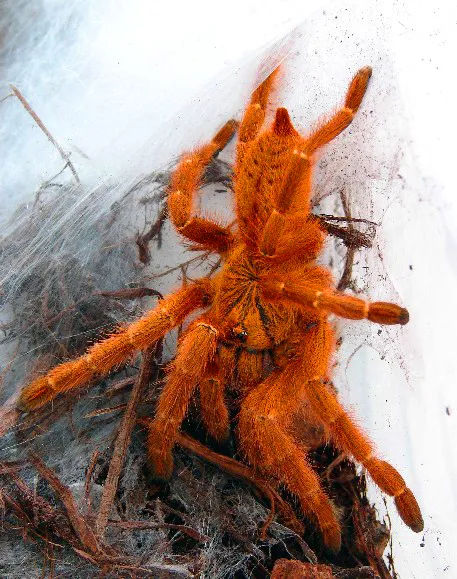
Species Six, which is quite aggressive, has a venom that can lead to considerable localized pain and swelling. Some individuals may experience additional symptoms, and medical attention is recommended. Those who are allergic to insect bites need to be very careful. The venom comprises a variety of toxins, affecting the bite’s overall impact. Secure enclosures and expert handling are crucial when keeping this species, minimizing any risks to both the tarantula and the handler.
Tarantula Venom Effects on Humans
The effects of a tarantula bite on humans can vary greatly depending on the species and the individual. While most tarantula bites are not life-threatening, they can still be unpleasant and cause a range of symptoms. Understanding these effects is essential for anyone who owns or interacts with tarantulas, as it allows for informed decision-making and appropriate responses in case of a bite. Common reactions range from mild localized pain and swelling to more severe systemic effects. Allergic reactions can also occur, further complicating the impact of a bite. Knowing the potential effects can help prepare one for any situation.
Severity of Bites
The severity of a tarantula bite depends on several factors, including the species, the amount of venom injected, and the individual’s sensitivity. Most bites from tarantulas result in mild to moderate symptoms. However, some species have more potent venom that can cause more significant reactions. Factors such as the size and age of the tarantula can also influence the amount of venom delivered. The victim’s overall health, allergies, and any pre-existing medical conditions can also affect the severity of the reaction. Understanding these variables helps in assessing the potential danger posed by a tarantula bite. It allows the development of effective safety measures and emergency responses.
Symptoms

The symptoms of a tarantula bite can vary, but some are commonly reported. Localized pain and swelling at the bite site are typical, as well as redness and inflammation. Some individuals may experience muscle cramps, tingling, or numbness. Systemic symptoms, such as nausea, headache, and dizziness, are less common but can occur. In rare cases, more severe reactions like difficulty breathing or changes in heart rate might happen. It is important to monitor any bite victim closely for any signs of serious symptoms and to seek medical attention if needed. Knowing the range of potential symptoms helps in identifying and managing the effects of a bite.
Allergic Reactions
Allergic reactions to tarantula bites can occur, although they are not very common. These reactions are caused by the body’s immune system overreacting to the venom or other substances introduced during the bite. Symptoms of an allergic reaction can include hives, itching, swelling, and difficulty breathing. In severe cases, anaphylaxis, a life-threatening allergic reaction, can occur. Individuals with a history of allergies or sensitivities should be particularly cautious when handling tarantulas and should seek immediate medical attention if they experience any signs of an allergic reaction. Prevention and rapid response are crucial in managing allergic reactions effectively.
Tarantula Venom’s Role
Venom plays a vital role in the survival of tarantulas, serving as a critical tool for both hunting and self-defense. Understanding these functions sheds light on the evolutionary adaptations that have shaped these creatures and their venom. Venom is not just a passive substance; it is an active weapon that contributes to the tarantula’s ability to thrive in its environment. Knowing the purpose of their venom assists owners in properly handling and interacting with tarantulas.
Prey Immobilization

The primary function of tarantula venom is to immobilize prey, allowing the tarantula to safely capture and consume it. The venom acts rapidly, paralyzing the prey, typically insects, and other small creatures. This ability is crucial for the tarantula’s survival, as it ensures a reliable food source. The specific composition of the venom is often adapted to the type of prey the tarantula typically hunts. The effectiveness of the venom in subduing prey allows the tarantula to eat and survive with a high degree of success. The development of venom is a prime example of evolution.
Defense Mechanism
Tarantula venom also serves as a defense mechanism against potential predators. When threatened, tarantulas can use their venom to deter attackers, helping them to escape or avoid being eaten. The venom’s effects on predators can vary, but they often include pain, paralysis, or other incapacitating effects. This defensive capability is essential for the tarantula’s survival in its natural habitat. The ability to inject venom provides the tarantula with an extra layer of protection, increasing its chance of survival against various threats. Venom is part of the defense against different attacks.
First Aid for Tarantula Bites
In the event of a tarantula bite, prompt and appropriate first aid is crucial to minimize the effects and prevent complications. Knowing the immediate steps to take and when to seek medical attention can significantly improve the outcome. Preparing for potential bites involves a combination of preventative measures and a well-defined response plan. If a bite does occur, quick action is key. Proper handling can lower the risk, but in some cases, bites happen. Immediate action and medical help are required.
Immediate Steps
If bitten by a tarantula, the first step is to remain calm. Wash the bite area thoroughly with soap and water to reduce the risk of infection. Apply a cold compress or ice pack to the bite site to help reduce pain and swelling. Elevating the affected limb can also help minimize swelling. It is important to monitor the bite victim for any signs of a severe reaction, such as difficulty breathing or widespread swelling. Documenting the incident, including the species of tarantula and the time of the bite, can be helpful for medical professionals. Keeping calm and taking these first steps improves the chance of proper treatment. These steps are crucial in managing the immediate aftermath of a bite.
Medical Attention
Medical attention should be sought promptly if the bite victim experiences any severe symptoms or if the symptoms do not improve within a reasonable timeframe. A medical professional can assess the bite, provide appropriate treatment, and monitor the victim for any complications. If possible, identify the tarantula species, as this information can help doctors determine the best course of action. Treatment may include pain relief, antihistamines, or, in rare cases, antivenom. Any allergic reactions require immediate medical help. Following medical advice greatly increases the chances of a full recovery and reduces the risk of any severe effects.
Preventive Measures
Preventing tarantula bites is crucial for ensuring the safety of both the tarantula keeper and anyone else who might come into contact with the spider. By taking appropriate precautions, the risk of bites can be significantly reduced, allowing one to enjoy the companionship of these fascinating creatures safely. Proper handling and enclosure design are essential in minimizing the chances of unwanted incidents. Being cautious is a proactive measure in pet ownership.
Always handle tarantulas with caution. When handling, do so over a soft surface in case of a fall. Use tools like long tongs or brushes to move the tarantula gently, minimizing the chance of contact. Keep children and other pets away from the tarantula’s enclosure to prevent accidental interactions. Secure enclosures with tight-fitting lids and inspect them regularly for any potential escape routes. Education on proper handling techniques and safety protocols is key to safe tarantula ownership. The goal is to minimize contact and risk.