Choosing Your First Pet Tarantula
Bringing a pet tarantula into your home can be a rewarding experience, but it’s essential to start with the right approach. Tarantulas are fascinating creatures, but they have specific needs. Understanding these needs is crucial for ensuring your new pet thrives. Before acquiring a tarantula, thorough research is paramount. Learn about the different species, their temperaments, and their specific care requirements. This foundational knowledge will guide you in making informed decisions. This guide is designed to help you navigate the initial steps of tarantula ownership, providing practical advice and insights to set you up for success. Remember, responsible pet ownership starts with education and preparation. By taking the time to learn, you are setting the stage for a positive and fulfilling experience with your pet tarantula. The more you know, the better equipped you will be to provide a safe, healthy, and enriching environment for your eight-legged friend.
Selecting the Right Species
Not all tarantula species are created equal, especially for beginners. Some species are more docile and easier to care for than others. Researching the temperament, size, and specific needs of each species is essential. Factors to consider include the tarantula’s venom potency (although most tarantulas have venom that is not harmful to humans, some bites can be more painful than others), their tendency to hide or be defensive, and their overall care requirements, such as humidity and temperature levels. Consider your lifestyle and experience level when selecting a species. If you are new to tarantula care, it is wise to start with a species known for its calm demeanor and relatively low maintenance needs. This approach reduces the chances of encountering unexpected challenges, allowing you to build confidence and gain experience before moving on to more demanding species. Learning about various species is a crucial aspect of choosing the right pet tarantula. Understanding the differences will greatly enhance your experience.
Beginner-Friendly Tarantula Species

Several tarantula species are well-suited for beginners due to their docile nature and straightforward care requirements. These species are often more tolerant of handling and less prone to defensive behaviors. Examples include the Chilean Rose Hair (Grammostola rosea), the Pinktoe Tarantula (Avicularia avicularia), and the Mexican Red Knee (Brachypelma hamorii). These species generally have a calm temperament, making them less likely to bite or kick hairs. They also have relatively simple habitat needs and are more forgiving of minor care mistakes, making them excellent choices for those new to tarantula ownership. However, it is important to always approach any tarantula with respect and caution. Research is still essential for each species, as each has its own unique characteristics. A tarantula’s lifespan can also be a factor to consider when selecting a species; some live for decades. This decision is the first step towards an exciting journey into the world of tarantula care.
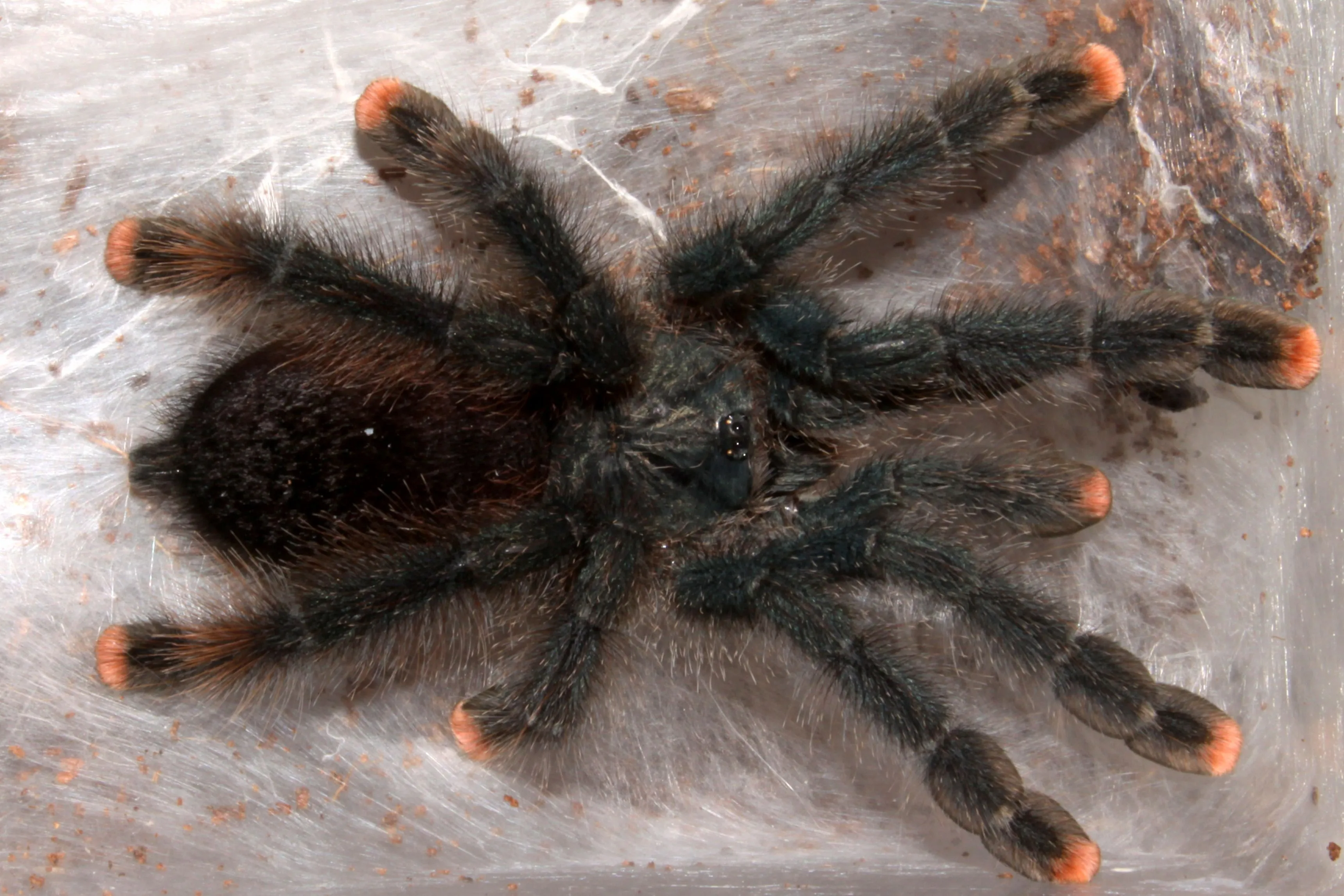
Consider your lifestyle. A low-maintenance tarantula that primarily feeds on crickets every few days might be a better choice for busy owners compared to a species that requires a more complex diet. The picture shows the beauty of a beginner-friendly tarantula.
Things to Consider Before Buying
Before bringing home your tarantula, you should think about the long-term commitment involved in owning a pet. Tarantulas can live for many years, with some females living for over 20 years. Providing a safe and enriching environment also means budgeting for the initial setup costs and ongoing expenses. Buying a tarantula is not just about the cost of the spider; it’s also about providing the essentials. Think about the cost of the enclosure, substrate, food, and any necessary equipment like a heat source. These costs can vary widely depending on the species you choose and the specific products you select. Ensure you have a plan for feeding, cleaning, and monitoring the health of your tarantula. A good understanding of these areas will contribute to your pet’s health.
Setting Up the Tarantula’s Habitat
Creating the right habitat is key to your tarantula’s well-being. The enclosure should mimic the tarantula’s natural environment, providing everything it needs to thrive. A suitable habitat not only keeps your tarantula safe but also encourages natural behaviors. The enclosure’s size, substrate, and decor should reflect the species’ specific needs. This preparation is crucial for ensuring that your tarantula lives a happy and healthy life. Failure to provide the right setup can lead to stress, health issues, and a reduced lifespan. This aspect of tarantula care is an essential element in responsible pet ownership. When setting up the habitat, keep in mind that a well-designed enclosure facilitates easy maintenance and observation, allowing you to monitor your tarantula’s health and behavior effectively. This setup allows for your pet to be its best self.
Choosing the Right Enclosure

The enclosure’s size and type are critical factors in tarantula care. The size should be appropriate for the tarantula’s species and size. A juvenile tarantula doesn’t need a large enclosure, but it is essential to plan for its adult size. Glass or acrylic enclosures are ideal because they provide a clear view and are easy to clean. The enclosure should have a secure lid to prevent escapes, and the ventilation should be adequate to maintain air circulation while keeping the environment safe. Ensure the enclosure is well-ventilated to prevent mold and keep your tarantula healthy. The enclosure should be properly sized so the tarantula feels safe and can move around. When choosing the right enclosure, consider your tarantula’s climbing habits; terrestrial tarantulas need more floor space, while arboreal species require height and vertical space. Proper enclosure setup is crucial for a thriving tarantula, as seen in the picture.
Substrate and Decor
The substrate is the bedding material that covers the bottom of the enclosure, providing a comfortable and functional environment for your tarantula. Substrate choices include peat moss, coconut fiber, and vermiculite, each with its own benefits. Substrate should be deep enough to allow the tarantula to burrow, which is a natural behavior for many species. The substrate should also retain moisture to maintain humidity levels. Decor adds visual enrichment and provides hiding places, allowing the tarantula to feel secure. Good decor choices include cork bark, artificial plants, and sturdy branches. These elements should be arranged so the tarantula can move freely without risk of injury. Ensuring that the enclosure has the right substrate and decor enhances the tarantula’s well-being, reducing stress and promoting natural behaviors. The picture is a good example of an enclosure that is set up well with substrate and decor.
Maintaining Temperature and Humidity
Temperature and humidity are two crucial factors that need careful management to ensure your tarantula’s health. Most tarantulas require specific temperature ranges, which you can maintain using a heat mat or a heat lamp. Always monitor the temperature with a reliable thermometer. Humidity levels also vary depending on the species, but regular misting with water is a common method for raising humidity. Always provide a shallow water dish with clean water for drinking. Regular monitoring and adjustments are crucial to prevent health issues. This is a crucial element in responsible tarantula ownership. Maintaining the right environment is critical to preventing health issues, such as molting problems. In the photo, the perfect humidity is represented.
Feeding Your Pet Tarantula

Feeding your tarantula is a straightforward process, but it’s important to do it correctly to meet your pet’s nutritional needs. Providing the right food, at the right intervals, is crucial to keeping your tarantula healthy and thriving. Tarantulas are carnivores, meaning their diet consists of insects. Always provide a fresh and varied food source. The tarantula’s appetite will vary depending on its age, size, and species. Proper nutrition contributes directly to your pet’s health and longevity. This means offering your tarantula appropriate food and setting the feeding schedule, all while maintaining a clean environment. These steps support the overall health and happiness of your pet tarantula.
What to Feed Tarantulas
The primary diet for most tarantulas consists of insects. Crickets, mealworms, and roaches are common and readily available choices. The size of the insects should match the size of the tarantula. Variety is beneficial, but avoid feeding wild-caught insects as they may carry pesticides or parasites. Ensure the insects are gut-loaded with nutritious food before feeding them to your tarantula. This is a great way to make sure your tarantula gets the right nutrients. Supplements like calcium and vitamins can also be used, but only as needed. Fresh water should always be accessible, usually in a shallow dish. Always be cautious when introducing new food items and carefully observe the tarantula’s reaction. Maintaining a good diet is key to your tarantula’s overall health. Feeding your tarantula a healthy diet will keep your pet happy and healthy. The image shows a healthy diet for your tarantula.
Feeding Schedule and Techniques
Feeding frequency depends on the tarantula’s age and species. Spiderlings need to be fed more often than adults. As a general rule, juvenile tarantulas can be fed twice a week, while adults can be fed once a week or every other week. Overfeeding can lead to obesity and other health problems, so it is important to monitor your tarantula’s abdomen size. Remove uneaten food after a few hours to prevent mold and mites. Before feeding, check your tarantula. A well-fed tarantula will have a plump abdomen, while a hungry one will have a more slender appearance. Always provide fresh water. Providing the right type and amount of food, and following a consistent schedule, is important for your pet’s health and happiness. Remember that a tarantula can refuse food when it is about to molt.
Handling and Safety Tips

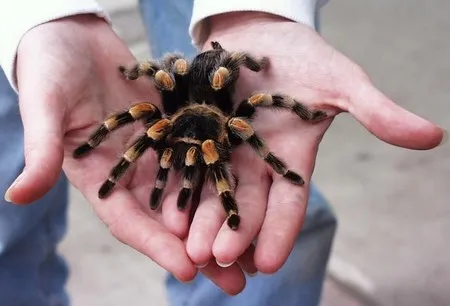
Handling tarantulas is a topic that requires caution. While some species are more docile and may tolerate handling, others are more prone to defensive behaviors. Knowing your tarantula’s species is key to deciding how much handling is safe. Handling should be kept to a minimum, and only when necessary, and should be done with extreme caution. Proper handling techniques will make the process safer for both you and the tarantula. Learning the basics and exercising caution can prevent harm. Always respect the tarantula’s space and be aware of its behavior. When done correctly, you can safely interact with your tarantula. Always prioritize the safety of both you and your pet. The image is a perfect example of the correct approach to handling.
Safe Handling Practices
If you choose to handle your tarantula, it is crucial to do so safely. Always handle tarantulas close to the ground, so the drop is minimized in case of an accidental fall. Wash your hands before and after handling to prevent the transfer of oils or chemicals. Avoid sudden movements, which can startle the tarantula and trigger a defensive reaction. Always supervise children when they are near a tarantula. Use a soft brush to gently guide the tarantula if you need to move it, or use a clear container to move the tarantula. Always ensure you have a clear plan and understand your actions before you proceed. These are crucial for ensuring a safe and positive experience for both you and your tarantula.
Recognizing Signs of Stress
Tarantulas can exhibit certain behaviors that indicate they are stressed or unhappy. Learning to recognize these signs is important. If your tarantula is flicking hairs off its abdomen, it’s likely feeling threatened. Other signs include raising its front legs, assuming a defensive posture, or hissing. If you notice any of these behaviors, it’s essential to leave the tarantula alone and give it space. Ensure that the habitat conditions are ideal, which can minimize stress. Maintaining a calm and stable environment is important for the tarantula’s overall health and well-being. Stress can weaken the tarantula’s immune system and make it more susceptible to diseases. Understanding stress signals is crucial for responsible tarantula care.
Common Health Issues and Prevention

Like any pet, tarantulas can experience health problems. Knowing common issues and how to prevent them is essential. Most health problems in tarantulas are related to their environment and care. Always provide the correct temperature, humidity, and proper diet. It is much easier to prevent problems than to treat them. Regular observation and appropriate care will significantly reduce the risk of health issues. Preventing diseases is a core component of responsible tarantula care. By prioritizing the health and well-being of your pet, you will increase the chances of a long and enjoyable companionship with your tarantula. Remember that prevention is the key. The image highlights the importance of this concept.
Identifying and Treating Common Problems
Several health problems can affect tarantulas, but many are preventable. Dehydration can be caused by insufficient water or low humidity. Symptoms include a shrunken abdomen and lethargy. Respiratory infections may result from a habitat that is too humid. Parasites and mites can infest the tarantula’s exoskeleton. Treat health issues by adjusting habitat conditions. Consult a veterinarian or experienced tarantula keeper. A proper diagnosis is necessary before any treatment. Recognizing these signs, and knowing how to respond, is key to responsible tarantula ownership. Early intervention is important to prevent further problems. Understanding the possible health problems your pet may have is crucial.
Preventative Care Measures
Several preventative measures can maintain your tarantula’s health. Always monitor temperature and humidity. Ensure the enclosure is clean. Feed a varied diet with gut-loaded insects. Provide fresh water. Isolate new tarantulas. Regularly inspect the tarantula for mites. By providing a safe environment, you can prevent many health problems. Regular inspection is key to spotting any problems early. Proper care is vital to keeping your pet healthy. By being proactive, you will increase the chances of your pet having a long and healthy life. Regular observation helps to ensure that the tarantula is in peak condition. Preventative care is essential for all pet tarantulas.
Enjoying Your Pet Tarantula
Caring for a pet tarantula can be a rewarding experience. Tarantulas are fascinating creatures, and their unique behaviors can be a source of endless fascination. Watching a tarantula molt, eat, or build its web is a thrilling experience. Taking the time to understand your tarantula’s needs and providing a safe and enriching environment will lead to a fulfilling companionship. Appreciate the quiet beauty and the intricate details of the tarantula. Enjoying your pet tarantula means providing the right environment, a varied diet, and proper care. This way, you will be setting yourself up for a positive and enriching pet ownership experience. The most crucial aspect of owning a pet tarantula is to embrace and enjoy the journey, as well as the unique experience it offers.