Pet Tarantula vs Snake Overview
Choosing a pet can be an exciting adventure, and for those seeking something beyond the typical cat or dog, the world of exotic pets opens up fascinating possibilities. Among the intriguing options are tarantulas and snakes, both of which have gained popularity among pet owners. However, these creatures differ significantly in various aspects, including appearance, temperament, care requirements, and lifespan. This comparison explores the top 5 differences between pet tarantulas and snakes, helping potential owners make an informed decision about which pet best suits their lifestyle and preferences. Understanding these distinctions is crucial to providing the best possible care and ensuring a harmonious relationship with your chosen companion.
Appearance and Size
Tarantula Appearance

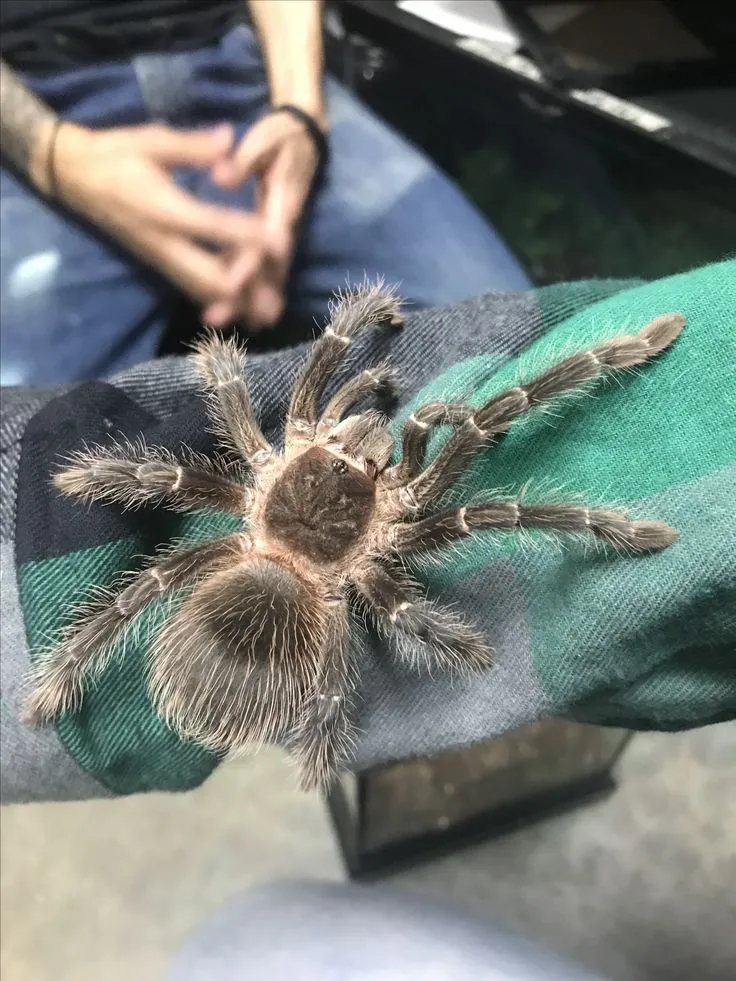
Tarantulas, with their eight hairy legs and large, imposing bodies, present a distinctive appearance. Their bodies are typically divided into two main parts: the cephalothorax (fused head and thorax) and the abdomen. The cephalothorax houses the eyes, mouthparts, and legs, while the abdomen contains the internal organs. Tarantulas come in a wide array of colors and patterns, depending on the species, ranging from the vibrant blues and oranges of some New World species to the more subdued browns and blacks of others. Their bodies are covered in setae, or hairs, which serve various functions, including sensory perception and defense. Tarantulas also possess fangs used for injecting venom, though the venom of most species is not considered highly dangerous to humans.
Snake Appearance
Snakes, on the other hand, are characterized by their elongated, limbless bodies. Their appearance is defined by their scales, which vary in color and pattern depending on the species. Snakes have a distinct head, body, and tail, with specialized scales on their bellies for locomotion. Like tarantulas, snakes come in a wide variety of colors and patterns, from the striking stripes of a corn snake to the subtle camouflage of a ball python. Their body shape is specifically adapted for their lifestyle, allowing them to navigate various environments, from dense forests to open grasslands. Snakes also have a unique method of eating, swallowing their prey whole due to their lack of chewing ability, making them very distinct from tarantulas.
Size Comparison
The size of both tarantulas and snakes can vary greatly depending on the species. Tarantulas, when fully grown, can range in size from a few inches in leg span to over 10 inches, with some of the largest species being the Goliath birdeater. Snakes also exhibit a wide range in size, from the tiny thread snakes, which are less than a foot long, to the massive pythons and anacondas, which can exceed 20 feet in length. Generally, snakes tend to be longer and more slender than tarantulas, while tarantulas are more compact and have a wider body span, which influences the space needed for their enclosure.
Temperament and Handling

Tarantula Temperament
Tarantulas are generally docile creatures, but their temperament can vary from species to species. Some species are more prone to defensive behaviors, such as flicking urticating hairs (tiny irritating hairs) or biting, when they feel threatened. Handling tarantulas is not always recommended, as it can stress them out and potentially lead to injury for both the spider and the handler. They are often best observed in their enclosures, where they can exhibit their natural behaviors. Understanding the specific temperament of a tarantula species is essential for responsible pet ownership, ensuring both the safety and well-being of the spider.
Snake Temperament
Snakes can also exhibit a range of temperaments, varying from species to species and even between individual snakes. Some snake species are known for being more docile and tolerant of handling, making them suitable pets for experienced handlers. Regular handling can help snakes become accustomed to human interaction, but it is important to approach them calmly and with respect. Some snakes may be more defensive or prone to biting, especially if they feel threatened or are not accustomed to being handled. Researching the specific temperament traits of the snake species is paramount before acquiring a pet snake, ensuring proper safety for both the owner and the animal.
Handling Considerations

Handling considerations differ significantly between tarantulas and snakes. Tarantulas are more fragile, and dropping them can cause serious injury, including a ruptured abdomen. Their defensive behaviors include kicking off urticating hairs, which can cause skin irritation. Therefore, handling tarantulas should be limited to essential purposes, like enclosure maintenance. Snakes are generally more robust but must be handled with care to avoid injury and stress. Supporting their body weight is crucial, and avoiding sudden movements can prevent them from feeling threatened. Consistent, gentle handling helps snakes become accustomed to interaction, but it is crucial to understand their individual temperament and watch for stress signals, like hissing or a tight coil.
Care and Maintenance
Tarantula Care
Caring for a tarantula involves providing a suitable enclosure, appropriate substrate, temperature, humidity, and regular feeding. The enclosure should be appropriately sized for the species and include a secure lid to prevent escape. Substrate, such as coconut fiber or peat moss, should be maintained at a proper moisture level to maintain humidity. Temperature and humidity levels should be monitored and adjusted according to the tarantula species’ needs, often with a heat lamp and a hygrometer. Feeding involves providing insects like crickets or mealworms, and the frequency depends on the spider’s age and species. Water should always be available in a shallow dish. Cleaning the enclosure regularly, removing any uneaten food, and spot-cleaning as needed is crucial to maintaining a healthy environment.
Snake Care

Snake care includes creating an appropriate enclosure, regulating temperature and humidity, providing clean water, and feeding. The enclosure should be appropriately sized for the snake’s species and growth. The temperature should be maintained with a heat source, like a heat lamp or pad, and the humidity levels must be monitored and maintained to mimic the snake’s native habitat. Clean, fresh water should always be available. Feeding involves offering appropriately sized prey, such as rodents or pre-killed meals, based on the snake’s species and age. Regular cleaning is necessary to remove waste and maintain a hygienic environment. This includes spot-cleaning, substrate changes, and thorough enclosure cleaning, which is crucial for the snake’s health and well-being.
Habitat and Housing
The habitat and housing requirements of tarantulas and snakes are significantly different. Tarantulas typically live in terrestrial environments, requiring a secure enclosure with a substrate that allows them to burrow or hide. This substrate can be a combination of coconut fiber, peat moss, and vermiculite. The enclosure should also include hides, like cork bark or artificial plants, and a shallow water dish. Snakes require spacious enclosures with adequate ventilation and a secure lid. The substrate can vary, but it should be absorbent and easy to clean, such as newspaper, paper towels, or reptile carpet. The enclosure should also include appropriate hides, a water bowl, and, in some cases, a basking spot. Both animals require appropriate lighting and temperature gradients to regulate their body temperature and promote health.
Diet and Feeding
Tarantula Diet
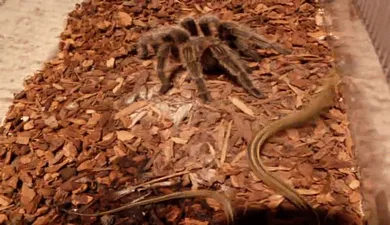
Tarantulas are primarily insectivores, with their diet consisting mainly of insects. Common food sources include crickets, mealworms, roaches, and other appropriately sized insects. The size of the prey should be proportionate to the tarantula’s size, as they will generally eat something that is smaller than their body size. It is important to provide a varied diet to ensure they receive the necessary nutrients. Feeding frequency depends on the tarantula’s age, species, and growth rate. For juvenile tarantulas, feeding can be more frequent, perhaps every few days, while adult tarantulas may only need to be fed once or twice a week. The tarantula will usually consume the prey in its enclosure, and any uneaten food should be removed within 24 hours to prevent stress and mold growth.
Snake Diet
Snakes are carnivores, and their diets consist of live or pre-killed prey. Depending on the species and size, snakes can eat rodents, birds, fish, and even other reptiles. The size of the prey is crucial; it should be appropriately sized to avoid injury or difficulty in swallowing. For many pet snakes, feeding pre-killed rodents is common, as it reduces the risk of the snake being injured by the prey. The feeding frequency varies based on the snake’s age, species, and metabolism. Young snakes may need to be fed more frequently than adults. It is important to choose prey that is free from parasites and diseases and to handle the prey humanely. Always consult a veterinarian or experienced reptile keeper for dietary advice specific to the species of the snake.
Feeding Frequency
The feeding frequency differs significantly between tarantulas and snakes. Tarantulas usually eat less frequently, particularly as adults. The feeding frequency varies between once or twice a week for adult tarantulas and more often for juveniles. Snakes typically eat less frequently than tarantulas but require larger meals. The feeding frequency of snakes depends on the snake’s age, species, and size, with juveniles eating more frequently than adults. Most snakes are fed once a week or every two weeks. Always monitor the pet’s weight and health to adjust feeding frequency accordingly.
Lifespan and Cost

Tarantula Lifespan and Cost
The lifespan and cost associated with tarantulas and snakes also vary. Tarantulas typically have a lifespan that depends on the species and sex. Females often live longer than males, with some species living for over 20 years, while males generally live for only a few years. The cost of a tarantula can range from relatively inexpensive to several hundred dollars or more, depending on the species, rarity, and size. In addition to the initial purchase cost, the ongoing costs include food, substrate, and other enclosure supplies. Overall, tarantulas are generally less expensive to maintain than snakes, and their lifespan is generally longer.
Snake Lifespan and Cost
Snakes can also live for many years, and the exact lifespan varies among species. Some snakes can live for over 20 years in captivity. The initial cost of a snake can vary, depending on the species, size, and origin, ranging from a few hundred dollars to several thousand for rarer species. In addition to the initial purchase cost, the long-term costs include feeding, enclosure maintenance, and potential veterinary care. Snakes are generally more expensive to maintain than tarantulas. Therefore, both the initial and long-term costs must be taken into consideration when choosing which pet suits your budget and lifestyle.