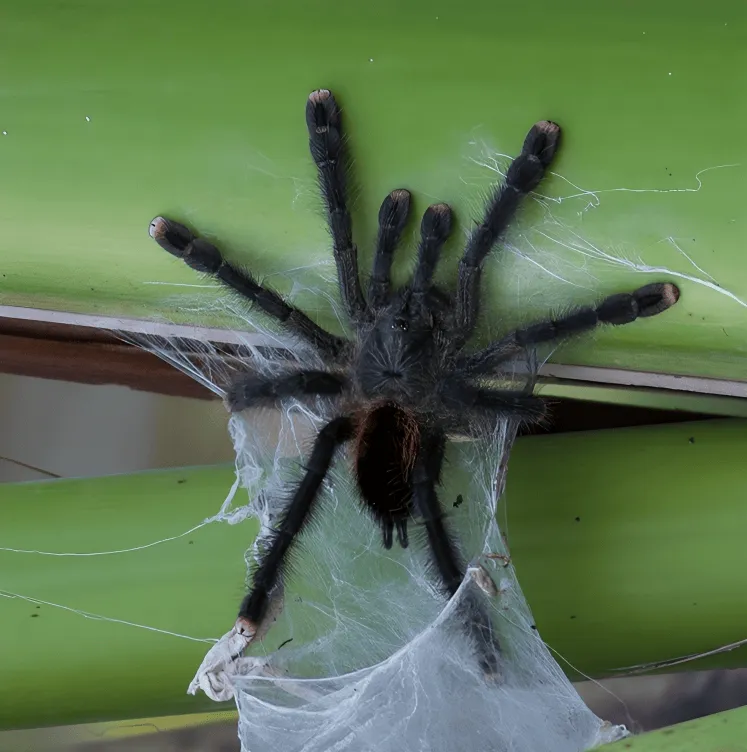
Understanding Pink Toe Tarantulas
The Pink Toe Tarantula (Avicularia avicularia) is a captivating arboreal spider, favored by both novice and experienced arachnid enthusiasts. Their striking appearance, characterized by the namesake pink tips on their toes and vibrant coloration, adds a touch of exotic beauty to any collection. Beyond their aesthetic appeal, understanding their specific needs is paramount to their well-being and longevity. This guide provides the essential knowledge needed to ensure your Pink Toe Tarantula thrives in a captive environment.
Appearance and Temperament
Pink Toe Tarantulas are known for their relatively docile temperament compared to some other tarantula species. However, it’s crucial to remember that they are still wild animals and should be treated with respect. Their arboreal nature means they prefer to live in trees or elevated spaces. Their bodies are typically a dark, velvety color, contrasting beautifully with their pink toe tips. The combination of their looks and generally calm nature makes them a popular choice for tarantula keepers. Their size typically ranges from 4 to 6 inches in leg span, with females often being larger than males.
Why Proper Handling Matters

While Pink Toe Tarantulas are not typically aggressive, improper handling can lead to stress, injury, or even a defensive bite. Tarantula bites, though not usually medically significant, can be painful and cause localized reactions. Additionally, handling can be stressful for the tarantula, potentially impacting its feeding habits or molting cycle. Understanding their behaviors, and providing a secure environment, is critical to ensure your tarantula’s health and well-being. Handling should be minimized and only done when absolutely necessary, such as for enclosure maintenance or health checks. Always prioritize the tarantula’s comfort and safety.
Top 5 Tips for Pink Toe Tarantula Care
Tip 1 Provide a Suitable Enclosure
Creating an appropriate habitat is the cornerstone of Pink Toe Tarantula care. Since they are arboreal, vertical space is essential. The enclosure should be taller than it is wide, allowing ample room for climbing and perching. Glass or acrylic terrariums are suitable, providing good visibility and easy access. Ensure the enclosure has secure ventilation to prevent excessive humidity buildup and proper airflow. A well-designed enclosure mimics the tarantula’s natural habitat, allowing it to thrive.
Enclosure Size and Setup

A good rule of thumb for enclosure size is at least three times the tarantula’s leg span in height and width. For a fully grown adult, a 10-gallon tank or larger is recommended. The setup should include branches, cork bark, or other climbing structures. These provide the tarantula with places to climb, hide, and feel secure. Avoid overcrowding the enclosure with decorations, allowing the tarantula space to move freely. Always ensure the enclosure is escape-proof, with a tight-fitting lid or other closure to prevent escapes.
Substrate and Decoration
The substrate should be absorbent and help maintain humidity. Options include coconut fiber, peat moss, or a mix of both. The substrate should be deep enough for the tarantula to burrow slightly if it chooses. Adding live or artificial plants, such as silk plants, can enhance the enclosure’s aesthetic appeal and provide additional hiding places. Ensure all decorations are safe and non-toxic, with no sharp edges that could injure the tarantula. Regularly check the enclosure for cleanliness and replace the substrate as needed to prevent the buildup of mold or bacteria.
Tip 2 Maintain Optimal Humidity
Humidity is crucial for Pink Toe Tarantulas to molt successfully and maintain overall health. Insufficient humidity can lead to molting problems, dehydration, and other health issues. Therefore, it is essential to monitor and adjust the humidity levels to replicate their natural environment. Using a hygrometer is the best way to monitor humidity within the enclosure, as it will give you a more accurate reading compared to estimations.
Humidity Levels and Monitoring

Ideal humidity levels for Pink Toe Tarantulas range from 70% to 80%. Monitoring is best done using a hygrometer, which should be placed in a central location within the enclosure. Regularly check the hygrometer to ensure the levels remain within the appropriate range. Changes in humidity can occur due to environmental factors, like weather. Knowing the correct humidity and monitoring it regularly will ensure your tarantula’s health.
Methods to Increase Humidity
Several methods can be used to increase humidity. Mist the enclosure lightly with dechlorinated water a few times a week, or as needed, depending on the environment. Ensure proper ventilation to prevent mold and bacteria growth. Placing a water dish in the enclosure also helps in maintaining humidity levels. The substrate’s moisture content also affects humidity; keep the substrate slightly moist, but not waterlogged. If the humidity is too low, adding more water or misting more frequently can help.
Tip 3 Offer a Balanced Diet
A well-balanced diet is vital for the health and growth of your Pink Toe Tarantula. They are primarily insectivores, meaning they feed on insects. Providing a varied diet ensures they receive all the necessary nutrients for proper growth and development. Adjust the feeding frequency based on the tarantula’s age and size, and remove any uneaten prey to prevent stress and potential injury to the tarantula.
Feeding Frequency and Prey Selection

Spiderlings and juveniles should be fed more frequently, typically 2-3 times per week. Adults can be fed once a week or every other week, depending on their appetite and body condition. Appropriate prey includes crickets, roaches, mealworms, and other commercially available feeder insects. The prey size should be appropriate for the tarantula’s size – the prey should be no larger than the tarantula’s body length. Ensure the feeder insects are gut-loaded with nutritious food before feeding them to your tarantula, to maximize the nutritional value.
Water and Supplementation
Always provide a shallow water dish with fresh, clean water. The water dish should be accessible but not so deep that the tarantula could drown. While not always necessary, some keepers choose to supplement their tarantulas’ diet with occasional vitamin or calcium supplements. However, a well-rounded diet usually provides sufficient nutrients. When in doubt, consult with a veterinarian or experienced tarantula keeper to determine the best course of action.
Tip 4 Safe Handling Practices
Handling Pink Toe Tarantulas should be kept to a minimum. Over-handling can stress the tarantula, and increase the risk of it escaping or being injured. However, there are some situations where gentle handling may be necessary, such as for enclosure maintenance or health checks. Always approach the situation with caution, patience, and respect for the tarantula’s space and behavior.
Approaching and Handling

When handling, move slowly and deliberately. Never make sudden movements that could startle the tarantula. Use a soft brush or object to gently guide the tarantula onto your hand. Allow the tarantula to walk onto your hand rather than picking it up. Always handle the tarantula over a soft surface, like a bed or a carpet, to minimize the risk of injury if it falls. Handle with gentle hands, keeping your movements slow, and do not apply any pressure.
Recognizing Stress Signals
Be aware of stress signals exhibited by the tarantula. These can include defensive postures, such as raising their front legs, flicking hairs (urticating hairs), or trying to escape. If you observe these behaviors, immediately stop handling and allow the tarantula to retreat to its enclosure. Avoid handling during the molting process, as the tarantula is particularly vulnerable during this time. Always prioritize the tarantula’s safety and well-being, and be mindful of its signals.
Tip 5 Regular Enclosure Maintenance
Maintaining a clean and well-maintained enclosure is essential for the health and happiness of your Pink Toe Tarantula. Regular cleaning and upkeep help prevent the buildup of waste, bacteria, and other issues that can affect its health. This includes the removal of uneaten food, molted exoskeletons, and any other debris. The enclosure itself should be cleaned regularly to maintain a hygienic environment.
Cleaning and Waste Removal

Spot clean the enclosure regularly, ideally every week, removing any uneaten food, dead insects, and waste. For a more thorough cleaning, remove the tarantula (if necessary and only if comfortable), and remove the substrate. Clean the enclosure with warm water and a mild, pet-safe disinfectant. Rinse the enclosure thoroughly and allow it to dry completely before replacing the substrate and decorations. Avoid harsh chemicals or cleaners that could harm your tarantula.
Water and Food Dish Hygiene
Clean the water dish and food dish frequently, at least once a week, to prevent bacterial growth and contamination. Use warm water and a pet-safe cleaner to clean the dishes thoroughly. Rinse them well and allow them to dry before refilling with fresh water and food. Regular hygiene practices in the enclosure will help keep your tarantula healthy and prevent the potential for parasites or disease.
Common Pink Toe Tarantula Problems
Moulting Issues
Molting is a crucial process for tarantulas as they grow. The tarantula sheds its exoskeleton to allow for growth. Issues can occur if the humidity is too low or if the tarantula is stressed. Symptoms include difficulty molting or the tarantula becoming stuck in its old exoskeleton. If you notice any of these signs, increase the enclosure’s humidity and seek professional advice from a vet or experienced breeder if the issue persists. Never try to assist the tarantula in molting, as this can cause serious injury.
Parasites and Diseases
Pink Toe Tarantulas are generally hardy, but they can be susceptible to certain parasites or diseases. Mites, for example, can infest the tarantula, and are usually visible as tiny, moving specks. Other diseases, such as fungal infections, can occur if the enclosure is not kept clean or if the humidity is too high. Regularly inspect your tarantula for any signs of parasites, abnormal behavior, or lesions. If you suspect your tarantula is ill, consult with a veterinarian or experienced arachnid specialist for proper diagnosis and treatment. Always maintain a clean enclosure and provide good care to help your tarantula stay healthy.
Conclusion
Caring for a Pink Toe Tarantula can be a rewarding experience. By following these tips, you can provide a suitable environment and maintain a healthy and happy tarantula. Remember, understanding their needs, providing a safe environment, and minimizing handling are all crucial aspects of responsible tarantula ownership. With proper care and attention, your Pink Toe Tarantula can thrive and bring you years of enjoyment. If you are new to tarantula care, research is key. Further research and reading will enhance your understanding of these captivating creatures, and help you provide them with the best possible life.