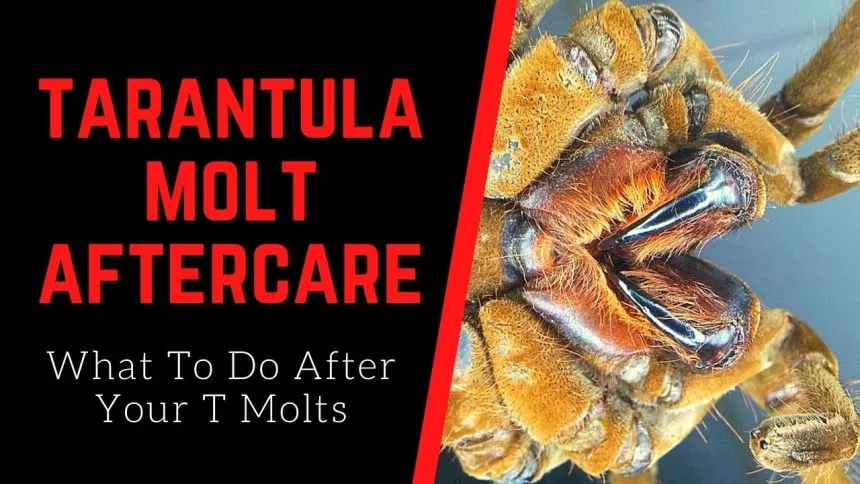
Understanding Pink Toe Tarantula Molting
Pink Toe Tarantulas, known for their arboreal nature and the distinctive pink coloration on their toe tips, are fascinating creatures to observe. One of the most captivating processes in a tarantula’s life is molting. This essential biological function is how these spiders grow, regenerate lost limbs, and shed parasites. Understanding the molting process is crucial for any Pink Toe Tarantula owner to ensure their pet’s health and well-being. This guide will provide you with everything you need to know about molting, from recognizing the signs to providing the appropriate care during and after the process.
What is Molting?
Molting, or ecdysis, is the process by which a tarantula sheds its exoskeleton. The exoskeleton, or cuticle, is a rigid, external covering that protects the spider’s body. As the tarantula grows, it outgrows this outer shell. Molting allows the spider to shed the old exoskeleton and reveal a new, larger one underneath. It’s not just about growth; it’s also an opportunity for the tarantula to regenerate lost limbs and replace any damaged parts. The new exoskeleton is initially soft and pliable, gradually hardening over time. This process leaves the tarantula vulnerable, so it is crucial to provide a safe environment during molting.
Why Do Pink Toe Tarantulas Molt?

Molting serves multiple vital purposes for Pink Toe Tarantulas. Primarily, it allows the spider to grow. The exoskeleton doesn’t stretch, so molting is necessary for the tarantula to increase in size. Secondly, molting helps in the regeneration of lost limbs or damaged body parts. If a tarantula loses a leg, for example, it can regrow it during the next molt. Additionally, molting eliminates parasites and debris that may have accumulated on the exoskeleton. It is a comprehensive renewal process that maintains the health and vitality of the Pink Toe Tarantula. This natural process is a fundamental aspect of the spider’s life cycle.
Signs Your Pink Toe Tarantula is About to Molt
Recognizing the signs that your Pink Toe Tarantula is about to molt is essential for providing the appropriate care. Several behavioral and physical changes indicate the molting process is imminent. Being aware of these signs allows you to prepare the enclosure and minimize disturbances during this vulnerable period. Observing these changes helps ensure a successful molt and the continued health of your pet.
Changes in Appearance
One of the first visible signs is a change in the tarantula’s appearance. The abdomen may appear darker or more translucent, and you might see a noticeable gap between the carapace (the top shell) and the abdomen. The tarantula’s exoskeleton may also appear duller than usual. In some cases, you might observe a bald spot on the abdomen, which is a sign that the new exoskeleton is developing underneath. These physical changes are clear indicators that the molting process has begun internally, preparing the spider to shed its outer layer.
Behavioral Changes

Behavioral changes are another key indicator. The tarantula may become less active, spending more time hiding in its burrow or a secluded corner of the enclosure. It may also refuse food, as it loses its appetite. Before the molt, a tarantula may become restless, moving around the enclosure more than usual, searching for the ideal molting spot. These behavioral shifts are the spider’s way of conserving energy and preparing for the demanding process of molting.
Environmental Adjustments During Molting
Creating the right environment is crucial for a successful molt. The goal is to provide a safe, humid, and undisturbed space for your Pink Toe Tarantula. The key is to replicate the conditions that the tarantula would naturally seek out in the wild. By paying attention to humidity, providing a suitable molting area, and minimizing disruptions, you can help your tarantula molt safely and effectively.
Maintaining the Right Humidity
Humidity plays a vital role in the molting process. A slightly higher humidity level helps the old exoskeleton separate from the new one. Use a hygrometer to monitor the humidity levels, keeping it between 70% and 80%. You can maintain humidity by misting the enclosure with water, especially around the substrate. Ensure the enclosure has proper ventilation to prevent mold growth while maintaining adequate humidity. During the molt, higher humidity ensures that the new exoskeleton does not dry out before fully formed.
Providing a Safe Molting Environment

A safe environment means minimizing disturbances and providing a secure space where the tarantula feels protected. Ensure the enclosure is free from potential hazards such as sharp objects or items that could fall on the tarantula during the molt. Avoid handling or disturbing your tarantula once you notice pre-molt signs. It is also advisable to provide a hide or a sheltered area where the tarantula can feel secure. A well-maintained enclosure with appropriate substrate and hiding places is key.
The Molting Process Step by Step
Understanding the molting process, from start to finish, can help you better support your Pink Toe Tarantula. The process involves several distinct stages, each with its own characteristics. Knowing what to expect during each stage enables you to provide the best possible care, ensuring a smooth and successful molt. The stages include the pre-molt, the actual molting, and the post-molt phases.
Pre-Molt Stage
During the pre-molt stage, the tarantula prepares for the molt. This is when you’ll observe the behavioral and physical changes previously mentioned. The tarantula will often stop eating and may become lethargic. It will spend more time in hiding, preparing for the upcoming process. The abdomen will appear darker, and the exoskeleton might seem dull. These signs indicate that the tarantula is internally separating its old exoskeleton from the new one, getting ready to shed.
Actual Molting

The actual molting process can take anywhere from a few minutes to several hours. The tarantula will typically lie on its back or side. The old exoskeleton will begin to split, usually along the carapace or abdomen. The tarantula will then slowly extract itself from the old shell, a process that requires a great deal of effort. You might see the tarantula wriggling and pushing to free itself. Once the process is complete, the tarantula will be lying next to its shed exoskeleton.
Post-Molt Stage
After molting, the tarantula’s new exoskeleton will be soft and vulnerable. The tarantula will typically remain still for a period, allowing the new exoskeleton to harden. During this time, it’s crucial to avoid disturbing the spider. The tarantula’s fangs and chelicerae will also be soft, so it is important to avoid feeding it until the new exoskeleton has fully hardened, which usually takes several days to a week, depending on the spider’s size and environmental conditions.
How Long Does Molting Take?
The duration of the molting process can vary significantly. While the actual molting itself might take a few minutes to several hours, the entire process, including pre and post-molt stages, can span weeks or even months. Several factors influence how long a Pink Toe Tarantula takes to molt, including the tarantula’s age, environmental conditions, and the frequency of molting.
Factors Influencing Molting Duration

Several factors impact the length of time it takes for a Pink Toe Tarantula to molt. Recognizing these factors helps you understand why molting times can vary and how to ensure the best environment for your pet. These factors can influence the success and duration of the molting process.
Age of the Tarantula
Younger tarantulas molt more frequently than adults, as they are growing rapidly. As they mature, the molting frequency decreases. Spiderlings may molt every few months, while older adults may molt only once a year or even less frequently. The frequency and duration of molting often depend on the spider’s growth rate, which is directly linked to its age and maturity. The time spent in each molt also depends on the age, with younger spiders often molting faster than older ones.
Environmental Conditions
Temperature and humidity play a critical role. Maintaining the correct temperature (75-85°F or 24-29°C) and humidity levels (70-80%) is essential for a successful molt. Proper humidity helps the old exoskeleton separate easily, while an appropriate temperature supports the metabolic processes needed for the molting process. Fluctuations in these conditions can prolong the molting process and potentially lead to complications.
Frequency of Molting

The frequency of molting itself influences the overall time. Younger tarantulas, which molt more frequently, will have shorter molting cycles compared to older tarantulas. Molting frequency is directly tied to the spider’s growth rate and overall metabolism. Factors such as feeding habits, environmental conditions, and overall health will influence how often a tarantula molts during its lifetime.
Caring for Your Tarantula After Molting
The post-molt period requires specific care to ensure your Pink Toe Tarantula recovers and thrives. The new exoskeleton is soft and vulnerable, so it’s essential to create an environment that supports hardening and proper recovery. Providing the right conditions during this time helps prevent injury and ensures the tarantula’s continued well-being.
Feeding Your Tarantula
Avoid feeding your tarantula immediately after molting. Wait until the new exoskeleton has fully hardened, typically a week or so. This will allow the fangs and chelicerae to harden sufficiently for feeding. Start with smaller, softer prey items, like newly hatched crickets. Gradually introduce larger prey as the tarantula’s fangs and exoskeleton harden. Providing appropriate prey and avoiding overfeeding helps ensure your tarantula’s successful recovery.
Handling Your Tarantula
Do not handle your tarantula for at least a week or two after molting. The new exoskeleton is soft, and the spider is more susceptible to injury. Handling at this time could damage the soft exoskeleton or the tarantula’s fangs. Once the exoskeleton has hardened, you can resume handling with caution. Avoid any unnecessary handling to reduce the risk of harm. If you must handle your tarantula, do so carefully and gently.
Common Problems and Solutions
While molting is a natural process, some issues can arise. Being aware of these problems and knowing how to address them can help you keep your Pink Toe Tarantula safe and healthy. Several issues can complicate the molting process.
Stuck Molt
A stuck molt occurs when the tarantula struggles to shed its old exoskeleton completely. This often happens due to low humidity or other environmental stressors. To prevent this, ensure appropriate humidity levels and a stress-free environment. If your tarantula has a stuck molt, gently mist the enclosure with water to increase humidity. You can also provide a humid hide. Avoid trying to manually remove the old exoskeleton, as this could severely injure the spider. In severe cases, consult a veterinarian or experienced tarantula keeper.
Dehydration
Dehydration can also lead to molting problems. Ensure your tarantula has access to fresh water at all times. The enclosure should have proper ventilation to prevent excessive humidity buildup. If your tarantula seems dehydrated, you can gently mist the enclosure. Avoid over-misting as this can lead to other issues. Monitoring your tarantula’s behavior and overall appearance helps you identify and address signs of dehydration promptly.
Conclusion
Molting is a fundamental process for Pink Toe Tarantulas, essential for their growth, regeneration, and overall health. By understanding the signs of molting, providing the right environment, and knowing how to address potential problems, you can ensure your tarantula molts successfully. Careful observation and appropriate care during the pre, actual, and post-molt stages are critical. With this guide, you are well-equipped to support your Pink Toe Tarantula through this important life cycle event. Enjoy the fascinating journey of keeping these amazing creatures.