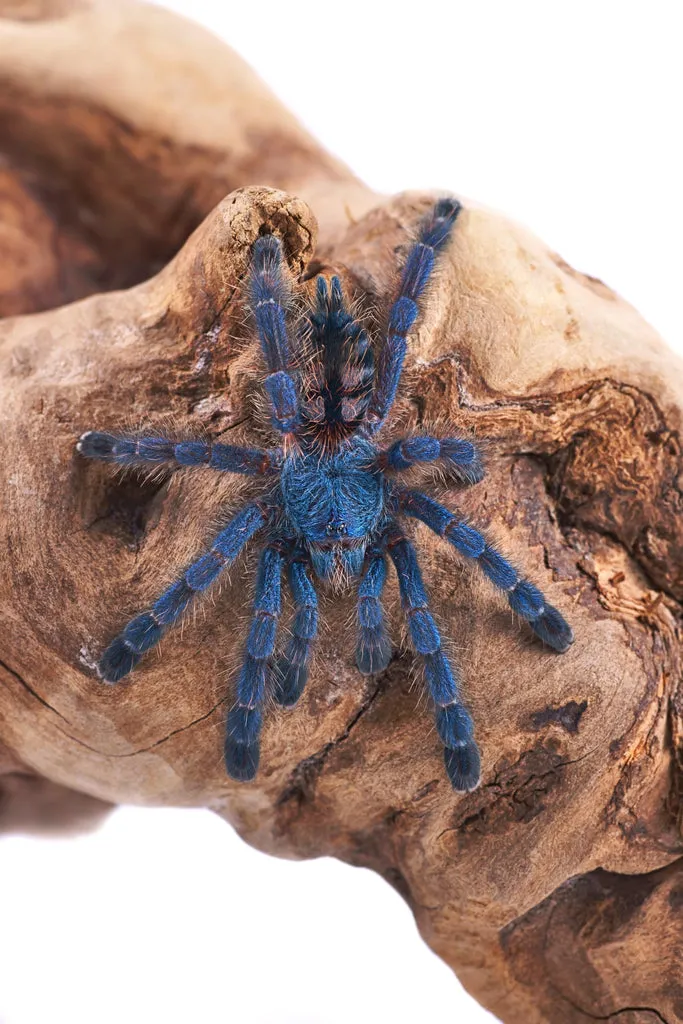
Pinktoe Tarantula Care Tips
The Antilles Pinktoe Tarantula, a beautiful and relatively docile spider, makes a fascinating pet for both beginner and experienced arachnid enthusiasts. Their striking appearance, with their namesake pink toes and arboreal lifestyle, adds a unique charm to any collection. However, like all pets, they require specific care to thrive. This guide provides the top 5 care tips to ensure your Antilles Pinktoe enjoys a long and healthy life in captivity, covering everything from enclosure setup to handling and health. Understanding these essential aspects is crucial to providing a safe and enriching environment for your tarantula, allowing you to fully appreciate its unique characteristics and behaviors. By following these guidelines, you can become a successful pinktoe tarantula keeper.
Choosing the Right Enclosure
The enclosure is the foundation of your pinktoe tarantula’s habitat. It should provide security, a comfortable environment, and adequate space for the spider to exhibit its natural behaviors. A well-designed enclosure not only ensures the well-being of your pet but also enhances your enjoyment of observing it. It’s essential to prioritize the tarantula’s needs when setting up the enclosure, mimicking its natural habitat as closely as possible to minimize stress and encourage healthy behaviors. Selecting the right enclosure is the first and most important step in pinktoe tarantula care.
Enclosure Size and Type

Antilles Pinktoe Tarantulas are arboreal, meaning they live primarily in trees. Therefore, a tall rather than wide enclosure is ideal. A good starting size for an adult is around 12x12x18 inches. Glass or acrylic enclosures are common choices, providing clear visibility. Ensure the enclosure has a secure, well-ventilated lid to prevent escapes. Proper ventilation is crucial to maintain air quality and prevent the buildup of humidity, which can lead to mold and other issues. The enclosure should provide enough space for the tarantula to move, climb, and build a web, which is essential for its well-being. Avoid enclosures with sharp edges or small crevices that could pose a threat to the tarantula.
Substrate and Decorations
The substrate should be absorbent to help maintain humidity and provide a natural feel for the tarantula. A mix of coconut fiber, peat moss, or sphagnum moss works well. These substrates retain moisture effectively and are safe for the tarantula. Add decorations like cork bark, branches, and artificial plants to mimic the tarantula’s natural environment. These provide hiding places and climbing surfaces, enriching the habitat and reducing stress. Arrange the decor to allow for vertical movement, as pinktoes are arboreal. Always avoid using materials that could be toxic or harmful to the tarantula. The decorations not only enhance the aesthetic appeal of the enclosure but also provide essential enrichment for your pet.
Creating the Ideal Climate
Creating the right climate is critical for the health and well-being of your Antilles Pinktoe Tarantula. This involves controlling both temperature and humidity levels within the enclosure. These environmental factors influence the tarantula’s metabolism, molting process, and overall activity levels. Monitoring and adjusting these parameters regularly is key to providing a comfortable and healthy habitat.
Temperature Requirements

Maintain a temperature range of 75-80°F (24-27°C) inside the enclosure. This temperature is optimal for their metabolism and activity. Use a reliable thermometer to monitor the temperature, placing it in a location where it’s easily visible. Avoid placing the enclosure in direct sunlight or near heat sources like radiators, as this can cause the temperature to fluctuate rapidly and potentially harm the tarantula. If the room temperature isn’t sufficient, you can use a low-wattage heat source, such as a heat mat attached to the side of the enclosure, but always monitor to ensure it doesn’t get too hot.
Humidity Levels
Antilles Pinktoe Tarantulas require moderate humidity levels, typically between 65-75%. Regularly mist the enclosure with dechlorinated water, but avoid over-misting, which can lead to mold growth. Monitor humidity levels with a hygrometer. Adequate ventilation is also important to prevent excess moisture buildup. You can adjust humidity by modifying the amount of water you mist and by the type of substrate used. Maintaining proper humidity is essential for healthy molting, as the tarantula needs the right conditions to shed its exoskeleton properly.
Feeding Your Pinktoe Tarantula
Providing a proper diet is essential for the growth and health of your Antilles Pinktoe Tarantula. They are opportunistic predators, and their diet should consist primarily of insects. Regular feeding, appropriate food size, and proper hydration are critical aspects of their care.
Diet and Feeding Frequency

Feed your tarantula appropriately sized insects, such as crickets, roaches, or mealworms. The size of the prey should be no larger than the tarantula’s body. Feed adult tarantulas once or twice a week, while juveniles may need feeding more frequently, approximately every other day. Remove any uneaten food within 24 hours to prevent mold or mites. Ensure the insects you feed are healthy and from a reliable source. Avoid feeding wild-caught insects, as they may carry parasites or pesticides that can harm your tarantula. A varied diet is generally beneficial.
Water and Hydration
Provide a shallow water dish filled with fresh, dechlorinated water at all times. This is crucial for hydration, especially during molting. Use a shallow dish to prevent the tarantula from drowning. Check the water dish daily and refill as needed. Some tarantulas may prefer to drink from droplets you spray on the side of the enclosure. Ensure the water source is clean and free of debris.
Handling and Interaction
Handling your Antilles Pinktoe Tarantula is generally not recommended unless necessary, as it can stress the spider and increase the risk of accidental injury. However, understanding how to handle your tarantula safely is essential in certain situations, such as enclosure maintenance or health checks. Always prioritize the tarantula’s well-being and avoid handling if the spider appears stressed or agitated.
Handling Guidelines

If you must handle your tarantula, do so with extreme caution. Gently coax the tarantula onto your hand rather than trying to grab it. Always handle over a soft surface, such as a bed or a carpet, in case it falls. Avoid sudden movements or loud noises that could startle the tarantula. Never handle your tarantula if you are unsure of its temperament or if it appears aggressive. Always wash your hands thoroughly before and after handling to prevent the transfer of any substances.
Recognizing Stress Signs
Observe your tarantula’s behavior to identify signs of stress. These include excessive hiding, flicking hairs from the abdomen (a defense mechanism), a defensive posture, or refusing to eat. If you notice any of these signs, avoid handling the tarantula and try to identify the source of the stress, such as improper enclosure conditions or disturbance. A stressed tarantula is more likely to bite. Providing a calm and secure environment is crucial for their well-being.
Health and Wellness
Maintaining the health and wellness of your Antilles Pinktoe Tarantula involves recognizing potential health issues and taking preventive measures. Regular observation, proper care, and a clean environment are essential for keeping your tarantula healthy and happy. By being vigilant, you can address any health problems promptly and ensure your pet lives a long and fulfilling life.
Common Health Issues

Some common health issues include mites, fungal infections, and problems with molting. Mites can infest the tarantula and its enclosure, causing irritation and potential health problems. Fungal infections often arise from high humidity or poor ventilation. Molting problems can occur if the humidity is too low or the enclosure conditions are not optimal. Inspect your tarantula regularly for any signs of illness, such as lethargy, loss of appetite, or unusual behaviors. If you suspect a health problem, consult a veterinarian experienced in exotic animals.
Preventative Care
The best approach to health is prevention. Maintain a clean enclosure, provide proper ventilation, and regulate humidity and temperature. Ensure your tarantula has access to fresh water and a nutritious diet. Regularly inspect your tarantula for any signs of illness or parasites. Quarantine any new tarantulas before introducing them to your existing collection. Keeping a close eye on your tarantula and providing a suitable environment significantly reduces the risk of health issues.