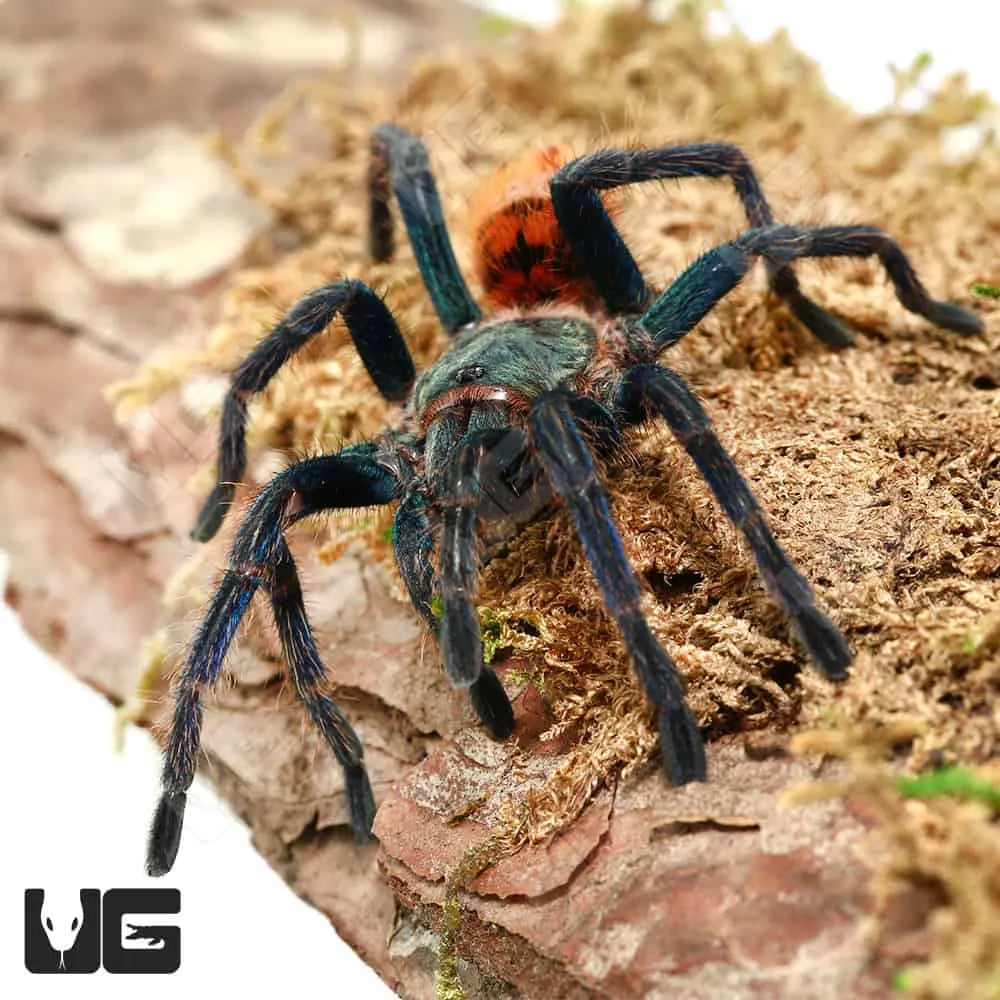
What is the Green Bottle Blue Tarantula?
The Green Bottle Blue Tarantula (Chromatopelma cyaneopubescens) is a vibrant and captivating species of tarantula, highly sought after by arachnid enthusiasts. Native to the dry scrublands of northern Venezuela and the island of Trinidad, this spider is known for its striking coloration, combining a metallic blue with shades of green and orange. This beautiful creature is not only a visual spectacle but also presents interesting aspects of behavior, habitat, and the nature of its venom, making it an intriguing subject of study and observation. Their unique appearance and relatively docile temperament make them a popular choice for those new to tarantula keeping, but understanding their needs and potential dangers is crucial for responsible pet ownership.
Appearance and Characteristics
The Green Bottle Blue Tarantula is instantly recognizable due to its striking coloration. The carapace, or the top part of the cephalothorax, displays a metallic green or gold, while the legs exhibit a brilliant metallic blue hue. The abdomen showcases an orange coloration, often with patterns that vary from spider to spider, adding to their individual charm. Their size is moderate compared to other tarantula species, with females typically reaching a leg span of up to 6 inches, while males are often slightly smaller. These spiders have strong, sturdy bodies and are covered in small hairs, which play a role in their sensory perception. This combination of colors makes this species a true standout in the world of tarantulas, providing a visual feast for anyone lucky enough to observe them.
Unique Coloration

The unique coloration of the Green Bottle Blue Tarantula serves multiple purposes, from camouflage to attracting mates. The metallic blue legs and green carapace can help the spider blend in with the surroundings, particularly the dry scrublands where they originate. The bright colors may also play a role in mating displays, with males using their appearance to attract females during courtship. The patterns on the abdomen add a unique fingerprint to each individual, allowing for identification and distinction between different specimens. The combination of colors provides a natural beauty that makes the Green Bottle Blue Tarantula one of the most visually appealing tarantula species, admired by enthusiasts around the world.
Origin and Habitat
Green Bottle Blue Tarantulas are endemic to a specific region, which defines their ideal habitat. Understanding the origins of this species is crucial to provide the right living conditions. They originate from the dry scrublands and coastal regions of northern Venezuela and Trinidad, where the climate is typically arid, with distinct wet and dry seasons. This environment influences the tarantula’s behavior and needs, including the types of shelter, humidity, and temperature levels. Recreating these conditions is essential for their wellbeing in captivity, ensuring they thrive and exhibit their natural behaviors.
Where They Live
In their natural habitat, Green Bottle Blue Tarantulas are found in burrows or utilize existing shelters in the scrublands. These burrows provide protection from the sun, predators, and extreme weather conditions. They prefer areas with sandy or loamy soil, which allows them to dig and maintain their shelters. In captivity, it’s important to mimic these natural conditions by providing a suitable substrate for burrowing, such as a mixture of peat moss, vermiculite, and coco fiber. Providing a hide, such as a piece of cork bark or a pre-made hide, can offer them a sense of security. The placement of their habitat should take into consideration aspects of their environment, such as providing adequate ventilation.
Ideal Environmental Conditions

Maintaining the correct environmental conditions is crucial for the health and well-being of Green Bottle Blue Tarantulas. The temperature in their enclosure should range from 75 to 85 degrees Fahrenheit, which can be achieved using a heat mat or a ceramic heat emitter. Humidity levels should be kept relatively low, around 60-70%, as these tarantulas are adapted to dry environments. This can be achieved through a shallow water dish and misting the enclosure occasionally. Proper ventilation is also important to prevent mold and maintain air quality. Monitoring these factors is essential to ensure the Green Bottle Blue Tarantula thrives in its captive environment and displays its characteristic behaviors.
Are Green Bottle Blue Tarantulas Poisonous? Fact 1
Yes, Green Bottle Blue Tarantulas are venomous. All tarantulas possess venom, which they use to subdue their prey. The venom is injected through their fangs during a bite. However, the term ‘poisonous’ can be misleading; it is more accurate to describe them as venomous. Poisonous animals release toxins through contact, while venomous animals inject toxins through a bite or sting. The venom of a Green Bottle Blue Tarantula is generally not considered life-threatening to humans. While the bite can be painful and cause localized symptoms, it is usually not severe. Understanding the nature of their venom is crucial for anyone considering keeping these tarantulas as pets.
The Nature of Tarantula Venom
Tarantula venom is a complex mixture of proteins and enzymes designed to paralyze or kill their prey. The specific composition of the venom varies between different species of tarantulas. In the case of the Green Bottle Blue Tarantula, their venom is primarily intended for subduing insects and other small invertebrates. The effects of the venom on humans can range from mild to moderate, depending on factors such as the amount of venom injected and the individual’s sensitivity. Generally, the venom is not potent enough to pose a significant health risk, but it can cause a variety of symptoms.
Effects on Humans

The effects of a Green Bottle Blue Tarantula bite on humans typically include localized pain, swelling, and redness at the site of the bite. Some individuals may experience muscle cramps, itching, or even flu-like symptoms. The severity of these symptoms can vary from person to person. Allergic reactions are rare, but if symptoms like difficulty breathing, severe swelling, or dizziness occur, medical attention should be sought immediately. Proper first aid and care are crucial to manage any discomfort from a bite, which often subsides within a few hours or days. It’s important to remember that while the bite is not usually life-threatening, it can be a painful and unpleasant experience.
Fact 2 Bite Symptoms
Symptoms following a bite from a Green Bottle Blue Tarantula often include immediate and intense pain at the bite site, followed by localized swelling and redness. Other common symptoms may include itching, muscle cramps, and a burning sensation. Some individuals might experience flu-like symptoms such as fever, chills, or headaches, but these are not very common. The symptoms usually subside within a few hours to a few days. While rare, some individuals with allergies might develop a more severe reaction.
Severity and First Aid
The severity of a Green Bottle Blue Tarantula bite is generally considered mild to moderate. First aid for a bite should include washing the area thoroughly with soap and water, applying a cold compress to reduce swelling and pain. Over-the-counter pain relievers can help manage discomfort. It is essential to monitor the bite site for any signs of infection or allergic reaction, such as increased swelling, difficulty breathing, or dizziness. In case of severe symptoms, medical attention should be sought immediately. Generally, the bite is not life-threatening, but appropriate care and monitoring are necessary to prevent complications.
Fact 3 Diet and Feeding Habits

Green Bottle Blue Tarantulas are carnivorous predators, primarily feeding on insects and other invertebrates in their natural habitat. Their diet consists of a variety of prey items that they can easily capture. The tarantulas employ a sit-and-wait strategy, ambushing their prey when it comes within striking distance. Understanding the dietary needs is important to replicate the nutritional requirements.
What They Eat
In the wild, the diet of Green Bottle Blue Tarantulas primarily consists of insects such as crickets, grasshoppers, and beetles. They may also feed on other small invertebrates, such as moths or even small lizards, depending on availability. In captivity, a varied diet of appropriately sized insects is essential to maintain their health and provide essential nutrients. Crickets, mealworms, cockroaches, and locusts are common food sources. Feeding these spiders a diverse diet mimics the natural diet.
Feeding Frequency
The feeding frequency for Green Bottle Blue Tarantulas varies depending on their age and size. Spiderlings and juveniles should be fed more frequently, typically every 2-3 days, to support their growth and development. Adult tarantulas can be fed less often, about once or twice a week, as they have slower metabolisms. It is crucial to offer an appropriate-sized food item, generally no larger than the tarantula’s body size, to avoid causing stress or injury. Monitoring their feeding habits and adjusting the frequency according to their appetite is a good practice to ensure they remain healthy.
Fact 4 Behavior and Temperament

Green Bottle Blue Tarantulas are generally considered to be a relatively docile species, although they can still display defensive behaviors when threatened. Their temperament, however, is a key factor contributing to their popularity in the pet trade. They are generally not as prone to defensive behaviors such as biting, compared to some other tarantula species. However, like all tarantulas, they should be handled with care and respect. Observing their behavior and understanding their defensive postures is essential to ensure a safe interaction and responsible pet ownership.
Defensive Postures
When feeling threatened, Green Bottle Blue Tarantulas may exhibit several defensive postures to ward off potential threats. They might raise their front legs in a threat display, signaling a warning to the perceived aggressor. They also possess urticating hairs on their abdomen, which they can flick off to irritate the skin and eyes of a potential threat. Additionally, they may attempt to flee, so providing them with ample space and hiding places can reduce the likelihood of defensive behaviors. Understanding these defensive postures is important to avoid getting bit or exposed to the urticating hairs, ensuring a safe interaction with the tarantula.
Fact 5 Conservation Status
The conservation status of the Green Bottle Blue Tarantula is not currently listed as endangered, but it is essential to monitor population trends. While they are not presently considered threatened, habitat loss and the pet trade can pose potential challenges. Habitat destruction due to deforestation and urban development can reduce the availability of suitable environments. The demand for them in the pet trade can also impact wild populations. Promoting responsible sourcing and ethical pet ownership is necessary to prevent negative impacts on their population and encourage conservation efforts.
Threats to the Species

The main threats to Green Bottle Blue Tarantulas include habitat loss, collection for the pet trade, and the effects of climate change. Deforestation and land clearing for agriculture and development are diminishing their natural habitats. The increased demand in the pet trade can lead to over-collection from the wild, further impacting the population. Climate change can also affect their habitat. It is important to support conservation efforts, promote responsible pet ownership, and advocate for policies that protect their habitat and ensure the long-term survival of this striking species.