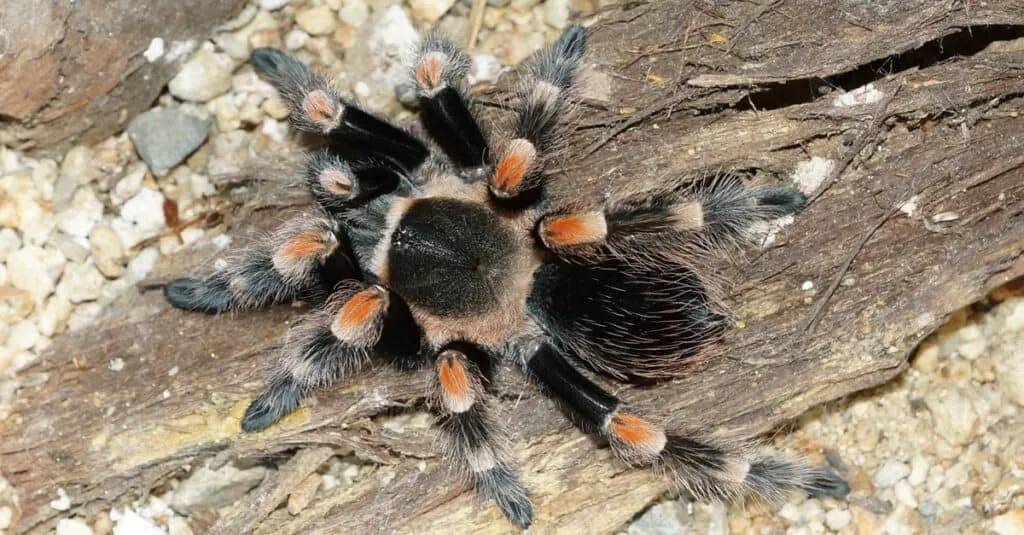
Red Belly Tarantula Top 5 Amazing Facts
The Red Belly Tarantula (Grammostola iheringi) is a captivating species, known for its striking appearance and relatively docile nature. These spiders have gained popularity among arachnid enthusiasts, making them a fascinating subject for exploration. This guide dives into five amazing facts, unveiling the secrets of these beautiful creatures. From their origins to their behaviors, we uncover what makes the Red Belly Tarantula so special. Get ready to expand your knowledge and appreciation for the fascinating world of these arachnids, learning about their natural habitat, diets, behaviors, and how to care for them. Prepare to be amazed by the beauty and intriguing characteristics of the Red Belly Tarantula!
What is a Red Belly Tarantula?
The Red Belly Tarantula, scientifically known as Grammostola iheringi, is a terrestrial tarantula species native to South America. They are renowned for their gentle temperament and striking appearance, which makes them a popular choice for tarantula enthusiasts. These spiders are relatively large, with females typically reaching up to 7 inches in leg span. Their lifespan can extend up to 15-20 years, making them a long-term commitment for any pet owner. Originating from the grasslands and scrublands of Brazil and Argentina, they have adapted to thrive in a variety of environments, which makes them hardy in captivity. Their captivating appearance and manageable care requirements contribute to their widespread appeal, making them a fascinating addition to any collection. This section will delve deeper into their physical traits and distinctive characteristics.
Appearance and Characteristics

One of the most distinguishing features of the Red Belly Tarantula is, as the name suggests, the reddish or pinkish coloration on the underside of its abdomen. This vibrant hue contrasts beautifully with their dark brown or black carapace and legs. Their bodies are covered in urticating hairs, which serve as a defense mechanism. These hairs, when disturbed, can cause irritation to the skin and eyes. These spiders have a robust build, with powerful legs designed for both walking and burrowing. Their chelicerae, or mouthparts, are strong and used for grasping and crushing prey. The overall appearance is one of elegance and strength, with a blend of colors that make them visually appealing. The combination of their size, coloration, and physical attributes truly make this species stand out. The images show a beautiful Red Belly Tarantula.
Fact 1 Where do they live?
Habitat and Natural Environment
In the wild, Red Belly Tarantulas are found in the grasslands and scrublands of South America, particularly in Brazil and Argentina. They are terrestrial spiders, meaning they primarily live on the ground. They construct burrows, either by digging themselves or utilizing pre-existing shelters like under rocks or logs. These habitats provide them with protection from predators and the elements. They prefer warm and humid environments, which is why maintaining appropriate humidity levels is crucial in captivity. They are well-adapted to their native habitats, where they play a vital role in the ecosystem by controlling insect populations. Understanding their natural habitat is key to providing them with the best care in a captive environment. The image shows the perfect habitat that the Red Belly Tarantulas love.
Fact 2 What do they eat?

Diet and Feeding Habits
Red Belly Tarantulas are carnivorous creatures. In the wild, their diet mainly consists of insects, such as crickets, grasshoppers, and beetles. They are ambush predators, waiting patiently for their prey to come within striking distance. They inject venom to immobilize their prey, then use their chelicerae to crush and consume it. In captivity, their diet can be easily replicated by feeding them commercially available insects, such as crickets, mealworms, and roaches. It is important to offer a varied diet to ensure they receive all the necessary nutrients. Overfeeding should be avoided, as it can lead to health issues. The frequency of feeding depends on the tarantula’s age and size, but generally, adults are fed once or twice a week. Images can show how the tarantula hunts its prey.
Fact 3 What are their Temperament?
Behavioral Traits and Handling

Red Belly Tarantulas are generally known for their docile temperament, making them a good choice for beginner tarantula keepers. They are not typically aggressive and rarely bite unless provoked or threatened. However, it is important to remember that they are still wild animals and should be handled with caution. When handling, it is recommended to do so close to the ground, in case the spider falls. Always wash your hands before and after handling. They may flick urticating hairs as a defense mechanism, which can cause irritation. It is best to avoid handling them unnecessarily to minimize stress. Observe their behavior to understand their mood; if the tarantula appears stressed or defensive, it’s best to leave it alone. The image demonstrates the proper way of handling the Red Belly Tarantula.
Fact 4 How do they reproduce?
Reproduction and Life Cycle
The reproduction process in Red Belly Tarantulas is a fascinating spectacle. Males typically mature faster than females. The male will build a sperm web and deposit his sperm on it, which he then transfers to his pedipalps. He will then seek out a female, and if she is receptive, he will mate with her. After mating, the female will lay eggs, which she will encase in a silken egg sac. She fiercely guards this sac until the spiderlings hatch. The spiderlings then go through a series of molts as they grow and develop. The molting process is essential for the tarantula to shed its exoskeleton and grow. Each molt brings them closer to adulthood. These tarantulas have an interesting life cycle.
Fact 5 How to take care of them?

Captive Care and Considerations
Caring for a Red Belly Tarantula involves creating a suitable habitat that mimics its natural environment. A terrarium with appropriate ventilation and substrate is essential. The substrate should be a mix of coco fiber, peat moss, and vermiculite, which helps maintain humidity levels and allows the tarantula to burrow. The enclosure should be kept at a temperature between 75-85°F (24-29°C), with a humidity level of 60-70%. Provide a water dish with fresh water at all times. Feed your tarantula appropriate-sized insects, removing any uneaten food within 24 hours. Regularly monitor the enclosure for any signs of mold or mites, and take appropriate action if necessary. With proper care, Red Belly Tarantulas can thrive in captivity, providing years of enjoyment. The image can show the proper enclosure and the environment needed to keep your Red Belly Tarantula happy.