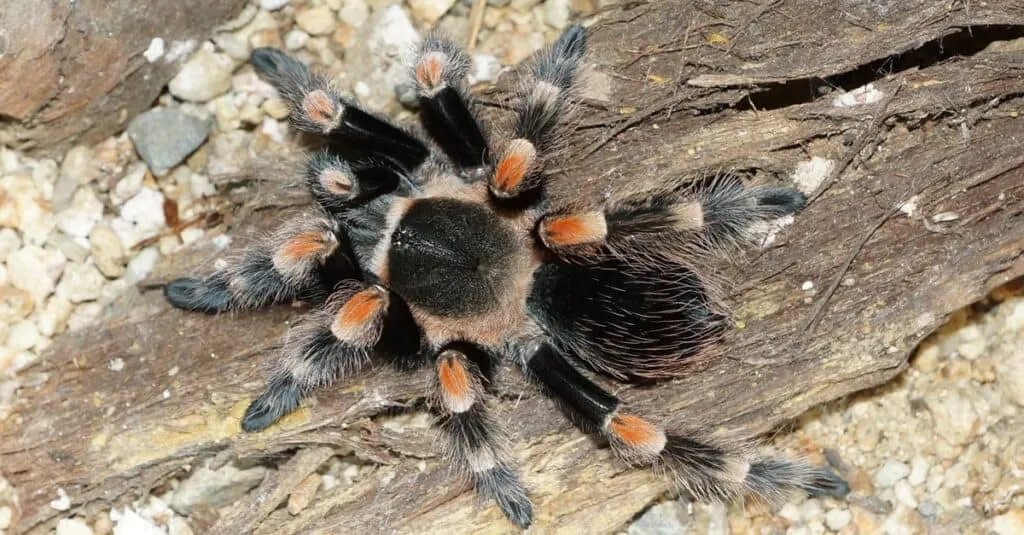
Red Knee Tarantula Feeding Habits Top 5 Facts
The Red Knee Tarantula, Brachypelma hamorii, is a captivating creature, known for its striking colors and relatively docile temperament. However, understanding their feeding habits is crucial for their health and well-being. This article will explore the top 5 essential facts about feeding your Red Knee Tarantula, ensuring you provide the best possible care for your eight-legged friend. From the types of food they enjoy to the frequency of feeding and crucial safety tips, this guide will provide you with all the information you need to be a responsible and informed tarantula owner. Proper feeding is not just about survival; it contributes significantly to their growth, molting process, and overall vitality, making it a cornerstone of successful tarantula husbandry. Let’s dive into the fascinating world of Red Knee Tarantula feeding habits.
What Do Red Knee Tarantulas Eat
Red Knee Tarantulas are primarily insectivores, meaning their diet consists mainly of insects. Understanding their natural diet is the first step in providing appropriate nutrition. They are opportunistic feeders in the wild, consuming whatever insects they can catch. In captivity, it’s the owner’s responsibility to provide a varied and nutritious diet. The insects should be gut-loaded before feeding to provide the tarantula with additional vitamins and nutrients. This means feeding the insects a nutritious diet for at least 24 hours before offering them to your tarantula, a practice that significantly improves the tarantula’s overall health and vitality. A balanced diet promotes healthy molting, growth, and overall well-being for these fascinating creatures.
The Importance of Crickets

Crickets are a staple food for Red Knee Tarantulas due to their accessibility, ease of care, and nutritional value. They provide a good source of protein, which is essential for growth and development. When selecting crickets, ensure they are appropriately sized for your tarantula. Crickets that are too large can pose a risk, as they can injure or stress the tarantula. Gut-loading crickets before feeding them to your tarantula is a crucial practice to maximize their nutritional value. This involves feeding the crickets a diet rich in vitamins and minerals. This ensures that your tarantula receives a well-rounded and balanced meal. You can purchase pre-gut-loaded crickets or do it yourself using commercially available cricket food.
Other Insects to Consider
While crickets form the cornerstone of their diet, variety is important for optimal health. Other insects can provide additional nutrients and prevent dietary monotony. Mealworms, dubia roaches, and even small locusts can be offered as occasional treats. Mealworms, for instance, are easily available and can be a good source of protein, but they are higher in fat, so should be given in moderation. Dubia roaches are another excellent choice, as they are nutritious, easy to care for, and have a good protein-to-fat ratio. Always source your insects from reputable suppliers to ensure they are free from parasites and pesticides. Variety in the diet not only enhances the nutritional profile but also adds mental stimulation for your pet tarantula, contributing to its overall well-being and making feeding time a more enriching experience.
How Much and How Often
The feeding frequency and portion size depend heavily on the tarantula’s age and size. It’s important to avoid overfeeding, as it can lead to obesity and health issues. Young spiderlings, for example, may need to be fed more frequently, while adults can eat less often. A good rule of thumb is to offer food once or twice a week for adults and more frequently for juveniles. Observing your tarantula’s abdomen can provide valuable clues. A plump abdomen often indicates that the tarantula is well-fed, while a slender one may suggest it needs more food. The size of the prey should also be appropriate; the insect should ideally be no larger than the tarantula’s abdomen. Careful observation and adjustment of feeding schedules are key to providing the best possible care.
Feeding Frequency Based on Age

The feeding schedule of a Red Knee Tarantula directly correlates to its life stage. Spiderlings, the very young tarantulas, need a more frequent diet, often every other day or even daily, to support their rapid growth. Sub-adults can be fed every five to seven days, while adult tarantulas often require feeding only once or twice a week. During molting, it is best to refrain from feeding your tarantula, as they are particularly vulnerable during this process. Moreover, tarantulas may refuse food before molting, which is a normal behavior. Adjust your feeding schedule based on your tarantula’s growth rate and molting frequency. Monitor the tarantula’s overall condition and adjust accordingly, ensuring they receive an optimal amount of food to thrive.
Portion Sizes for Optimal Health
The size of the prey offered to your Red Knee Tarantula is critical for its health and safety. As a general rule, the prey item should not be larger than the tarantula’s abdomen. Offering prey that is too large can stress the tarantula and potentially lead to injury, as the tarantula may struggle to subdue it. For spiderlings, start with small prey items like pinhead crickets or fruit flies. Gradually increase the size of the prey as the tarantula grows. Adult tarantulas can handle larger insects, but moderation is key. Overfeeding can lead to a variety of health issues, so it’s best to err on the side of caution. Observe your tarantula’s feeding habits and adjust portion sizes accordingly. Monitor the abdomen to gauge if it is too plump or too thin.
Handling and Safety Tips
While Red Knee Tarantulas are generally considered docile, it is crucial to handle them with care and respect. Their bites, although not deadly to humans, can be painful. Moreover, improper handling can cause stress to the tarantula. Always wash your hands thoroughly before and after handling your tarantula, as well as before feeding to avoid contamination. It is advisable to handle them only when absolutely necessary, such as for cage maintenance or health checks. Approach your tarantula calmly and avoid sudden movements or loud noises, which can startle them. Familiarize yourself with their body language, so you can recognize signs of stress, such as a defensive posture, and avoid handling when they appear agitated. By understanding their behavior, you can ensure a safe and positive experience for both you and your pet.
Safe Handling Techniques

If handling is required, use a soft brush to gently coax the tarantula onto your hand or a container. Avoid grabbing or poking the tarantula, as this can provoke a defensive response. When the tarantula is on your hand, keep your movements slow and deliberate, and keep your hand close to the ground. This prevents the tarantula from falling and injuring itself. Handle them over a soft surface to minimize the risk of harm if they do fall. Always supervise children when they are near the tarantula, and educate them on the importance of respecting the animal’s space and needs. Ensure that the enclosure is secure to prevent escapes. If your tarantula is defensive, do not force the issue. Instead, allow it to retreat and remain calm to avoid unnecessary stress.
Recognizing a Tarantula’s Mood
Understanding your Red Knee Tarantula’s mood can greatly enhance your interaction with it and ensure its well-being. Tarantulas communicate through subtle body language, and recognizing these cues can prevent potential problems. A tarantula that is relaxed and content will generally appear calm and move slowly. In contrast, a tarantula that is feeling threatened may display a defensive posture, raising its front legs and exposing its fangs. Another sign of stress is the flicking of urticating hairs from its abdomen. If your tarantula exhibits any of these defensive behaviors, it is best to leave it alone and avoid handling it. Always provide a stress-free environment and give your tarantula ample space to retreat if it feels threatened.
The Role of Hydration
Hydration is just as crucial as proper feeding for a Red Knee Tarantula’s health. They obtain moisture both from their food and from a dedicated water source within their enclosure. Dehydration can be fatal, leading to serious health complications. Ensuring that your tarantula has access to fresh, clean water at all times is therefore essential for its survival and well-being. Regularly check the water source for cleanliness and refill it as needed. Provide a shallow water dish to prevent the tarantula from drowning, ensuring that it has a safe and accessible place to drink. The humidity level of the enclosure also plays a role in hydration; maintain appropriate humidity levels for your tarantula’s specific needs. By providing adequate hydration, you promote healthy molting and overall vitality, contributing to the longevity of your pet.
Water Source Options

There are several options for providing a water source for your Red Knee Tarantula. A shallow water dish is a common and effective choice. Choose a dish that is wide enough for the tarantula to access easily but shallow enough to prevent drowning. Another option is to provide water by lightly misting the enclosure. This method raises humidity, which helps with hydration, especially for younger tarantulas or those in drier environments. The substrate can also be lightly dampened to aid in hydration. Regardless of the method you choose, it’s essential to keep the water source clean. Regularly replace the water in the dish and ensure the substrate is not excessively wet, which can lead to mold or bacterial growth. Clean water ensures the well-being of your tarantula, ensuring it can thrive in its habitat.
Signs of Dehydration
Recognizing the signs of dehydration is vital for the health of your Red Knee Tarantula. Dehydration can be a life-threatening condition, so it is crucial to identify it quickly. A dehydrated tarantula may appear lethargic, with a shrunken or wrinkled abdomen. They may also exhibit difficulty moving or show a loss of appetite. The tarantula’s legs might curl inward. If you suspect your tarantula is dehydrated, provide a shallow dish of fresh water immediately. Increase humidity by misting the enclosure lightly, but avoid excessive moisture, which can lead to other health problems. If the condition persists, consult an experienced arachnid veterinarian or a reptile specialist for advice. Early intervention and careful observation are key to reversing dehydration and ensuring your tarantula’s well-being.
Common Feeding Mistakes
Even experienced tarantula keepers can make feeding mistakes, so awareness is key. Overfeeding, offering prey that is too large, and not gut-loading insects are some common errors. Overfeeding can lead to obesity, which can cause health issues and shorten a tarantula’s lifespan. Feeding prey that is too large can be stressful and potentially dangerous for the tarantula. The prey may attack or injure the tarantula. Always gut-load insects to ensure your tarantula receives adequate nutrition and to prevent the animal from not getting essential vitamins and minerals. Another mistake is feeding the tarantula while it is in premolt, or right before it molts. Avoid feeding during this sensitive period, and remove any uneaten prey items to prevent stress and harm.
Overfeeding Dangers

Overfeeding is one of the most significant threats to your Red Knee Tarantula’s health. Providing excessive food can lead to obesity, which can place undue stress on the tarantula’s internal organs, particularly its heart. An obese tarantula may also have difficulty molting, as the excess weight can hinder the process. The excess food also increases the production of waste products, which may degrade the habitat and contribute to health problems. Look for signs of overfeeding, such as a rounded, distended abdomen. If you observe this, reduce the feeding frequency and portion size. If in doubt, it’s best to err on the side of underfeeding, as it’s generally easier to correct. Proper feeding is vital for the long-term health and well-being of your Red Knee Tarantula.
Handling Live Prey Incorrectly
Handling live prey is an essential but potentially risky part of tarantula care. Incorrect handling can result in injury to both the tarantula and the keeper. Never leave uneaten prey items in the enclosure for extended periods, especially crickets. They may harass or injure the tarantula, particularly during molting or when the tarantula is feeling vulnerable. Be careful when introducing live prey, and monitor the interaction between the prey and the tarantula. Always remove uneaten prey within 24 hours. When introducing prey, do so gently, and avoid startling the tarantula. Proper handling of live prey is a key part of maintaining a safe and healthy environment for your Red Knee Tarantula.
In conclusion, understanding the feeding habits of your Red Knee Tarantula is critical for its long-term health and happiness. By following the guidelines outlined in this article – providing a varied diet of appropriate insects, offering the correct amount of food, ensuring hydration, and avoiding common feeding mistakes – you can ensure that your tarantula lives a long, healthy, and fulfilling life. Consistent observation, responsible care, and a willingness to learn will contribute significantly to providing the optimal environment for your Red Knee Tarantula to thrive.