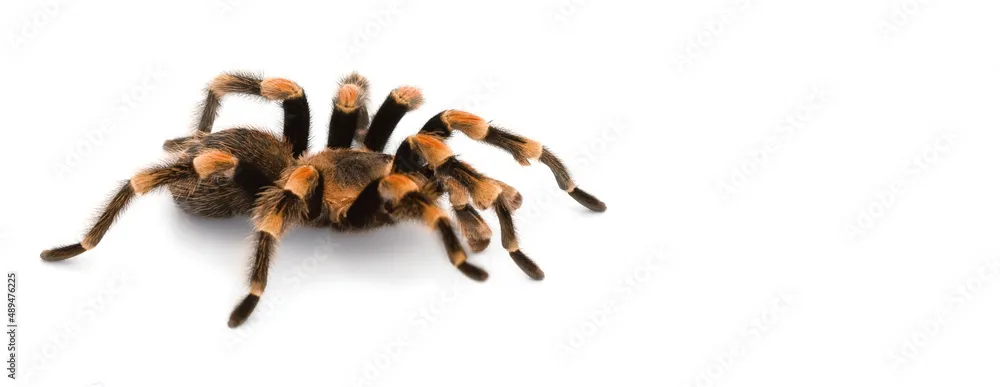
The Red Knee Tarantula, scientifically known as Brachypelma hamorii, is a captivating species, admired for its striking appearance and intriguing behaviors. Understanding these behaviors is crucial for responsible pet ownership and appreciating these fascinating creatures. From defensive postures to intricate mating rituals, the Red Knee Tarantula exhibits a range of actions that reveal its survival strategies and social dynamics. Here we delve into five of the most amazing behaviors of the Red Knee Tarantula, providing insights into their fascinating world.
Red Knee Tarantula’s Defensive Posture
One of the most readily observable behaviors is the Red Knee Tarantula’s defensive posture, a response to perceived threats. This posture is a clear signal of the tarantula’s state of mind and a warning to potential predators or perceived dangers. It’s a complex display that involves several components, each serving a specific purpose in the spider’s defense mechanism. Observing this behavior can give you insights into the spider’s stress level and how it perceives its environment. Recognizing the signs of a defensive posture allows for better interaction and care, minimizing stress for the tarantula and reducing the risk of defensive actions.
Understanding the Threat Pose
The threat pose typically starts with the tarantula rearing up on its hind legs, elevating its front legs and pedipalps. The fangs are often bared, and the spider may hiss or stridulate, producing a rasping sound by rubbing its legs together. This posture makes the tarantula appear larger and more intimidating, deterring potential threats. It’s a warning to back off, signaling the spider is prepared to defend itself. A tarantula in threat pose is best left alone. Approaching or touching it can result in a bite or a release of urticating hairs.
How the Tarantula Uses its Fangs

When threatened, the Red Knee Tarantula may use its fangs as a last resort. These fangs, or chelicerae, are sharp and capable of delivering a venomous bite. While the venom of the Red Knee Tarantula is not typically lethal to humans, it can cause pain and localized symptoms. The spider uses its fangs to inject venom into its prey, immobilizing it before feeding. In defensive situations, the bite is a way to protect itself from harm, serving as the final line of defense if other warnings are not heeded. The size of the fangs, relative to the tarantula’s body, can be quite impressive.
The Role of Urticating Hairs
Red Knee Tarantulas are equipped with urticating hairs, fine, barbed hairs on their abdomen. When threatened, the tarantula flicks these hairs towards the perceived threat using its hind legs. These hairs cause intense irritation upon contact with skin and eyes, serving as a significant deterrent. The hairs are a primary defense mechanism, a way to avoid a direct confrontation. This behavior is more common than biting, as it offers a more effective way to defend themselves from predators. Handling a Red Knee Tarantula without precautions can lead to irritation from these hairs, making it essential to exercise care when interacting with them.
Red Knee Tarantula’s Feeding Behavior
Feeding behavior is another captivating aspect of Red Knee Tarantula’s life. From hunting strategies to nutritional needs, the way they acquire and consume their meals is fascinating. Tarantulas are opportunistic feeders, meaning they will take advantage of available food sources. Their feeding habits in the wild vary greatly from their feeding in captivity. Understanding these behaviors can help provide the necessary nutrition and environment to keep your tarantula healthy and happy.
Hunting Strategies in the Wild

In the wild, Red Knee Tarantulas are ambush predators, primarily feeding on insects, small rodents, and other invertebrates. They typically wait in their burrows or near the entrance, relying on vibrations to detect approaching prey. When a potential meal comes within range, the tarantula quickly ambushes it, injecting venom to immobilize and start the digestion process. The hunting style involves a combination of patience and speed. This behavior depends greatly on the environment, making them quite adaptable to the available prey sources.
Captive Feeding Habits
In captivity, Red Knee Tarantulas are typically fed a diet of insects, such as crickets, roaches, and mealworms. The frequency of feeding depends on the tarantula’s size and age. Spiderlings require more frequent feeding, while adults can be fed less often. It is important to provide a varied diet and to remove any uneaten prey to prevent stress or harm to the tarantula. Overfeeding can lead to health problems. Providing fresh water at all times is also essential to support their feeding behavior and overall health.
Nutritional Needs
Red Knee Tarantulas require a balanced diet to thrive. They need essential nutrients, including proteins, fats, and vitamins. The type of insects offered, and their nutritional value is essential to the spider’s health and overall well-being. Supplementing the diet with occasional vitamin-dusted insects can enhance the spider’s health. Providing a diverse diet helps ensure that all nutritional needs are met. Ensuring the tarantula gets enough water helps with the digestion of food.
Red Knee Tarantula’s Molting Process

Molting is a crucial process for Red Knee Tarantulas, allowing them to grow and replace damaged body parts. This behavior is a sign of a healthy and developing tarantula. The molting process requires care and patience to ensure the tarantula can successfully shed its exoskeleton. It is essential to understand the different stages and requirements.
Signs of an Impending Molt
Before molting, Red Knee Tarantulas often exhibit certain behaviors, such as reduced appetite, lethargy, and a darkened abdomen. The tarantula may also start to spin a silken mat to prepare for the molt. These signs indicate the tarantula is preparing to shed its exoskeleton. The spider may also spend more time hiding and become less active. Recognizing these signs allows for proper adjustments in care to support a successful molt.
Caring for a Molting Tarantula
During the molting process, it’s critical to keep the environment stable and avoid disturbance. Maintaining appropriate humidity levels is essential, as this helps the tarantula shed its old skin more easily. Avoid feeding the tarantula until it has fully hardened after molting. Providing a shallow water dish is a good idea, but it should be accessible for the tarantula without being a hazard during the process. The molting process can be a vulnerable time, so minimizing stress is critical.
The Role of Humidity

Humidity plays a key role in the molting process. Too little humidity can make it difficult for the tarantula to shed its exoskeleton, while too much can lead to other issues. Maintaining the right humidity level for the specific species and life stage is essential for a healthy molt. The humidity level is important to ensure the exoskeleton softens, making it possible for the spider to shed its old skin with minimal difficulty. Monitoring and adjusting humidity levels based on the environment are essential during the molting process.
Red Knee Tarantula’s Mating Rituals
The mating rituals of Red Knee Tarantulas are a fascinating display of nature’s complexity. These behaviors involve a series of carefully choreographed actions and displays. Understanding these rituals is a window into the tarantula’s reproductive strategy. The mating process is essential to the survival of the species.
Courtship Behavior
Courtship begins with the male constructing a sperm web, depositing his sperm onto it. The male then uses his pedipalps to transfer the sperm to the female. This behavior involves the male tapping his legs and stridulating to attract the female. If the female is receptive, she allows the male to approach. The male’s movements must be slow and deliberate, as a misstep can lead to the female attacking and potentially consuming him. This can last anywhere from a few minutes to over an hour.
Post-Mating Behavior

After mating, the female may become aggressive towards the male. The male typically retreats quickly after mating, but may be eaten by the female if he lingers. If the male survives, he will go on to mate with other females. The female stores the sperm and uses it to fertilize her eggs when ready. The success of the mating and post mating behavior is essential for the continuation of the species. Post-mating behavior varies among individual tarantulas.
Egg Sac and Spiderling Care
The female Red Knee Tarantula creates an egg sac, which she protects fiercely. She carries the egg sac and cares for it until the spiderlings hatch. After hatching, the spiderlings remain with the mother for a short time, before they disperse to live independently. The care of the egg sac and the spiderlings requires a stable environment and is a delicate process. The mother’s behavior is crucial to the survival of her offspring.
Red Knee Tarantula’s Burrowing Habits
Burrowing is a natural and essential behavior for Red Knee Tarantulas, providing shelter and protection. This instinct is crucial to their survival in the wild. Understanding their burrowing habits is important to their wellbeing. The burrow serves as a safe haven, a place to molt, and a space to rest. Burrowing behaviors show their innate instincts.
Burrowing in the Wild

In the wild, Red Knee Tarantulas create burrows in the ground, often under rocks or within the roots of plants. The burrows are lined with silk and serve as a refuge from predators and harsh weather. They dig these burrows with their fangs and pedipalps, creating a secure habitat. The size and complexity of the burrow depend on the age and size of the tarantula. These burrows offer stable temperature and humidity levels.
Burrowing in Captivity
In captivity, providing a suitable substrate is essential for Red Knee Tarantulas to express their natural burrowing behavior. A deep layer of substrate allows them to create burrows that mimic their natural habitat. The substrate provides the opportunity for the tarantula to engage in natural behaviors and reduce stress. This also provides humidity and a secure environment. Providing a hiding place can also fulfill this need.
Substrate Considerations
The ideal substrate for Red Knee Tarantulas typically consists of a mixture of peat moss, coconut fiber, and vermiculite. This combination provides good drainage, retains humidity, and allows the tarantula to burrow easily. The depth of the substrate should be enough to allow the tarantula to create its burrow. The substrate should be kept clean and changed periodically to prevent the growth of mold and bacteria. Selecting a proper substrate is important to mimic the tarantula’s natural environment and support its burrowing behavior.
In conclusion, the Red Knee Tarantula exhibits a fascinating array of behaviors that reflect its survival strategies and needs. From their defensive postures and feeding habits to their mating rituals and burrowing instincts, each behavior plays a vital role in the tarantula’s life. Understanding and appreciating these behaviors is key to providing responsible care and fostering a deeper admiration for these incredible creatures. Learning about their behaviors is a rewarding journey that offers valuable insights into the world of arachnids.