Understanding the Mexican Red Leg Tarantula
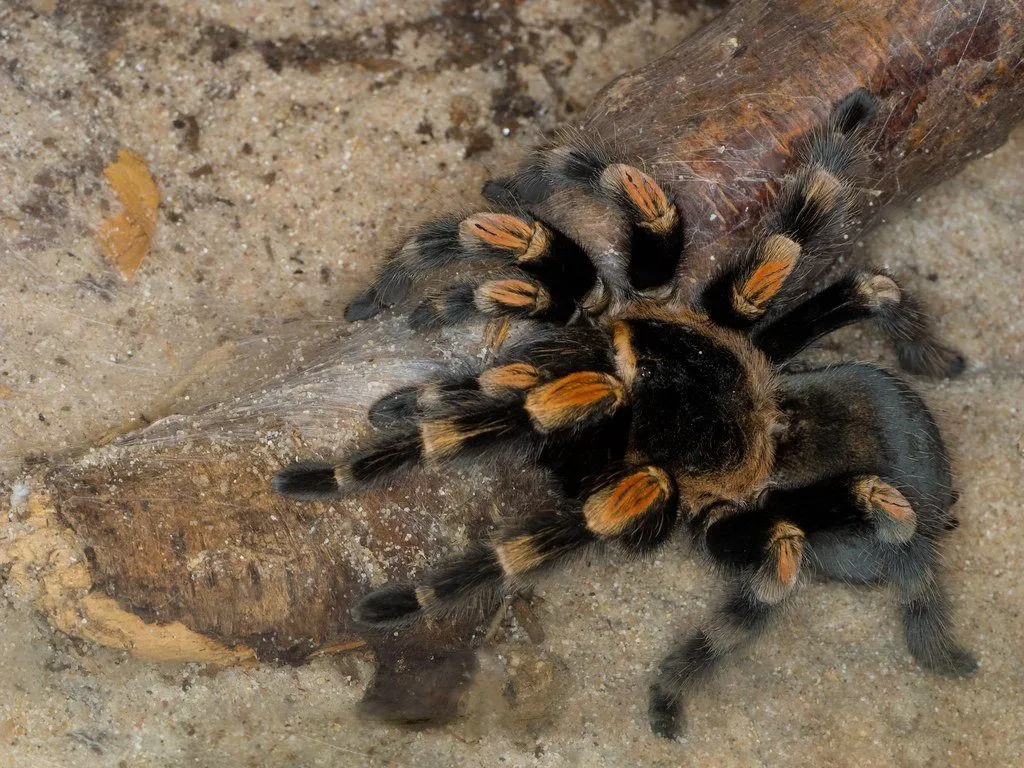
The Mexican Red Leg Tarantula (Brachypelma hamorii), previously known as Brachypelma hamorii, is a captivating and relatively docile species, making it a popular choice among tarantula enthusiasts. Native to the Pacific coast of Mexico, these spiders are known for their striking appearance: a black body adorned with vibrant red or orange hairs on their legs. Beyond their visual appeal, understanding the needs of these creatures is the first step in providing proper care. They are terrestrial spiders, meaning they spend most of their time on the ground, and typically reach a leg span of up to 6 inches. These tarantulas are relatively slow-growing and can live for many years, with females often living for 20 years or more. A well-cared-for Mexican Red Leg Tarantula can become a fascinating and rewarding pet, offering a unique glimpse into the world of arachnids.
Habitat and Enclosure Setup
Creating a suitable habitat is crucial for the health and well-being of your Mexican Red Leg Tarantula. Their enclosure should mimic their natural environment, providing a safe and comfortable space. The enclosure’s size is critical, it has to accommodate the spider’s size and promote its comfort. A good enclosure provides plenty of space for movement and avoids the tarantula feeling cramped. It’s also important to remember that tarantulas are escape artists and will find any opening, so the enclosure needs to be escape-proof.
Choosing the Right Enclosure

The size of the enclosure depends on the tarantula’s size. For juveniles, a 5-10 gallon terrarium or a plastic container of similar size is usually sufficient. As your tarantula grows, you’ll need to upgrade to a larger enclosure. A good rule of thumb is to provide an enclosure that is at least three times the tarantula’s leg span in width and length. Glass terrariums are a popular choice because they offer good visibility, are easy to clean, and maintain humidity well. Ensure the enclosure has a secure, tight-fitting lid to prevent escape, along with ventilation holes to allow for air circulation. Consider the material of the enclosure, ensuring it is non-toxic and won’t harm the tarantula. Consider also how easy it is to observe the spider, as this is part of the joy of keeping these pets.
Substrate and Decor
The substrate is the material that lines the bottom of the enclosure and serves several important functions. It helps to maintain humidity, provides a surface for the tarantula to walk on, and allows it to burrow. A good substrate should hold moisture well, be non-toxic, and not mold easily. A mixture of coco fiber or coconut husk, peat moss, and a small amount of vermiculite is an excellent choice. These materials retain moisture well and are safe for the tarantula. Provide a substrate depth of at least 4-6 inches for adults to allow for burrowing. Decorate the enclosure with items that mimic the tarantula’s natural environment. Add a hide, such as a piece of cork bark, a hollow log, or a commercially available tarantula hide. This provides a secure place for your tarantula to retreat to, reducing stress. You can also add artificial plants for added aesthetics and a sense of security for your pet. Avoid sharp objects that could injure the tarantula.
Temperature and Humidity Control
Maintaining the correct temperature and humidity levels is critical for the health of your Mexican Red Leg Tarantula. They thrive in temperatures between 75-85°F (24-29°C). Use a heat lamp or a heat pad placed on the side of the enclosure to maintain these temperatures. Never place the heat source directly under the enclosure, as this can cause the substrate to dry out too quickly and potentially harm the tarantula. Humidity levels should be kept between 60-70%. You can monitor humidity using a hygrometer. To maintain humidity, mist the enclosure lightly with dechlorinated water every few days or as needed. The frequency of misting depends on the substrate type and the ventilation of the enclosure. Ensure there is good ventilation to prevent mold and bacterial growth. Avoid over-misting, as this can lead to respiratory problems in your tarantula.
Feeding Your Tarantula

Feeding your Mexican Red Leg Tarantula is a straightforward process, but it’s essential to understand their dietary needs to ensure they stay healthy and happy. The tarantula’s diet consists primarily of insects, providing the necessary nutrients for growth and overall well-being. The type of insects, the feeding frequency, and the portion sizes all play an important role in the spider’s diet. It’s important to observe your tarantula and adapt to its appetite. Overfeeding can lead to health problems, while underfeeding can stunt growth. Always remove uneaten food items from the enclosure to prevent mold and mites.
What to Feed Your Tarantula
The staple diet for a Mexican Red Leg Tarantula consists of insects. Crickets, roaches, and mealworms are common and readily available options. Ensure that any insects you feed your tarantula are gut-loaded – fed a nutritious diet before being offered to the spider. This increases the nutritional value of the meal. Avoid feeding wild-caught insects, as they may carry parasites or pesticides. Consider the size of the prey in relation to your tarantula. The insects should be no larger than the tarantula’s body. Variety is key, so mix up the insects you offer to ensure a balanced diet. Dusting insects with calcium and vitamin supplements is not always necessary, but it can be beneficial, especially for growing tarantulas.
Feeding Frequency and Portion Size
The feeding frequency depends on the age and size of your tarantula. Spiderlings and juveniles should be fed more frequently than adults, as they are actively growing. Feed spiderlings every 2-3 days, offering one or two appropriately sized insects. Subadults can be fed every 4-5 days, and adults can be fed once a week or every two weeks. Observe your tarantula’s behavior to gauge its appetite. If it consistently refuses food, it may be nearing a molt or be overfed. Remove any uneaten prey within 24 hours to avoid stressing the tarantula and preventing the growth of mites or mold in the enclosure. Adjust the portion size based on the tarantula’s size. The insect should be small enough for it to handle with ease, usually no larger than the tarantula’s abdomen. Overfeeding can lead to obesity and health problems.
Watering and Hydration

Proper hydration is crucial for the health and survival of your Mexican Red Leg Tarantula. Water is essential for various bodily functions, including molting and overall well-being. Ensuring that your tarantula has access to fresh, clean water at all times is vital. Dehydration can lead to serious health problems, and ultimately, death. The setup of the water source is important, as is maintaining its cleanliness. Regular monitoring will ensure the tarantula’s access to water at all times.
Water Source and Maintenance
Provide a shallow water dish with fresh, clean water at all times. The dish should be shallow enough to prevent the tarantula from drowning. Use a water dish made of a non-toxic material, such as plastic or ceramic. Place the water dish in a stable location within the enclosure. Change the water in the dish at least twice a week, or more often if it becomes soiled. Use dechlorinated water to avoid exposing your tarantula to harmful chemicals. You can use tap water that has been treated with a dechlorinating agent, or you can use bottled spring water. The substrate can be lightly misted every few days to help maintain humidity and provide an additional water source. This is especially important during molting. Avoid over-misting, as excessive humidity can lead to mold and bacterial growth.
Important Considerations
Beyond the basic care guidelines, there are several other important factors to consider when caring for a Mexican Red Leg Tarantula. These include handling, molting, health, and common issues. Understanding these elements will help you become a more informed and responsible tarantula owner, ensuring the best possible care for your pet. Proper care extends beyond just feeding and housing; it also encompasses creating a safe and stimulating environment. Regularly observing your tarantula and understanding its needs will contribute to its longevity and your enjoyment as a pet owner.
Handling and Safety
Handling a Mexican Red Leg Tarantula is generally not recommended, as it can be stressful for the spider and potentially dangerous for the handler. While these tarantulas are not known for being overly aggressive, they can bite if they feel threatened. A bite from a Mexican Red Leg Tarantula is not usually life-threatening to humans but can be painful and cause localized swelling and discomfort. Avoid handling your tarantula unless absolutely necessary, such as when moving it for enclosure cleaning or health inspections. If you must handle your tarantula, do so with extreme caution. Handle the spider gently and slowly, and avoid sudden movements. Wash your hands thoroughly before and after handling your tarantula. Ensure that the tarantula has a safe and secure place to retreat to if it feels threatened.
Molting and Growth
Molting is a natural process where tarantulas shed their exoskeleton to grow. The frequency of molting decreases as the tarantula ages. Before molting, your tarantula may become less active, lose its appetite, and may appear dull in color. It may also create a web mat on which to molt. During molting, the tarantula will lie on its back, and its exoskeleton will split open. Do not disturb the tarantula during this process, as it is very vulnerable. After molting, the tarantula’s new exoskeleton will be soft and fragile. Do not feed your tarantula for a week or two after molting to allow its exoskeleton to harden. The size and appearance of your tarantula will change after each molt, making it an exciting event for any tarantula owner. Ensure appropriate humidity levels, as this helps the tarantula during this vulnerable process.
Health and Common Issues
Like all pets, Mexican Red Leg Tarantulas can experience health problems. Common issues include mites, fungal infections, and injuries. Regularly inspect your tarantula for signs of illness. Mites can be a common problem, often appearing as tiny, moving specks on the tarantula or its enclosure. If you notice mites, you may need to completely clean the enclosure, replace the substrate, and treat the tarantula with a mite control product specifically designed for tarantulas. Fungal infections can occur in enclosures with high humidity and poor ventilation. Ensure good ventilation and monitor humidity levels to prevent fungal growth. Injuries can occur if the tarantula falls or is mishandled. Seek veterinary care if you notice any signs of injury. Provide proper care, a clean enclosure, and a balanced diet to help prevent health problems. If you are concerned about the health of your tarantula, consult with a veterinarian specializing in exotic animals or a knowledgeable tarantula breeder.
Caring for a Mexican Red Leg Tarantula can be a rewarding experience. By understanding their needs and providing a suitable environment, you can ensure the health, happiness, and longevity of your pet. Remember to always research and learn as much as possible about these fascinating creatures. Consistent care, observation, and attention to detail will allow you to enjoy the unique experience of owning a Mexican Red Leg Tarantula for years to come.