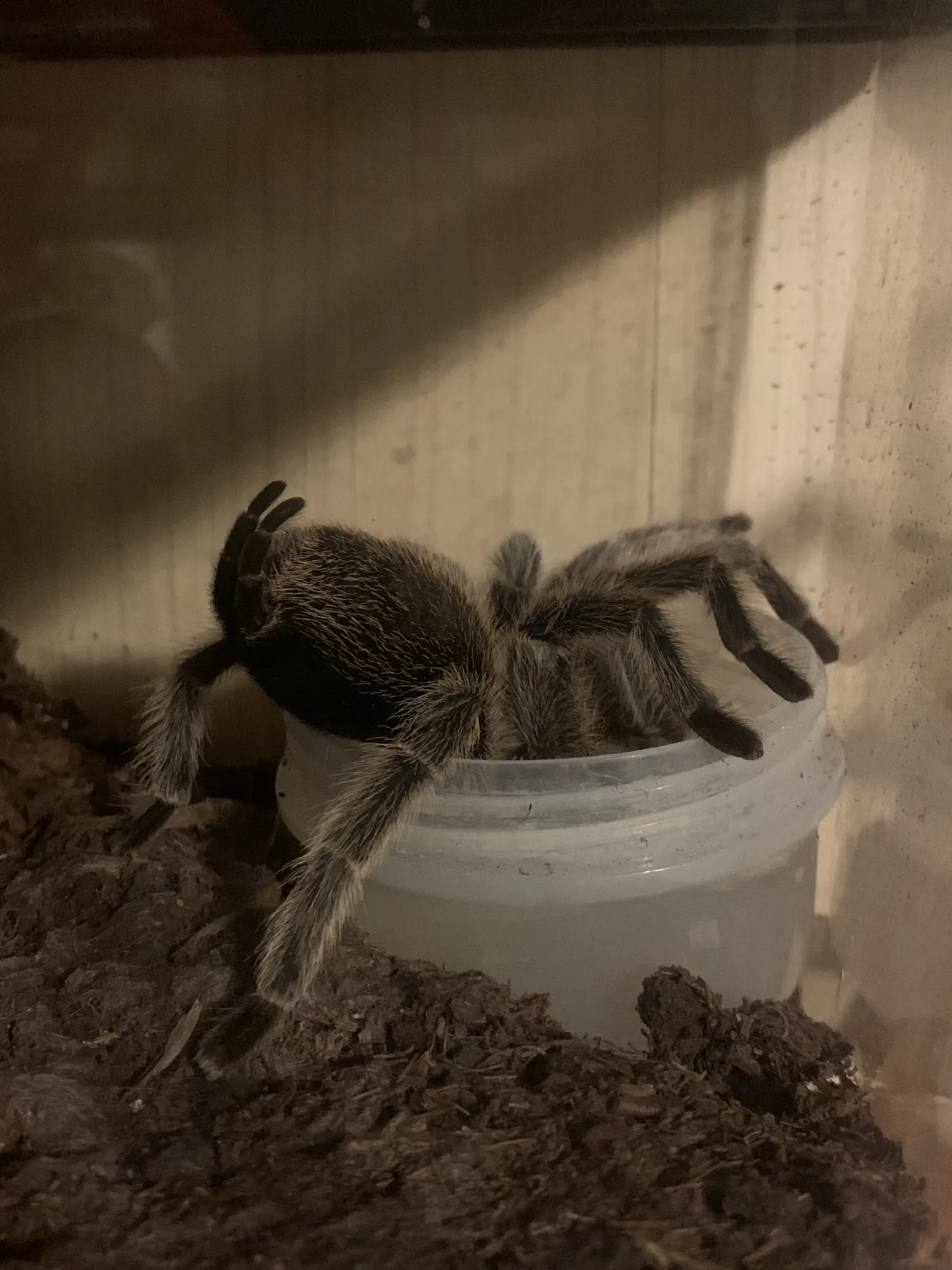
Understanding the Rose Hair Tarantula
The Rose Hair Tarantula, scientifically known as Grammostola rosea (previously G. chilensis), is a popular pet among arachnid enthusiasts. Native to the deserts of South America, primarily Chile, Bolivia, and Argentina, this species is known for its docile temperament and relatively easy care requirements, making it an excellent choice for beginners. Their beauty and manageable nature contribute to their widespread popularity, but successful keeping requires understanding of their specific needs. Proper care involves replicating their natural environment to ensure they thrive in captivity. This includes providing the right habitat, diet, and handling practices. Understanding the needs of your Rose Hair Tarantula will significantly enhance your enjoyment of this fascinating pet.
Origin and Habitat
Rose Hair Tarantulas naturally inhabit arid and semi-arid environments. They are primarily found in the deserts and scrublands of South America. In the wild, they burrow underground or find shelter under rocks and logs, creating a microhabitat that regulates temperature and humidity. Replicating these conditions is crucial for their well-being in captivity. These tarantulas are well-adapted to surviving in dry climates, so their enclosure needs to mimic those conditions. Learning about their natural habitat will make it easier to understand and cater to their requirements as pets. It will also provide insight into the behaviors they exhibit.
Physical Characteristics

Rose Hair Tarantulas are known for their striking appearance. Adults typically have a leg span ranging from 4 to 6 inches. The name ‘Rose Hair’ comes from the subtle pinkish hairs that cover their carapace and abdomen. Their bodies have a robust build, with a large abdomen and powerful legs. The coloration can vary from shades of brown to reddish-brown, with the characteristic rose-colored hairs providing a beautiful contrast. These tarantulas exhibit sexual dimorphism; the males are often smaller and more slender than females. Recognizing these physical features provides insight into their life stage and health.
Setting Up the Perfect Enclosure
Creating the right enclosure is a fundamental aspect of Rose Hair Tarantula care. The setup should provide a safe and comfortable environment that mirrors their natural habitat. The choice of enclosure, substrate, temperature, and humidity all play essential roles in their health and well-being. A properly set up enclosure will help your tarantula thrive, allowing it to exhibit natural behaviors. Proper housing reduces stress and promotes longevity in your pet. Always prioritize the safety of the tarantula when constructing its home.
Choosing the Right Tank
The size of the enclosure depends on the size of your tarantula. For a juvenile Rose Hair Tarantula, a 5 to 10-gallon tank is often sufficient. As they grow, a larger enclosure, such as a 10 to 20-gallon tank, will be needed. The enclosure should provide ample space for movement and burrowing. The tank should have a secure lid to prevent escapes. Good ventilation is essential to prevent the buildup of humidity, which can lead to health problems. Glass or plastic enclosures are the most common choices. Ensure the enclosure is well-ventilated to promote air circulation.
Substrate and Decor

The substrate is the bedding material in the enclosure, and it plays a vital role in maintaining humidity and providing a comfortable burrowing environment. A mixture of coconut fiber, peat moss, and a small amount of vermiculite is often recommended. The substrate should be deep enough, about 4 to 6 inches, to allow the tarantula to burrow. Decor can include cork bark, artificial plants, and hiding places. These features enrich the environment and help the tarantula feel secure. Avoid sharp objects that could injure the tarantula. Choose decorations that are non-toxic and safe for the tarantula.
Temperature and Humidity
Rose Hair Tarantulas thrive in temperatures between 70 to 80°F (21 to 27°C). Supplemental heat is often not necessary, but a low-wattage heat lamp or heat mat can be used if the room temperature is consistently below this range. Humidity levels should be maintained around 60 to 70%. This can be achieved by lightly misting the enclosure once or twice a week, ensuring that the substrate is damp but not soaked. Regular monitoring with a hygrometer is recommended. Good ventilation is important to prevent mold and mildew. Excessive humidity can cause health issues.
Feeding Your Rose Hair Tarantula
Feeding your Rose Hair Tarantula properly is critical for its health and longevity. Their diet consists primarily of insects, and the frequency of feeding should be adjusted according to their age and size. Understanding their dietary needs helps prevent underfeeding or overfeeding, ensuring the tarantula receives the necessary nutrients. Monitoring their eating habits provides insights into their health and overall well-being. The availability of fresh water is also important for hydration and molting. Proper feeding and hydration contribute to a happy, healthy tarantula.
Diet and Frequency

Rose Hair Tarantulas are insectivores, and their diet should consist of live insects. Crickets, mealworms, and dubia roaches are common choices. The size of the prey should be appropriate for the tarantula’s size; the insect should be no larger than the tarantula’s body. Young tarantulas should be fed more frequently, typically every few days. Adults can be fed once or twice a week. Remove any uneaten insects within 24 hours to prevent stress on the tarantula. Avoid feeding your tarantula wild-caught insects as they may carry pesticides or parasites.
Water and Hydration
Fresh water is essential for Rose Hair Tarantulas. Provide a shallow water dish in the enclosure, ensuring it is shallow enough to prevent drowning. The water should be changed every few days to keep it fresh. In addition to a water dish, the enclosure can be lightly misted once or twice a week to maintain appropriate humidity levels. Hydration is crucial for successful molting. Provide fresh water and maintain humidity levels for optimal health. Always ensure the water dish is accessible and clean.
Handling and Safety
Handling a Rose Hair Tarantula can be a rewarding experience, but it should be approached with caution and respect. While Rose Hair Tarantulas are generally docile, they can bite if they feel threatened. Understanding their behavior and handling practices will help prevent injuries to both the tarantula and the handler. Proper handling techniques minimize the risk of stress on the tarantula. Always prioritize the safety and well-being of the tarantula. These tarantulas are best observed in their enclosures and handling should be kept to a minimum.
When to Avoid Handling

There are times when handling a Rose Hair Tarantula should be avoided. During molting, the tarantula is particularly vulnerable and should not be handled. Avoid handling after feeding as the tarantula may be stressed or defensive. If the tarantula appears stressed or agitated, it is best to leave it alone. Avoid handling newly acquired tarantulas as they need time to acclimate. Always supervise children when they are near the enclosure. Proper handling reduces stress and promotes the health and happiness of your pet.
Signs of a Happy Tarantula
Recognizing the signs of a happy and healthy Rose Hair Tarantula helps ensure they are thriving. These tarantulas should exhibit normal behaviors. The ability to eat regularly, the appearance of the body and the overall activity level can provide insights into their well-being. Monitoring these signs will help you determine if you are providing the right care. Happy tarantulas exhibit natural behaviors and are active in their environment. Always prioritize the safety and well-being of your pet.
Common Health Issues and Prevention
Like all pets, Rose Hair Tarantulas can be susceptible to certain health issues. Knowing these issues, along with preventative measures, is vital to keep your tarantula healthy. Proper enclosure maintenance, diet, and hygiene can prevent many problems. Regular observation of your tarantula will allow you to identify and address any issues early. Being proactive helps prevent the spread of illness.
Molting Process

Molting is a natural process where the tarantula sheds its exoskeleton to grow. Before molting, the tarantula may become less active, stop eating, and retreat to its burrow. Provide a safe environment and do not disturb the tarantula during this period. After molting, the tarantula’s new exoskeleton will be soft. It will take several days for the exoskeleton to harden fully. Do not feed the tarantula until its fangs have hardened. Molting is a vital process for a healthy tarantula.
Lifespan and Breeding
Rose Hair Tarantulas can live for a long time. Females can live for 20 years or more, while males have a shorter lifespan, typically 5 to 10 years. Breeding Rose Hair Tarantulas in captivity can be challenging. It requires expertise and careful management. The process involves introducing a male and female tarantula in a controlled environment. If successful, the female will lay an egg sac, which contains hundreds of spiderlings. Breeding is best left to experienced keepers. Understanding the lifespan and breeding cycle provides a deeper appreciation for these fascinating creatures.