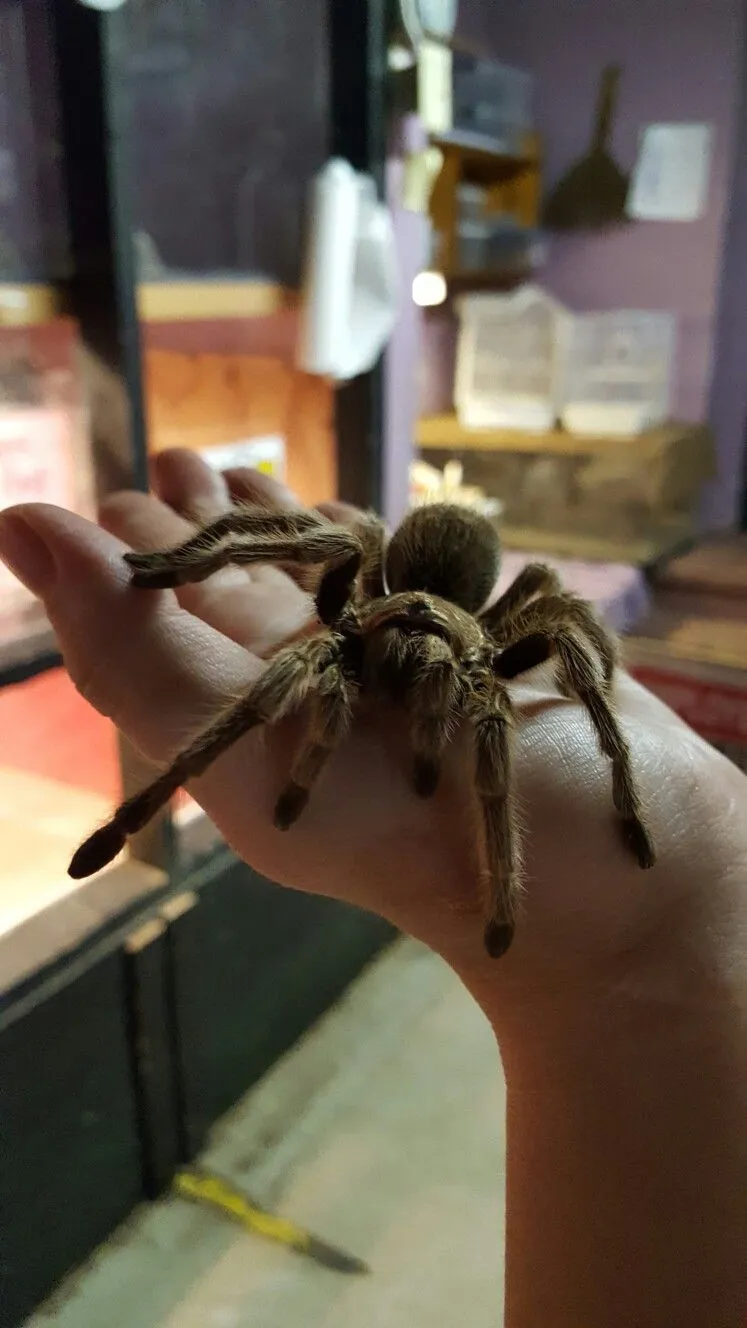
Rose Hair Tarantula Scientific Name
The rose hair tarantula, a popular pet due to its docile nature and relatively easy care, has a fascinating scientific background. Understanding its scientific name is the first step in appreciating its unique place in the animal kingdom. This name provides a clear and standardized way to identify and study the species, avoiding confusion caused by common names that can vary by region. The scientific name helps in accurate communication among scientists and enthusiasts worldwide, ensuring that everyone is referring to the same creature. This precise identification is critical for research, conservation efforts, and responsible pet ownership, making the scientific name more than just a label; it’s a key to understanding and caring for these amazing creatures.
The Scientific Classification
The scientific classification of the rose hair tarantula is a hierarchical system that places it within the broader context of the animal kingdom. It begins with the domain Eukaryota, which encompasses all organisms with complex cells. The tarantula then falls under the kingdom Animalia, indicating it is a multicellular, heterotrophic organism. Next is the phylum Arthropoda, defining it as an invertebrate with an exoskeleton and segmented body. Within this phylum, it belongs to the class Arachnida, which includes spiders, scorpions, and mites. The order Araneae specifies it as a spider, and the infraorder Mygalomorphae places it within the group of tarantulas. This detailed classification helps scientists understand the evolutionary relationships between different species and offers a comprehensive view of the tarantula’s place in the natural world.
Genus and Species Details
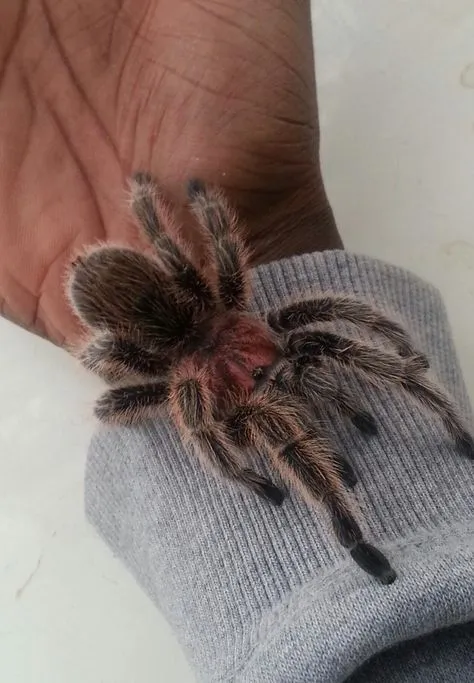
The genus and species names provide the specific identity of the rose hair tarantula. The genus name, Grammostola, groups together closely related species. The species name, rosea, specifically identifies the rose hair tarantula. The combination, Grammostola rosea, is unique to this particular tarantula. Understanding the genus helps in comparing the rose hair tarantula with other tarantulas within the same group, such as the Chilean copper tarantula (Grammostola chalcothrix). The species name, rosea, is derived from the Latin word for rose, referring to the pinkish hairs found on this tarantula. These details are essential for precise identification, research, and conservation of the rose hair tarantula.
Physical Characteristics
Appearance and Coloration
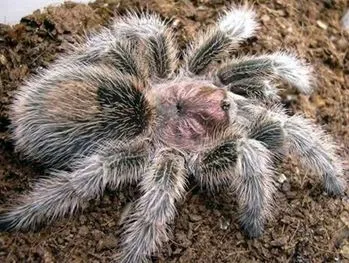
The rose hair tarantula is known for its distinctive appearance, contributing to its popularity as a pet. It has a robust body covered in a dense layer of hairs, which range in color from a reddish-brown to a copper hue, often with a pinkish tinge, especially in younger specimens. The carapace, or the top shell of the cephalothorax, tends to be a darker shade, providing contrast against the lighter abdomen. The legs are sturdy and covered in similar hairs, adding to its overall appearance. The colors can vary depending on the individual tarantula and its stage of molting. These colors serve multiple purposes, including camouflage within its natural habitat and in some cases, signaling to potential mates.
Size and Lifespan

The size and lifespan of the rose hair tarantula are important considerations for potential owners. Females are typically larger than males, with a leg span of up to 5-6 inches. Males are generally smaller, often reaching a leg span of 3-4 inches. These tarantulas have a relatively long lifespan, especially compared to other pets. Females can live for 20 years or more in captivity, while males typically live for 5-10 years. This difference in lifespan is due to the female’s ability to molt throughout her life, allowing her to continue growing and renewing her body. The size and longevity make this species a rewarding pet for those who are prepared to provide the necessary care over an extended period.
Habitat and Distribution
Native Region
The rose hair tarantula is native to the arid and semi-arid regions of South America. Specifically, it is primarily found in Chile, Argentina, and Bolivia. These regions provide the specific environmental conditions that the tarantula has adapted to thrive in, influencing its physical characteristics and behavior. The native habitat plays a crucial role in understanding how to provide proper care in captivity. Understanding the origins helps replicate natural conditions, which contributes to the tarantula’s health and well-being. Conservation efforts are also focused on protecting its native environments to ensure the continued survival of the species.
Preferred Environment

Rose hair tarantulas prefer a terrestrial environment with specific characteristics. They thrive in dry conditions, with a humidity level ranging from 60-70%. They typically inhabit burrows or hide under rocks, logs, or other objects to regulate their body temperature and protect themselves from predators. The temperature in their habitat usually fluctuates between 75-85°F (24-29°C). They require a substrate that allows for burrowing, such as a mixture of coco fiber, peat moss, and vermiculite. Providing a suitable environment is crucial for their overall health and survival in captivity. Creating a similar environment to their natural habitat allows the tarantula to feel secure and exhibit natural behaviors, thereby reducing stress and promoting longevity.
Behavior and Temperament
Typical Behavior
The rose hair tarantula is generally known for its docile temperament, making it a popular choice for beginner tarantula keepers. They are typically calm and slow-moving spiders that prefer to retreat to their burrows or hideaways when disturbed. They are primarily nocturnal, meaning they are most active during the night. They spend most of their time either hiding or foraging for food. Although they are not aggressive, they may flick urticating hairs from their abdomen as a defense mechanism. They usually exhibit low aggression levels compared to other species. Understanding these behaviors helps owners provide a stress-free environment, allowing the tarantula to thrive.
Defensive Mechanisms
Rose hair tarantulas have several defensive mechanisms to protect themselves from potential threats. Their primary defense is their urticating hairs, which they flick off their abdomen when they feel threatened. These hairs are barbed and can cause skin irritation if they come into contact with human skin or eyes. They may also bite if they feel cornered or threatened. Bites from rose hair tarantulas are not considered medically significant, but they can be painful. Another defense mechanism is their ability to run away and hide, which they prefer to do. Understanding their defensive behaviors is crucial for safe handling and interaction, minimizing the risk of irritation or bites.
Care and Handling
Enclosure Requirements
Proper enclosure setup is essential for the well-being of a rose hair tarantula. A suitable enclosure should be appropriately sized, allowing the tarantula enough space to move around comfortably. For adults, a terrarium of 10-20 gallons is usually adequate. The enclosure should have a secure lid to prevent escape. The substrate should be deep enough to allow the tarantula to burrow, with a mixture of coco fiber, peat moss, and vermiculite being ideal. The enclosure should include a water dish with clean water available at all times and a hide or shelter, such as a piece of cork bark, for the tarantula to retreat to. Maintaining the correct temperature and humidity levels is also crucial. The enclosure should also be well-ventilated to prevent mold and fungal growth.
Feeding and Diet
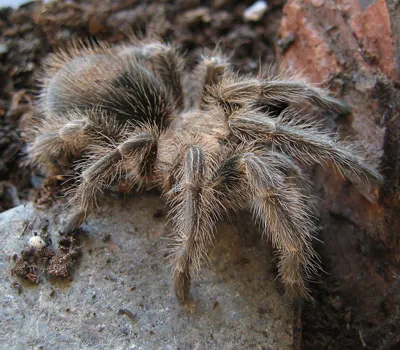
Rose hair tarantulas are primarily insectivores, meaning their diet consists of insects. In captivity, they can be fed a variety of insects, including crickets, mealworms, and roaches. The frequency of feeding depends on the tarantula’s age and size. Spiderlings should be fed more frequently, perhaps every other day, while adults can be fed once or twice a week. The size of the prey should be appropriate for the tarantula’s size, and uneaten prey should be removed to prevent them from stressing or harming the tarantula. It’s important to provide a varied diet and to dust the insects with calcium and vitamin supplements to ensure the tarantula receives all necessary nutrients for its health.
Interesting Facts about Rose Hair Tarantulas
Unique Behaviors
Rose hair tarantulas exhibit several interesting behaviors that fascinate enthusiasts. They are known to molt their exoskeleton periodically, a process where they shed their outer layer to grow. During molting, they are vulnerable and often retreat to their hide. Another interesting behavior is their ability to flick urticating hairs as a defense mechanism, which can cause irritation to potential predators. They also create silk mats, which provide a surface for them to move on and help them sense vibrations in their environment. They can also go for extended periods without eating, especially when molting or if they feel stressed. These unique behaviors provide insight into their survival strategies and the fascinating world of arachnids.
Conservation Status
The rose hair tarantula is not currently listed as threatened or endangered by major conservation organizations. Their relatively adaptable nature and popularity in the pet trade mean they are not under significant threat in their native habitats. However, habitat loss and the pet trade do pose potential risks to their populations. Conservation efforts focus on protecting their natural habitats and promoting responsible pet ownership to ensure that wild populations remain healthy. Supporting sustainable practices in the pet trade can contribute to long-term conservation of this iconic species. Monitoring populations and understanding any changes in their distribution and abundance is essential for maintaining their conservation status.