Understanding Rose Hair Tarantula Molting
Molting is a natural and essential process for rose hair tarantulas, much like shedding their skin. It allows them to grow, repair injuries, and replace old or damaged exoskeletons. As arachnids, tarantulas possess an exoskeleton that doesn’t grow, so molting is the only way for them to increase in size. This process can be stressful for the tarantula, but it is a sign of a healthy and growing spider. Understanding this process is critical for any rose hair tarantula owner, as it directly impacts your pet’s well-being and longevity. The frequency of molting decreases as the tarantula ages, with juveniles molting more often than adults.
The Molting Process Explained
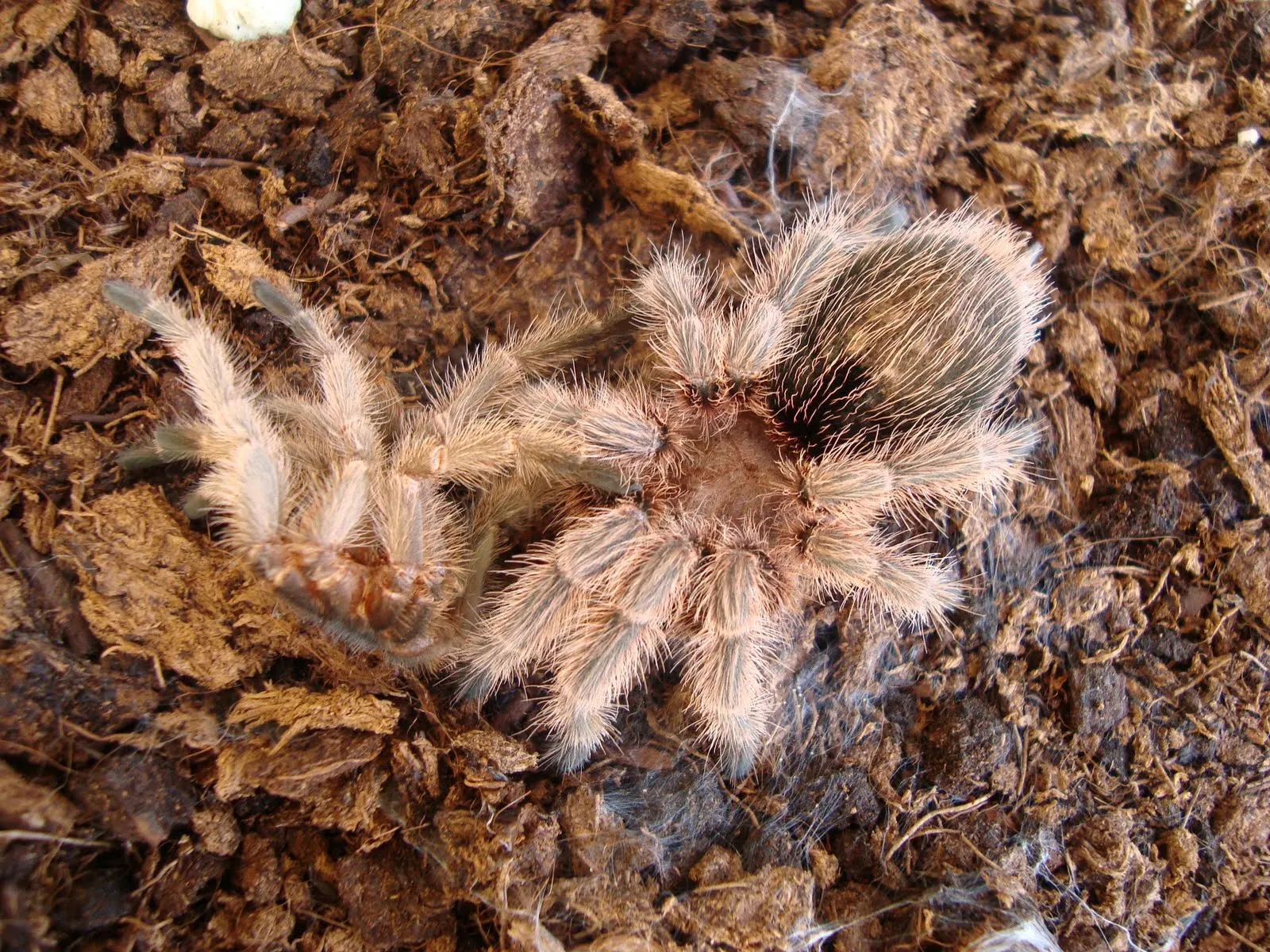
Molting involves the tarantula creating a new exoskeleton beneath its old one. Before the actual molt, the tarantula becomes less active and might stop eating. The spider then positions itself, usually on its back, to facilitate the shedding process. During the molt, the old exoskeleton splits open, and the tarantula wriggles out, leaving behind its old shell. The new exoskeleton is initially soft and vulnerable, hardening over several days. During this period, the tarantula is susceptible to injury and requires careful handling. After the molt, the tarantula’s colors may appear brighter and more vibrant, indicating a successful molt.
What Triggers Molting

Several factors can trigger molting in rose hair tarantulas. The primary trigger is growth. As the tarantula grows larger, it outgrows its exoskeleton, necessitating a molt. Adequate nutrition also plays a role. A well-fed tarantula is more likely to molt successfully. Environmental factors, such as temperature and humidity, can influence the molting cycle, though their impact is less direct. Finally, factors like injuries or damage to the exoskeleton might also prompt a molt, as the tarantula will attempt to repair itself.
Identifying the Signs of Molting
Recognizing the signs of an upcoming molt is essential to ensure the tarantula’s safety and well-being. Several behavioral and physical changes can indicate that your rose hair tarantula is preparing to molt. Keep a close eye on your tarantula to ensure you are prepared. Early detection allows you to create the ideal environment, minimizing stress and supporting a successful molt.
Loss of Appetite
One of the earliest signs of molting is a loss of appetite. Your tarantula may refuse food for several weeks or even months before the molt. This is because the tarantula is conserving energy for the process. While this can be a cause for concern, it is perfectly normal. Do not force-feed your tarantula; it will eat when it is ready.
Changes in Abdomen Color

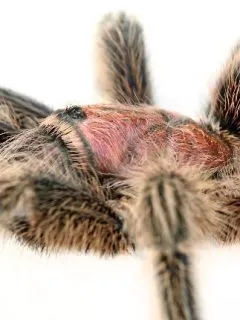
The abdomen of a rose hair tarantula may darken or appear shiny just before molting. This is due to the new exoskeleton forming beneath the old one. Additionally, the hairs on the abdomen might become less vibrant. This can be a visual cue that your tarantula is nearing its molt and is preparing its new shell. Monitor for other signs in conjunction with color changes.
Lethargy and Inactivity
Increased lethargy and inactivity are common signs of an impending molt. Your tarantula may spend more time in its hide or burrow and move around less. They may also appear sluggish and move slowly. This behavior is part of the energy-conservation process and is normal. Reduce disturbances and provide a quiet environment.
Preparing Your Tarantula for Molting
Creating the right environment can help your rose hair tarantula molt successfully. This involves providing a safe and undisturbed space. Proper preparation will minimize stress and support your tarantula during the molt, increasing the chances of a healthy outcome.
Creating a Safe Environment

Ensure the tarantula’s enclosure is free of hazards. Remove any sharp objects or anything that could injure the tarantula during the molt. Provide a shallow water dish and ensure the substrate is appropriate for burrowing and molting. A secure and stable environment will help your tarantula feel safe and secure.
Maintaining Optimal Humidity
Maintaining proper humidity levels is crucial. Rose hair tarantulas need moderate humidity, but it’s essential to ensure the substrate is not too wet, which can make molting difficult and lead to health problems. Misting the enclosure lightly, or providing a water dish can help. Proper humidity prevents the old exoskeleton from drying out too much and helps the tarantula shed properly. Use a hygrometer to monitor the humidity levels.
Avoiding Disturbances
Minimize disturbances during the molting process. Avoid handling your tarantula or moving its enclosure. Keep the area quiet and free from vibrations or sudden noises. Provide a darkened environment to reduce stress. Allowing your tarantula to molt in peace will increase the likelihood of a successful molt and minimize potential complications.
Post-Molting Care
After a successful molt, proper care is essential to ensure your tarantula recovers and thrives. This includes feeding and handling, but also monitoring the tarantula’s behavior and overall health. Gentle care will support the tarantula as it develops its new exoskeleton.
Feeding Your Tarantula
Wait until the tarantula’s new exoskeleton has fully hardened before feeding. This can take several days or even weeks, depending on the tarantula’s size and age. Once the exoskeleton has hardened, offer a small amount of food, such as a cricket or a roach. Observe the tarantula to make sure it can eat without difficulty. Avoid overfeeding, especially immediately after a molt, to prevent stressing the tarantula’s system.
Handling and Observing
Avoid handling your tarantula immediately after molting, as its new exoskeleton is still soft and vulnerable. Wait until the exoskeleton has completely hardened before attempting to handle it. Observe your tarantula’s behavior and health. A healthy tarantula should be active, eating well, and exhibiting normal behaviors. If you notice any unusual signs, consult with a veterinarian experienced with arachnids.
Troubleshooting Molting Issues

While most molts proceed without issue, problems can sometimes arise. Knowing what to look for and how to respond can save your tarantula’s life. Being prepared for potential issues will ensure you can provide the best possible care.
Stuck Molt
A stuck molt occurs when the tarantula cannot completely shed its old exoskeleton. This can be caused by low humidity, a lack of adequate space, or other environmental problems. If a portion of the old exoskeleton is stuck, carefully assist the tarantula by gently moistening the area and attempting to loosen the shell with a soft tool. Avoid pulling forcefully, which can injure the tarantula. Consult a veterinarian if you are unsure how to proceed.
Dehydration
Dehydration can hinder the molting process. Ensure your tarantula has access to fresh water. Increase humidity levels to help the tarantula shed its old exoskeleton properly. If dehydration is severe, consider gently misting the tarantula with water, but avoid soaking it. Monitor the tarantula for signs of recovery.
Conclusion

Molting is a vital process for rose hair tarantulas. Understanding the signs of molting, preparing for it, and providing proper post-molt care will help ensure your tarantula’s health and longevity. By following this guide, you can become a more informed and capable tarantula owner, providing the best possible environment for your pet to thrive. Always remain vigilant and seek expert advice when necessary to provide the best care for your rose hair tarantula.