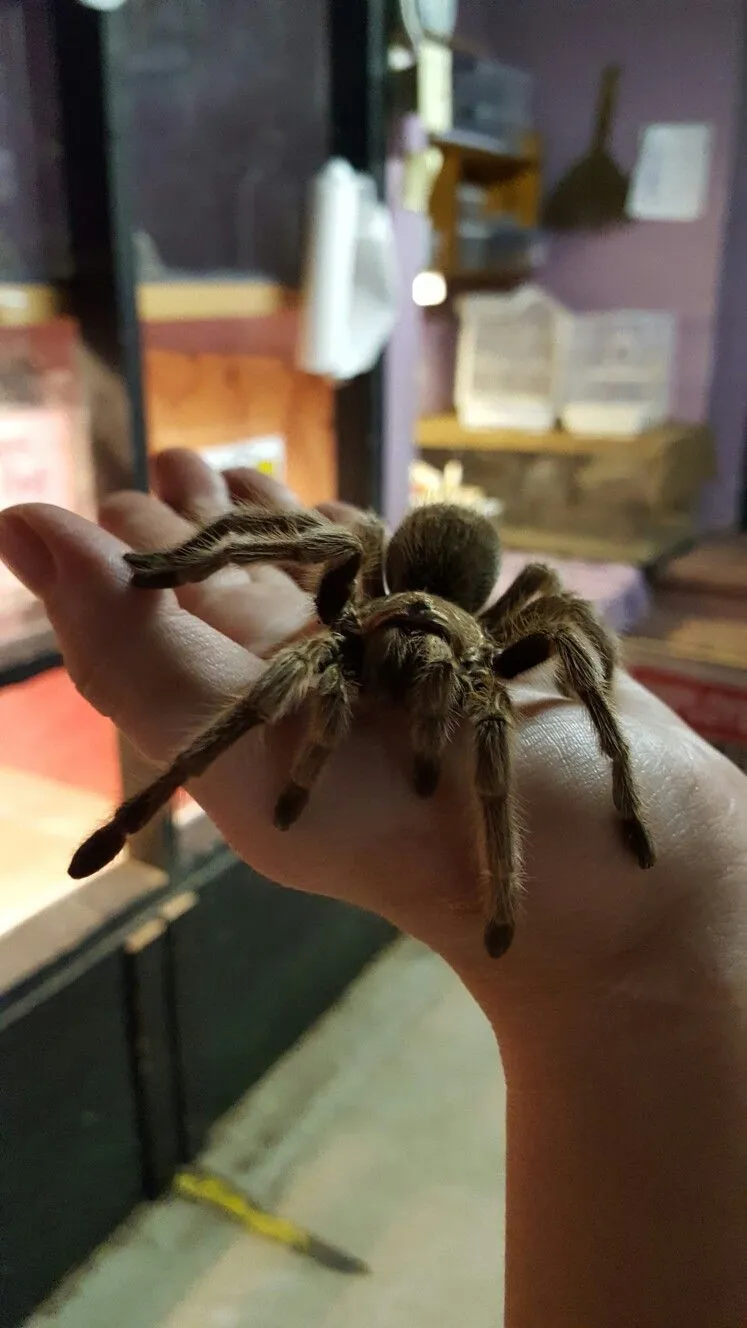
What is a Rose Hair Tarantula?
The Chilean Rose Hair Tarantula (Grammostola rosea), also known as the Chilean Rose or Rose Hair tarantula, is a popular pet tarantula species due to its docile nature, relatively low maintenance needs, and striking appearance. Native to the arid regions of Chile, Bolivia, and Argentina, these spiders are known for their reddish-brown hairs that give them their common name. Their calm temperament makes them a good choice for beginner tarantula keepers. They are relatively slow-moving, which also adds to their appeal, and they don’t require elaborate setups compared to other exotic pets. These tarantulas are nocturnal creatures, meaning they are most active during the night, which means that they spend most of their time hidden in their burrows or shelters during the day.
Rose Hair Tarantula: Basic Information
Understanding the basic biology of a Rose Hair Tarantula is key to providing proper care and ensuring a long, healthy life. These tarantulas typically grow to a leg span of about 4 to 6 inches. Their bodies are covered in small hairs, and the characteristic reddish hue comes from the urticating hairs they use for defense. They shed their exoskeleton through a process called molting, which is a crucial part of their growth and development. The tarantula will typically hide away, not eating before it starts molting. This process leaves them vulnerable, so a secure environment is essential. Their diet mainly consists of insects like crickets and mealworms, but they can also eat small vertebrates such as pinky mice when they are older and larger. These tarantulas are not venomous to humans, but their bite can cause some discomfort.
Lifespan of a Rose Hair Tarantula

The lifespan of a Rose Hair Tarantula is a significant factor to consider for any potential owner. On average, female Rose Hair Tarantulas can live for an impressive 15 to 20 years, sometimes even longer. Males, however, have a considerably shorter lifespan, typically living for only 5 to 10 years. This difference in longevity is a direct consequence of their biological roles and reproductive cycles. The longer lifespan of females makes them a more significant commitment for pet owners, requiring long-term care and attention. This long lifespan is one of the reasons they’re popular pets because of the time you get to spend with them. This is dependent on providing a well-cared-for environment.
Male vs Female Rose Hair Tarantula Life Expectancy
As mentioned, there is a notable difference in the life expectancy between male and female Rose Hair Tarantulas. Males often reach maturity faster than females. After reaching maturity, the male’s primary purpose is to reproduce. Once they’ve reached this stage of their life, they may begin to wander in search of a mate. This behavior often results in stress and energy expenditure, and after mating, the male tarantula may die. Females, on the other hand, continue to molt and grow throughout their lives, which contributes to their longer lifespan. The female’s capacity to reproduce multiple times throughout her life also influences her longevity, as her body continues to function for many years after she reaches maturity. Properly caring for either sex means a better chance of them living to their full lifespan.
Factors Influencing Rose Hair Tarantula Lifespan
Several factors can significantly impact the lifespan of a Rose Hair Tarantula. These factors include the quality of their diet, the environment they live in, and the care they receive from their owners. A well-balanced diet consisting of appropriately sized insects is essential for their overall health. Maintaining the right temperature and humidity levels in their habitat also plays a crucial role. Consistent and proper care, including regular cleaning of their enclosure and providing fresh water, is also necessary. Any illnesses and stress can also greatly impact their lifespan. Finally, genetics play a role, with tarantulas from reputable breeders often having a better chance of living longer, healthier lives.
Diet and Nutrition

Proper nutrition is paramount for the longevity of Rose Hair Tarantulas. Their diet should primarily consist of live insects, such as crickets, mealworms, and dubia roaches. The size of the insects should be appropriate for the tarantula’s size, generally no larger than the tarantula’s body. Overfeeding should be avoided, and the frequency of feeding depends on the tarantula’s age and molting cycle. Supplementing their diet with occasional treats, such as pinky mice for adult tarantulas, can provide added nutrients. Always ensure that the insects are gut-loaded with nutritious food before offering them to your tarantula, which helps ensure your pet gets all the necessary vitamins and minerals. Fresh, clean water should always be available in a shallow dish to prevent drowning.
Habitat and Environment
The environment of your Rose Hair Tarantula has a direct impact on its health and lifespan. The enclosure should be spacious enough for the tarantula to move around and exhibit natural behaviors. It’s important to maintain a substrate that allows the tarantula to burrow, and the temperature should be between 75-85°F (24-29°C) with a humidity level of 60-70%. Providing a hide or shelter is crucial as they are sensitive and timid animals and like to feel secure. Avoid placing the enclosure in direct sunlight or drafty areas. Regular cleaning and maintenance of the enclosure, including removing uneaten food and fecal matter, help prevent the buildup of harmful bacteria and maintain a healthy environment. Consider the size as the tarantula grows and molts, because they will need more room.
Rose Hair Tarantula: Common Health Issues
Rose Hair Tarantulas, like any other living creature, are susceptible to certain health issues. Common problems include dehydration, caused by insufficient water or low humidity, and molting problems, such as a failed molt or a retained molt. Bacterial and fungal infections can also occur if the enclosure is not kept clean. Parasites can infest tarantulas, causing serious health problems. Early detection and treatment are critical for resolving these issues. Being observant about your tarantula’s behavior and physical condition is essential. Symptoms to watch out for include lethargy, loss of appetite, unusual postures, or visible injuries. Regular health checks and consultations with a veterinarian familiar with arachnids can help identify and address any health issues promptly. Be careful handling the tarantula, because the bite can be painful and inject venom.
How to Extend Your Rose Hair Tarantula’s Life

Several steps can be taken to extend the lifespan of your Rose Hair Tarantula. Providing a stress-free environment is essential. Avoid unnecessary handling, because this can cause the tarantula undue stress. Maintain consistent temperatures and humidity levels in their habitat. A balanced diet and regular feeding are also key to their longevity. Regular cleaning and maintenance of the enclosure will help maintain a healthy environment. Regular health checks are also essential to identify and treat any potential health problems early. Be mindful of your tarantula’s age and sex, and be prepared for the shorter lifespan of males. By providing proper care and paying close attention to their needs, you can significantly increase the chance of a long and healthy life for your pet.
Proper Care Techniques
Implementing the right care techniques is critical to maximizing the life expectancy of your Rose Hair Tarantula. These include: Ensuring the enclosure is the right size and offers the appropriate hide. Feeding them appropriately sized insects, ensuring they are always gut-loaded. Maintaining the right humidity and temperature levels. Providing a clean habitat, removing old food and fecal matter regularly. Avoiding overhandling, since the tarantula can get stressed. Being watchful for signs of illness, such as lethargy or refusal to eat. Being cautious when handling your tarantula because it can be dangerous. By adhering to these techniques, you will be able to greatly increase the quality of life of your pet and help them live longer.
Regular Health Checks
Regular health checks are an important part of maintaining your Rose Hair Tarantula’s health and longevity. Conduct visual inspections of your tarantula regularly, checking for any unusual behaviors, such as a lack of appetite or lethargy, which could indicate a health problem. Be on the lookout for external parasites or other abnormalities. Observe the tarantula’s molting process, as issues can arise if the molt doesn’t go properly. Weigh your tarantula to track its growth, since that can indicate if there are any problems. If you have any concerns or notice any unusual symptoms, consult with a veterinarian experienced in exotic pets. Regular health checks help to catch any potential health issues early on, and they are critical for preventing more severe problems.
Conclusion: Enjoying Your Rose Hair Tarantula
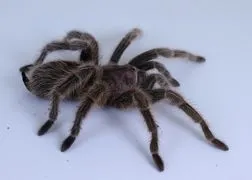
Owning a Rose Hair Tarantula can be a very rewarding experience. By understanding their life expectancy, and how to maximize it, you can enjoy the unique presence of this fascinating creature for many years. Remember the five key facts: the lifespan of a female tarantula can reach up to 20 years, a good diet and environment is essential, proper care techniques make a great difference, regular health checks help identify and treat issues early, and males and females have different lifespans. This knowledge will help you provide the best possible care, and it allows you to create a thriving environment for your tarantula. Enjoy the experience and marvel at this captivating species.