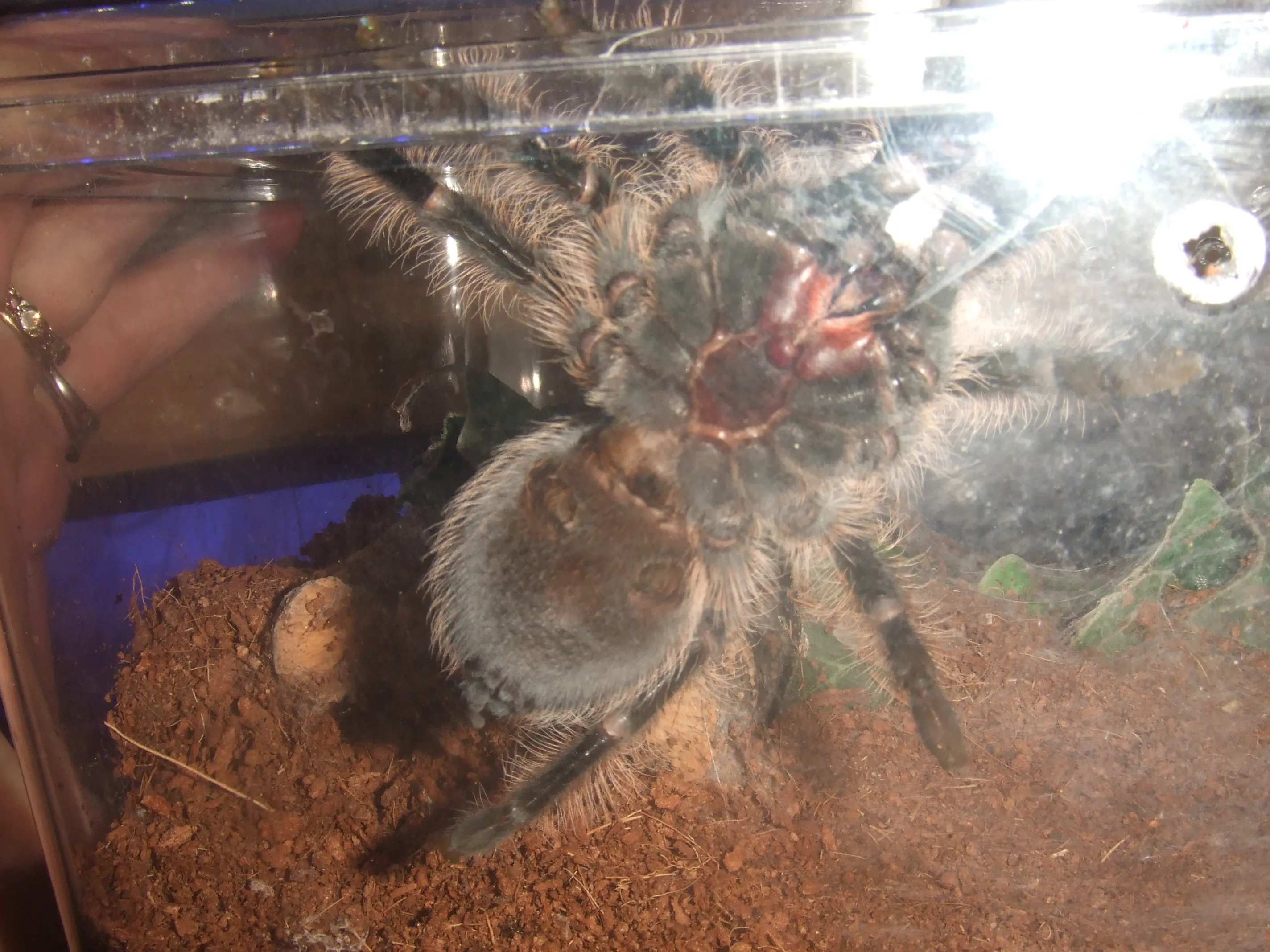
Essential Albopilosum Tarantula Care
The Brachypelma albopilosum, often called the Curly Hair Tarantula, is a popular pet choice, and for good reason. These spiders are known for their relatively docile temperament and striking appearance, making them a great option for both beginner and experienced tarantula keepers. However, like all exotic pets, they require specific care to thrive. This guide provides the top 5 essential care tips, covering everything from habitat setup to health management, to ensure your Albopilosum tarantula lives a long and healthy life. Proper care involves understanding their natural environment and replicating it as closely as possible in captivity. This includes paying close attention to their enclosure, feeding habits, and potential health issues. By following these guidelines, you can create a safe and comfortable environment for your tarantula to flourish.
Habitat Setup
Creating the right habitat is the foundation of good tarantula care. The Albopilosum tarantula thrives in a terrestrial setup that mimics its natural environment. This involves selecting the right enclosure size, providing a suitable substrate, and maintaining the correct temperature and humidity levels. A well-designed habitat not only promotes the tarantula’s well-being but also allows you to observe its fascinating behavior. It is crucial to set up the enclosure before you bring your tarantula home to minimize stress and ensure a smooth transition. Take your time, research the specific needs of the species, and create a habitat that is both functional and visually appealing.
Enclosure Size

The size of the enclosure directly impacts the well-being of your Albopilosum tarantula. While they are not particularly active spiders, they still need enough space to move around and establish a territory. A good rule of thumb is to provide an enclosure that is at least three times the tarantula’s leg span in width. For a juvenile, a 5-gallon aquarium or a similar-sized plastic enclosure works well. As they grow, you’ll need to upgrade to a larger enclosure, such as a 10 or 20-gallon tank. The enclosure should be escape-proof, with a secure lid. Ventilation is also important, so make sure the enclosure has some airflow to prevent mold and maintain healthy humidity levels. Avoid overcrowding the enclosure with too many decorations initially, allowing the tarantula to settle in and explore its surroundings.
Substrate and Furnishings
The substrate, or bedding, is a crucial element of the tarantula’s habitat, providing a comfortable surface for the spider to walk on and burrow in. A good substrate for an Albopilosum tarantula should be able to retain moisture without becoming waterlogged, as well as allow the spider to dig and create a burrow. A mix of coconut fiber, peat moss, and a small amount of vermiculite works very well. The substrate should be several inches deep to allow for burrowing. Provide a hide, such as a piece of cork bark or a half-log, for the tarantula to retreat to. Other furnishings like sturdy artificial plants or decorations can enhance the enclosure and offer additional security. Ensure all decorations are non-toxic and won’t tip over and harm the spider. These elements together create a stimulating and safe environment for your tarantula.
Temperature and Humidity
Maintaining the correct temperature and humidity is vital for the health of your Albopilosum tarantula. The ideal temperature range is between 75-85°F (24-29°C). You can use a heat mat placed on the side of the enclosure to provide a gentle heat source, but always monitor the temperature with a thermometer to prevent overheating. Humidity levels should be kept around 65-75%. You can achieve this by lightly misting the enclosure once or twice a week, but avoid over-misting, which can lead to mold growth. Proper ventilation is also essential to prevent excessive humidity and maintain air quality. Regularly check the substrate to ensure it remains slightly moist, not soaking wet. A hygrometer can help you accurately measure and regulate humidity levels, ensuring your tarantula’s comfort.
Feeding Your Albopilosum

Feeding is another critical aspect of tarantula care. Albopilosum tarantulas are voracious eaters and require a diet that meets their nutritional needs. The diet mainly consists of live insects. The frequency and type of food you provide will impact your tarantula’s health and growth. It’s important to understand what prey is appropriate, how often to feed, and how to ensure your tarantula is getting the nutrients it needs. Observe your tarantula’s eating habits and adjust its diet as needed. Never leave uneaten prey in the enclosure, as they can stress your tarantula. Providing a balanced diet is key to a healthy and happy spider.
Feeding Frequency
The feeding frequency depends on the tarantula’s age and size. Spiderlings and juveniles should be fed two to three times a week. As they grow older, the feeding frequency can be reduced to once a week or even every other week for adults. Always monitor your tarantula’s abdomen; a well-fed tarantula will have a rounded abdomen. Overfeeding can lead to obesity, while underfeeding can stunt growth. Adjust the amount of food based on the tarantula’s appetite and the size of the prey. Remember that tarantulas can go for extended periods without food, especially before molting. Always provide fresh water, even when not actively feeding, to keep your tarantula hydrated.
Appropriate Prey
A variety of insects are suitable for Albopilosum tarantulas. Crickets are a staple food and readily available at most pet stores. Other options include mealworms, dubia roaches, and locusts. The size of the prey should be appropriate for the size of the tarantula, generally no larger than the tarantula’s body. Before feeding, gut-load the insects with nutritious foods like fruits, vegetables, and commercial insect food. This ensures that your tarantula receives a balanced diet. Avoid feeding wild-caught insects, as they may carry parasites or pesticides that could be harmful to your tarantula. The key is to provide a varied diet and to always ensure the prey is alive and healthy before offering it to your spider.
Watering Your Tarantula

Providing fresh water is essential for your Albopilosum tarantula’s hydration and overall well-being. Water is crucial for maintaining bodily functions and facilitating the molting process. Regularly provide clean water in a suitable container and ensure it’s easily accessible. You should monitor water levels and clean the water dish regularly. It’s important to understand how to best provide water to your spider. Using the right methods can avoid stress and promote healthy habits. By properly providing water, you can significantly improve your tarantula’s quality of life.
Water Bowl
A shallow water bowl is a must-have in your Albopilosum tarantula’s enclosure. Choose a bowl that is stable and easy for the spider to access without the risk of drowning. The bowl should be shallow enough to prevent the tarantula from accidentally falling in and getting stuck. Ceramic bowls are a good choice because they are heavy and less likely to tip over. Always keep the water bowl filled with fresh, clean water. Clean the water bowl regularly to prevent the growth of algae and bacteria. This simple practice ensures that your tarantula has access to safe drinking water at all times and is crucial for maintaining its health.
Misting
In addition to a water bowl, misting the enclosure can help maintain the humidity levels required by your Albopilosum tarantula. Use a spray bottle filled with dechlorinated water to lightly mist the enclosure, typically once or twice a week, depending on the humidity levels. Avoid over-misting, as this can lead to excessive humidity and mold growth. The goal is to keep the substrate slightly moist, not waterlogged. Misting also provides a source of water droplets for the tarantula to drink from. Monitor the humidity levels with a hygrometer to ensure that you are maintaining the correct environmental conditions for your tarantula. Misting is a supplemental hydration method, not a replacement for a water bowl.
Handling and Safety

While Albopilosum tarantulas are known for their relatively docile nature, it’s essential to handle them with care and caution. They are not generally aggressive, but they can bite if they feel threatened. Handling should be kept to a minimum, as it can cause stress to the tarantula. Proper handling techniques and an understanding of the tarantula’s behavior can ensure both your safety and the tarantula’s well-being. It is crucial to create a safe handling experience, and understanding the limitations of handling is key to avoiding problems. This includes respecting the spider’s natural behaviors and recognizing the signs of stress or discomfort.
Handling Guidelines
If you choose to handle your Albopilosum tarantula, do so with extreme caution. Always wash your hands thoroughly before handling to remove any scents or substances that could potentially irritate the spider. Approach the tarantula slowly and gently. Allow the spider to walk onto your hand rather than grabbing it. Support the spider’s body gently, avoiding any sudden movements that could startle it. Keep the handling sessions short to minimize stress. Always handle the tarantula over a soft surface, such as a bed or a couch, in case it falls. Never handle a tarantula if you are unsure of its mood or behavior; it is always best to err on the side of caution and avoid handling if the spider seems stressed or agitated.
Recognizing Stress Signs
Knowing how to recognize stress signs in your Albopilosum tarantula is important for its well-being. A stressed tarantula may exhibit several behaviors. These include flicking hairs from their abdomen as a defense mechanism, curling into a defensive posture, or attempting to flee. If you observe any of these signs, immediately cease handling and allow the tarantula to retreat to its enclosure. Other signs of stress include a loss of appetite, excessive hiding, or restlessness. Always observe the tarantula’s behavior and environment. If a tarantula appears stressed, adjust the environment to provide a more comfortable space. This approach is a crucial part of responsible tarantula ownership.
Health and Common Issues

Like all living creatures, Albopilosum tarantulas can experience health problems. Understanding the molting process and recognizing common health issues is essential for providing proper care. With proper care, many issues can be prevented or effectively managed. Monitoring your tarantula’s behavior, appearance, and eating habits can help you identify potential problems early. Seeking advice from a qualified veterinarian specializing in exotic animals is important if you notice anything unusual. Proactive health management is the cornerstone of ensuring a long and healthy life for your tarantula.
Molting Process
Molting is a natural and essential process for tarantulas, allowing them to grow and regenerate lost limbs. During molting, the tarantula sheds its exoskeleton, revealing a new, larger one underneath. The frequency of molting depends on the tarantula’s age; juveniles molt more frequently than adults. Prepare for the molt by ensuring the enclosure is clean, and the humidity is stable. The tarantula may stop eating and retreat to a burrow before molting. Avoid disturbing the tarantula during this vulnerable time. The process can take several hours. The tarantula will be soft and delicate after the molt. Never feed the tarantula until its fangs have hardened, which typically takes a week or two. Providing the right environment during molting is crucial for its success and well-being.
Recognizing a Pre-Molting Tarantula
Recognizing when your Albopilosum tarantula is about to molt allows you to prepare the enclosure and provide the necessary support. Several signs indicate an impending molt. The tarantula may lose its appetite and become less active. The abdomen may appear darker or more shiny than usual. You may also notice a change in its behavior, such as an increased tendency to hide or create a web mat. The tarantula might also appear more sluggish or lie on its back. Once the tarantula is ready to molt, it will usually lie on its back. Avoid disturbing the tarantula during this process and ensure that the enclosure is safe and quiet. It is essential to provide a supportive environment to ensure a successful molt.
Post-Molting Care
After molting, your Albopilosum tarantula will be in a vulnerable state. The exoskeleton is soft, and the fangs are not fully hardened. Allow the tarantula to rest undisturbed for several days to allow its new exoskeleton to harden. Do not feed the tarantula until its fangs have hardened, usually within a week or two. During this time, continue to provide fresh water. Once the fangs have hardened, offer appropriately sized prey. Avoid handling the tarantula until the new exoskeleton has completely hardened, as it is still fragile. Providing proper post-molt care is essential for the tarantula’s recovery and overall health.
Common Health Problems
While Albopilosum tarantulas are relatively hardy, they can still be susceptible to certain health issues. Knowledge of these issues allows for early intervention and effective treatment. Always research potential problems and consult a veterinarian if you suspect a problem. Some of the common issues include parasites, mites, and injuries. Proper care and preventative measures are key to maintaining your tarantula’s health.
Parasites and Mites
Parasites and mites are a potential problem for tarantulas. Mites can infest the tarantula or its enclosure and are usually visible as tiny, moving specks. These can cause irritation, and in severe cases, lead to health problems. Infestations typically result from introducing contaminated substrate or prey. If you suspect a mite infestation, isolate the affected tarantula and thoroughly clean and disinfect the enclosure. Consult a veterinarian or a tarantula expert to determine the best course of treatment. Prevention is vital. Always quarantine new tarantulas and thoroughly inspect all substrate and prey before introducing them to the enclosure. Proper hygiene in the enclosure can also help to minimize the risk of infestation.
Preventative Measures
Preventative measures are crucial for maintaining the health of your Albopilosum tarantula. These include practicing good hygiene, quarantining new tarantulas, and providing a balanced diet. Regularly clean the enclosure, removing any uneaten food and waste. Replace the substrate periodically. Always use dechlorinated water. Inspect the tarantula regularly for any signs of illness or injury. By following these preventative measures, you can significantly reduce the risk of health problems and ensure a long and healthy life for your tarantula. Consider your tarantula’s environment, and take the appropriate actions to promote its health.
Choosing an Albopilosum Tarantula
Before bringing an Albopilosum tarantula home, consider your commitment and readiness to provide proper care. Research reputable breeders or pet stores to purchase a healthy tarantula. Examine the tarantula for any signs of illness or injury. Also, consider the size of the tarantula; smaller juveniles are often less expensive but require more attention and care. Ensure that you have all the necessary equipment before acquiring the tarantula. Selecting a healthy, well-cared-for tarantula from the start significantly increases the chances of a positive experience and a long-lived pet. Thorough research is essential for a successful ownership experience.