
Are Tarantula Bites Poisonous?
The question of whether tarantula bites are poisonous often arises, particularly among those fascinated by these large, hairy spiders. The answer, however, isn’t as straightforward as a simple yes or no. While tarantulas do possess venom, the effects of their bites are often overstated. This article delves into the facts surrounding tarantula bites, separating myth from reality. We’ll explore the composition of their venom, the potential effects on humans, and the real irritant associated with these creatures. Understanding the truth behind tarantula bites is crucial for anyone who encounters them, whether in the wild or as a pet owner. It is important to note that although tarantulas are venomous, the term “poisonous” is more accurately applied to something that is harmful when ingested or touched, not injected. Therefore, to clarify, tarantulas are venomous, not poisonous.
Fact 1 Tarantula Venom Composition
Tarantula venom is a complex mixture of various proteins, enzymes, and peptides. These components serve multiple purposes for the spider, primarily aiding in subduing prey. The venom’s composition varies depending on the tarantula species, age, and geographical location. Generally, the venom contains neurotoxins, which affect the nervous system of the prey, causing paralysis. Some also contain enzymes that break down tissues, assisting in digestion. The research into tarantula venom is ongoing, and scientists are continually discovering new components and their respective roles. Knowing what’s in the venom provides a better understanding of how it affects humans and the potential for future medical applications. Studying the venom’s specific compounds is also vital for developing effective treatments for severe reactions.
What’s in Tarantula Venom?

Tarantula venom is a complex cocktail. Neurotoxins are the primary active compounds, causing paralysis by disrupting nerve signals. Enzymes, such as hyaluronidase, help spread the venom through the tissues. Other components might cause inflammation or pain. The exact mix varies by species, contributing to different bite effects.
Effects of Tarantula Bites on Humans
For humans, tarantula bites are typically not life-threatening. The primary effects are usually localized, including pain, redness, and swelling at the bite site. Some individuals may experience muscle cramps, nausea, or vomiting. However, severe systemic reactions are rare. In most cases, the symptoms subside within a few hours or days. The severity of a bite depends on several factors, including the species of tarantula, the amount of venom injected, and the individual’s sensitivity. While a bite is unlikely to be fatal, seeking medical advice is always recommended to ensure there are no complications, especially for those with pre-existing health conditions or known allergies.
Fact 2 Tarantula Hairs The Real Irritant
While tarantula venom is present, the real cause of discomfort for humans is often the urticating hairs. These tiny, barbed hairs are found on the abdomen of most New World tarantula species. When threatened, the tarantula flicks these hairs into the air or toward potential threats. These hairs act as a defense mechanism, causing severe irritation upon contact with skin, eyes, or mucous membranes. The hairs are designed to embed themselves in the skin, causing itching and a rash-like reaction. This can last for several days or even weeks. Unlike venom, the urticating hairs are a common source of irritation for those who handle or come into close contact with tarantulas.
How Tarantula Hairs Cause Problems
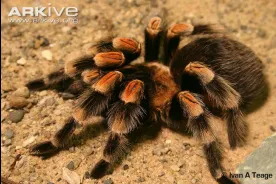
Tarantula hairs, or urticating hairs, cause problems through mechanical irritation. They are covered in tiny barbs which hook into the skin, causing itching, redness, and inflammation. When inhaled or come into contact with the eyes, they can cause severe irritation and discomfort. The effects can vary based on the sensitivity of the individual and the amount of exposure.
Where Are the Hairs Located?
Urticating hairs are primarily located on the abdomen of New World tarantulas. They are released when the spider feels threatened or perceives a danger. The spider brushes its hind legs against its abdomen, releasing the hairs into the air or directly onto the perceived threat. These hairs are a crucial part of the tarantula’s defense system and can cause considerable irritation.
Fact 3 Severity of Reactions
The severity of a tarantula bite or hair irritation varies greatly. For most people, a bite causes localized pain, redness, and swelling, akin to a bee sting. The symptoms typically subside within a few hours or days. Hair contact results in itching, redness, and possible rash, with effects that can last for several days. Rarely, more severe reactions occur, such as allergic responses or significant localized swelling. These more serious reactions highlight the importance of monitoring symptoms and seeking medical attention if necessary.
Common Symptoms of Tarantula Bite

The most common symptoms of a tarantula bite include localized pain, often described as a burning sensation. There may be redness and swelling at the bite site. Some individuals experience muscle cramps, and in rare cases, nausea or vomiting. These symptoms usually diminish within a few days. It’s important to keep the bite area clean to prevent infection.
When to Seek Medical Attention
It’s important to seek medical attention if you experience severe symptoms after a tarantula bite. Signs to watch for include difficulty breathing, significant swelling, severe pain, or signs of infection, such as increased redness, warmth, and pus. Individuals with allergies or pre-existing health conditions should also seek immediate medical advice. It’s better to be safe than sorry. Medical professionals can assess the situation and provide appropriate treatment.
Fact 4 Comparing Tarantula Venom to Other Venoms
Compared to other venomous creatures, tarantula venom is generally considered less potent. While the venom can cause localized pain and discomfort, it is rarely deadly to humans. The venom of some snakes, scorpions, or other spiders is considerably more potent and poses a greater risk. Tarantula venom is primarily designed to incapacitate prey, not to inflict serious harm on larger animals like humans. The comparison helps highlight the relatively low risk associated with tarantula bites when considering the spectrum of venomous animals.
Is Tarantula Venom Deadly?

Tarantula venom is rarely deadly to humans. While it can cause discomfort, pain, and localized reactions, severe reactions are uncommon. The venom’s primary function is to immobilize prey, not to inflict a deadly attack on larger animals. In most cases, the symptoms will subside within a few days. However, individuals should seek medical attention if experiencing severe symptoms or have a history of allergies.
Fact 5 First Aid and Treatment for Tarantula Bites
If bitten by a tarantula, immediate first aid involves washing the bite area with soap and water. Applying a cold compress can help reduce pain and swelling. Over-the-counter pain relievers, such as ibuprofen or acetaminophen, can alleviate discomfort. It is crucial to avoid scratching the bite area, as this can increase the risk of infection. Monitoring the symptoms and seeking medical attention if they worsen is essential. For those who experience severe reactions, medical professionals may administer antihistamines, corticosteroids, or other treatments to alleviate symptoms.
Immediate Steps to Take
The first immediate step is to wash the bite area with soap and water to remove any venom and reduce the risk of infection. Apply a cold compress to the area to help alleviate pain and swelling. Monitor the site for any signs of infection. It is always recommended to seek medical attention if you experience severe symptoms or are concerned about the bite.
Medical Treatments

Medical treatments might include antihistamines to reduce allergic reactions or corticosteroids to reduce inflammation. In rare cases of severe reactions, doctors might administer epinephrine. The goal is to alleviate symptoms and prevent further complications. Always consult a healthcare professional for any medical advice.
Preventing Tarantula Bites
Preventing tarantula bites involves careful handling and awareness. If you own a tarantula, always handle it with care. Avoid sudden movements or actions that might startle the spider. When working with tarantulas, wear gloves and consider using tools like tongs to move the spider, if necessary. If you encounter a tarantula in the wild, it’s best to admire it from a distance. Avoid touching or attempting to handle the spider. Educating yourself about tarantula behavior and safety protocols significantly reduces the risk of bites or hair irritation.
In conclusion, tarantula bites, while venomous, are generally not highly dangerous to humans. The real irritation often stems from the urticating hairs. Understanding the facts, including the composition of the venom, the effects of a bite, and the irritant properties of the hairs, allows us to better appreciate these amazing creatures. Whether you are a tarantula owner or simply curious about these spiders, knowing the truth about tarantula bites can help you stay safe and have a better appreciation for these fascinating arachnids.