What Are Tarantula Body Divisions
Tarantulas, like all arachnids, have a body plan fundamentally different from insects or vertebrates. Understanding their body divisions is key to appreciating their unique biology and how they function. Unlike humans, with our easily recognizable head, torso, and limbs, a tarantula’s body is divided into two primary sections, which in turn have various components and appendages. These divisions are not merely anatomical; they directly influence the spider’s movement, feeding, sensory perception, and reproduction. Knowing these sections helps in understanding how the spider interacts with its environment. From the way it hunts to how it molts, the body divisions of a tarantula dictate a lot of its life cycle, and they are a fascinating aspect of its anatomy.
The Two Main Tarantula Body Sections
The tarantula’s body is primarily divided into two main sections Prosoma (also known as the cephalothorax), and the Opisthosoma (the abdomen). The prosoma is the anterior (front) section, and it is the ‘head’ and ‘chest’ area where all the legs, the chelicerae, and the eyes are located. The opisthosoma is the posterior (back) section, which is the abdomen, and it houses the spider’s vital organs, including the heart, digestive system, and reproductive organs. The two sections are connected by a small, flexible segment known as the pedicel. These two sections together comprise the entire body of the tarantula, and each part has a specific purpose that allows the tarantula to survive and thrive.
The Prosoma (Cephalothorax)

The prosoma, or cephalothorax, is the larger of the two main body sections. It is essentially the spider’s ‘head’ and ‘chest’ combined. This fused structure provides a sturdy platform for the tarantula’s vital functions and movement. The prosoma is covered by a hard exoskeleton, which protects the delicate internal organs and provides points of attachment for muscles. The exoskeleton, made of chitin, doesn’t grow, so the tarantula has to molt to grow. The shape and size of the prosoma can vary slightly between species, but its fundamental function remains the same: to house and protect the important components that allow the tarantula to live.
What is on the Prosoma
The prosoma is the hub for many of the tarantula’s functions. The appendages attached to the prosoma are the legs, pedipalps, and the chelicerae. The legs are used for walking, climbing, and sensing vibrations. The pedipalps are used for manipulating food, and in males, they are used for mating. The chelicerae are the jaws, which are connected to the fangs, and are used for biting and injecting venom. On top of the prosoma, there are typically eight eyes that can detect light and movement. The prosoma contains the brain, the mouth, and the sucking stomach. Because the prosoma is the primary body section, it is the most important body part and contains all the necessary components that allow the tarantula to survive.
The Opisthosoma
The opisthosoma, also known as the abdomen, is the other primary body section. It is connected to the prosoma by the pedicel, a narrow waist-like structure. The opisthosoma is the softer, more flexible part of the tarantula’s body, and it houses the spider’s internal organs. This section of the body expands significantly after a large meal, and it is an integral part of the tarantula’s body. The opisthosoma is responsible for storing and processing food, housing reproductive organs, and producing silk. Its flexible nature allows for movement and changes in size, making it an essential component for the tarantula’s survival.
What is on the Opisthosoma

Inside the opisthosoma, you’ll find a variety of important structures. The heart, a long tube running along the dorsal side, pumps hemolymph (the spider’s blood) throughout the body. The book lungs, located ventrally, facilitate gas exchange, allowing the tarantula to breathe. The digestive system, including the stomach and intestines, processes the spider’s liquid diet. The silk glands, responsible for producing the silk used to create webs, egg sacs, and draglines, are also located here. Additionally, the reproductive organs are housed within the opisthosoma. The opisthosoma is an essential section of the tarantula, containing all the elements necessary for survival and reproduction, making it a vital component of the spider’s anatomy.
Additional Body Divisions
While the two main body sections (prosoma and opisthosoma) are the most prominent, there’s another important division to consider the pedicel. This is a small, tube-like structure that connects the prosoma and opisthosoma, allowing for flexibility and movement between the two sections. Additionally, the appendages on the prosoma (legs, pedipalps, chelicerae) can be considered as distinct parts, each with their own segments and functions. The spinnerets, located at the end of the opisthosoma, which are used to produce silk, can also be considered a distinct division, as well. These additional divisions highlight the complexity and specialization within a tarantula’s body plan.
The Pedicel
The pedicel is a small, but crucial, connecting tube between the prosoma and opisthosoma. It allows for flexibility and movement, enabling the tarantula to twist and turn its body. The pedicel also houses important structures, such as the blood vessels and nerve cords, which connect the two main body sections. Without the pedicel, the tarantula would be rigid and unable to move efficiently. It is also the narrowest part of the tarantula’s body, and is a vulnerable point. The pedicel is a very important part of the tarantula’s anatomy, even though it’s small.
Why Body Divisions Matter for Tarantulas
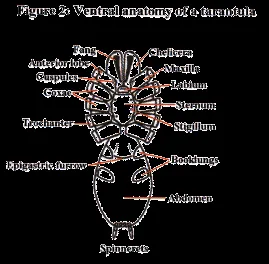
Understanding the body divisions of a tarantula provides insight into their biology and behavior. The distinct sections enable specialized functions: the prosoma for sensing and locomotion, and the opisthosoma for internal processes like digestion and reproduction. The body divisions enable the tarantula to adapt and thrive in various environments. They also impact how tarantulas molt and grow, because the exoskeleton on the prosoma and opisthosoma has to shed. Knowing the body divisions is helpful for keeping tarantulas in captivity, and for understanding how they interact with their environment, and it’s essential for understanding their complex and fascinating lives.