
Tarantula Care How to Ensure a Happy Home
Caring for a tarantula can be a rewarding experience, offering a fascinating glimpse into the world of arachnids. These captivating creatures require specific care to thrive, and understanding their needs is crucial for their well-being. From setting up the perfect enclosure to providing the right diet and environment, this comprehensive guide will walk you through the essentials of tarantula care, ensuring your pet lives a long and healthy life. Whether you’re a seasoned arachnid enthusiast or a curious beginner, this article will provide valuable insights into creating a comfortable and enriching habitat for your eight-legged friend. Let’s dive in to the world of tarantula care and discover the secrets to a happy and thriving tarantula.
Choosing Your Tarantula
The first step in tarantula care is selecting the right species for your lifestyle and experience level. Different tarantula species have varying temperaments, sizes, and care requirements. Some species are more docile and beginner-friendly, while others may be more defensive or require specialized environmental conditions. Researching these differences is crucial before bringing a tarantula home. Consider factors such as your comfort level with handling, the space you have available, and your ability to provide the necessary care. Thorough research at this stage will set the foundation for a successful tarantula-keeping experience.
Researching Different Species

Before acquiring a tarantula, delve into the characteristics of different species. Explore resources like online databases, books, and reputable breeders. Learn about the species’ natural habitats, their typical behaviors, and any specific needs they may have. Consider the availability of the species in your area and whether you can meet its specific requirements. For instance, some tarantulas are arboreal (tree-dwelling) and need vertical space, while others are terrestrial and require a horizontal habitat. Understanding these nuances will help you choose a species that aligns with your capabilities and preferences. Knowing the origins of each species can aid to their wellbeing.
Considering Temperament and Size
Temperament and size are important considerations when choosing a tarantula. Some species, like the Chilean Rose Hair, are known for their docile nature and are often recommended for beginners. Others, such as the Cobalt Blue, can be more defensive and may not be ideal for those new to tarantula care. The size of the tarantula also influences the space and resources you’ll need to provide. Larger species require bigger enclosures and consume more food. Consider the adult size of the tarantula and ensure you can accommodate its needs throughout its lifespan. Make sure you understand how often a tarantula sheds its skin to avoid any panic.
Setting Up the Perfect Enclosure
Creating the right living environment is key to a tarantula’s well-being. The enclosure should provide a secure, comfortable, and enriching habitat that mimics the tarantula’s natural environment. The specific requirements will vary depending on the species, but some general principles apply. The enclosure should be appropriately sized for the tarantula’s adult size, with adequate ventilation and secure closures to prevent escape. The enclosure should also provide a temperature gradient, ensuring a comfortable environment that suits their needs. Make sure you choose a reliable container for your tarantula. Make sure it has a secure lid and it’s big enough for the tarantula to grow and thrive.
Choosing the Right Tank

The type of enclosure you choose is crucial for your tarantula’s health and happiness. Glass or acrylic tanks are common choices. Glass tanks are often preferred for their clarity, allowing you to observe your tarantula easily. Acrylic tanks are lighter and can be more resistant to breakage, but they may scratch more easily. Ensure the tank is appropriately sized for the species. A juvenile tarantula can start in a smaller enclosure, but as it grows, it will need a larger space. The tank should also have a secure lid with ventilation to allow for airflow while preventing escapes. Make sure there are no gaps or potential escape routes.
Substrate Selection
The substrate, or bedding, in your tarantula’s enclosure plays a vital role in maintaining humidity, providing a surface for burrowing (if applicable), and creating a natural environment. Options include coconut fiber, peat moss, vermiculite, and a mix of these materials. The ideal substrate should retain moisture without becoming waterlogged, and it should be free of chemicals or additives that could harm your tarantula. The depth of the substrate depends on the species. Burrowing tarantulas need a deeper layer to create their burrows, while terrestrial species may need a shallower layer. Change the substrate regularly to keep the enclosure clean and hygienic.
Providing Hides and Decorations
Tarantulas are shy creatures that require hiding places to feel secure. Provide a hide, such as a cork bark, a half-log, or a commercially available hide specifically designed for tarantulas. The hide should be appropriately sized for the tarantula and offer a dark, enclosed space where it can retreat when it feels threatened or wants to molt. You can also add decorations to the enclosure to enrich the environment. Live or artificial plants can enhance the aesthetics and provide additional hiding spots. Just make sure any decorations are non-toxic and won’t harm your tarantula. The hideout is important for the security of your tarantula.
Maintaining Optimal Temperature and Humidity

Tarantulas are ectothermic, meaning they rely on external sources to regulate their body temperature. Maintaining the appropriate temperature and humidity levels is crucial for their health and well-being. The ideal temperature and humidity range will vary depending on the species. Research the specific needs of your tarantula and provide the appropriate environment. Use a thermometer and hygrometer to monitor the temperature and humidity levels regularly. Make sure the enclosure is the right temperature and that it will be in the right place to keep a good environment.
Monitoring Temperature
Use a thermometer to monitor the temperature inside the enclosure. Place the thermometer in a location where it accurately reflects the temperature gradient, avoiding direct sunlight or heat sources. The ideal temperature range for most tarantulas is between 70°F and 85°F (21°C and 29°C). You may need to use a heat source, such as a heat mat or ceramic heat emitter, to maintain the appropriate temperature, especially in cooler climates. Be careful not to overheat the enclosure, as this can be harmful. Regularly check the temperature to ensure consistency and make adjustments as needed. Make sure the heat source is in a safe position.
Controlling Humidity Levels
Humidity is another important factor in tarantula care. Use a hygrometer to measure the humidity level inside the enclosure. The ideal humidity level varies depending on the species. Some tarantulas, like those from humid environments, require higher humidity, while others prefer drier conditions. To increase humidity, you can mist the enclosure with water, add a water dish, or use a humidifier. To reduce humidity, ensure good ventilation and avoid overwatering the substrate. Regularly monitor the humidity levels and adjust your methods as needed. Make sure the levels are correct so the tarantula does not get sick.
Feeding Your Tarantula
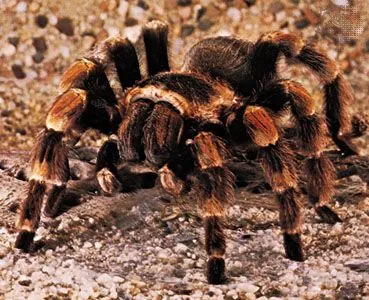
Feeding is a fundamental aspect of tarantula care. Providing the right food in the right quantities ensures your tarantula receives the necessary nutrients to thrive. The diet of a tarantula typically consists of live insects. The type and size of insects will depend on the size and species of your tarantula. It’s important to choose feeder insects that are free of pesticides and contaminants. Remove any uneaten food items promptly to prevent mold and other health issues. Make sure you have a feeding schedule, as this is important for your tarantula.
Appropriate Prey Items
The most common prey items for tarantulas are insects, such as crickets, mealworms, and dubia roaches. The size of the prey should be appropriate for the size of your tarantula. Avoid feeding insects that are too large, as they could injure your tarantula. You can also offer other types of prey, such as pre-killed pinky mice for larger tarantulas. Make sure the prey is gut-loaded (fed nutritious food) before offering it to your tarantula. This will ensure your tarantula gets the vitamins and nutrients it needs. Don’t feed wild-caught insects, as they may carry parasites or diseases.
Feeding Frequency and Portion Size
The feeding frequency will depend on the age and species of your tarantula. Young, growing tarantulas need to eat more often than adults. As a general guideline, feed juveniles once or twice a week. Adults can be fed once every one to two weeks. Adjust the feeding schedule based on your tarantula’s appetite and body condition. A tarantula that is too thin may need to be fed more often, while one that is overweight should be fed less. Remove uneaten prey within 24 hours to prevent stress and potential harm to your tarantula. The best way to keep your tarantula is by knowing when to feed and how much.
Watering Your Tarantula

Providing a clean water source is essential for your tarantula’s health. Tarantulas need access to fresh water at all times to stay hydrated. The method you use for providing water will depend on the size and species of your tarantula. For smaller tarantulas, you can use a shallow water dish or a bottle cap filled with water. Larger tarantulas may need a larger water dish. It is very important to know how to water your tarantula.
Providing Fresh Water
Always provide your tarantula with a shallow water dish or other water source that is accessible and shallow enough to prevent drowning. The water should be clean and fresh. Replace the water regularly, ideally every day or two, to prevent bacteria and algae growth. You can use bottled water, or tap water that has been dechlorinated. Be sure to keep an eye on the water source and change it as needed. If the tarantula is in its burrow, make sure the water is near enough to it, so it can easily drink.
Recognizing and Addressing Dehydration
Dehydration is a serious threat to tarantulas. Signs of dehydration include a shrunken abdomen, lethargy, and difficulty moving. If you notice these signs, increase the humidity in the enclosure and ensure your tarantula has access to fresh water. You can also gently mist the enclosure with water, but avoid directly spraying the tarantula. In severe cases of dehydration, consult a veterinarian or experienced tarantula keeper. Prevention is key. Providing fresh water and maintaining the appropriate humidity levels are crucial in preventing dehydration. Always make sure that it is staying hydrated.
Handling and Interaction

While tarantulas can be fascinating to observe, they are not typically animals that enjoy handling. In fact, unnecessary handling can be stressful and potentially dangerous for both the tarantula and the handler. If handling is necessary, do so with caution and follow safety guidelines. Remember that tarantulas can be unpredictable, and their reactions can vary depending on their species, temperament, and mood. Handling is usually not advised, but in certain situations, you may need to handle your tarantula. In these situations, here is what you should do.
Safe Handling Techniques
If you need to handle your tarantula (e.g., for enclosure cleaning or health checks), do so with extreme care. Approach the tarantula calmly and gently. Use a soft brush or other tool to encourage it to move onto your hand. Avoid sudden movements that could startle the tarantula. Keep your hand close to the ground or a soft surface to minimize the risk of injury if the tarantula falls. Always wash your hands thoroughly before and after handling your tarantula. Be aware of the risks and never handle a tarantula if you are uncomfortable or unsure. Always make sure the tarantula is in a safe place before handling it.
Understanding Tarantula Behavior
Tarantulas exhibit a range of behaviors that can provide insights into their well-being. Familiarize yourself with these behaviors so you can recognize signs of stress, illness, or discomfort. For instance, a tarantula that is constantly hiding may be stressed, while a tarantula that is not eating may be ill or about to molt. Learning about these behaviors is useful to you. Spend time observing your tarantula to understand its normal behavior patterns. If you notice any unusual behaviors, investigate the cause and address the issue promptly. If you notice any unusual behaviors, contact your veterinarian.
Health and Wellness
Like all pets, tarantulas can experience health issues. Understanding common health problems and recognizing the signs of illness is crucial for providing appropriate care. Regular observation, proper environmental conditions, and a balanced diet will help prevent many health issues. However, knowing what to look for will allow you to act quickly if your tarantula is unwell. Regular health checkups are a great idea for your tarantula.
Recognizing Signs of Illness
Several signs can indicate that your tarantula is unwell. These include a loss of appetite, lethargy, difficulty moving, unusual posture, and changes in the abdomen. Other signs include the presence of parasites or mites, a swollen abdomen, or a discharge from the mouth. If you notice any of these signs, isolate the tarantula from other pets and consult with a veterinarian or experienced tarantula keeper. Early detection and treatment are key to recovery. Make sure that you know the signs of sickness and what to do if your tarantula is feeling unwell.
Dealing with Common Health Issues
Common health issues in tarantulas include mites, fungal infections, and dehydration. Mites are tiny parasites that can infest tarantulas, causing irritation and potential health problems. Fungal infections can occur if the enclosure is too humid. Dehydration can result from a lack of water or improper humidity levels. Treatment for these issues will vary depending on the specific problem. For mites, you may need to clean the enclosure thoroughly and treat the tarantula with a mite-killing product. For fungal infections, improve ventilation and reduce humidity. For dehydration, provide fresh water and increase humidity. Always consult a veterinarian for proper diagnosis and treatment. Make sure to deal with health issues immediately.
Conclusion
Caring for a tarantula is a commitment that demands knowledge, patience, and a genuine interest in these fascinating creatures. By providing the right enclosure, maintaining optimal environmental conditions, offering a proper diet, and understanding their behaviors, you can ensure your tarantula lives a long, healthy, and fulfilling life. Remember that tarantula care is an ongoing learning process. Stay informed, seek advice from experienced keepers, and continually improve your understanding of these amazing animals. With proper care and attention, you can enjoy the unique companionship of your tarantula for many years to come. Happy tarantula keeping!