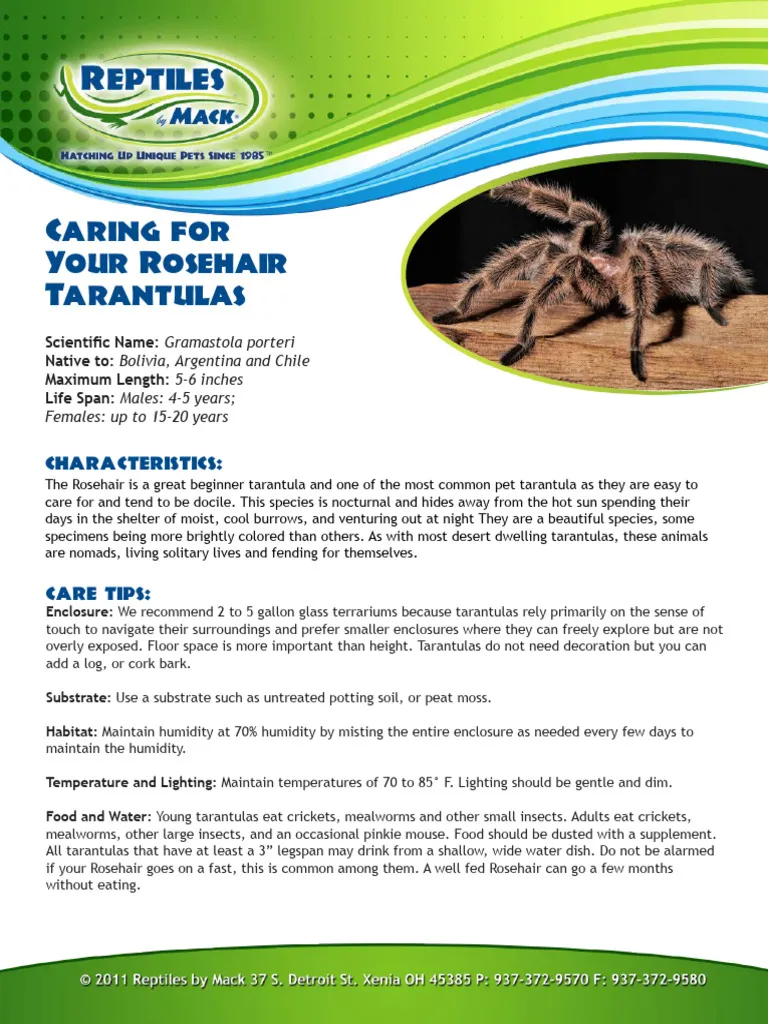
Tarantula Care What You Need to Know
Caring for a tarantula can be a rewarding experience, offering a unique perspective on the natural world. These fascinating creatures require specific care to thrive, and understanding their needs is paramount. This guide provides essential information to help you get started with tarantula ownership, covering everything from selecting your first pet to ensuring its long-term health and happiness. Remember that responsible tarantula ownership involves understanding the animal’s behavior, providing a suitable environment, and handling it with care. With the right knowledge, you can enjoy the unique companionship of these amazing arthropods. Before acquiring a tarantula, it’s crucial to research and be fully prepared for the commitment. Tarantulas can live for many years, and their care requirements differ from those of more traditional pets. This guide will offer a comprehensive overview of tarantula care.
Choosing Your First Tarantula
Choosing the right tarantula is the first step toward successful ownership. Consider your experience level and the tarantula’s temperament. Some species are more docile and easier to handle, while others are more defensive and best observed. Research different species and their characteristics before making a decision. When selecting a tarantula, look for an active individual with a healthy appearance. Avoid tarantulas that appear lethargic, have a shriveled abdomen, or show signs of parasites. It’s also wise to purchase from a reputable breeder or pet store to ensure the tarantula is healthy and has been properly cared for. Careful selection will help you avoid challenges and ensure you and your tarantula have a good experience. Starting with an easy-to-care-for species allows you to learn the ropes and build your confidence.
Tarantula Species Considerations

Different tarantula species have varying temperaments, sizes, and care requirements. Some species are more suitable for beginners than others. Research the specific needs of any species you are considering. For instance, some tarantulas are terrestrial (ground-dwelling), while others are arboreal (tree-dwelling). Their enclosure needs will vary accordingly. Consider the tarantula’s size and growth rate, as these factors will influence the size of the enclosure you need. Also, consider the tarantula’s defensive behaviors. Some species have urticating hairs that they can flick to defend themselves. It’s important to be aware of these behaviors to handle your tarantula safely. Different species also come from diverse habitats, so matching their environmental needs is critical. Learning about a species’ native environment will guide decisions regarding temperature, humidity, and substrate. Always prioritize the tarantula’s welfare and environment.
Common Tarantula Species for Beginners
Several tarantula species are popular choices for beginners due to their docile nature and ease of care. The Chilean Rose Hair tarantula (Grammostola rosea) is a well-known, relatively calm species known for its hardiness and slow growth rate. The Pinktoe tarantula (Avicularia avicularia), while arboreal, is another popular choice due to its striking appearance and relatively gentle disposition. Other beginner-friendly options include the Mexican Red Knee tarantula (Brachypelma hamorii), known for its striking orange and black markings and calm temperament. The Curly Hair tarantula (Tlitocatl albopilosus), is another great choice as they are very tolerant and hardy. Always research any species before purchasing. Consider the adult size of the tarantula and the required care. Make sure you have a clear understanding of the species’ behavior. Start with one tarantula to manage your time and resources.
Habitat Setup for Your Tarantula
Setting up the right habitat is crucial for your tarantula’s well-being. The enclosure should mimic the tarantula’s natural environment. This will help ensure that your pet stays healthy and thrives. The enclosure should be escape-proof and appropriately sized for the species and its size. Provide adequate space for the tarantula to move around and exhibit natural behaviors. A well-designed habitat provides hiding places, proper temperature and humidity, and a clean environment. It’s a key aspect of tarantula care. Incorrect setup can lead to stress, illness, or even death. A little planning can make a huge difference in the health and happiness of your tarantula. Always ensure that the enclosure is securely closed to prevent accidental escapes, as a lost tarantula can be difficult to find.
Enclosure Size and Type
The size and type of enclosure depend on the tarantula species and its size. For terrestrial species, a rectangular enclosure is best. Arboreal species need taller enclosures with vertical space for climbing. As a general rule, the enclosure should be at least twice the tarantula’s leg span in width and length. Ensure the enclosure has proper ventilation to prevent mold and fungal growth. The enclosure’s material can be glass or clear plastic. These materials allow for excellent visibility. The lid should be secure but allow for ventilation. Avoid using enclosures that are too large, especially for young tarantulas, as this can make it difficult for them to find food and can also increase their stress levels. Consider the adult size of the tarantula when selecting the enclosure size initially. Over time, as your tarantula grows, it will need a larger space.
Substrate Selection
The substrate is the bedding material at the bottom of the enclosure. It helps maintain humidity and provides a surface for the tarantula to burrow and walk on. Common substrate options include coconut fiber, peat moss, and a mixture of vermiculite and potting soil. Coconut fiber is a popular choice due to its excellent moisture-retaining properties and natural look. Avoid using substrates that are toxic or can cause injury, such as gravel or sand. The substrate depth should be appropriate for the species and its burrowing behavior. For terrestrial species, a deeper substrate is beneficial for burrowing. Arboreal species may need a less deep substrate. The substrate should be changed regularly to prevent the build-up of waste and to maintain a healthy environment. Regular cleaning and monitoring of the substrate will minimize problems.
Temperature and Humidity Control
Tarantulas require specific temperature and humidity levels to thrive. Research the ideal conditions for your species. Use a thermometer and hygrometer to monitor the temperature and humidity in the enclosure. Most tarantulas prefer temperatures between 75-85°F (24-29°C). Humidity requirements vary by species. Maintain the proper humidity by misting the enclosure with water. The frequency of misting depends on the species and the ventilation in the enclosure. A shallow water dish provides a constant source of hydration. Ensure the water dish is shallow to prevent the tarantula from drowning. Avoid placing the enclosure in direct sunlight or near heat sources, as this can cause extreme temperature fluctuations. Monitoring the conditions daily ensures your tarantula has a stable environment. A heat mat can be used, but carefully monitor it. Place it on the side of the enclosure, not underneath.
Providing Water and Hiding Places

Clean, fresh water is essential for all tarantulas. Provide a shallow water dish filled with clean water. Ensure the dish is easily accessible, and the tarantula can safely drink. Replace the water regularly to prevent bacterial growth. Hiding places are crucial for tarantulas. They provide security and allow the tarantula to retreat and feel safe. Offer a hide, such as a piece of cork bark, a half-log, or a commercially available hide. The hide should be large enough for the tarantula to retreat inside completely. For arboreal species, provide climbing structures like branches or artificial plants. The hiding place should be stable and not prone to falling. A secure hiding spot helps reduce stress and encourages natural behaviors. It allows the tarantula to regulate its body temperature and feel safe.
Feeding Your Tarantula
Proper feeding is vital to the health and well-being of your tarantula. Tarantulas are carnivorous and primarily feed on insects. The type and size of insects you feed will depend on the tarantula’s size and species. Feeding habits are important in tarantula care, and they vary depending on the tarantula’s age and growth stage. Overfeeding is more dangerous than underfeeding. Always remove uneaten food within 24 hours to prevent the growth of mites or mold. The frequency and amount of feeding influence the tarantula’s growth and overall health. It is important to observe your tarantula’s feeding behavior and adjust the feeding schedule. Always use tongs to offer food to the tarantula to avoid being bitten and be sure to have fun with your new pet.
What to Feed Your Tarantula
The most common food items for tarantulas are insects like crickets, mealworms, and roaches. The size of the insect should be appropriate for the tarantula. As a general rule, the insect should be no larger than the tarantula’s body size. Feed young tarantulas smaller prey items, and gradually increase the size as they grow. Dust the insects with a calcium and vitamin supplement to ensure they receive adequate nutrients. Avoid feeding wild-caught insects. They can carry parasites or diseases. Always purchase insects from a reputable source. Variety in the diet is beneficial. Offer a mix of different insects to provide a balanced diet. Monitor the tarantula’s body condition. Adjust the diet accordingly. Never feed a tarantula anything other than appropriate insects.
Feeding Frequency and Amounts

Feeding frequency depends on the tarantula’s age and growth rate. Spiderlings and young tarantulas should be fed more often than adults, typically 2-3 times per week. Adult tarantulas can be fed once a week or even less frequently. Observe your tarantula’s feeding behavior to determine the appropriate feeding schedule. A tarantula that is not hungry may refuse food. Remove uneaten food after 24 hours. Adjust the amount of food based on the tarantula’s appetite and body condition. An overfed tarantula can become obese. It may have difficulty molting. An underfed tarantula may appear thin. Monitor your tarantula for signs of poor health. Make any necessary adjustments to the feeding schedule. Ensure the tarantula always has access to fresh water.
Tarantula Molting Process
Molting is a natural process where tarantulas shed their exoskeleton to grow and replace damaged body parts. The frequency of molting depends on the tarantula’s age, growth rate, and species. Young tarantulas molt more frequently than adults. Proper care during molting is critical to ensure the tarantula’s survival. Always monitor your tarantula and familiarize yourself with the signs of molting. This can help you provide the best care possible. This phase is a delicate time for the tarantula, and it is best not to disturb them. By understanding the molting cycle, you can provide the proper environment for your tarantula.
Understanding the Molting Cycle
Before molting, the tarantula will typically stop eating and may become less active. The abdomen may appear darker and plumper. The tarantula may also create a web mat or flip onto its back. Molting can take anywhere from a few minutes to several hours. The tarantula will split its exoskeleton and slowly extract itself. Once the tarantula has molted, its new exoskeleton will be soft and vulnerable. The tarantula will remain in this state for several days while the new exoskeleton hardens. Do not handle the tarantula during this time. This is very important as handling may be lethal to them. Molting is a vulnerable time. Understanding the process is key to avoiding problems. Provide a humid environment, and avoid disturbing the tarantula during this period.
What to Do During Molting

During molting, provide a calm and humid environment. Do not disturb the tarantula. Avoid handling it. Do not feed the tarantula until its new exoskeleton has hardened. This process can take up to a week or more. Ensure the enclosure is humid. This will help the molting process. After molting, remove the old exoskeleton. If the tarantula struggles to molt, increase the humidity in the enclosure. But do not intervene unless absolutely necessary. Intervention can cause harm. If the tarantula does not molt successfully, seek advice from an experienced tarantula keeper or a veterinarian. Observing your tarantula during molting can provide a fascinating insight into its life cycle.
Handling Your Tarantula Safely
Handling a tarantula should be approached with caution and respect. Not all tarantulas enjoy being handled. Some species are more defensive than others. It is always best to observe your tarantula’s behavior and choose the species carefully. Handling should only occur if you understand the risks and are comfortable with the tarantula’s temperament. Avoid handling your tarantula unless necessary, as it can cause stress. Handling can be especially risky for beginners. By understanding the risks involved, you can prioritize your tarantula’s well-being and ensure a positive experience.
How to Handle Tarantulas
If you choose to handle your tarantula, do so with caution. Approach the tarantula calmly and slowly. Do not make sudden movements. Gently encourage the tarantula to walk onto your hand. Avoid grabbing or poking the tarantula. Always handle the tarantula over a soft surface, such as a bed or a table covered with a towel, in case it falls. Be aware of the tarantula’s defensive behaviors, such as flicking urticating hairs or raising its front legs. Wash your hands thoroughly before and after handling your tarantula. Do not handle the tarantula if you have any open wounds on your hands. Handling should always be done with respect for the animal. Remember that handling can be stressful for the tarantula. It should be minimized to avoid unnecessary distress.
Signs of Stress in Tarantulas

Tarantulas can exhibit various signs of stress. These signs can indicate a problem with the environment or the care you are providing. Recognize these signs to take action. A tarantula may flick urticating hairs, raise its front legs, or display a defensive posture. If a tarantula is frequently hiding. That can be a sign of stress. Loss of appetite can also be a sign of stress. Other signs of stress include lethargy, rapid movements, and a loss of color. If you notice any signs of stress, assess the enclosure. Check the temperature, humidity, and hiding places. Make adjustments to the environment. Consult with an experienced tarantula keeper or a veterinarian if the stress persists.
Health and Hygiene for Tarantulas
Maintaining a healthy and hygienic environment is essential for your tarantula’s well-being. Regular cleaning and observation can help prevent health issues. It is important to take preventive measures. By following these hygiene practices, you can ensure your tarantula remains healthy and thrives. Prevention is the most important aspect in maintaining a healthy tarantula.
Common Tarantula Health Issues
Tarantulas can be affected by a range of health issues. These include fungal infections, parasites, and injuries. Fungal infections can be caused by high humidity and poor ventilation. Parasites can be introduced through food or substrate. Injuries can occur from falls or handling. If you notice any signs of illness, such as lethargy, loss of appetite, or unusual behavior, consult a veterinarian or an experienced tarantula keeper. Preventive measures. Maintain the right environment. Avoid overfeeding. Regularly clean the enclosure. Quarantine new tarantulas. These can help prevent health issues. Seek expert advice if you have concerns. Proper care can prevent many health problems.
Maintaining a Clean Enclosure

Regularly clean the enclosure to prevent the build-up of waste and to maintain a healthy environment. Remove uneaten food and feces regularly. Spot clean the enclosure as needed. Replace the substrate periodically. The frequency of substrate changes depends on the species and the substrate type. Disinfect the enclosure when necessary. But use only reptile-safe disinfectants. Clean water and water dishes regularly. Proper hygiene helps prevent disease. It also provides a healthy environment. A clean enclosure is a healthy environment for your pet. By following these cleaning practices, you can ensure your tarantula thrives.
Conclusion
Caring for a tarantula is a rewarding experience. By following the guidelines in this care sheet, you can provide your tarantula with a healthy and enriching environment. Proper research, a suitable enclosure, and consistent care will help you enjoy the unique companionship of these amazing creatures. Tarantulas are fascinating pets, and with the right knowledge, you can enjoy their company for many years. Always prioritize the tarantula’s well-being. By understanding their needs, you can create a thriving and fulfilling environment. Remember to stay informed, seek advice when needed, and enjoy the journey of tarantula ownership.