Understanding Tarantula Enclosure Humidity
Maintaining the correct humidity levels within your tarantula’s enclosure is absolutely critical for its health and well-being. As a beginner, it’s one of the fundamental aspects of tarantula care that you need to grasp. Unlike many other pets, tarantulas are highly sensitive to environmental conditions, particularly humidity. Incorrect humidity can lead to a range of issues, from molting problems to respiratory infections, and even death. This guide will provide you with a solid foundation of knowledge, ensuring you can create a healthy and thriving environment for your tarantula. Remember, understanding the nuances of humidity control is key to successful tarantula keeping, so let’s delve into the specifics to get you started.
Why Is Humidity Important for Tarantulas?
Humidity plays a vital role in the life cycle of a tarantula. It directly impacts their ability to molt successfully. Molting, the process by which tarantulas shed their exoskeletons, is a physically demanding and crucial event. Adequate humidity helps to soften the old exoskeleton, making it easier for the tarantula to emerge without getting stuck. Inadequate humidity can lead to failed molts, resulting in deformities, limb loss, or even death. In addition to molting, humidity affects their hydration and overall health. Tarantulas absorb moisture through their exoskeletons and require a humid environment to stay properly hydrated. Low humidity can lead to dehydration, which weakens the tarantula and makes it more susceptible to illness. Finally, humidity helps to regulate their respiratory function, preventing the buildup of fluids in their book lungs, which can be fatal.
Species-Specific Humidity Needs

Humidity Requirements for Various Tarantula Species
Different tarantula species originate from diverse habitats, each with unique humidity requirements. Researching the specific needs of your tarantula species is the first and most critical step in providing proper care. Tropical species, for example, generally require higher humidity levels than those from drier, desert climates. Knowing your tarantula’s origin will give you a solid starting point for determining appropriate humidity levels. Some species thrive in humidity levels as high as 75-80%, while others require levels closer to 50-60%. It is essential to understand these differences to ensure you provide the right environment and keep your tarantula healthy. Consulting online resources, specialized tarantula care guides, or experienced keepers can help you determine the ideal humidity range for your specific species.
Common Tarantula Species and Their Humidity Needs
Let’s look at some examples. The popular Brazilian Black tarantula (Grammostola pulchra) generally thrives in humidity levels between 70% and 80%. Conversely, the desert-dwelling Arizona Blonde tarantula (Aphonopelma chalcodes) prefers a drier environment, typically needing humidity levels around 50-60%. The Pinktoe tarantula (Avicularia avicularia), being a tropical species, requires high humidity, often around 75-85%, coupled with good ventilation. Always remember that these are general guidelines, and slight variations can occur based on the individual tarantula and its specific living conditions. It is important to observe your tarantula’s behavior and make adjustments as necessary, using a hygrometer to track humidity levels accurately. By understanding the specific needs of your tarantula species, you can create an optimal environment where it can thrive.
How to Measure Humidity in Your Tarantula Enclosure

Accurately measuring humidity is crucial for maintaining the correct environmental conditions within your tarantula’s enclosure. This ensures that you can monitor and make necessary adjustments to keep the humidity levels within the optimal range for your specific species. Without a reliable way to measure humidity, you’re essentially guessing, which can be detrimental to your tarantula’s health. Using the right tools and understanding how to interpret the readings is essential for responsible tarantula keeping, providing you with the data you need to ensure a healthy and comfortable habitat.
Using a Hygrometer
A hygrometer is the primary tool for measuring humidity. These devices provide real-time readings of the relative humidity in the enclosure. There are a couple of types of hygrometers that you can use. Hygrometers come in two main forms: analog and digital. Both types serve the same purpose but differ in their features, accuracy, and ease of use. Choosing the right hygrometer can make a big difference in monitoring the humidity levels in your tarantula’s enclosure, giving you the information you need to take care of your pet.
Types of Hygrometers
Analog hygrometers are usually less expensive and use a needle to indicate the humidity level on a dial. While they can provide a general idea of the humidity, they tend to be less accurate and may require calibration. Digital hygrometers, on the other hand, are generally more accurate and provide a digital readout of the humidity. Many digital models also display the temperature, making them a convenient option. Some digital hygrometers come with probes, which can be placed inside the enclosure for more accurate readings, and they often have memory functions to track humidity over time. Both types have their place; however, if you are serious about your tarantula’s care, investing in a good-quality digital hygrometer is usually recommended for its precision and ease of use.
Where to Place a Hygrometer

The placement of your hygrometer is important for getting accurate readings. Place the hygrometer inside the tarantula enclosure, ideally away from direct contact with water sources. This ensures it is accurately measuring the overall humidity in the environment. The best placement depends on the type of enclosure, but a mid-level location, away from the heat source, is usually recommended. Make sure to follow the manufacturer’s instructions for placement, as different models may have specific recommendations. Regularly check the readings, and make adjustments as needed to keep the humidity within the ideal range for your tarantula species. Consistent monitoring will enable you to quickly identify and correct any humidity imbalances, ensuring a healthy environment for your pet.
Maintaining Optimal Tarantula Enclosure Humidity
Once you understand the ideal humidity levels for your tarantula species and have a reliable method for measuring it, the next step is to implement strategies for maintaining the proper environment. This includes selecting the right substrate, utilizing appropriate watering techniques, and managing ventilation. The goal is to strike the right balance between humidity and air circulation to prevent problems like mold and ensure your tarantula’s well-being.
Substrate Selection and Humidity
The choice of substrate plays a significant role in regulating humidity levels. The substrate acts as a reservoir for moisture, slowly releasing it into the enclosure, thus influencing the overall humidity. Different substrate materials have varying moisture-retention capabilities, so the selection must consider your tarantula’s specific needs. Using the right substrate can make humidity control easier and more consistent, helping you create the ideal environment for your pet.
Choosing the Right Substrate

Popular substrate choices include coco fiber, peat moss, and vermiculite. Coco fiber is a common and versatile choice; it holds moisture well and is readily available. Peat moss also retains moisture but may require more careful monitoring to prevent excessive humidity. Vermiculite is excellent at retaining moisture and is often mixed with other substrates to increase humidity. The best choice often depends on your tarantula’s species and the desired humidity range. For example, a species that requires high humidity might benefit from a thicker layer of coco fiber, while a drier species might need a substrate mix that includes more drainage material. Always research your tarantula’s species-specific needs to make an informed decision.
Substrate Maintenance
Proper substrate maintenance is just as important as choosing the right material. Regularly check the substrate for moisture levels. While you want it to remain damp, it should not be excessively wet, which can encourage mold growth. Spot clean the substrate to remove any waste or uneaten food, which can also contribute to mold and bacterial growth. If the substrate dries out, you can lightly mist the enclosure or add water to a corner to rehydrate it. If it becomes overly saturated, you can allow it to dry out naturally or replace a portion of the substrate. Regular monitoring and appropriate maintenance will extend the life of the substrate and keep the humidity balanced.
Watering Techniques and Humidity
Watering is another crucial aspect of managing humidity. The way you provide water to your tarantula enclosure directly affects the humidity levels. Proper watering techniques involve using a water bowl and, in some cases, misting to ensure proper humidity levels without causing problems.
Misting the Enclosure
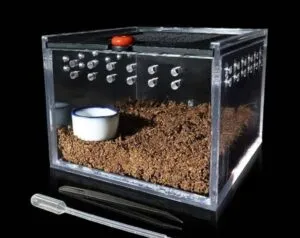
Misting is a method used to temporarily increase humidity. Using a spray bottle, mist the enclosure lightly, but be careful not to over-saturate the substrate or create standing water. Misting is particularly helpful for species that require high humidity. It’s essential to monitor the humidity levels after misting and to make sure that the substrate is not constantly wet. Mist in the mornings or evenings, allowing the enclosure to dry out slightly during the day. Avoid misting directly onto your tarantula, as this can stress them. When misting, focus on the sides of the enclosure and the substrate rather than the tarantula itself, providing a humid environment without directly drenching your pet.
Water Bowls and Their Importance
Providing a water bowl is essential, regardless of the humidity requirements of your tarantula. Water bowls provide a constant source of water for drinking and can also help to regulate humidity, as some water will evaporate. Ensure the water bowl is the correct size for your tarantula and is shallow enough to prevent accidental drowning. Refill the water bowl regularly with fresh, dechlorinated water. Positioning the water bowl in an accessible location ensures your tarantula can hydrate when needed, and the presence of a water source contributes to maintaining a stable humidity level within the enclosure.
Ventilation and Humidity Control
Ventilation plays a significant role in controlling humidity levels by allowing excess moisture to escape the enclosure. Proper ventilation is crucial for preventing the buildup of excessive humidity, which can lead to mold, fungal growth, and other health problems. Balancing ventilation with humidity is key to providing a healthy environment for your tarantula.
The Role of Ventilation

Ventilation involves the exchange of air within the enclosure. This process helps to remove excess moisture and prevent the growth of mold and mildew. Good ventilation also improves air quality, removing stale air and odors. The design of your enclosure, including the presence and placement of ventilation holes, is essential for controlling the airflow. Generally, enclosures should have ventilation holes near the top and bottom to allow for proper air circulation. The amount of ventilation needed varies based on species and humidity requirements, so monitoring and adjustment are crucial.
Adjusting Ventilation for Humidity
To adjust ventilation, you can modify the size or number of ventilation holes. For species that require higher humidity, you may need to reduce ventilation slightly. For species that require lower humidity, you may need to increase ventilation. Always monitor the humidity levels using a hygrometer and adjust the ventilation accordingly. Be cautious when adjusting ventilation, as significant changes can quickly impact the humidity levels. Small, incremental adjustments are best to avoid sudden shifts. By carefully balancing ventilation and humidity control, you can create a stable and comfortable environment for your tarantula.
Humidity Control Challenges
Even with the best preparation, maintaining perfect humidity levels can be challenging. Over or under-humidification can lead to serious problems. Recognizing and addressing these issues quickly is crucial to your tarantula’s well-being. Being proactive and paying close attention to the signs of humidity imbalances will help you prevent health issues and create a safe habitat.
Dealing with Excessive Humidity
Excessive humidity can lead to mold growth, respiratory infections, and other serious health issues for your tarantula. If you observe consistently high humidity readings, you need to take immediate action. Increase ventilation by adding more ventilation holes or enlarging existing ones. Reduce the frequency of misting, and allow the substrate to dry out slightly. Make sure there is good airflow through the enclosure and the water bowl is not overflowing. Using a dehumidifier near the enclosure might also help in extreme situations. Regularly monitoring and making necessary adjustments helps ensure your tarantula’s enclosure doesn’t turn into a breeding ground for harmful bacteria.
Preventing Mold and Mildew
Mold and mildew thrive in humid environments, posing a significant risk to tarantula health. To prevent mold growth, maintain good ventilation and avoid overwatering the substrate. Spot clean the enclosure regularly, removing any uneaten food or waste that can encourage mold growth. Consider using a substrate that is less prone to mold, such as coco fiber, and monitor the substrate for any signs of mold, such as discoloration or a musty odor. If you notice mold, remove and replace the affected substrate immediately and thoroughly clean the enclosure. Ensure that there’s adequate air circulation and continue to monitor the humidity levels closely.
Dealing with Insufficient Humidity
Low humidity can cause dehydration and problems with molting. If you notice low humidity readings, you’ll need to take steps to increase the moisture levels in the enclosure. Increasing humidity is easier than lowering it, generally. Methods include misting the enclosure, adding a larger water bowl, using a more moisture-retentive substrate, and covering part of the enclosure’s top to trap moisture. Always monitor humidity levels using a hygrometer and make adjustments as needed to ensure that the environment is within the appropriate range for your tarantula species. Addressing insufficient humidity promptly is important for preventing health problems and ensuring your tarantula’s molting success.
Signs of Low Humidity
Recognizing the signs of low humidity is key to taking early action. Some signs that your tarantula is not getting enough humidity include lethargy, loss of appetite, and difficulty molting. You may also notice the tarantula’s exoskeleton becoming very dry and brittle. Check the substrate; if it is dry and dusty, the humidity is likely too low. By observing your tarantula’s behavior and monitoring the environment, you can spot the early signs of low humidity and prevent more serious health issues. If you notice these signs, use the appropriate methods to increase the humidity levels to get your pet healthy.
Troubleshooting Humidity Issues
Even with careful planning and diligent care, humidity issues may arise. Being prepared to troubleshoot common problems can prevent more severe health complications and ensure your tarantula thrives. The ability to diagnose issues and make informed adjustments is key to successful tarantula husbandry. This section will cover common mistakes and offer practical advice on how to monitor, adjust, and refine your approach to humidity control.
Common Mistakes to Avoid
Several common mistakes can lead to humidity problems. Avoid overwatering or constantly misting the enclosure, which can lead to excessive humidity and mold growth. Don’t assume all tarantulas require the same humidity levels; always research the specific needs of your species. Failure to monitor humidity levels regularly is a big mistake, so make sure you have a hygrometer. Also, don’t neglect to provide adequate ventilation. Lastly, do not use tap water, which may contain chemicals harmful to your tarantula. By avoiding these common pitfalls, you can create a more stable and healthy environment for your pet.
Monitoring and Adjusting
Regular monitoring is crucial for maintaining the proper humidity levels in your tarantula’s enclosure. Take readings at least once per day and make adjustments as needed. Keep a log of your humidity readings, along with any changes you make, so you can track your progress and identify patterns. When making adjustments, do so gradually to avoid sudden changes in humidity. If you notice a persistent humidity problem, reassess your setup and techniques, and seek advice from experienced keepers or online resources. The more observant you are, the quicker you will be able to adapt to your pet’s needs.
Essential Tips for Tarantula Enclosure Humidity
Maintaining the correct humidity in your tarantula’s enclosure is a continuous learning process. Here are some key takeaways to help you succeed. Research the specific humidity requirements of your tarantula species. Use a reliable hygrometer to monitor humidity levels. Choose the right substrate and maintain it properly. Implement appropriate watering techniques, such as misting and providing a water bowl. Ensure adequate ventilation to prevent excessive humidity. Be prepared to troubleshoot and make adjustments. By following these essential tips and staying informed, you can provide a healthy and comfortable environment for your tarantula, contributing to its well-being and longevity.