Tarantula Facts The Top 5 Things You Need to Know
Tarantulas, those fascinating, often misunderstood creatures, have captivated the attention of both scientists and enthusiasts alike. These large, hairy spiders are found across the globe, each species with unique characteristics and behaviors. Understanding the facts about tarantulas goes beyond mere observation; it involves appreciating their intricate anatomy, ecological roles, and the nuances of their lives. This article will delve into five key aspects of tarantulas, providing a comprehensive overview of these amazing arachnids. Whether you’re a seasoned arachnid aficionado or just curious about these eight-legged wonders, this guide will provide valuable insights and dispel common misconceptions.
Tarantula Anatomy Understanding the Basics
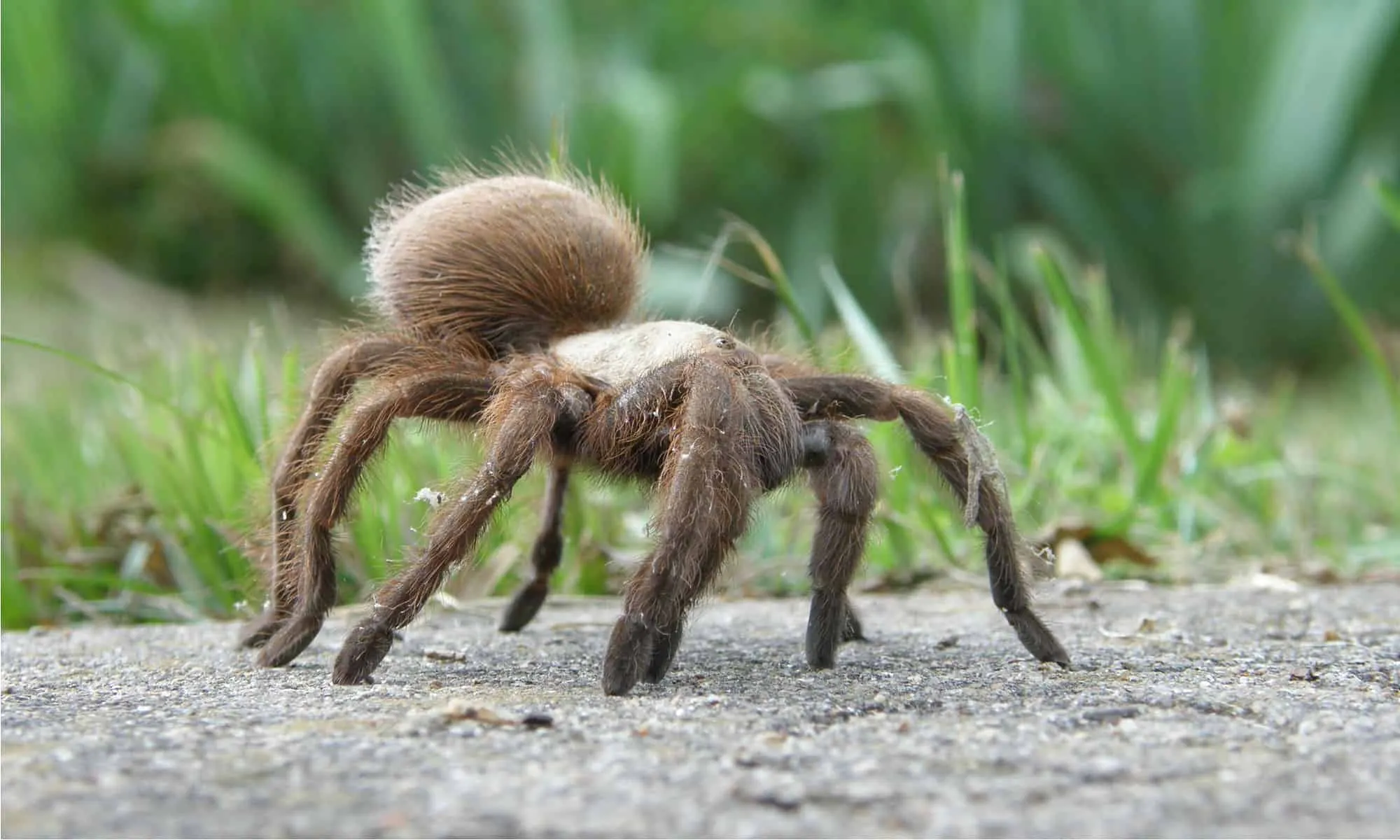
To truly appreciate tarantulas, understanding their anatomy is essential. Like all arachnids, tarantulas have two main body segments: the cephalothorax (fused head and thorax) and the abdomen. The cephalothorax houses the eyes, mouthparts (including fangs), and legs. The abdomen contains the heart, digestive organs, and reproductive organs. Tarantulas have eight legs, each covered in sensory hairs that help them navigate their environment. They also possess pedipalps, small appendages near the mouth used for manipulating food and sensing their surroundings. These intricate features work together to ensure survival. Knowledge of the anatomy helps in understanding their behavior and how they interact with their environment.
Exoskeleton Structure and Function

The exoskeleton of a tarantula is a crucial aspect of its anatomy, providing both protection and support. This hard, outer covering is made of chitin, a tough, durable material. It shields the tarantula from predators, environmental hazards, and physical damage. The exoskeleton also serves as an attachment point for muscles, enabling movement. However, this rigid structure means that the tarantula must shed its exoskeleton periodically through a process called molting to grow. This is a vulnerable time for the spider, as it is temporarily soft and defenseless. The exoskeleton’s structure is a marvel of natural engineering, perfectly adapted for the tarantula’s lifestyle.
Spinnerets and Silk Production
At the rear of the abdomen, tarantulas possess spinnerets, specialized organs used for silk production. These spinnerets are responsible for producing the silk that tarantulas use for a variety of purposes, including constructing their burrows, creating egg sacs, and, in some cases, capturing prey. The silk is incredibly strong and versatile, with different types of silk produced for different tasks. The ability to produce silk is a key adaptation that has contributed to the tarantula’s success in diverse environments. The silk is essential for their survival, providing shelter, protection, and a means of reproduction.
Venom and Fangs What You Need to Know
Tarantulas are often feared because of their venom, which they use to subdue prey. The venom is delivered through fangs, which are located on the chelicerae (mouthparts). While all tarantulas are venomous, their venom is generally not considered highly dangerous to humans. The effects of a bite are often compared to a bee sting, causing localized pain, swelling, and redness. However, some individuals may have allergic reactions. It is important to remember that tarantulas usually only bite when threatened. Understanding the role of venom and fangs is key to safety, but also highlights the sophistication of tarantulas as predators.
Tarantula Habitat and Distribution

Tarantulas are found in a wide range of habitats around the world, from tropical rainforests to deserts. Their distribution is influenced by factors such as temperature, humidity, and the availability of prey. These spiders have adapted to diverse environments, showcasing their resilience and adaptability. They typically prefer to live in burrows, under rocks, or in other sheltered locations, where they can ambush prey. Understanding their natural habitat is critical for conservation and for providing appropriate care in a captive setting.
Natural Habitats Where Tarantulas Live
Tarantulas are incredibly diverse in their habitat preferences. Some species, like the Chilean rose tarantula, are commonly found in arid and semi-arid environments, often burrowing in the ground or taking shelter under rocks. Others, such as the Goliath birdeater, thrive in humid, tropical rainforests, where they can find ample food and suitable shelter. The habitat of a tarantula directly affects its behavior, diet, and overall lifestyle. The differences in habitat explain the varied adaptations observed across different tarantula species. Understanding their natural environment allows for better conservation efforts and responsible pet ownership.
Common Tarantula Species
There are hundreds of different tarantula species, each with its own unique characteristics. Some of the most popular tarantula species in the pet trade include the Mexican redknee, the Brazilian black, and the pinktoe tarantula. The Mexican redknee is known for its striking orange and black coloration, while the Brazilian black is admired for its solid black appearance. The pinktoe tarantula, as its name suggests, has pink tips on its toes and is a favorite among beginners. Each species has specific care requirements, including humidity, temperature, and diet, making research crucial. The variety in species highlights the diversity and adaptability of tarantulas.
Tarantula Diet and Feeding Habits

Tarantulas are primarily carnivores, with their diet consisting mainly of insects and other invertebrates. In the wild, their diet can include crickets, grasshoppers, beetles, and even small vertebrates such as mice, lizards, and small birds depending on the species and size of the spider. Their feeding habits are opportunistic; they will typically wait for prey to come within striking distance before ambushing them. The tarantula injects venom into its prey, which paralyzes it and begins to break down the tissues, making it easier to consume. This feeding mechanism is a fascinating example of natural adaptation.
Prey Preferences and Feeding Frequency
The prey preferences and feeding frequency of tarantulas vary depending on their species, age, and size. Younger tarantulas, or spiderlings, typically require more frequent feedings, often several times a week. As they grow, the frequency can be reduced to once a week or even less. The size of the prey should also be adjusted; smaller spiders will need smaller insects, such as pinhead crickets or fruit flies, while larger tarantulas can handle larger prey, such as adult crickets, roaches, or even small mice. Providing a varied diet helps to ensure that the tarantula receives all the necessary nutrients. The appetite of a tarantula can also be affected by factors such as molting or environmental conditions.
Water and Hydration for Tarantulas
Water is essential for all tarantulas to stay hydrated and survive. They absorb water through their food and also drink from a water source. It’s crucial to provide fresh, clean water at all times. In captivity, this is usually achieved by using a shallow water dish filled with fresh water. The water dish should be shallow enough that the tarantula can easily access it without risking drowning. The water should be changed regularly to prevent bacterial growth. In addition to drinking, tarantulas also get moisture from their food. Maintaining proper hydration is important for their overall health and well-being.
Tarantula Behavior and Temperament

Tarantula behavior and temperament can vary significantly depending on the species. Some tarantulas are known for being docile and relatively easy to handle, while others are more defensive and may readily display defensive behaviors when threatened. Understanding the typical temperament of a particular species is crucial for responsible pet ownership. Tarantulas exhibit a range of behaviors, including hunting, burrowing, molting, and mating. Observing these behaviors can be a fascinating aspect of keeping a tarantula. However, it is important to remember that they are wild animals and should be treated with respect.
Defensive Mechanisms and Reactions
Tarantulas have several defensive mechanisms to protect themselves from predators. One common defense is the flicking of urticating hairs from their abdomen. These tiny hairs, which are irritating to the skin and eyes, can cause discomfort to potential threats. Other defensive behaviors include rearing up, displaying their fangs, and hissing. Some tarantulas may also bite if they feel threatened. Knowing the defensive behaviors of a species helps in understanding how to interact with them safely. The reactions of tarantulas vary depending on their species and individual personalities.
Molting Process What to Expect
Molting is a natural process for tarantulas, where they shed their exoskeleton to grow. Before molting, the tarantula will typically stop eating and may become more reclusive. They will often lie on their backs during the molting process, a vulnerable position. The duration of the molt varies depending on the age and size of the tarantula, but it can take several hours or even days. After molting, the tarantula’s new exoskeleton will be soft and fragile, and they will need time to harden. During this time, they are particularly vulnerable and should not be disturbed. Molting is a sign of a healthy tarantula and a critical aspect of their growth.
Tarantula Care and Handling

Caring for a tarantula involves providing a suitable habitat, appropriate food, and proper handling techniques, as well as understanding their needs. Setting up the right environment is crucial for the tarantula’s well-being. This includes choosing an appropriate enclosure, providing a substrate, and maintaining the correct temperature and humidity levels. Feeding them the right diet is also essential. Many species are docile and can be handled, but this should always be done carefully and with respect for the animal. Understanding their basic care requirements is the foundation of responsible tarantula ownership.
Safe Handling Practices
Handling tarantulas should be done with care and caution. Always approach the tarantula calmly and avoid sudden movements. Never try to handle a tarantula if you are unsure of its temperament. When handling, use a gentle touch and support the tarantula’s body to prevent it from falling. Always handle tarantulas close to the ground or a soft surface in case they fall. Some tarantulas are more likely to bite than others, so knowing the temperament of your species is important. Wash your hands before and after handling to maintain hygiene.
Essential Equipment for Tarantula Care
Several essential items are needed to properly care for a tarantula. This includes a suitable enclosure, such as a glass terrarium or a plastic enclosure. The enclosure should be appropriately sized for the tarantula’s species and size. A substrate, such as coconut fiber or peat moss, is needed to create a suitable environment and to maintain humidity. Other essential equipment includes a water dish, a heat source (such as a heat mat or lamp), and a thermometer and hygrometer to monitor temperature and humidity levels. Also needed are appropriate feeding tongs and a small container for water. Providing the right equipment helps to create a healthy and thriving environment for your tarantula.