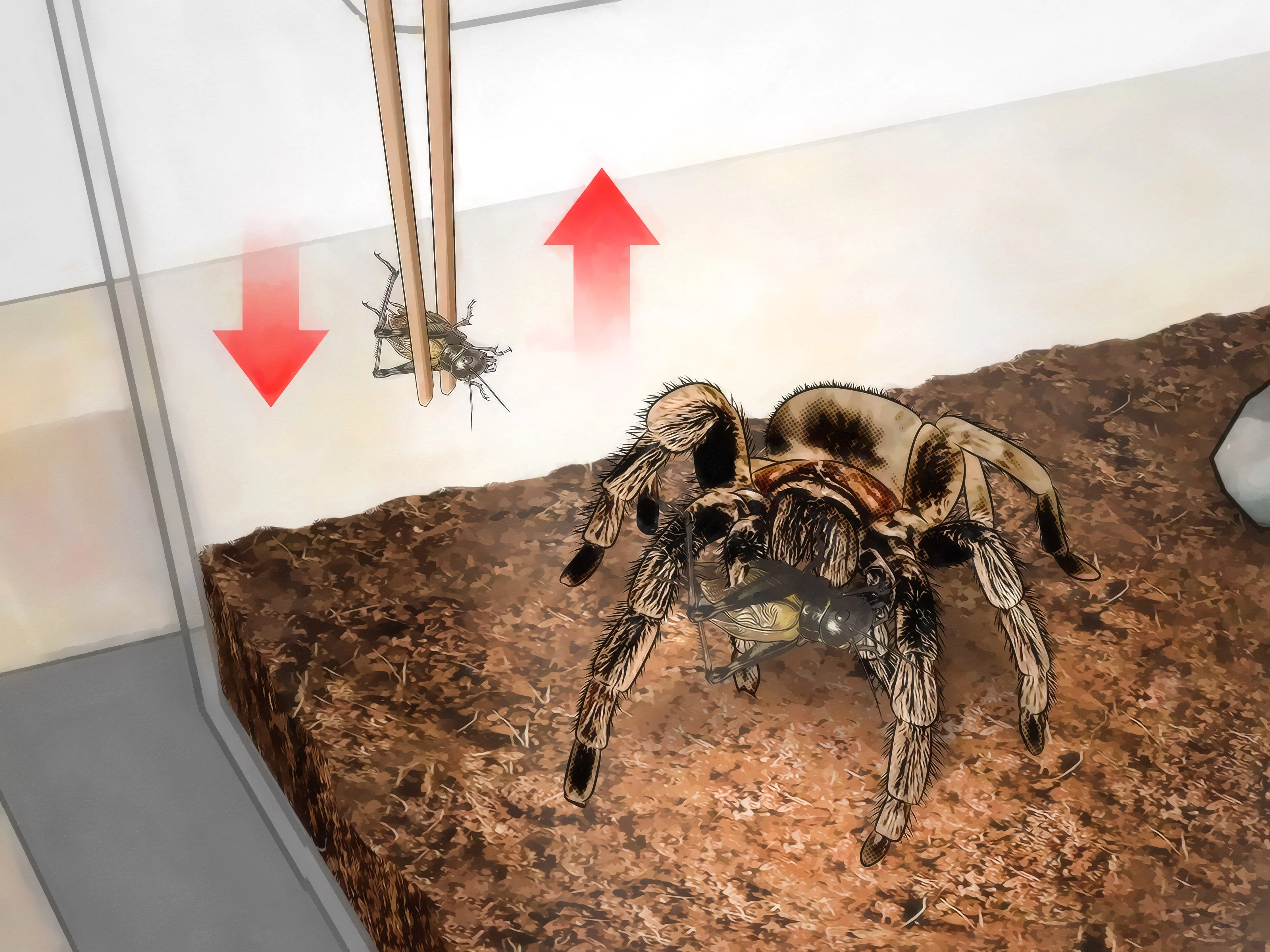
What is Tarantula Feeding Response
The tarantula feeding response is a fascinating aspect of owning these captivating creatures. It’s essentially how a tarantula reacts to the presence of potential prey, encompassing the behaviors they exhibit when they are ready and willing to eat. This response isn’t just about hunger; it’s a complex interplay of environmental factors, the tarantula’s physiological state, and the characteristics of the prey itself. Understanding the feeding response is critical for any tarantula owner, as it directly impacts the health and well-being of the spider. A healthy tarantula typically displays a robust feeding response, readily ambushing and consuming prey items offered to it. Monitoring your tarantula’s feeding behavior can provide valuable insights into its overall health, allowing you to identify potential issues early on and make necessary adjustments to their care.
Factors That Influence Tarantula Feeding Response
Several factors can significantly influence a tarantula’s feeding response. Being aware of these elements allows keepers to optimize the environment and conditions for their pet, promoting healthy eating habits. Temperature, humidity, prey type, and size are all important factors, and the tarantula’s molting cycle plays a vital role in its appetite as well. The spider’s overall health and well-being are affected by these factors, making it important to provide the best possible care.
Temperature

Temperature is a critical factor affecting a tarantula’s metabolism and feeding behavior. Tarantulas are ectothermic, meaning they rely on external heat sources to regulate their body temperature. When the temperature is too low, their metabolism slows down, and they become less active, often refusing food. Conversely, excessively high temperatures can stress the spider and negatively impact its appetite. A generally accepted temperature range for most tarantula species is between 75-85°F (24-29°C). Maintaining this range is essential for stimulating a healthy feeding response and overall well-being. Use a reliable thermometer to monitor the temperature in your tarantula’s enclosure, and adjust heat sources like heat mats or lamps as needed to maintain the ideal conditions. Keep in mind that different species may have slightly different temperature preferences, so research the specific requirements of your tarantula.
Humidity
Humidity is also key to your tarantula’s feeding response. Tarantulas, especially those from humid environments, require a specific level of humidity to thrive. Low humidity can lead to dehydration, making it harder for the tarantula to eat, as well as posing potential health risks. The humidity level needed varies depending on the species of tarantula. You can achieve this through a water dish, and misting the enclosure, ensuring the substrate is moist, but not waterlogged. Monitoring the humidity levels with a hygrometer is important to verify that they are correct.
Prey Type
The type of prey you offer can influence your tarantula’s feeding response. While tarantulas are opportunistic feeders and will eat a variety of insects, some may have preferences. Crickets, mealworms, roaches, and even small vertebrates are common choices. The nutritional value of the prey is also important, as it directly impacts the health of your spider. Offering a varied diet can help ensure your tarantula receives all the necessary nutrients. Some tarantulas may become bored with the same prey item over time, so alternating between different types of insects can help stimulate their feeding response. It’s also important to ensure the prey is healthy and free from parasites or pesticides, as these can be harmful to your tarantula. Provide live prey to stimulate the natural hunting instincts of your tarantula.
Prey Size

Prey size is important in the tarantula feeding response. Offering prey that is too large can be intimidating for the tarantula, and the spider may be unwilling to attack and eat. In general, prey items should be no larger than the tarantula’s abdomen, to avoid the tarantula feeling threatened by a food source it perceives as too dangerous. Offering prey that is too small may not provide enough nutrition to sustain the spider. It’s crucial to carefully size the food to stimulate the tarantula’s hunting drive while protecting it from harm.
Tarantula’s Molting Cycle
The molting cycle is a crucial phase in a tarantula’s life, during which it sheds its exoskeleton to grow. During this period, the tarantula is very vulnerable and will typically stop eating altogether. The timing of molting varies depending on the spider’s age, species, and growth rate, but it is essential to understand that loss of appetite before a molt is normal behavior. Attempting to feed a tarantula that is about to molt can stress the spider and lead to complications. Signs that your tarantula is about to molt include a darkening of the abdomen, a loss of appetite, and the spider spending more time in its burrow or hiding place. Avoid feeding your tarantula if it is showing these signs. After molting, wait a few days before offering food, as the spider’s fangs and exoskeleton will still be hardening. Once the tarantula is ready, it will often have a voracious appetite and readily accept food.
How to Improve Your Tarantula’s Feeding Response
Improving a tarantula’s feeding response involves understanding the various factors that influence its appetite and making adjustments to its environment and care. This proactive approach helps owners guarantee their spider is healthy and thriving. It also involves knowing what to watch out for, making it simpler to identify possible health concerns early on and improve the spider’s health.
Providing the Right Enclosure

A well-designed enclosure is critical for a tarantula’s feeding response. The enclosure should be appropriately sized for the spider’s species and stage of life, with adequate ventilation to ensure proper air circulation. The substrate should be suitable for the species, providing a place for burrowing and maintaining the right humidity. The enclosure should also include a water dish for hydration. The right amount of space is important so that the tarantula doesn’t feel stressed. Creating a secure, comfortable habitat is the first step in promoting a healthy feeding response. Keep the enclosure clean, removing any uneaten prey and waste regularly to maintain a healthy environment.
Offering a Variety of Prey
Offering a variety of prey items can stimulate the tarantula’s interest and improve its feeding response. Rotate different types of insects, such as crickets, mealworms, roaches, and other appropriate prey, to provide a balanced diet and prevent boredom. Introduce new prey types slowly and observe your tarantula’s reaction. Some tarantulas have preferred prey, so it may take some experimentation to find the options your spider enjoys the most. Make sure the prey is properly gut-loaded before feeding it to your tarantula. This means providing the prey with nutritious food, so the spider receives more vitamins and minerals when it eats.
Maintaining Optimal Temperature and Humidity
Maintaining the right temperature and humidity levels are crucial for a healthy tarantula feeding response. Use a reliable thermometer and hygrometer to regularly monitor the environmental conditions in the enclosure. Adjust heating and humidification methods as needed to keep the temperature and humidity within the correct range for your tarantula’s species. A good rule of thumb is to keep the enclosure temperature between 75-85°F (24-29°C), and the humidity should be appropriate for the species’ natural habitat. Regular misting, providing a water dish, and using appropriate substrate can help maintain optimal humidity levels. Consistent monitoring and adjustment will help to create a comfortable environment that promotes a healthy appetite.
Understanding Tarantula Behavior

Observing your tarantula’s behavior can provide valuable insights into its feeding response. Learn to recognize the subtle signs of a healthy and well-fed tarantula, such as an alert posture, a quick response to prey, and a healthy abdomen. The tarantula’s temperament and activity levels can provide signs of its overall well-being, so it’s crucial to become familiar with their individual personality. Some tarantulas are naturally shy, while others are more outgoing. Knowing your tarantula’s typical behavior can help you identify any changes that may indicate a problem, such as a decreased appetite or a refusal to eat. Spend time observing your tarantula and learning to interpret its behavior.
Common Feeding Problems and Solutions
Even with the best care, tarantulas can sometimes experience feeding problems. Understanding common issues and how to address them is essential for any tarantula keeper. Identifying the reason for feeding refusal is critical, so you can take appropriate action to get your pet back to a healthy feeding pattern.
My Tarantula Refuses to Eat
If your tarantula refuses to eat, there could be several reasons. The first step is to assess the environmental conditions, such as temperature and humidity. Ensure the enclosure is within the recommended range for your species. Check the molting cycle; a tarantula may stop eating before molting. Examine the prey to verify it is an appropriate size, is gut-loaded, and is still alive. If the tarantula refuses food for an extended period, consult with an experienced tarantula keeper or a veterinarian who is familiar with exotic animals to rule out any underlying health issues.
My Tarantula is Overweight

Overfeeding is a common issue, especially for tarantulas kept by novice keepers. Tarantulas can store fat in their abdomens, so a large abdomen does not always indicate a health issue. Overfeeding can be harmful, leading to health problems. It’s important to feed your tarantula an appropriate amount. Observe the spider’s abdomen size, and adjust the feeding frequency and amount accordingly. Reduce the feeding frequency, and offer smaller prey items. Always make sure to provide plenty of room for exercise. If your tarantula is already overweight, gradually decrease the frequency and size of its meals. You may need to consult with an expert to determine the best course of action to improve your spider’s health.
My Tarantula is Always Hungry
If your tarantula always seems hungry, it may be a sign of rapid growth or a particularly active species. Make sure you are feeding it an appropriate amount of food. Increase the feeding frequency. Monitor the tarantula’s abdomen size, and adjust the feeding schedule accordingly. Ensure the tarantula has access to fresh water and is housed in an appropriate enclosure. You can also add some enrichment to the enclosure to make your spider more active and happy. If you are concerned, consult with an experienced tarantula keeper to determine the proper feeding approach for your specific species and life stage.
Conclusion
Understanding and managing your tarantula’s feeding response is an essential part of responsible tarantula ownership. By understanding the factors that influence feeding behavior, providing the right environment, and addressing common feeding problems, you can ensure that your tarantula thrives. By following these guidelines, you can ensure your tarantula has a long and healthy life. Remember that observing your tarantula and making adjustments based on its behavior is key to providing the best possible care. Patience and a commitment to learning will help you become a successful tarantula keeper, providing a fulfilling experience for both you and your fascinating pet.