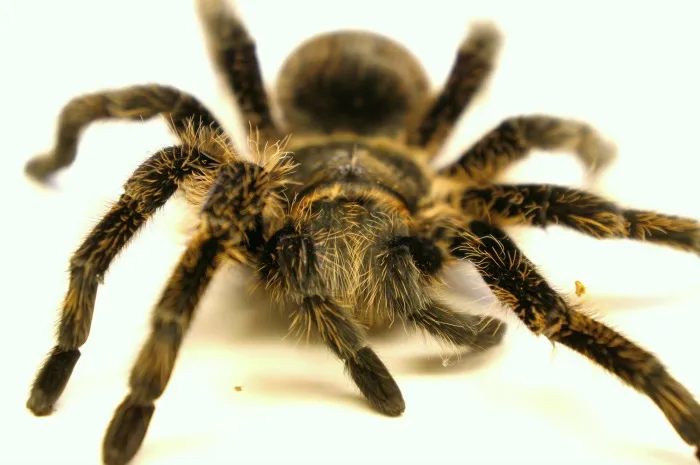
Understanding Tarantula Fur
Tarantulas, fascinating creatures often kept as pets, possess a unique feature that sets them apart from many other animals their fur. This isn’t your typical fluffy fur but rather a specialized type of hair called urticating hairs or setae. These hairs play a crucial role in the tarantula’s survival and defense mechanisms. Understanding tarantula fur is essential for anyone interested in these arachnids, whether as a pet owner, enthusiast, or simply someone curious about the natural world. These hairs are not just for show; they are an integral part of the tarantula’s biology, playing a significant role in how they interact with their environment and defend themselves. Understanding the purpose, texture, and care of tarantula fur enhances the ability to appreciate and care for these amazing creatures.
What is Tarantula Fur
Tarantula fur is actually a collection of tiny, barbed hairs called setae. These hairs cover the tarantula’s body, primarily on its abdomen, legs, and pedipalps. The structure of these hairs is quite complex, with barbs designed to easily detach and embed themselves into the skin of potential predators or threats. These urticating hairs are not soft and fluffy like mammal fur; instead, they are rigid and serve a defensive purpose. The composition and arrangement of these hairs vary among different tarantula species, contributing to the unique characteristics of each species. The density and type of setae can also indicate the tarantula’s temperament and defense strategies. These urticating hairs are a defining feature of tarantulas, setting them apart from other arachnids.
The Purpose of Tarantula Fur

The primary function of tarantula fur, specifically the urticating hairs, is defense. When threatened, tarantulas can flick these hairs towards a perceived danger. These hairs cause intense itching, irritation, and discomfort upon contact with the skin and eyes of the predator. This defense mechanism helps the tarantula to deter attacks and escape unharmed. The hairs act as a deterrent, giving the tarantula an opportunity to flee or hide. The hairs’ effectiveness varies based on the type of tarantula and the target animal. Tarantula fur also plays a role in sensory perception. The hairs act as sensory receptors, helping tarantulas detect vibrations and changes in the environment, which aids in hunting, navigating, and avoiding threats. This is why it’s so important to learn the proper ways of handling them.
Texture and Types of Tarantula Fur
The texture of tarantula fur can vary significantly depending on the species. Some tarantulas have dense, velvety fur, while others have coarser, more bristly hairs. These differences in texture are related to the types of setae present and their arrangement on the body. Understanding these textures is crucial for identifying the species and appreciating the diversity of tarantulas. Some species also have specialized hairs with unique properties. For example, some tarantulas have irritating hairs that can cause a more severe reaction when contacted. These differences can also influence how pet owners interact with their tarantulas, as some types are less likely to cause skin irritation than others. These amazing differences are what make tarantulas so unique.
Different Types of Tarantula Fur
There are different types of urticating hairs found among various tarantula species. These are broadly categorized based on their shape, size, and the way they are deployed. Type I hairs, found in many New World tarantulas, are barbed and easily dislodged, causing significant irritation. Type III hairs, often found in the genus Grammostola, are less irritating but still serve a defensive purpose. Some species have a combination of hair types, adding to their defense mechanisms. The specific type of hair a tarantula has can influence its defensive behavior and the care required to handle it safely. Knowledge of these various types can help in understanding how tarantulas interact with their environment and what to expect when dealing with these arachnids. There is always something to learn about tarantulas, even about their fur.
Identifying the Texture of Your Tarantula

Identifying the texture of your tarantula’s fur involves observing the density, length, and arrangement of hairs on the body. Close-up inspection, using a magnifying glass if necessary, can help to differentiate between different types of setae. The overall appearance, whether it is velvety, bristly, or sparse, can offer clues about the species and its temperament. Comparing the fur’s texture with descriptions and images of known tarantula species can assist in identification. This visual identification helps to categorize the species. However, it is important to avoid direct contact with the hairs to prevent irritation. This is one of the most important things to take into consideration when buying a tarantula as a pet.
Caring for Tarantula Fur
Caring for tarantula fur involves understanding and managing potential risks associated with the urticating hairs. While the fur itself doesn’t require direct maintenance, pet owners need to take precautions to prevent irritation and allergic reactions. The best care practices are a balance of safety, prevention, and understanding. It is important to understand the potential issues that may come with the type of tarantula you own. This includes being cautious and informed about the species you have.
Proper Handling Techniques
When handling a tarantula, always use gentle, slow movements to avoid agitating the spider. Avoid direct contact with the abdomen, where urticating hairs are concentrated. If handling is necessary, use a soft brush to gently coax the tarantula to move onto a surface or consider using tongs. Always wash your hands thoroughly after any contact. The goal of any handling should be to keep the spider calm and avoid provoking its defensive behavior. This will help prevent irritation and reduce the risk of exposure to urticating hairs. Also, it is important to have a complete understanding of the species you own. Always be cautious when handling a tarantula.
Avoiding Irritation and Allergies

To avoid irritation and allergic reactions, minimize direct contact with the tarantula’s fur. If you notice irritation, wash the affected area thoroughly with soap and water. Avoid rubbing the area, as this can spread the hairs further. Antihistamines or topical creams may help to alleviate the symptoms, but consult a doctor if the reaction is severe. Maintaining a clean environment around the enclosure can also minimize exposure to loose hairs. For people with a history of allergies, be especially cautious and take appropriate precautions, such as wearing gloves and a mask when cleaning the enclosure. Remember that reactions can vary from mild to severe and require immediate medical attention.
Maintaining a Healthy Habitat
A healthy habitat helps to prevent the build-up of loose hairs and promotes the tarantula’s well-being. Regularly clean the enclosure, removing any shed exoskeletons and substrate that may contain hairs. Ensure proper ventilation to prevent the accumulation of airborne particles. Maintain appropriate humidity levels for the specific species, as this helps the tarantula to molt properly and reduces the risk of irritation. Regular maintenance will help maintain a clean environment and help keep the tarantula happy and healthy. A good enclosure will create an environment that is similar to the spider’s natural habitat.
Interesting Facts About Tarantula Fur
Tarantula fur is not just about defense; it’s a key element in the tarantula’s survival, from defense to reproduction. It is a key element in their communication, sensory perception, and survival strategies. Exploring these aspects reveals just how complex and fascinating these creatures are. There is so much to learn about tarantulas, and there is always something new to discover. Here are some interesting facts.
Tarantula Fur in Defense

Urticating hairs are an incredibly effective defense mechanism. The hairs are barbed, so they can easily penetrate the skin. Once they are in the skin, they can cause intense itching and irritation that can last for days or even weeks. The hairs are not dangerous to humans in most cases. However, they can be extremely irritating, especially if they get into the eyes or lungs. The effectiveness of the hairs varies depending on the species of tarantula and the size of the predator. In general, larger tarantulas have more potent urticating hairs. When threatened, many species will flick these hairs at the threat using their hind legs. This behavior is another impressive characteristic of tarantulas.
Tarantula Fur and Molting
During the molting process, tarantulas shed their entire exoskeleton, including their fur. This is a vulnerable time for the tarantula because their new exoskeleton is soft, so the fur is very important for their defense. The old fur is left behind in the shed skin, and new hairs grow with the new exoskeleton. The new hairs may be more vibrant in color. After molting, the tarantula’s urticating hairs are refreshed, ready for the next defense. The molting process is a critical part of tarantula growth and is a fascinating process to witness. It’s just another unique element that makes tarantulas what they are.
In conclusion, tarantula fur is a complex and fascinating aspect of these incredible creatures. From its role in defense to its role in sensory perception, the fur plays a critical role in the tarantula’s survival. Understanding the types of fur, handling techniques, and health impacts associated with tarantulas and their fur will help you better appreciate these creatures.